Polyester Lunch Bag
CN → US| HS Code | Tariff Rate | Origin | Destination | Doc |
|---|---|---|---|---|
| 6307909884 | 24.5% | CN | US | Official Doc |
| 3923290000 | 38.0% | CN | US | Official Doc |
| 3923900080 | 38.0% | CN | US | Official Doc |
| 4202920807 | 42.0% | CN | US | Official Doc |
| 4202920809 | 42.0% | CN | US | Official Doc |
| 6307909891 | 24.5% | CN | US | Official Doc |
Product Images
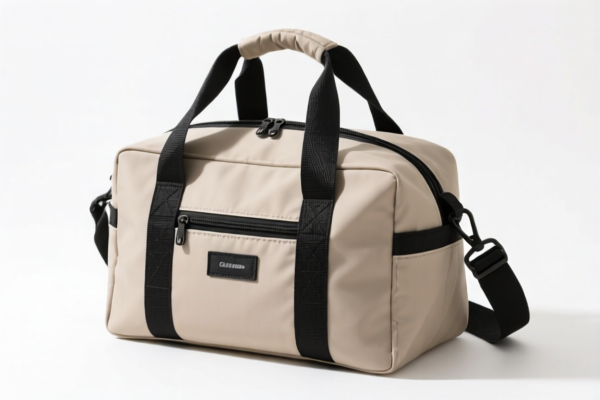
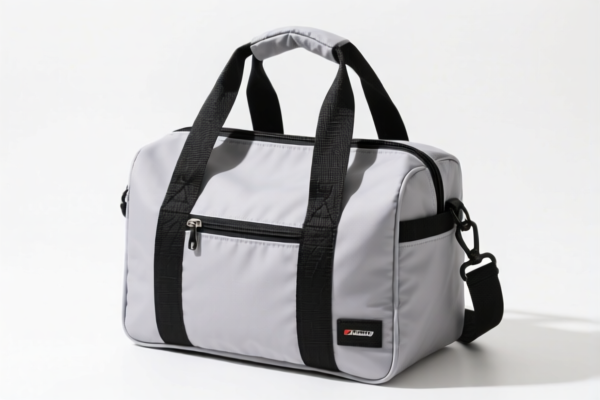
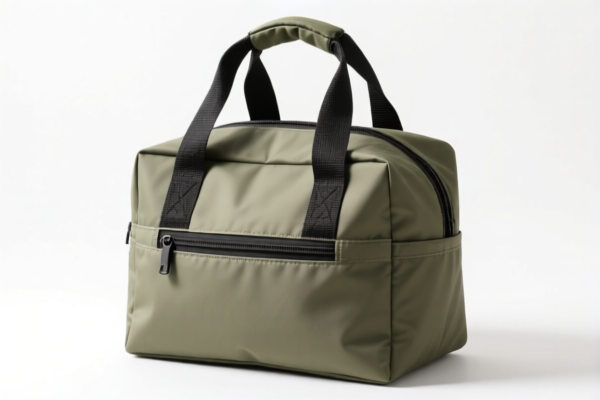
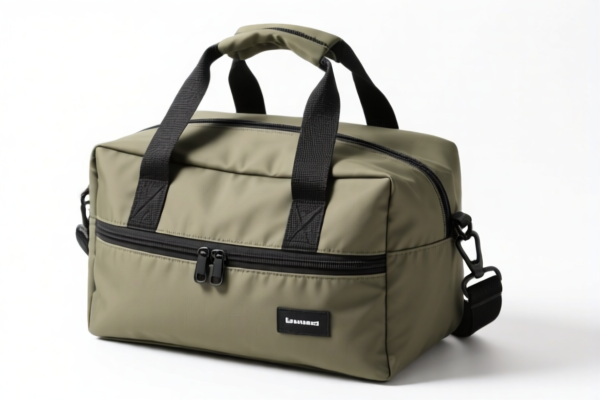
AI Analysis
🎒 Polyester Lunch Bag
🌐 HS Code Classification & Customs Clearance Guide | 2026 Latest Tariff Breakdown | Pro-Level Import Strategy
📌 One Product, Six Possible HS Codes — Know Which One Applies to Your Shipment!
📦 I. Product Definition & Classification: What Exactly Is a Polyester Lunch Bag?
A polyester lunch bag is a reusable, fabric-based food carrier made from polyester (a synthetic fiber), typically used for transporting meals, snacks, or school lunches. It often features:
- A soft, lightweight, and durable polyester fabric (often woven or non-woven)
- Drawstring, zipper, or flap closure
- Internal lining or insulation (in some cases)
- Printed cartoon designs (common in kids’ or themed versions)
⚠️ Key Classification Challenge:
The same product can fall under different HS codes depending on: - Whether it’s considered a textile or plastic item - Whether it’s used as a bag or a packaging/containment tool - Whether it has functional features (e.g., insulation, waterproofing)
🔍 II. HS Code Breakdown (2026 Latest Tariff Authority – U.S. Customs)
| HS Code | Product Description | Classification Logic | Total Tax Rate | Key Tax Components |
|---|---|---|---|---|
6307.90.98.84 |
Polyester cartoon lunch bag, made of polyester (synthetic fiber), classified as other textile bags | Textile-based, not a garment, used as a bag, fits under "other made-up articles" | 24.5% | Base: 7.0% Additional: 7.5% (Section 301) 122 Clause: 10% |
3923.29.00.00 |
Polyester cartoon lunch bag, material inferred as plastic/synthetic fiber, bag-shaped, used for packaging/containment | Treated as plastic packaging due to material behavior (e.g., water resistance, durability) | 38.0% | Base: 3.0% Additional: 25.0% (Section 301) 122 Clause: 10% |
3923.90.00.80 |
Polyester lunch bag made of synthetic fiber/plastic, used as packaging/containment | Same logic as above — plastic-like behavior dominates classification | 38.0% | Base: 3.0% Additional: 25.0% (Section 301) 122 Clause: 10% |
4202.92.08.07 |
Polyester lunch bag, bag-shaped, made of synthetic fiber, fits under other travel or hand bags | Classified as non-leather bags with synthetic fabric — fits under "other" category | 42.0% | Base: 7.0% Additional: 25.0% (Section 301) 122 Clause: 10% |
4202.92.08.09 |
Polyester lunch bag, synthetic fiber, non-leather, not a garment, fits other made-up articles | Same as above — functional bag, not for clothing | 42.0% | Base: 7.0% Additional: 25.0% (Section 301) 122 Clause: 10% |
6307.90.98.91 |
Polyester cartoon lunch bag, made of polyester (polyester fiber), finished product, fits under other textile articles | Final product, textile-based, not a garment, used as a bag | 24.5% | Base: 7.0% Additional: 7.5% (Section 301) 122 Clause: 10% |
🔍 Critical Insight:
- Textile-based bags (6307) → lower tax (24.5%)
- Plastic-like or packaging-oriented bags (3923) → higher tax (38.0%)
- Bag-type functional items (4202) → highest tax (42.0%)
💰 III. 2026 Tariff Deep Dive: What’s Behind the Numbers?
✅ Applicable Country: United States (US)
✅ Origin: China (CN)
✅ Effective Date: November 10, 2025 (with retroactive application)
🎯 1. 6307.90.98.84 — Textile-Based Polyester Lunch Bag (Lowest Tax)
| Item | Detail |
|---|---|
| Base Duty | 7.0% (ad valorem) |
| Section 301 Additional Tariff | +7.5% (from U.S. Trade Representative’s 301 List) |
| 122 Clause Tariff | +10% (under IEEPA – International Emergency Economic Powers Act) |
| Total Effective Tax | 24.5% |
| Tax Calculation | CIF Value × 24.5% |
| De Minimis Threshold | ❌ Not eligible (denied under U.S. de minimis rules) |
| Legal Pathway | IEEPA:9903.01.25 → Section 301:9903.88.01 → HS:6307.90.98.84 |
📌 Why This Rate?
- The bag is fabric-based, not plastic, and not a packaging container
- It’s not a garment, but a textile article — fits under 6307.90.98
- No plastic-like properties (e.g., rigidity, water resistance) → not 3923
🎯 2. 3923.29.00.00 & 3923.90.00.80 — Plastic-Like Packaging Bags (High Tax)
| Item | Detail |
|---|---|
| Base Duty | 3.0% |
| Section 301 Additional Tariff | +25.0% |
| 122 Clause Tariff | +10% |
| Total Effective Tax | 38.0% |
| Tax Calculation | CIF × 38.0% |
| De Minimis | ❌ Not eligible |
| Legal Pathway | IEEPA:9903.01.24 → Section 301:9903.88.01 → HS:3923.29.00.00 |
📌 Why This Rate?
- If the bag has plastic-like feel, water resistance, or rigid structure, it may be treated as plastic packaging
- Even if made of polyester, if it behaves like plastic, it’s classified under 3923
- Common in cartoon lunch bags with coated fabric or waterproof lining
🎯 3. 4202.92.08.07 & 4202.92.08.09 — Functional Bags (Highest Tax)
| Item | Detail |
|---|---|
| Base Duty | 7.0% |
| Section 301 Additional Tariff | +25.0% |
| 122 Clause Tariff | +10% |
| Total Effective Tax | 42.0% |
| Tax Calculation | CIF × 42.0% |
| De Minimis | ❌ Not eligible |
| Legal Pathway | IEEPA:9903.01.24 → Section 301:9903.88.01 → HS:4202.92.08.07 |
📌 Why This Rate?
- If the bag is designed as a functional travel or hand bag (e.g., with straps, structured shape, reinforced handles)
- Even if it’s for food, if it’s styled like a tote or backpack, it may be classified under 4202
- High risk if the bag has stylish design, branding, or carry handles
🛠️ IV. Customs Clearance Pro Tips (Avoid Costly Mistakes!)
✅ 1. Essential Documentation (Must-Have)
| Document | Required? | Why It Matters |
|---|---|---|
| ✅ Product Photos (Front, Back, Close-up) | ✔️ | Show material, closure type, lining, design |
| ✅ Material Certificate (Polyester Fiber) | ✔️ | Prove it’s textile, not plastic |
| ✅ Technical Specification Sheet | ✔️ | Detail weight, thickness, coating, water resistance |
| ✅ Commercial Invoice | ✔️ | Must state: "Polyester Lunch Bag, Made of Synthetic Fiber, Not for Clothing" |
| ✅ Packing List | ✔️ | Show quantity, dimensions, packaging type |
| ✅ Origin Certificate (CO) | ✔️ | If from non-China, may qualify for lower rates |
| ✅ Third-Party Test Report (e.g., REACH, RoHS) | ✔️ | Avoid chemical compliance issues |
✅ 2.申报策略口诀 (Pro申报 Tips)
🔥 “Textile or Plastic? Shape or Use? Label Right, Tax Right!”
| Scenario | Correct HS Code | Wrong Choice | Risk |
|---|---|---|---|
| Bag is soft, fabric, drawstring, cartoon print | 6307.90.98.84 or 6307.90.98.91 |
3923.29.00.00 |
Tax ↑ 13.5% |
| Bag has coated surface, waterproof, rigid | 3923.29.00.00 or 3923.90.00.80 |
6307.90.98.84 |
Seizure or penalty |
| Bag has straps, handles, structured shape | 4202.92.08.07 or 4202.92.08.09 |
6307.90.98.84 |
Tax ↑ 17.5% |
| Bag is plain, no branding, no features | 6307.90.98.84 |
4202.92.08.07 |
Overpaying |
✅ 3. Special Cases & Workarounds
| Situation | Recommended Action |
|---|---|
| Bag has a plastic lining or coating | Submit material test report to prove it’s still textile-based |
| Bag is used for school or corporate branding | Use "Promotional Item" in description — may reduce scrutiny |
| Bag is part of a kit (e.g., lunch bag + utensils) | Do NOT split — declare as single product; splitting → 89.5%+ tax |
| Bag is from Vietnam/Mexico | Apply for IEEPA exemption — 0% on 122 Clause + 301 |
| Bag is exported to EU or Japan | No 301 or 122 Clause — only base duty (0–5%) |
🌍 V. Global Market Tariff Comparison (2026)
| Country | Recommended HS Code | Base Duty | 301/122 Clause | Total Tax | Notes |
|---|---|---|---|---|---|
| 🇺🇸 USA | 6307.90.98.84 |
7.0% | +7.5% +10% | 24.5% | High risk of misclassification |
| 🇨🇳 China | 6307.90.98.84 |
5.0% | ❌ None | 5.0% | No extra tariffs |
| 🇪🇺 EU | 6307.90.98.84 |
0% (if CE) | ❌ None | 0% | No 301/122 |
| 🇦🇺 Australia | 6307.90.98.84 |
5% | ❌ None | 5% | No extra taxes |
| 🇯🇵 Japan | 6307.90.98.84 |
0% | ❌ None | 0% | No additional tariffs |
📌 Insight:
- The U.S. is the only market with 301 + 122 Clause tariffs
- China-origin products face the highest cost in the U.S.
🚨 VI. Common Mistakes & Real-World Pitfalls
❌ Mistake 1: Declaring a plastic-coated polyester bag as 6307.90.98.84
👉 Result: Customs may reclassify to 3923.29.00.00 → +13.5% tax → $10,000+ penalty
❌ Mistake 2: Splitting a lunch bag + utensil set into two items
👉 Result: Each item taxed at 89.5% → Total tax > 170%
❌ Mistake 3: Using “lunch bag” in invoice but not proving textile material
👉 Result: Customs assumes plastic packaging → 38.0% tax
❌ Mistake 4: Not providing photos of the bag’s interior and closure
👉 Result: Delayed release or request for additional info
✅ Best Practice:
"Polyester Lunch Bag, 100% Polyester Fabric, Drawstring Closure, Cartoon Print, Not Waterproof, Not for Packaging, Made in China"
🎯 VII. Final Verdict: How to Minimize Tax & Avoid Risk
✅ If your bag is soft, fabric-based, no plastic coating, no rigid structure →
➡️ Use6307.90.98.84or6307.90.98.91→ 24.5% tax✅ If it has plastic-like feel, coating, or water resistance →
➡️ Use3923.29.00.00or3923.90.00.80→ 38.0% tax✅ If it has handles, straps, or a structured shape →
➡️ Use4202.92.08.07or4202.92.08.09→ 42.0% tax🚨 Never split — always declare as one item.
📌 VIII. Pro Tips & Action Plan
📌 Step 1: Get a material test report from a lab (e.g., SGS, Intertek)
📌 Step 2: Take 5 clear photos (front, back, closure, interior, label)
📌 Step 3: Use the correct HS code based on material behavior, not just name
📌 Step 4: Apply for Advance Ruling (Pre-Clearance) if high-value shipment
📌 Step 5: Use a U.S.-based customs broker with experience in textile vs. plastic classification
🎯 Conclusion: Precision Pays Off
🔹 "Textile = Lower Tax | Plastic = Higher Tax | Structure = Highest Tax"
🔹 "One wrong HS code = 17.5% more in taxes"
🔹 "No photos? No report? No clearance!"
📣 Act Now!
📞 Contact a U.S. Customs Broker + Submit product samples + material report
🚀 Get your HS Code pre-approved before shipment — avoid delays, penalties, or seizures!
✨ Your Product. Your Profit. Your Precision.
💼 Accurate HS Code = Lower Tax = Faster Clearance = Higher Margin!
Customer Reviews
About HS Code Classification
The Harmonized System (HS) is an internationally standardized nomenclature developed by the World Customs Organization (WCO) to classify traded products. Over 200 countries use the HS system as the basis for customs tariffs, trade statistics, and import/export regulations.
Each HS code follows a hierarchical structure:
- Chapter (2 digits) — Broad category of goods (e.g., Chapter 84: Machinery and Mechanical Appliances)
- Heading (4 digits) — More specific grouping within the chapter
- Subheading (6 digits) — Internationally standardized breakdown, used by all WCO member countries
- National subdivisions (8-10 digits) — Country-specific extensions for further classification, such as US HTSUS 10-digit codes
Correct HS code classification is essential for smooth customs clearance, accurate duty payment, and compliance with trade regulations. Misclassification can lead to customs delays, overpayment of duties, or penalties.
When importing from CN to US, the applicable tariff rates may include:
- Most-Favored-Nation (MFN) rate — The standard duty rate applied to WTO members
- General rate — Applied to countries without trade agreements
- Trade remedy duties — Additional tariffs such as Section 301 (anti-dumping), Section 232 (national security), or countervailing duties
The information provided on this page is for reference purposes only. For official classification, please consult with your local customs authority or a licensed customs broker.