Polyester Outdoor Bag
CN → US| HS编码 | 关税税率 | 原产国 | 目的国 | 文档 |
|---|---|---|---|---|
| 3926904800 | 13.4% | CN | US | 官方文档 |
| 3926903300 | 16.5% | CN | US | 官方文档 |
| 4202923900 | 52.6% | CN | US | 官方文档 |
| 4202923120 | 52.6% | CN | US | 官方文档 |
商品图片
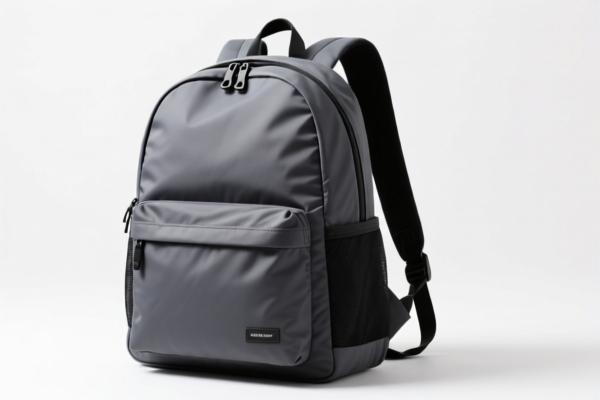
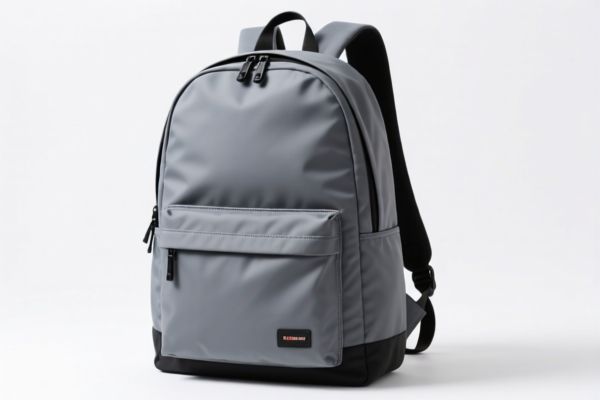
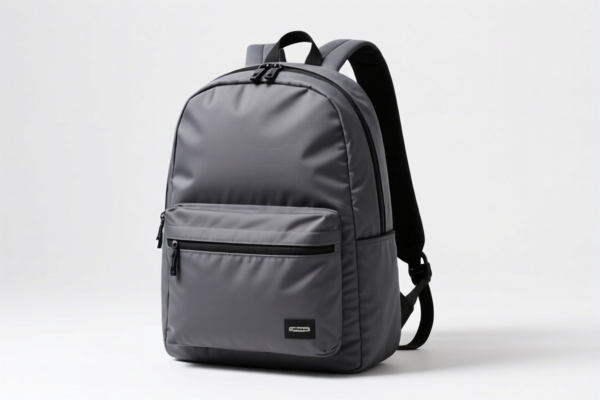

AI分析
🎒 Polyester Outdoor Bag: HS Code Classification & Customs Clearance Strategy
🌐 HS Code Reference & Customs Clearance Guide | 2024/2025 Tariff Analysis | Professional Clearance Strategy 📌 I. Product Definition & Classification: Is it "Plastic" or "Textile"?
The Polyester Outdoor Bag sits at a critical crossroads in international trade classification. It can be classified either as a plastic/synthetic resin article (Chapter 39) or as a travel/sporting bag (Chapter 42). The distinction hinges on the material composition and the primary function defined by customs authorities.
Key Classification Dilemma: * Option A (Plastic/Resin Route): If the bag is viewed primarily as a container made of synthetic resin materials (where the fabric structure is secondary or considered part of the plastic article), it falls under Chapter 39. * Option B (Textile/Bag Route): If the bag is viewed primarily as a manufactured article of trade, made from textile materials (polyester fabric), it falls under Chapter 42.
⚠️ Critical Distinction Point: - If the bag is a simple plastic sack or bag without complex textile lining/structure → HS Code 3926.90 - If the bag is a constructed travel/sports bag with handles, straps, zippers, and textile outer surface → HS Code 4202.92
📦 II. HS Code Classification Details (Based on Provided Data)
The following four HS Codes are the potential classifications for the Polyester Outdoor Bag, derived directly from the provided dataset.
| HS Code | Product Description & Rationale | Total Tax Rate | Tax Breakdown (Base + Surtax + Section 301/122) |
|---|---|---|---|
| 3926.90.48.00 | Plastic Article: Classified as other plastic articles made of plastic/synthetic resin. The summary indicates it falls under "Other Plastic Articles." | 13.4% | Base: 3.4% USITC Surtax: 0.0% Section 122 (301): 10.0% |
| 3926.90.33.00 | Plastic Article: Classified as other plastic articles. Rationale relies on the "plastic attribute" of polyester fibers. | 16.5% | Base: 6.5% USITC Surtax: 0.0% Section 122 (301): 10.0% |
| 4202.92.39.00 | Textile Bag: Classified as other travel/sports bags with an outer surface of textile materials. | 52.6% | Base: 17.6% USITC Surtax: 25.0% Section 122 (301): 10.0% |
| 4202.92.31.20 | Textile Bag: Classified specifically as travel/sports bags made of synthetic fiber materials. | 52.6% | Base: 17.6% USITC Surtax: 25.0% Section 122 (301): 10.0% |
🔍 Key Insight: - Chapter 39 (Plastics): Lower tax burden (13.4% - 16.5%). No USITC Section 301 surtax. Only the Section 122 (10%) applies. - Chapter 42 (Bags): High tax burden (52.6%). Includes both the Base Tariff, a significant 25% USITC Surtax, and the 10% Section 122 Tariff.
💰 III. Detailed Tariff Rate Analysis (2024/2025)
✅ Applicable Country: United States (US)
✅ Origin: China (CN)
✅ Product: Polyester Outdoor Bag
🎯 1. Classification under Chapter 39 (Plastic Articles)
A. 3926.90.48.00 – Other Plastic Articles
| Item | Detail |
|---|---|
| Base Tariff | 3.4% |
| USITC Surtax (Section 301) | 0.0% (Exempt or not applicable for this subheading) |
| Section 122 Tariff | 10.0% (Additional duty on specific Chinese goods) |
| Total Effective Rate | 13.4% |
| Tax Calculation | CIF Value × 13.4% |
| De Minimis Exemption | ❌ Not applicable for Section 122 duties in many contexts; high risk for small shipments if declared as commercial goods. |
📌 Explanation: - This classification treats the polyester bag as a plastic article rather than a textile bag. - The absence of the 25% USITC surtax makes this significantly cheaper. - However, customs may challenge this if the bag has complex textile features (zippers, woven straps, etc.), arguing it is a "bag" rather than a "plastic article."
B. 3926.90.33.00 – Other Plastic Articles (Polyester Attribute)
| Item | Detail |
|---|---|
| Base Tariff | 6.5% |
| USITC Surtax (Section 301) | 0.0% |
| Section 122 Tariff | 10.0% |
| Total Effective Rate | 16.5% |
| Tax Calculation | CIF Value × 16.5% |
| De Minimis Exemption | ❌ Not applicable. |
📌 Explanation: - Similar to above, but with a higher base rate (6.5% vs 3.4%). - Rationale: Emphasizes the "plastic attribute" of polyester fibers. - Still significantly cheaper than Chapter 42 classifications.
🎯 2. Classification under Chapter 42 (Travel/Sports Bags)
C. 4202.92.39.00 – Other Bags (Textile Material)
| Item | Detail |
|---|---|
| Base Tariff | 17.6% |
| USITC Surtax (Section 301) | +25.0% (High punitive tariff on Chinese textiles) |
| Section 122 Tariff | 10.0% |
| Total Effective Rate | 52.6% |
| Tax Calculation | CIF Value × 52.6% |
| De Minimis Exemption | ❌ Not applicable. |
📌 Explanation: - This is the standard classification for textile-made bags. - The 25% USITC surtax is the main cost driver. - Customs is more likely to apply this if the bag is clearly a "travel/sports bag" with textile components.
D. 4202.92.31.20 – Synthetic Fiber Bags
| Item | Detail |
|---|---|
| Base Tariff | 17.6% |
| USITC Surtax (Section 301) | +25.0% |
| Section 122 Tariff | 10.0% |
| Total Effective Rate | 52.6% |
| Tax Calculation | CIF Value × 52.6% |
| De Minimis Exemption | ❌ Not applicable. |
📌 Explanation: - Specific to synthetic fiber (polyester) bags. - Identical tax rate to
4202.92.39.00. - Most accurate if the bag is explicitly marketed as a "synthetic fiber sports bag."
🛠️ IV. Customs Clearance Practical Advice (Real-World Pitfalls)
✅ 1. Material Declaration & Product Description
To avoid misclassification and potential penalties, the product description must be precise.
| Scenario | Recommended Description | Risk Level |
|---|---|---|
| Attempting Chapter 39 | "Plastic Storage Container, Synthetic Resin Material, Polyester Coating" | ⚠️ High Risk if bag has zippers/straps. Customs may reclassify to Chapter 42. |
| Standard Chapter 42 | "Polyester Outdoor Sports Bag, Travel Bag, with Zipper and Shoulder Strap" | ✅ Safe but high tax. |
| Hybrid Material | "Bag with Polyester Textile Outer Surface and Plastic Components" | ⚠️ Moderate Risk. Likely Chapter 42. |
🔥 Pro Tip:
If you want to aim for Chapter 39, the bag should ideally be a simple plastic sack or pouch with minimal textile reinforcement. If it has complex stitching, webbing straps, and zippers, Chapter 42 is almost certain.
✅ 2.申报技巧 (Declaration Strategy)
🔥 Golden Rule:
"Be honest about function. If it's a bag, declare it as a bag. Do not misdeclare a textile bag as a plastic article to save 39% in taxes—that is fraud."
| Mistake | Consequence |
|---|---|
Misdeclaring 4202.92.31.20 (52.6%) as 3926.90.48.00 (13.4%) |
Heavy Penalties: 100%+ duty + fines + potential seizure. |
| Inconsistent material description (e.g., "Plastic Bag" but photos show fabric) | Delay: Customs inspection required. |
| Missing Section 301/122 disclosure | Audit Risk: Back taxes + interest. |
✅ 3. Special Considerations
| Situation | Advice |
|---|---|
| OEM/Custom Bags | Provide design specs showing material layers. If >50% of value is textile, Chapter 42 is likely. |
| Small Samples | Check if de minimis (Section 321) applies for shipments < $800. Note: Section 301/122 duties may still apply depending on current regulations. |
| Origin Marking | Ensure "Made in China" is clearly marked. Essential for Section 122 and 301 applicability. |
| Pre-Ruling | For large volumes, apply for an Advance Ruling from CBP to confirm whether the bag is classified under Ch. 39 or Ch. 42. |
🌍 V. Global Market Comparison (Quick View)
| Market | Likely HS Code | Est. Duty Rate | Notes |
|---|---|---|---|
| 🇺🇸 USA | 4202.92.31.20 or 3926.90.48.00 |
13.4% - 52.6% | Section 301 (25%) + Section 122 (10%) apply. |
| 🇪🇺 EU | 4202.92.90 |
~4% - 6% | No Section 301/122. Standard MFN rate. |
| 🇨🇳 China | 4202.92.90 |
~10% - 15% | Import tariff only. |
| 🇬🇧 UK | 4202.92.90 |
~4% - 12% | Post-Brexit tariffs. |
📌 Conclusion:
The US market is the most challenging due to the 25% USITC surtax and 10% Section 122 tariff on Chinese textile/plastic goods.
- Best Case Scenario (Chapter 39): 13.4% total tax.
- Worst Case Scenario (Chapter 42): 52.6% total tax.
📌 VI. Common Errors & Pitfalls (Blood & Tears)
❌ Error 1: Declaring a textile bag as a "Plastic Sack" to avoid the 25% surtax.
👉 Result: Customs inspection, reclassification, back taxes, and fines.
❌ Error 2: Ignoring Section 122 duties.
👉 Result: Even if Chapter 39 is accepted, the 10% Section 122 tariff still applies to most Chinese goods.
❌ Error 3: Vague product description ("Bag").
👉 Result: Customs uses the worst-case scenario for valuation and classification.
✅ Correct Approach:
Provide detailed specs: Material composition (% polyester, % plastic components), construction method (woven, non-woven, molded), and intended use (hiking, travel, gym).
Consult a Customs Broker: Especially for high-value shipments.
🎯 VII. Final Recommendation
🎯 For Maximum Cost Efficiency (if compliant):
If the bag can be legitimately classified under Chapter 39 (e.g., simple plastic-coated bags, minimal textile structure), target 3926.90.48.00 for a 13.4% tax rate.
🎯 For Standard Compliance:
If the bag is a typical outdoor sports bag with straps, zippers, and fabric, prepare for Chapter 42. Target 4202.92.31.20 or 4202.92.39.00 with a 52.6% tax rate.
💡 Strategic Tip:
Consider supply chain diversification. If the final destination is the US, producing bags in Vietnam, Thailand, or Mexico may allow you to avoid the 25% USITC surtax and potentially the 10% Section 122 tariff, significantly reducing costs.
📣 Immediate Action:
📞 Engage a Customs Broker to review your product samples.
📋 Request an Advance Ruling if shipping large volumes.
🚀 Optimize your HS Code selection to ensure compliance and cost-effectiveness.
✨ Precise Classification = Predictable Costs
💼 Don't let misclassification eat your margins!
用户评价
关于 HS 编码归类
协调制度(HS)是由世界海关组织(WCO)制定的国际贸易商品分类标准。全球 200 多个国家采用 HS 系统作为海关关税、贸易统计和进出口监管的基础。
每个 HS 编码遵循以下层级结构:
- 章(2 位)——商品大类(例如:第 84 章:机器和机械设备)
- 品目(4 位)——章内的更具体分类
- 子目(6 位)——国际通用细分,所有 WCO 成员国统一使用
- 本国细分(8-10 位)——各国自行扩展的细分编码,如美国 HTSUS 10 位编码
正确的 HS 编码归类对于顺利通关、准确缴纳关税和遵守贸易法规至关重要。错误归类可能导致海关延误、多缴关税或罚款。
从CN进口到US时,适用的关税税率可能包括:
- 最惠国(MFN)税率——适用于 WTO 成员国的标准关税税率
- 普通税率——适用于无贸易协定国家
- 贸易救济关税——附加关税,如 301 条款(反倾销)、232 条款(国家安全)或反补贴税
本页内容仅供参考。如需正式归类,请咨询当地海关或持牌报关代理。