Polyester Outdoor Bag
CN → US| HS Code | Tariff Rate | Origin | Destination | Doc |
|---|---|---|---|---|
| 3926904800 | 13.4% | CN | US | Official Doc |
| 3926903300 | 16.5% | CN | US | Official Doc |
| 4202923900 | 52.6% | CN | US | Official Doc |
| 4202923120 | 52.6% | CN | US | Official Doc |
Product Images
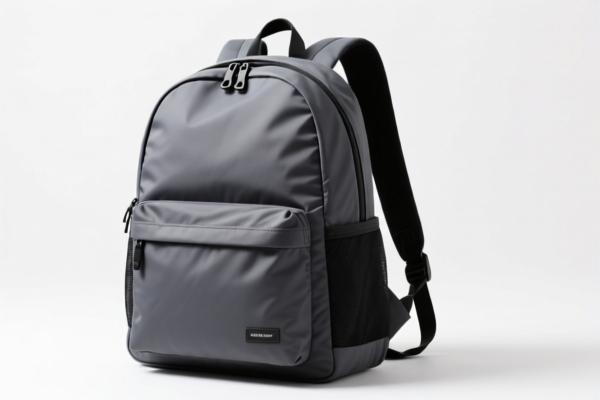
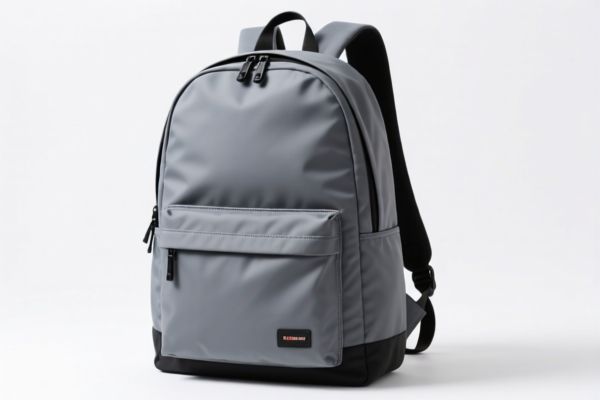
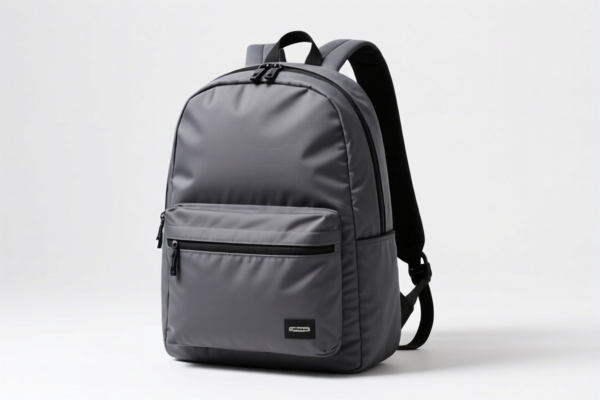

AI Analysis
🎒 Polyester Outdoor Bag: HS Code Classification & Customs Clearance Strategy
🌐 HS Code Reference & Customs Clearance Guide | 2024/2025 Tariff Analysis | Professional Clearance Strategy 📌 I. Product Definition & Classification: Is it "Plastic" or "Textile"?
The Polyester Outdoor Bag sits at a critical crossroads in international trade classification. It can be classified either as a plastic/synthetic resin article (Chapter 39) or as a travel/sporting bag (Chapter 42). The distinction hinges on the material composition and the primary function defined by customs authorities.
Key Classification Dilemma: * Option A (Plastic/Resin Route): If the bag is viewed primarily as a container made of synthetic resin materials (where the fabric structure is secondary or considered part of the plastic article), it falls under Chapter 39. * Option B (Textile/Bag Route): If the bag is viewed primarily as a manufactured article of trade, made from textile materials (polyester fabric), it falls under Chapter 42.
⚠️ Critical Distinction Point: - If the bag is a simple plastic sack or bag without complex textile lining/structure → HS Code 3926.90 - If the bag is a constructed travel/sports bag with handles, straps, zippers, and textile outer surface → HS Code 4202.92
📦 II. HS Code Classification Details (Based on Provided Data)
The following four HS Codes are the potential classifications for the Polyester Outdoor Bag, derived directly from the provided dataset.
| HS Code | Product Description & Rationale | Total Tax Rate | Tax Breakdown (Base + Surtax + Section 301/122) |
|---|---|---|---|
| 3926.90.48.00 | Plastic Article: Classified as other plastic articles made of plastic/synthetic resin. The summary indicates it falls under "Other Plastic Articles." | 13.4% | Base: 3.4% USITC Surtax: 0.0% Section 122 (301): 10.0% |
| 3926.90.33.00 | Plastic Article: Classified as other plastic articles. Rationale relies on the "plastic attribute" of polyester fibers. | 16.5% | Base: 6.5% USITC Surtax: 0.0% Section 122 (301): 10.0% |
| 4202.92.39.00 | Textile Bag: Classified as other travel/sports bags with an outer surface of textile materials. | 52.6% | Base: 17.6% USITC Surtax: 25.0% Section 122 (301): 10.0% |
| 4202.92.31.20 | Textile Bag: Classified specifically as travel/sports bags made of synthetic fiber materials. | 52.6% | Base: 17.6% USITC Surtax: 25.0% Section 122 (301): 10.0% |
🔍 Key Insight: - Chapter 39 (Plastics): Lower tax burden (13.4% - 16.5%). No USITC Section 301 surtax. Only the Section 122 (10%) applies. - Chapter 42 (Bags): High tax burden (52.6%). Includes both the Base Tariff, a significant 25% USITC Surtax, and the 10% Section 122 Tariff.
💰 III. Detailed Tariff Rate Analysis (2024/2025)
✅ Applicable Country: United States (US)
✅ Origin: China (CN)
✅ Product: Polyester Outdoor Bag
🎯 1. Classification under Chapter 39 (Plastic Articles)
A. 3926.90.48.00 – Other Plastic Articles
| Item | Detail |
|---|---|
| Base Tariff | 3.4% |
| USITC Surtax (Section 301) | 0.0% (Exempt or not applicable for this subheading) |
| Section 122 Tariff | 10.0% (Additional duty on specific Chinese goods) |
| Total Effective Rate | 13.4% |
| Tax Calculation | CIF Value × 13.4% |
| De Minimis Exemption | ❌ Not applicable for Section 122 duties in many contexts; high risk for small shipments if declared as commercial goods. |
📌 Explanation: - This classification treats the polyester bag as a plastic article rather than a textile bag. - The absence of the 25% USITC surtax makes this significantly cheaper. - However, customs may challenge this if the bag has complex textile features (zippers, woven straps, etc.), arguing it is a "bag" rather than a "plastic article."
B. 3926.90.33.00 – Other Plastic Articles (Polyester Attribute)
| Item | Detail |
|---|---|
| Base Tariff | 6.5% |
| USITC Surtax (Section 301) | 0.0% |
| Section 122 Tariff | 10.0% |
| Total Effective Rate | 16.5% |
| Tax Calculation | CIF Value × 16.5% |
| De Minimis Exemption | ❌ Not applicable. |
📌 Explanation: - Similar to above, but with a higher base rate (6.5% vs 3.4%). - Rationale: Emphasizes the "plastic attribute" of polyester fibers. - Still significantly cheaper than Chapter 42 classifications.
🎯 2. Classification under Chapter 42 (Travel/Sports Bags)
C. 4202.92.39.00 – Other Bags (Textile Material)
| Item | Detail |
|---|---|
| Base Tariff | 17.6% |
| USITC Surtax (Section 301) | +25.0% (High punitive tariff on Chinese textiles) |
| Section 122 Tariff | 10.0% |
| Total Effective Rate | 52.6% |
| Tax Calculation | CIF Value × 52.6% |
| De Minimis Exemption | ❌ Not applicable. |
📌 Explanation: - This is the standard classification for textile-made bags. - The 25% USITC surtax is the main cost driver. - Customs is more likely to apply this if the bag is clearly a "travel/sports bag" with textile components.
D. 4202.92.31.20 – Synthetic Fiber Bags
| Item | Detail |
|---|---|
| Base Tariff | 17.6% |
| USITC Surtax (Section 301) | +25.0% |
| Section 122 Tariff | 10.0% |
| Total Effective Rate | 52.6% |
| Tax Calculation | CIF Value × 52.6% |
| De Minimis Exemption | ❌ Not applicable. |
📌 Explanation: - Specific to synthetic fiber (polyester) bags. - Identical tax rate to
4202.92.39.00. - Most accurate if the bag is explicitly marketed as a "synthetic fiber sports bag."
🛠️ IV. Customs Clearance Practical Advice (Real-World Pitfalls)
✅ 1. Material Declaration & Product Description
To avoid misclassification and potential penalties, the product description must be precise.
| Scenario | Recommended Description | Risk Level |
|---|---|---|
| Attempting Chapter 39 | "Plastic Storage Container, Synthetic Resin Material, Polyester Coating" | ⚠️ High Risk if bag has zippers/straps. Customs may reclassify to Chapter 42. |
| Standard Chapter 42 | "Polyester Outdoor Sports Bag, Travel Bag, with Zipper and Shoulder Strap" | ✅ Safe but high tax. |
| Hybrid Material | "Bag with Polyester Textile Outer Surface and Plastic Components" | ⚠️ Moderate Risk. Likely Chapter 42. |
🔥 Pro Tip:
If you want to aim for Chapter 39, the bag should ideally be a simple plastic sack or pouch with minimal textile reinforcement. If it has complex stitching, webbing straps, and zippers, Chapter 42 is almost certain.
✅ 2.申报技巧 (Declaration Strategy)
🔥 Golden Rule:
"Be honest about function. If it's a bag, declare it as a bag. Do not misdeclare a textile bag as a plastic article to save 39% in taxes—that is fraud."
| Mistake | Consequence |
|---|---|
Misdeclaring 4202.92.31.20 (52.6%) as 3926.90.48.00 (13.4%) |
Heavy Penalties: 100%+ duty + fines + potential seizure. |
| Inconsistent material description (e.g., "Plastic Bag" but photos show fabric) | Delay: Customs inspection required. |
| Missing Section 301/122 disclosure | Audit Risk: Back taxes + interest. |
✅ 3. Special Considerations
| Situation | Advice |
|---|---|
| OEM/Custom Bags | Provide design specs showing material layers. If >50% of value is textile, Chapter 42 is likely. |
| Small Samples | Check if de minimis (Section 321) applies for shipments < $800. Note: Section 301/122 duties may still apply depending on current regulations. |
| Origin Marking | Ensure "Made in China" is clearly marked. Essential for Section 122 and 301 applicability. |
| Pre-Ruling | For large volumes, apply for an Advance Ruling from CBP to confirm whether the bag is classified under Ch. 39 or Ch. 42. |
🌍 V. Global Market Comparison (Quick View)
| Market | Likely HS Code | Est. Duty Rate | Notes |
|---|---|---|---|
| 🇺🇸 USA | 4202.92.31.20 or 3926.90.48.00 |
13.4% - 52.6% | Section 301 (25%) + Section 122 (10%) apply. |
| 🇪🇺 EU | 4202.92.90 |
~4% - 6% | No Section 301/122. Standard MFN rate. |
| 🇨🇳 China | 4202.92.90 |
~10% - 15% | Import tariff only. |
| 🇬🇧 UK | 4202.92.90 |
~4% - 12% | Post-Brexit tariffs. |
📌 Conclusion:
The US market is the most challenging due to the 25% USITC surtax and 10% Section 122 tariff on Chinese textile/plastic goods.
- Best Case Scenario (Chapter 39): 13.4% total tax.
- Worst Case Scenario (Chapter 42): 52.6% total tax.
📌 VI. Common Errors & Pitfalls (Blood & Tears)
❌ Error 1: Declaring a textile bag as a "Plastic Sack" to avoid the 25% surtax.
👉 Result: Customs inspection, reclassification, back taxes, and fines.
❌ Error 2: Ignoring Section 122 duties.
👉 Result: Even if Chapter 39 is accepted, the 10% Section 122 tariff still applies to most Chinese goods.
❌ Error 3: Vague product description ("Bag").
👉 Result: Customs uses the worst-case scenario for valuation and classification.
✅ Correct Approach:
Provide detailed specs: Material composition (% polyester, % plastic components), construction method (woven, non-woven, molded), and intended use (hiking, travel, gym).
Consult a Customs Broker: Especially for high-value shipments.
🎯 VII. Final Recommendation
🎯 For Maximum Cost Efficiency (if compliant):
If the bag can be legitimately classified under Chapter 39 (e.g., simple plastic-coated bags, minimal textile structure), target 3926.90.48.00 for a 13.4% tax rate.
🎯 For Standard Compliance:
If the bag is a typical outdoor sports bag with straps, zippers, and fabric, prepare for Chapter 42. Target 4202.92.31.20 or 4202.92.39.00 with a 52.6% tax rate.
💡 Strategic Tip:
Consider supply chain diversification. If the final destination is the US, producing bags in Vietnam, Thailand, or Mexico may allow you to avoid the 25% USITC surtax and potentially the 10% Section 122 tariff, significantly reducing costs.
📣 Immediate Action:
📞 Engage a Customs Broker to review your product samples.
📋 Request an Advance Ruling if shipping large volumes.
🚀 Optimize your HS Code selection to ensure compliance and cost-effectiveness.
✨ Precise Classification = Predictable Costs
💼 Don't let misclassification eat your margins!
Customer Reviews
About HS Code Classification
The Harmonized System (HS) is an internationally standardized nomenclature developed by the World Customs Organization (WCO) to classify traded products. Over 200 countries use the HS system as the basis for customs tariffs, trade statistics, and import/export regulations.
Each HS code follows a hierarchical structure:
- Chapter (2 digits) — Broad category of goods (e.g., Chapter 84: Machinery and Mechanical Appliances)
- Heading (4 digits) — More specific grouping within the chapter
- Subheading (6 digits) — Internationally standardized breakdown, used by all WCO member countries
- National subdivisions (8-10 digits) — Country-specific extensions for further classification, such as US HTSUS 10-digit codes
Correct HS code classification is essential for smooth customs clearance, accurate duty payment, and compliance with trade regulations. Misclassification can lead to customs delays, overpayment of duties, or penalties.
When importing from CN to US, the applicable tariff rates may include:
- Most-Favored-Nation (MFN) rate — The standard duty rate applied to WTO members
- General rate — Applied to countries without trade agreements
- Trade remedy duties — Additional tariffs such as Section 301 (anti-dumping), Section 232 (national security), or countervailing duties
The information provided on this page is for reference purposes only. For official classification, please consult with your local customs authority or a licensed customs broker.