Polyester Plasticizer Compound
CN → US| HS编码 | 关税税率 | 原产国 | 目的国 | 文档 |
|---|---|---|---|---|
| 3824994900 | 41.5% | CN | US | 官方文档 |
| 3824992100 | 35.0% | CN | US | 官方文档 |
| 2917122000 | 41.5% | CN | US | 官方文档 |
| 2917197020 | 14.0% | CN | US | 官方文档 |
商品图片
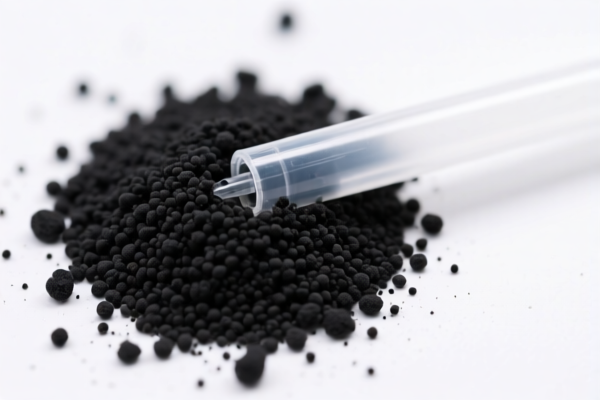
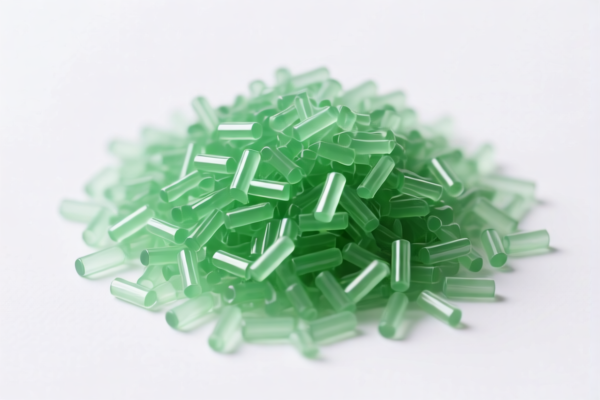
AI分析
🧪 Polyester Plasticizer Compound
🌐 HS Code Reference & Customs Clearance Guide | 2026 Latest Tariff Analysis | Professional Entry Strategy
📌 Part 1: Product Definition & Classification: What Exactly is a "Plasticizer Compound"?
A Polyester Plasticizer Compound is a specialized chemical mixture used primarily as a softening agent in the production of plastics, particularly PVC (Polyvinyl Chloride). In international trade, its classification is strictly dependent on its chemical composition and primary function. It is not a single HS code but falls into different categories based on whether it is defined as a general chemical preparation or a specific derivative of polycarboxylic acids.
⚠️ Key Classification Distinction:
- If the compound is considered a general chemical preparation containing hydrocarbons or other organic components without specific structural definition → It falls under Chapter 38.
- If the compound is chemically defined as a derivative of polycarboxylic acids (such as adipates or sebacates) used specifically as plasticizers → It may fall under Chapter 29 (Organic Chemicals).
📦 Part 2: HS Code Classification Details (2026 Latest Tariff Authority Cross-Reference)
| HS Code | Product Description | Application Scenario | Chemical Attribute |
|---|---|---|---|
3824.99.49.00 |
Plasticizer Compound, chemical industry preparation, material contains hydrocarbons or organic chemical components. | General plastic softening agents, mixed formulations. | Chapter 38: Miscellaneous Chemical Products |
3824.99.21.00 |
Plasticizer Compound, chemical product, fits description of chemical products and preparations under 3824.99. | Specific chemical preparations not elsewhere specified. | Chapter 38: Miscellaneous Chemical Products |
2917.12.20.00 |
Plasticizer Compound, function consistent with plasticizers, compound is a chemical substance, fits polycarboxylic acid derivatives material attribute. | Adipate-based plasticizers, specific organic acid derivatives. | Chapter 29: Organic Chemicals (Polycarboxylic Acids) |
2917.19.70.20 |
Plasticizer Compound, function consistent with plasticizers, compound fits chemical attribute description of aliphatic polycarboxylic acid derivatives. | Specific aliphatic acid derivatives, often lower tax base. | Chapter 29: Organic Chemicals (Other Polycarboxylic Acids) |
🔍 Important Reminder:
- Chapter 38 Codes (3824...) treat the product as a preparation/formulation. This is common for complex mixtures.
- Chapter 29 Codes (2917...) treat the product as a specific chemical substance (derivative of acid). This requires precise chemical composition disclosure.
- Misclassification between Chapter 38 and 29 can lead to significant duty differences due to the Section 301 (Add-on Tariff) variations.
💰 Part 3: 2026 Latest Tariff Rate Breakdown (Including Surcharges & Policy Add-ons)
✅ Applicable Country: United States (US)
✅ Origin: China (CN)
✅ Effective Time: 2025 November 10 onwards (for subsequent imports)
🎯 1. 3824.99.49.00 —— Plasticizer Compound (General Chemical Preparation)
| Item | Content |
|---|---|
| Base Tariff | 6.5% (ad valorem) |
| Section 301 Surtax | +25.0% (Additional Tariff under US Trade Law Section 301) |
| Section 122 Tariff | +10.0% (Specific trade remedy tariff) |
| Total Tariff | 41.5% |
| Tax Calculation | CIF Value × 41.5% |
| De Minimis Eligibility | ❌ Not Eligible (deny_de_minimis) |
| Legal Basis Path | USITC:3824.99.49.00 → Section 301: +25% → Section 122: +10% |
📌 Explanation:
- The Base Tariff (6.5%) is standard for miscellaneous chemical preparations.
- The 25% Surtax is the heavy Section 301 tariff applied to many Chinese chemical products.
- The 10% Section 122 Tariff is an additional layer for certain chemical imports.
- Total 41.5% is a high-cost barrier. Accurate classification is vital to avoid overpayment, but also to avoid penalties for under-declaration.
🎯 2. 3824.99.21.00 —— Plasticizer Compound (Specific Chemical Preparation)
| Item | Content |
|---|---|
| Base Tariff | 0.0% (ad valorem) |
| Section 301 Surtax | +25.0% (Additional Tariff under US Trade Law Section 301) |
| Section 122 Tariff | +10.0% (Specific trade remedy tariff) |
| Total Tariff | 35.0% |
| Tax Calculation | CIF Value × 35.0% |
| De Minimis Eligibility | ❌ Not Eligible (deny_de_minimis) |
| Legal Basis Path | USITC:3824.99.21.00 → Section 301: +25% → Section 122: +10% |
📌 Note:
- Savings Alert: Compared to3824.99.49.00, this code saves 6.5% on the base tariff.
- However, it still suffers the full 25% + 10% surcharges.
- Applicable if the product is specifically described as a chemical preparation under 3824.21.
🎯 3. 2917.12.20.00 —— Plasticizer Compound (Polycarboxylic Acid Derivative)
| Item | Content |
|---|---|
| Base Tariff | 6.5% (ad valorem) |
| Section 301 Surtax | +25.0% (Additional Tariff under US Trade Law Section 301) |
| Section 122 Tariff | +10.0% (Specific trade remedy tariff) |
| Total Tariff | 41.5% |
| Tax Calculation | CIF Value × 41.5% |
| De Minimis Eligibility | ❌ Not Eligible (deny_de_minimis) |
| Legal Basis Path | USITC:2917.12.20.00 → Section 301: +25% → Section 122: +10% |
📌 Explanation:
- Falls under Chapter 29 as an organic chemical.
- Base tariff matches3824.99.49.00.
- Same high surcharge burden. Suitable if the product is chemically defined as a specific adipate or similar derivative.
🎯 4. 2917.19.70.20 —— Plasticizer Compound (Aliphatic Polycarboxylic Acid Derivative)
| Item | Content |
|---|---|
| Base Tariff | 4.0% (ad valorem) |
| Section 301 Surtax | 0.0% (No Section 301 tariff applied to this specific subheading) |
| Section 122 Tariff | +10.0% (Specific trade remedy tariff) |
| Total Tariff | 14.0% |
| Tax Calculation | CIF Value × 14.0% |
| De Minimis Eligibility | ❌ Not Eligible (deny_de_minimis) |
| Legal Basis Path | USITC:2917.19.70.20 → Section 122: +10% |
📌 Crucial Insight:
- This is the LOWEST TARIFF CODE in the dataset.
- Why? It avoids the 25% Section 301 tariff entirely.
- Condition: The product MUST be strictly defined as an "aliphatic polycarboxylic acid derivative" under 2917.19.70.20. If customs determines it is a "preparation" (Chapter 38) or a different derivative, you risk penalties and back-taxes.
- Potential Savings: Compared to the 41.5% rate, this saves 27.5% on the total duty. This is a critical optimization opportunity for compliant shipments.
🛠️ Part 4: Customs Clearance Practical Advice (Combat Pit-Avoidance Guide)
✅ 1. Required Documentation Checklist (Non-negotiable)
| Document | Mandatory | Explanation |
|---|---|---|
| ✅ Certificate of Analysis (COA) | ✔️ | Must detail chemical composition (e.g., % of adipic acid derivatives). Essential for Chapter 29 classification. |
| ✅ Formula/Composition Sheet | ✔️ | Breakdown of all components. Distinguish between "mixture" (Ch 38) and "pure derivative" (Ch 29). |
| ✅ Product Photos (Label & Bulk) | ✔️ | Show packaging, hazard symbols, and chemical name. |
| ✅ Commercial Invoice | ✔️ | Must state: "Polyester Plasticizer Compound, Chemical Derivative, Not for Human Consumption." |
| ✅ Free Sale Certificate | ✔️ | Optional but helpful for proving industrial use. |
✅ 2. Declaration Strategy (Key Mantra)
🔥 “Know Your Chemistry: Derivative Saves Tax, Preparation Pays More!”
| Scenario | Correct Declaration | Wrong Approach |
|---|---|---|
| Product is a complex mixture of various esters | 3824.99.49.00 or 3824.99.21.00 |
Claiming 2917.19.70.20 without proof → Penalty + Back Duties |
| Product is a specific adipate/sebacate derivative | 2917.19.70.20 |
Declaring as 3824... → Overpaying by ~27.5% |
| Product is a "Plasticizer" generic term | Require COA to determine actual chemical nature | Guessing HS Code → Customs Audit Risk |
✅ 3. Special Handling Cases
| Case | Handling Advice |
|---|---|
| OEM/Private Label | Ensure the chemical name on the label matches the COA exactly. Mismatches cause delays. |
| Blended Shipment | If multiple plasticizers are mixed, the primary chemical function determines classification. Document the dominant component. |
| Dispute on Section 301 Exclusion | 2917.19.70.20 is excluded from 301. If customs challenges this, provide chemical structure diagrams and CAS numbers to prove it fits the subheading. |
| Section 122 Applicability | Note that all codes listed still bear the 10% Section 122 tariff. No exemption here. |
🌍 Part 5: Global Market Comparison (2026 Latest)
| Country/Region | Recommended HS Code | Total Tariff (China Origin) | Certification Req. | Notes |
|---|---|---|---|---|
| 🇺🇸 USA | 2917.19.70.20 (If applicable) |
14.0% | None specific for chemical entry | High potential for cost saving vs. Ch 38 |
| 🇺🇸 USA | 3824.99.49.00 (General) |
41.5% | None specific | Default if chemical structure is ambiguous |
| 🇨🇳 China | 3824.99.49.00 / 2917.19.70.20 |
0% - 5% | None | Import duty is low, but VAT applies |
| 🇪🇺 EU | 3824.99.98 / 2917.19.99 |
~5% | REACH Registration | REACH compliance is mandatory for chemicals |
| 🇯🇵 Japan | 3824.99.900 / 2917.19.900 |
0% - 4% | FSC (if hazardous) | Often exempt for industrial chemicals |
📌 Conclusion:
- USA is the most complex market due to layered tariffs (Base + 301 + 122).
- Chapter 29 (2917...) offers the best cost efficiency IF the product chemistry strictly qualifies.
- EU and Japan have much simpler and lower tariff structures, focusing more on regulatory compliance (REACH, FSC).
📌 Part 6: Common Errors & Pitfall Guide (Blood & Tears Lessons)
❌ Error 1: Using "Plasticizer" as the sole description without chemical details.
👉 Consequence: Customs defaults to the highest duty or holds cargo for classification review.
❌ Error 2: Claiming 2917.19.70.20 for a generic mixed compound to save tax.
👉 Consequence: Customs audit → Back-taxes of ~27.5% + Penalties + Potential seizure.
❌ Error 3: Ignoring Section 122 Tariff.
👉 Consequence: Under-declaration of duties. Even "tax-free" base tariffs still face 10% Section 122.
❌ Error 4: Failing to provide CAS Number or Chemical Structure.
👉 Consequence: Unable to verify Chapter 29 eligibility. Forced into Chapter 38 (higher tax).
✅ Correct Approach:
"Aliphatic Polycarboxylic Acid Derivative, Polyester Plasticizer, CAS #XXXX-XX-X, No Section 301 Applicable, 100% Pure Chemical Compound"
🎯 Part 7: Conclusion: Precise Classification Saves Millions!
🎯 Remember the Mantra:
🔹 "If it's a specific derivative, go Chapter 29: 14% Total. If it's a mix, Chapter 38: 35-41% Total."
🔹 "Chemical Proof is King: COA and CAS Numbers determine your tax fate."
🔹 "Section 122 is Universal: 10% on ALL codes here. Don't forget it."
📌 Pro Tip:
For
2917.19.70.20, ensure your COA explicitly states "Aliphatic Polycarboxylic Acid Derivative." If you can provide this, you save 27.5% compared to the standard Chapter 38 codes. This is worth the effort of precise chemical documentation.
📣 Immediate Action:
📞 Consult your chemical supplier for the exact CAS number and chemical structure.
📄 Prepare a detailed Composition Sheet.
🚀 Apply for an Advance Ruling if the shipment value is high.Your profit margin depends on this 10-digit code. Get it right!
✨ Professional Clearance Starts with Accurate Chemistry!
💼 Every percent of duty saved is pure profit.
用户评价
关于 HS 编码归类
协调制度(HS)是由世界海关组织(WCO)制定的国际贸易商品分类标准。全球 200 多个国家采用 HS 系统作为海关关税、贸易统计和进出口监管的基础。
每个 HS 编码遵循以下层级结构:
- 章(2 位)——商品大类(例如:第 84 章:机器和机械设备)
- 品目(4 位)——章内的更具体分类
- 子目(6 位)——国际通用细分,所有 WCO 成员国统一使用
- 本国细分(8-10 位)——各国自行扩展的细分编码,如美国 HTSUS 10 位编码
正确的 HS 编码归类对于顺利通关、准确缴纳关税和遵守贸易法规至关重要。错误归类可能导致海关延误、多缴关税或罚款。
从CN进口到US时,适用的关税税率可能包括:
- 最惠国(MFN)税率——适用于 WTO 成员国的标准关税税率
- 普通税率——适用于无贸易协定国家
- 贸易救济关税——附加关税,如 301 条款(反倾销)、232 条款(国家安全)或反补贴税
本页内容仅供参考。如需正式归类,请咨询当地海关或持牌报关代理。