Polyester Staple Fiber Multi strand Non retail Yarn
CN → US| HS编码 | 关税税率 | 原产国 | 目的国 | 文档 |
|---|---|---|---|---|
| 5510902000 | 44.0% | CN | US | 官方文档 |
| 5510904000 | 45.6% | CN | US | 官方文档 |
| 5509530030 | 48.2% | CN | US | 官方文档 |
| 5402620000 | 42.5% | CN | US | 官方文档 |
| 5509220010 | 45.6% | CN | US | 官方文档 |
商品图片
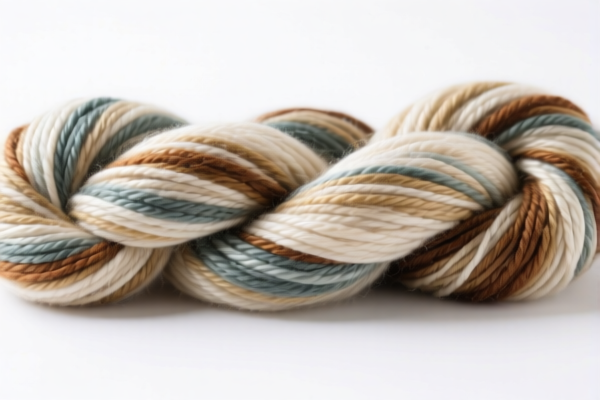
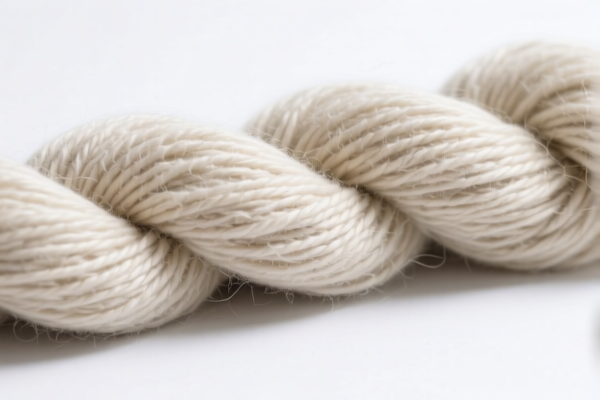
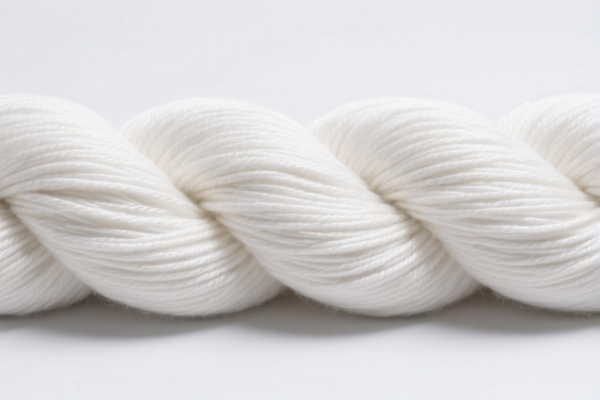
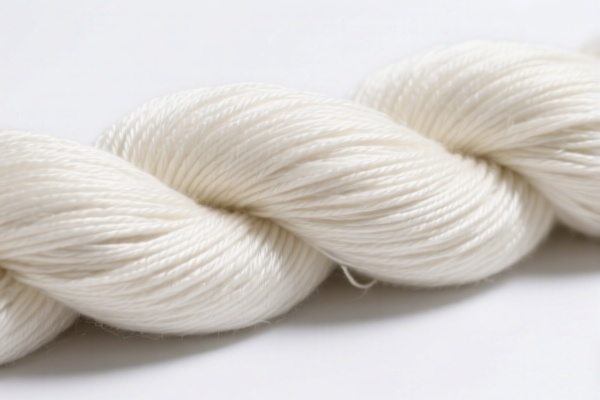
AI分析
🧵 Polyester Staple Fiber Multi-Strand Non-Retail Yarn (涤纶短纤混纺纱线)
🌐 HS Code Reference & Customs Clearance Guide | 2026 Latest Tariff Breakdown | Professional Level Clearance Strategy
📌 I. Product Definition & Classification: Do You Really Understand "Polyester Yarn"?
Polyester Staple Fiber Yarn is the fundamental raw material for textiles, widely used in weaving, knitting, and industrial applications. In international trade, it is strictly categorized based on its physical form (staple vs. filament), structure (single vs. multi-strand/twisted), and packaging (retail vs. non-retail).
Key Distinctions for Classification: 1. Material Type: Is it pure polyester or blended? (Note: The provided data labels all items as "混纺" [Blended] or "聚酯" [Polyester], implying specific compositional thresholds). 2. Form: Is it Staple Fiber (short fibers spun into yarn) or Filament (continuous long fibers)? 3. Structure: Is it a single strand or Multi-strand/Twisted (plied)? 4. Packaging: Is it for Non-Retail (industrial bobbins/creels) or Retail? (All data points specify Non-Retail).
⚠️ Critical Classification Nuance:
- If the yarn is made from short polyester fibers spun together, it falls under Chapter 55.
- If the yarn is made from continuous filament, it falls under Chapter 54.
- Multi-strand/Plied yarns made from staple fibers are specifically covered under 5509.
- Blended yarns (with other synthetics) fall under 5510.
- Filament yarns (even if twisted) fall under 5402.
📦 II. HS Code Classification Details (2026 Latest Tariff Authority Comparison)
Based on the provided data, here are the 5 specific HS Codes and their corresponding tax liabilities for imports from China to the US.
| HS Code | Product Description | Key Characteristics | Total Tax Rate |
|---|---|---|---|
5510.90.20.00 |
Polyester Staple Fiber Blended Yarn, Non-Retail | Blended synthetic short fibers, spun yarn form | 44.0% |
5510.90.40.00 |
Polyester Staple Fiber Blended Yarn, Non-Retail | Blended synthetic short fibers, spun yarn form | 45.6% |
5509.53.00.30 |
Polyester Staple Fiber Yarn, Non-Retail | Pure Polyester (Polyester main filaments/yarn definition), spun yarn | 48.2% |
5402.62.00.00 |
Polyester Yarn, Non-Retail | Filament (Polyester class), Twisted or Cable Yarn | 42.5% |
5509.22.00.10 |
Polyester Staple Fiber Multi-Strand Yarn | Pure Polyester (Polyester fiber), Synthetic short fiber, Multi-ply/Multi-strand | 45.6% |
🔍 Key Differentiators:
- 5510 vs. 5509:5510is for Blended yarns (e.g., polyester + cotton, or polyester + other synthetics).5509is for Pure polyester staple fiber yarns.
- 5509.53 vs. 5509.22: Both are pure polyester staple.5509.53is a broader category for polyester staple yarn, while5509.22specifically highlights Multi-Strand (plied) structures.
- 5402 vs. 55xx:5402is for Filament yarns (continuous), not staple. Even if twisted into "cable yarn," if it's filament, it stays in Chapter 54. This has the lowest base tariff.
💰 III. 2026 Latest Tariff Rate Breakdown (Including Additional Taxes & Policy Surcharges)
✅ Applicable Country: United States (US)
✅ Country of Origin: China (CN)
✅ Effective Date: From November 10, 2025 (including subsequent imports)
🎯 1. 5510.90.20.00 – Polyester Staple Fiber Blended Yarn (Non-Retail)
| Item | Content |
|---|---|
| Base Tariff | 9.0% (ad valorem) |
| Section 301 Tariff | +25.0% (USITC Footnote) |
| Section 122 Tariff | +10.0% (Specific Policy Surcharge) |
| Total Tax Rate | 44.0% |
| Tax Calculation | CIF Value × 44.0% |
| De Minimis Exemption | ❌ Not Applicable (deny_de_minimis) |
| Legal Basis Path | Base: 5510.90.20.00 → 301: 25% → 122: 10% |
📌 Explanation:
- 9% Base: Standard MFN tariff for blended synthetic staple yarns.
- 25% Section 301: Standard punitive tariff on Chinese goods.
- 10% Section 122: Additional surcharge applicable to specific textile categories.
- Total 44%: High cost entry; must be factored into pricing strategy.
🎯 2. 5510.90.40.00 – Polyester Staple Fiber Blended Yarn (Non-Retail)
| Item | Content |
|---|---|
| Base Tariff | 10.6% (ad valorem) |
| Section 301 Tariff | +25.0% |
| Section 122 Tariff | +10.0% |
| Total Tax Rate | 45.6% |
| Tax Calculation | CIF Value × 45.6% |
| De Minimis Exemption | ❌ Not Applicable |
| Legal Basis Path | Base: 5510.90.40.00 → 301: 25% → 122: 10% |
📌 Note:
- Slightly higher base rate (10.6%) than5510.90.20.00due to specific subheading nuances in blended compositions.
- Same punitive tariffs apply.
🎯 3. 5509.53.00.30 – Polyester Staple Fiber Yarn, Non-Retail (Pure Polyester)
| Item | Content |
|---|---|
| Base Tariff | 13.2% (ad valorem) |
| Section 301 Tariff | +25.0% |
| Section 122 Tariff | +10.0% |
| Total Tax Rate | 48.2% |
| Tax Calculation | CIF Value × 48.2% |
| De Minimis Exemption | ❌ Not Applicable |
| Legal Basis Path | Base: 5509.53.00.30 → 301: 25% → 122: 10% |
📌 Caution:
- Highest Base Tariff (13.2%) among the options.
- This code is for pure polyester staple yarn. If your product is blended, do not use this code, or you risk misclassification penalties.
- Total 48.2% is the most expensive option in the list.
🎯 4. 5402.62.00.00 – Polyester Filament Yarn, Twisted/Cable (Non-Retail)
| Item | Content |
|---|---|
| Base Tariff | 7.5% (ad valorem) |
| Section 301 Tariff | +25.0% |
| Section 122 Tariff | +10.0% |
| Total Tax Rate | 42.5% |
| Tax Calculation | CIF Value × 42.5% |
| De Minimis Exemption | ❌ Not Applicable |
| Legal Basis Path | Base: 5402.62.00.00 → 301: 25% → 122: 10% |
📌 Strategy:
- Lowest Total Tax Rate (42.5%).
- ONLY applicable if the yarn is made from continuous filaments, not staple fibers.
- If your product is staple fiber (short fibers spun), you cannot use this code. Misclassification can lead to heavy fines.
- Use this only if you can confirm the product is Filament-based, even if twisted into multi-strand/cable form.
🎯 5. 5509.22.00.10 – Polyester Staple Fiber Multi-Strand Yarn
| Item | Content |
|---|---|
| Base Tariff | 10.6% (ad valorem) |
| Section 301 Tariff | +25.0% |
| Section 122 Tariff | +10.0% |
| Total Tax Rate | 45.6% |
| Tax Calculation | CIF Value × 45.6% |
| De Minimis Exemption | ❌ Not Applicable |
| Legal Basis Path | Base: 5509.22.00.10 → 301: 25% → 122: 10% |
📌 Key Feature:
- Specifically for Multi-Strand (plied) yarns made from pure polyester staple fibers.
- If your product is "Polyester Staple Fiber Multi strand," this is likely the most accurate technical classification if it's pure polyester.
- Tax rate is identical to5510.90.40.00due to higher base tariff (10.6%) vs. the lower base tariff in5510.90.20.00.
🛠️ IV. Customs Clearance Practical Advice (Real-World Pitfall Avoidance Guide)
✅ 1. Preparation Checklist (Non-Negotiable)
| Document | Required | Explanation |
|---|---|---|
| ✅ Product Specification Sheet | ✔️ | Must clearly state: Staple vs. Filament, Composition % (if blended), Twist Level, Packaging Type. |
| ✅ Fiber Composition Analysis | ✔️ | Lab report confirming % of polyester vs. other fibers. Critical for distinguishing Chapter 54 vs. 55 and 5509 vs. 5510. |
| ✅ Photos of Yarn Spools | ✔️ | Show label, package type (non-retail bobbins), and fiber texture (helps distinguish staple from filament). |
| ✅ Commercial Invoice | ✔️ | Description must match HS Code precisely (e.g., "Polyester Staple Fiber Yarn, Multi-Strand, Non-Retail"). |
| ✅ Packing List | ✔️ | Weight per package, total packages, no retail packaging. |
✅ 2. Declaration Tips (Key Mantra)
🔥 “Staple vs. Filament is King; Blended vs. Pure is Queen; Non-Retail is Mandatory!”
| Scenario | Correct HS Code | Wrong Declaration | Consequence |
|---|---|---|---|
| Pure Polyester, Staple, Multi-Strand | 5509.22.00.10 (45.6%) |
5402.62.00.00 (42.5%) |
❌ Misclassification: Audit, fine, retroactive tax + interest. |
| Blended Polyester Staple | 5510.90.20.00 (44.0%) |
5509.53.00.30 (48.2%) |
❌ Overpayment: Pay 4.2% more than necessary. |
| Filament Yarn (Twisted) | 5402.62.00.00 (42.5%) |
5509.22.00.10 (45.6%) |
❌ Overpayment: Pay 3.1% more. |
| Retail Packaged Yarn | N/A (Different Chapter) | Any Non-Retail Code | ❌ Rejection: Goods held, must re-package or relabel. |
✅ 3. Special Situations
| Situation | Advice |
|---|---|
| OEM Custom Yarn | Provide the buyer’s spec sheet. If the composition is slightly off (e.g., 98% polyester, 2% elastane), it may still be considered polyester staple under 5509/5510 depending on weight %. Crucial: Define the threshold. |
| Mixed Bundles | If you ship both staple and filament in one container, they must be separately declared. Do not average the tax. |
| "Multi-Strand" Definition | Ensure the product is genuinely plied (twisted multiple single yarns). A single thick yarn is not "multi-strand." |
| Origin Marking | All yarn packages must be clearly marked "Made in China" to trigger the 25% + 10% surcharges. Unmarked goods may face additional scrutiny. |
🌍 V. Global Market Clearance Comparison (2026 Latest)
| Country/Region | Recommended HS Code (Est.) | Tariff (China Origin) | Certification | Notes |
|---|---|---|---|---|
| 🇺🇸 USA | 5402.62.00.00 or 5509.22.00.10 |
42.5% – 48.2% | None | High Tariff. Requires precise classification. No de minimis. |
| 🇨🇳 China | 5402.62.00 or 5509.22.00 |
0% – 5% | None | Import into China is cheap. Export is the main concern. |
| 🇪🇺 EU | 5402.62 or 5509.22 |
0% – 12% | None | No Section 301 equivalent. But anti-dumping duties may apply for polyester filaments. Check EORI. |
| 🇬🇧 UK | 5402.62 or 5509.22 |
0% – 12% | None | Post-Brexit rules. Generally lower than US tariffs. |
| 🇻🇳 Vietnam | 5402.62 or 5509.22 |
0% – 10% | None | Vietnam has free trade agreements (FTAs) with many countries. Consider transshipment? Risk of Anti-Circumvention. |
📌 Conclusion:
- USA is the highest-cost market due to Section 301 and Section 122 tariffs.
- Filament yarn (5402) is the most cost-effective if technically eligible.
- Blended staple (5510) is cheaper than Pure staple (5509) in some subheadings due to lower base tariffs.
📌 VI. Common Errors & Pitfalls (Blood & Tears Lessons)
❌ Error 1: Calling "Polyester Yarn" without specifying Staple vs. Filament.
👉 Consequence: Customs will guess. If they guess Filament (5402) but it’s Staple (5509), you pay extra. If they guess Staple but it’s Filament, you pay more base tariff. Always specify.
❌ Error 2: Assuming "Multi-Strand" automatically means 5509.22.
👉 Consequence: If it’s Blended, it goes to 5510. If it’s Filament, it goes to 5402. Structure alone doesn’t determine the HS code. Composition comes first.
❌ Error 3: Ignoring "Non-Retail" requirement.
👉 Consequence: If packaging suggests retail (small cones, consumer labels), it may be reclassified under Chapter 60 or 61, or face additional scrutiny. Use industrial bobbins.
❌ Error 4: Using 5509.53.00.30 for Blended Yarn.
👉 Consequence: 48.2% Tax. If you used 5510.90.20.00, you would pay 44.0%. Saving: 4.2% on high-volume shipments is significant.
✅ Correct Practice:
"Polyester Staple Fiber Yarn, Multi-Strand, Non-Retail, 100% Polyester, Industrial Bobbin, Model XYZ"
🎯 VII. Conclusion: Professional Declaration, Time-Saving, Cost-Effective!
🎯 Remember the Mantra:
🔹 "Filament is Cheaper (42.5%), Staple is Higher (45-48%). Blended can be Lower (44-45%). Pure Pure is Most Expensive (48.2%)."
🔹 "HS Code Determines Life or Death, 4% Difference is Thousands of Dollars, Declare One Step Wrong, Fine is Huge!"
📌 Pro Tip:
If your yarn is 100% Polyester Filament, use 5402.62.00.00 for the lowest tax (42.5%).
If it is Staple Fiber, compare 5510 (Blended) vs. 5509 (Pure). Blended (5510.90.20.00) is often cheaper (44.0%) than Pure Multi-Strand (45.6% or 48.2%).
📣 Immediate Action:
📞 Contact a professional customs broker + Provide fiber composition report + Apply for HS Code Pre-Ruling
🚀 Let your yarn pass customs smoothly, export efficiently, and maximize profits!
✨ Professional Customs Clearance Starts with Precise Classification!
💼 Every Dollar of Your Cost Deserves to Be Calculated Precisely!
用户评价
关于 HS 编码归类
协调制度(HS)是由世界海关组织(WCO)制定的国际贸易商品分类标准。全球 200 多个国家采用 HS 系统作为海关关税、贸易统计和进出口监管的基础。
每个 HS 编码遵循以下层级结构:
- 章(2 位)——商品大类(例如:第 84 章:机器和机械设备)
- 品目(4 位)——章内的更具体分类
- 子目(6 位)——国际通用细分,所有 WCO 成员国统一使用
- 本国细分(8-10 位)——各国自行扩展的细分编码,如美国 HTSUS 10 位编码
正确的 HS 编码归类对于顺利通关、准确缴纳关税和遵守贸易法规至关重要。错误归类可能导致海关延误、多缴关税或罚款。
从CN进口到US时,适用的关税税率可能包括:
- 最惠国(MFN)税率——适用于 WTO 成员国的标准关税税率
- 普通税率——适用于无贸易协定国家
- 贸易救济关税——附加关税,如 301 条款(反倾销)、232 条款(国家安全)或反补贴税
本页内容仅供参考。如需正式归类,请咨询当地海关或持牌报关代理。