Polyester Waterproof Backpack
CN → US| HS编码 | 关税税率 | 原产国 | 目的国 | 文档 |
|---|---|---|---|---|
| 3926904800 | 13.4% | CN | US | 官方文档 |
| 3926903300 | 16.5% | CN | US | 官方文档 |
| 4202923900 | 52.6% | CN | US | 官方文档 |
| 4202923120 | 52.6% | CN | US | 官方文档 |
商品图片
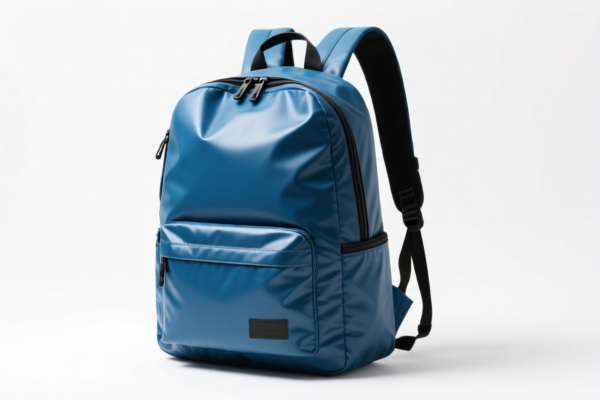
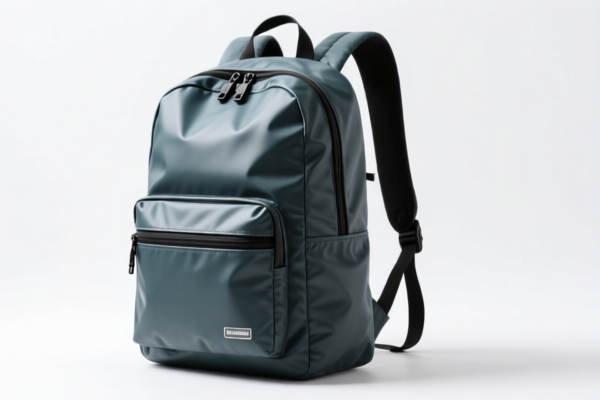
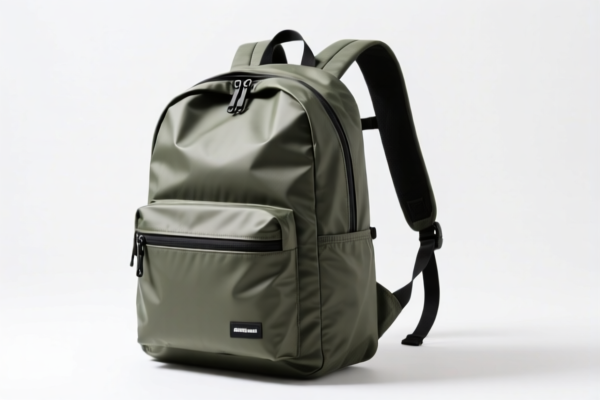
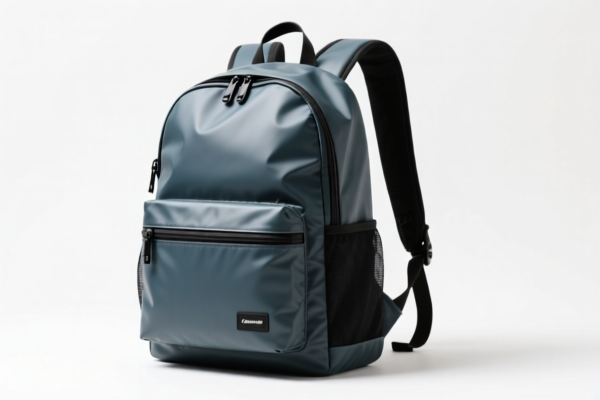
AI分析
🎒 Polyester Waterproof Backpack (聚酯防水背包)
🌐 HS Code Reference & Customs Clearance Guide | 2026 Latest Tariff Analysis | Professional Strategy
📌 Part 1: Product Definition & Classification: What Exactly Is a "Polyester Backpack"?
A Polyester Waterproof Backpack is a versatile carrying bag made from synthetic polymer fibers. In international trade, its classification depends heavily on the primary material of its outer surface and its intended use.
Key Distinction: 1. Plastic/Resin Article (Chapter 39): If the "polyester" refers to a rigid or semi-rigid plastic container, or if the product is considered a general plastic item rather than a textile bag, it falls under Chapter 39. 2. Textile Bag (Chapter 42): If the outer surface is made of woven or non-woven polyester fabric (textile), it is classified as a bag of textile materials, regardless of internal waterproof coatings or linings.
⚠️ Critical Classification Point:
- If the outer layer is woven/non-woven polyester fabric → Chapter 42 (Textiles)
- If the outer layer is solid plastic/resin or treated as a general plastic good → Chapter 39 (Plastics)
📦 Part 2: HS Code Classification Details (Latest 2026 Tariff Data)
Based on the provided data, here are the four possible HS Code classifications, ranging from low-duty plastic items to high-duty textile bags with significant trade penalties.
| HS Code | Product Description & Rationale | Applicable Scenario | Primary Material Classification |
|---|---|---|---|
3926.90.48.00 |
Other Plastic Articles: Polyester fibers considered as plastic/resin products; backpacks as other plastic finished goods. | General plastic items, non-textile interpretation. | ✅ Plastic/Resin |
3926.90.33.00 |
Other Plastic Articles: Polyester fibers categorized under polyester plastic articles; form is other plastic products. | Specific polyester plastic molds/components. | ✅ Plastic/Resin |
4202.92.39.00 |
Bag of Textile Materials: Polyester inferred as textile material; backpack fits "travel/sports bag with textile outer surface." | Standard polyester fabric backpacks. | ✅ Textile |
4202.92.31.20 |
Bag of Textile Materials: Backpack form; polyester fibers are synthetic fibers; fits travel/sports bag requirements. | Standard polyester fabric backpacks (specific sub-category). | ✅ Textile |
🔍 Important Note:
- Chapter 39 (HS 3926): Treats the product as a plastic article. This is rare for standard soft backpacks unless they are rigid containers or explicitly classified as plastic goods by local customs.
- Chapter 42 (HS 4202): Treats the product as a textile bag. This is the most common classification for fabric backpacks.
- Tax Disparity: The difference between Chapter 39 and Chapter 42 is massive due to Section 301 (Section 122) tariffs and Additional Duties.
💰 Part 3: 2026 Tariff Rate Breakdown (Including Surcharges & Policy Add-ons)
✅ Applicable Country: United States (US)
✅ Origin: China (CN)
✅ Effective Time: Current regulations including Section 301 and IEEPA penalties
🎯 1. 3926.90.48.00 & 3926.90.33.00 —— Plastic Articles (Low Duty)
| Item | Content |
|---|---|
| Base Tariff | 3.4% - 6.5% |
| Additional Tariff (Section 301) | 0.0% |
| Section 122 Tariff | 10% |
| Total Tariff Rate | 13.4% (for 3926.90.48.00) 16.5% (for 3926.90.33.00) |
| Tax Calculation | CIF Value × (13.4% or 16.5%) |
| De Minimis Exemption | ⚠️ Check Local Rules: Usually, Section 301 tariffs apply to de minimis, but Section 122 rules vary. Assume NO exemption for safety. |
| Legal Basis | 3926.90.48.00 → Base: 3.4% + 122: 10% |
📌 Explanation:
- Base Tariff: Low because it's classified as a general plastic item.
- Section 122: A 10% surcharge often applied to certain plastic goods.
- No Section 301: The data indicates 0% Additional Tariff, making this the cheapest option if correctly classified.
- ⚠️ Risk: Classifying a fabric backpack as "plastic" may be challenged by customs if the outer surface is clearly textile.
🎯 2. 4202.92.39.00 & 4202.92.31.20 —— Textile Bags (High Duty)
| Item | Content |
|---|---|
| Base Tariff | 17.6% |
| Additional Tariff (Section 301) | 25.0% |
| Section 122 Tariff | 10% |
| Total Tariff Rate | 52.6% |
| Tax Calculation | CIF Value × 52.6% |
| De Minimis Exemption | ❌ NOT Eligible (denied) |
| Legal Basis | 4202.92.39.00 → Base: 17.6% + 301: 25% + 122: 10% |
📌 Explanation:
- Base Tariff: Standard duty for textile bags.
- Section 301 (25%): The huge penalty on Chinese textiles.
- Section 122 (10%): Additional surcharge.
- Total 52.6%: This is a very high duty, significantly impacting profit margins.
- Note: Both4202.92.39.00and4202.92.31.20have the same total rate (52.6%).
🛠️ Part 4: Customs Clearance Practical Advice (Avoid Pitfalls)
✅ 1. Preparation Checklist (No Compromise)
| Document | Required | Reason |
|---|---|---|
| ✅ Product Photos | ✔️ | Must clearly show the outer surface material (fabric vs. plastic). |
| ✅ Material Composition Certificate | ✔️ | Specify: "Outer: 100% Polyester Woven Fabric," "Lining: Polyester," "Waterproof Coating: PU." |
| ✅ Commercial Invoice | ✔️ | Clearly state: "Polyester Backpack, Textile Outer Surface." |
| ✅ Bill of Lading/Packing List | ✔️ | Match descriptions precisely. |
| ✅ Proof of Non-Plastic Classification | ✔️ | If claiming HS 3926, provide evidence that it's not a textile bag. |
✅ 2. Declaration Strategy (Critical Rules)
🔥 Golden Rule: "If it's made of fabric, it's Chapter 42. Don't try to force it into Chapter 39 unless it's rigid plastic."
| Scenario | Correct Declaration | Risk if Wrong |
|---|---|---|
| Standard Fabric Backpack | 4202.92.39.00 or 4202.92.31.20 |
Low risk, but 52.6% duty. |
| Rigid Plastic Case/Briefcase | 3926.90.48.00 |
13.4% duty (Savings!). |
| Hybrid (Fabric + Plastic Hardware) | 4202.92.39.00 |
Duty applies to whole bag (textile prevails). |
| "Waterproof" Claim | N/A | Does not change classification. A waterproof fabric bag is still Chapter 42. |
⚠️ Warning:
- Do NOT declare a fabric backpack as3926.90.48.00to save taxes. Customs will likely reject it based on the outer material, leading to penalties, delays, and retroactive duties.
- Do NOT ignore the 25% Section 301 tariff if you choose Chapter 42. It is mandatory.
✅ 3. Special Cases
| Situation | Handling Advice |
|---|---|
| OEM Custom Backpacks | Provide design specs showing material composition. |
| Waterproofing Treatment | Mention "PU Coating" or "DWR Finish" in specs, but do not claim it makes it a "plastic article." |
| Small Samples (De Minimis) | High Risk: Even under $800, Section 301 and Section 122 tariffs may still apply. Assume tax applies. |
| Re-export/Transshipment | If goods are shipped via third countries, ensure origin certification is clear to avoid misdeclaration. |
🌍 Part 5: Global Market Comparison (2026)
| Country/Region | Recommended HS Code | Total Duty Rate | Key Requirement |
|---|---|---|---|
| 🇺🇸 USA | 4202.92.39.00 |
52.6% | High tariffs due to 301 + 122. |
| 🇺🇸 USA (Plastic Claim) | 3926.90.48.00 |
13.4% | Only if truly plastic. High audit risk. |
| 🇨🇳 China | 4202.92.39.00 |
~8-10% | Lower import duty for domestic sales. |
| 🇪🇺 EU | 4202.92.91 |
~4-12% | Depends on exact textile type. No Section 301. |
| 🇬🇧 UK | 4202.92.99 |
~12% | Post-Brexit tariffs apply. |
📌 Conclusion:
- The US market is the most expensive due to 52.6% effective duty for textile backpacks.
- Consider supply chain diversification (e.g., manufacturing in Vietnam/Mexico) to avoid Section 301 tariffs if possible.
- Pre-ruling: Apply for a binding tariff information (BTI) or pre-classification ruling from US CBP to confirm the HS code before shipping large volumes.
📌 Part 6: Common Mistakes & Pitfalls (Lessons Learned)
❌ Mistake 1: Declaring a fabric backpack as 3926.90.48.00 to save 39% in taxes.
👉 Consequence: Customs audit → Penalty + Back taxes + Legal fees.
❌ Mistake 2: Ignoring the 25% Section 301 tariff in cost calculations.
👉 Consequence: Unexpected 52.6% duty → Loss of profit margin.
❌ Mistake 3: Using "Waterproof" as the primary keyword for HS classification.
👉 Consequence: "Waterproof" is a feature, not a material. It doesn't change the HS code.
✅ Correct Approach:
"Polyester Backpack, 15L, Water-Resistant, Outer Material: 100% Polyester Woven Fabric, Lining: Polyester. HS Code: 4202.92.39.00."
🎯 Part 7: Final Recommendations for Cost Optimization
- Verify Material: Ensure the outer surface is truly polyester fabric. If it's a plastic shell, use
3926.90.48.00for 13.4% duty. - Calculate Total Landed Cost: Include 52.6% duty for Chapter 42 items.
Example: $100 backpack → $52.60 duty → $152.60 landed cost. - Explore Duty Mitigation:
- Section 301 Exclusions: Check if your specific HS code is eligible for any exclusions (rare for backpacks).
- Third-Country Sourcing: Manufacture in countries not subject to Section 301 (e.g., Vietnam, India) to reduce duty to ~17.6% (Base only).
- Apply for Pre-Ruling: Submit a binding ruling request to US CBP to confirm your HS code and avoid post-import disputes.
📣 Take Action Now:
📞 Contact a licensed customs broker to verify your product's material composition.
📄 Request a Tariff Ruling from CBP if shipping large volumes.
🚀 Optimize your supply chain to mitigate high US tariffs.
✨ Professional clearance starts with accurate classification!
💼 Every percentage point of duty counts – protect your profits!
用户评价
关于 HS 编码归类
协调制度(HS)是由世界海关组织(WCO)制定的国际贸易商品分类标准。全球 200 多个国家采用 HS 系统作为海关关税、贸易统计和进出口监管的基础。
每个 HS 编码遵循以下层级结构:
- 章(2 位)——商品大类(例如:第 84 章:机器和机械设备)
- 品目(4 位)——章内的更具体分类
- 子目(6 位)——国际通用细分,所有 WCO 成员国统一使用
- 本国细分(8-10 位)——各国自行扩展的细分编码,如美国 HTSUS 10 位编码
正确的 HS 编码归类对于顺利通关、准确缴纳关税和遵守贸易法规至关重要。错误归类可能导致海关延误、多缴关税或罚款。
从CN进口到US时,适用的关税税率可能包括:
- 最惠国(MFN)税率——适用于 WTO 成员国的标准关税税率
- 普通税率——适用于无贸易协定国家
- 贸易救济关税——附加关税,如 301 条款(反倾销)、232 条款(国家安全)或反补贴税
本页内容仅供参考。如需正式归类,请咨询当地海关或持牌报关代理。