Polyethylene Plastic Bag (Food Grade)
CN → US| HS编码 | 关税税率 | 原产国 | 目的国 | 文档 |
|---|---|---|---|---|
| 3923210095 | 38.0% | CN | US | 官方文档 |
| 3923290000 | 38.0% | CN | US | 官方文档 |
| 6113001005 | 21.3% | CN | US | 官方文档 |
| 3926201020 | 10.0% | CN | US | 官方文档 |
| 3926204010 | 16.5% | CN | US | 官方文档 |
商品图片
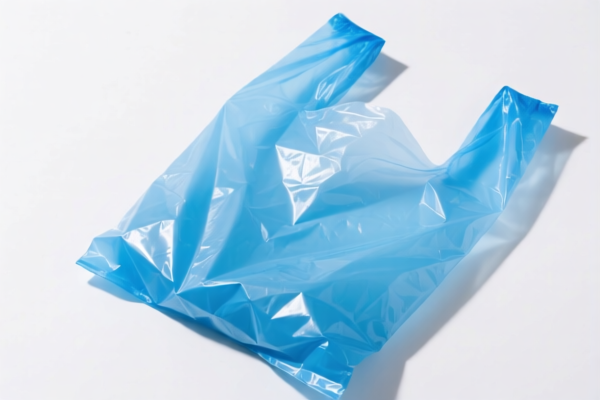
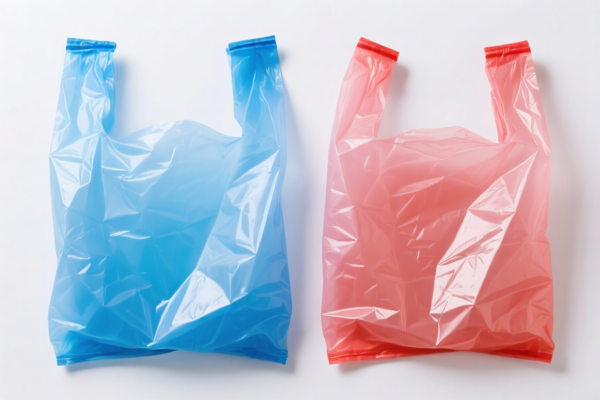
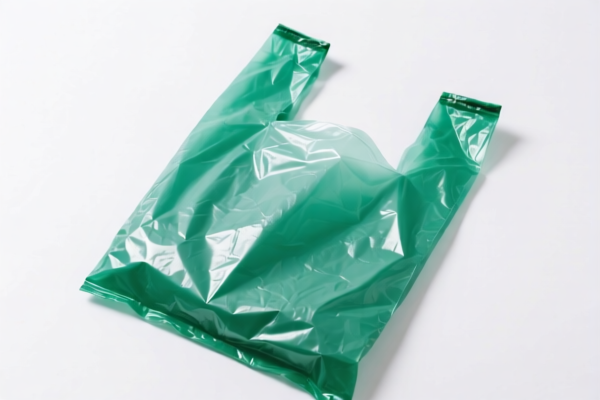
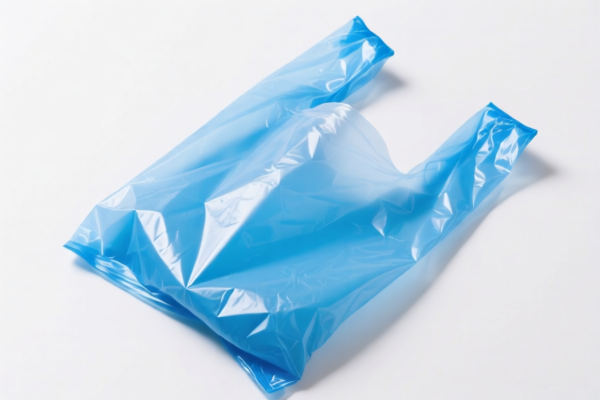
AI分析
🛍️ Polyethylene Plastic Bag (Food Grade)
🌐 HS Code Reference & Customs Clearance Guide | 2026 Latest Tariff Analysis | Professional Strategy for Plastic Packaging
📌 1. Product Definition & Classification: Is it a Bag, Apparel, or a Medical Glove?
"Polyethylene Plastic Bag (Food Grade)" seems simple, but in international trade, its classification depends heavily on material composition, form factor, and specific usage. Is it a simple storage bag? A liner for clothing? Or a specialized protective glove-like bag?
Key Classification Divergence: - Standard Packaging Bags: Made of polyethylene, used for food storage or general packing. - Apparel/Protective Gear: If the bag is structured like a garment (e.g., disposable coveralls, aprons) or includes specific apparel features. - Food-Grade Gloves/Pouches: If the "bag" is shaped like a glove or includes food-grade certification that shifts it to medical/protective gear.
⚠️ Critical Distinction: - If it is a simple flexible bag → Likely 3923 (Articles for the conveyance or packing of goods). - If it is coated/impregnated fabric shaped like apparel → Likely 6113 (Apparel impregnated with rubber/plastic). - If it is a glove-shaped protective item → Likely 3926 (Other articles of plastics).
📦 2. HS Code Classification Details (2026 Latest Tariff Authority Mapping)
Based on the provided data, here are the four potential classifications for "Polyethylene Plastic Bag (Food Grade)," each with distinct tax implications:
| HS Code | Product Description | Application Scenario | Key Classification Logic |
|---|---|---|---|
3923.21.00.95 |
Bags of polymers of ethylene (Polyethylene) | Standard food-grade PE bags, sachets, or pouches | ✅ Material + Form: Matches "Polyethylene" + "Bag". |
3923.29.00.00 |
Other bags of plastics (PE) | General plastic bags, not specifically ethylene polymers or other specified subheads | ✅ Material + Form: Broad "Plastic Bag" category. |
6113.00.10.05 |
Apparel impregnated with plastic | Disposables aprons, coveralls, or bag-like apparel made of plastic-coated fabric | ✅ Material + Use: "Plastic" + "Apparel" classification. |
3926.20.10.20 |
Plastic gloves, food-grade | Food-service gloves or glove-shaped bags | ✅ Material + Form: "Plastic" + "Apparel/Glove" form. |
3926.20.40.10 |
Other plastic apparel accessories | Miscellaneous plastic items that don't fit glove or bag definitions | ✅ Catch-all: "Other" plastic articles for apparel. |
🔍 Important Note: - 3923 codes are for packing/conveyance. If the primary function is to hold food, this is the most common choice. - 6113 and 3926 codes apply if the product is marketed as protective gear or apparel (e.g., disposable food service wearables). - Food Grade is an attribute, not a classifier. It does not automatically shift the HS code but may require additional documentation.
💰 3. 2026 Latest Tariff Rate Breakdown (Including Surcharges)
✅ Applicable Country: United States (US)
✅ Origin: China (CN)
✅ Effective Date: 2025/2026 Import Period
🎯 1. 3923.21.00.95 & 3923.29.00.00 —— Standard Plastic Bags (Packaging)
| Item | Detail |
|---|---|
| Base Tariff | 3.0% |
| Section 301 Surcharge | +25.0% |
| IEEPA Surcharge | +10.0% |
| Total Tariff Rate | 38.0% |
| Tax Calculation | CIF Value × 38% |
| De Minimis Exemption | ❌ Not Eligible (Denied under current IEEPA/301 rules for Chinese origin plastics) |
| Legal Reference Path | IEEPA:9903.01.24 → USITC:3923.21.00.95 → FOOTNOTE:3923.21 |
📌 Explanation: - The 38% total rate is high due to the combination of the base tariff and two surcharges (25% from Section 301, 10% from IEEPA). - This is the most likely classification for standard food-grade PE bags used for packing.
🎯 2. 6113.00.10.05 —— Plastic-Impregnated Apparel
| Item | Detail |
|---|---|
| Base Tariff | 3.8% |
| Section 301 Surcharge | +7.5% |
| IEEPA Surcharge | +10.0% |
| Total Tariff Rate | 21.3% |
| Tax Calculation | CIF Value × 21.3% |
| De Minimis Exemption | ❌ Not Eligible |
| Legal Reference Path | IEEPA:9903.01.24 → USITC:6113.00.10.05 |
📌 Explanation: - If the product is classified as apparel (e.g., disposable aprons or coveralls), the tariff is lower (21.3%). - Risk: Misclassifying a simple bag as apparel to save tax can lead to customs penalties. Must prove "apparel" design/usage.
🎯 3. 3926.20.10.20 & 3926.20.40.10 —— Plastic Gloves/Other Articles
| Item | Detail |
|---|---|
| Base Tariff | 0.0% (for 3926.20.10.20) or 6.5% (for 3926.20.40.10) |
| Section 301 Surcharge | 0.0% (for 3926.20.10.20) or 0.0% (for 3926.20.40.10) |
| IEEPA Surcharge | +10.0% |
| Total Tariff Rate | 10.0% (for Gloves) or 16.5% (for Other) |
| Tax Calculation | CIF Value × 10% or 16.5% |
| De Minimis Exemption | ❌ Not Eligible |
| Legal Reference Path | IEEPA:9903.01.24 → USITC:3926.20.10.20 |
📌 Explanation: -
3926.20.10.20(10%) is the most favorable if the product can be classified as food-grade gloves or glove-shaped bags. -3926.20.40.10(16.5%) applies if it’s an "other" plastic article not fitting gloves or bags.
🛠️ 4. Customs Clearance Practical Advice (Avoiding Pitfalls)
✅ 1. Documentation Checklist (Must-Have)
| Document | Required? | Description |
|---|---|---|
| ✅ Product Specification Sheet | ✔️ | Must specify Material: 100% Polyethylene (PE) or blend. |
| ✅ Food Grade Certification | ✔️ | FDA compliance or EU 10/2011 certification for food contact. |
| ✅ Product Photos | ✔️ | Show shape (bag vs. glove vs. apparel), packaging, and size. |
| ✅ Bill of Lading / Invoice | ✔️ | Clearly state "Polyethylene Plastic Bag" or "Food-Grade Protective Gear". |
| ✅ HS Code Justification | ✔️ | Brief memo explaining why 3923 vs. 6113 was chosen. |
✅ 2. Classification Strategy & Key Tips
🔥 "Function Determines Form, Form Determines Tax!"
| Scenario | Recommended HS Code | Tariff Rate | Strategy |
|---|---|---|---|
| Standard Food Storage Bags | 3923.21.00.95 |
38% | Most common. Prepare for high tax. |
| Disposable Aprons/Coveralls | 6113.00.10.05 |
21.3% | Prove it is worn as apparel, not just a bag. |
| Food Service Gloves | 3926.20.10.20 |
10% | Best Option if product shape allows. |
| Unclear/Miscellaneous | 3926.20.40.10 |
16.5% | Use only if no other fit. |
📌 Critical Warning: - Do NOT misclassify standard bags as gloves to save tax. Customs may seize goods for fraud. - "Food Grade" must be declared. Failure to provide FDA compliance proof can lead to refusal of entry.
✅ 3. Special Cases & Handling
| Situation | Handling Advice |
|---|---|
| OEM Custom Bags | Provide design files. If unique shape (e.g., glove), argue for 3926. |
| Mixed Products | If bag + dispenser, declare separately. Don’t bundle to avoid complexity. |
| High-Value Food Bags | Consider applying for HTS Exclusion or Advance Ruling to confirm classification. |
| Non-Chinese Origin | If made in Vietnam/Malaysia, IEEPA 10% may not apply. Check origin rules! |
🌍 5. Global Market Comparison (2026)
| Country/Region | Recommended HS Code | Tariff (China Origin) | Certification | Notes |
|---|---|---|---|---|
| 🇺🇸 USA | 3923.21.00.95 |
38% | FDA | High due to 301+IEEPA. |
| 🇪🇺 EU | 3923.21.00.00 |
6.5% | LFGB/FDA | No 301/IEEPA surcharges. |
| 🇨🇳 China | 3923.21.00.00 |
0-5% | GB Standard | Import duty low, VAT applies. |
| 🇯🇵 Japan | 3923.21.00.00 |
5-6% | Food Sanitation Law | No major surcharges. |
📌 Conclusion: - USA is the most expensive market for plastic bags due to multiple surcharges. - Consider supply chain diversification (e.g., manufacturing in non-China countries) if tariff cost is prohibitive.
📌 6. Common Mistakes & Pitfalls (Learn from Others' Failures)
❌ Mistake 1: Classifying food bags as "Textiles" or "Apparel" to get lower tax. 👉 Consequence: Customs audits, back-taxes, and fines. 3923 is correct for packaging.
❌ Mistake 2: Ignoring "Food Grade" documentation. 👉 Consequence: FDA holds goods at port, leading to destruction or re-export. Always include FDA compliance.
❌ Mistake 3: Assuming "De Minimis" (800 USD) exemption applies. 👉 Consequence: Denied. Chinese-origin plastic bags are excluded from de minimis relief under current IEEPA rules.
✅ Best Practice:
"100% Polyethylene Food-Grade Plastic Bags, 12x18 inches, For Produce Packaging, FDA Compliant, Made in China"
🎯 7. Conclusion: Smart Classification, Cost Optimization!
🎯 Remember:
🔹 "Packaging is 38%, Apparel is 21%, Gloves are 10%!"
🔹 "If it holds food, it's a bag (3923). If it covers the body, it's apparel (6113). If it covers hands, it's gloves (3926)."
🔹 "Always declare Food Grade. Always check Origin."
📌 Pro Tip: If your product is made in Vietnam, Thailand, or Malaysia, you can avoid the 10% IEEPA surcharge. Consider substantial transformation or FTZ strategies to reduce total landed cost.
📣 Action Item:
📞 Consult a customs broker for Advance Ruling if your product shape is ambiguous (e.g., bag vs. glove).
📄 Ensure FDA Compliance documents are ready before shipment.
🚀 Optimize your supply chain to mitigate 38% tariffs!
✨ Professional Customs Clearance Starts with Precise Classification!
💼 Every cent saved is a cent earned!
用户评价
关于 HS 编码归类
协调制度(HS)是由世界海关组织(WCO)制定的国际贸易商品分类标准。全球 200 多个国家采用 HS 系统作为海关关税、贸易统计和进出口监管的基础。
每个 HS 编码遵循以下层级结构:
- 章(2 位)——商品大类(例如:第 84 章:机器和机械设备)
- 品目(4 位)——章内的更具体分类
- 子目(6 位)——国际通用细分,所有 WCO 成员国统一使用
- 本国细分(8-10 位)——各国自行扩展的细分编码,如美国 HTSUS 10 位编码
正确的 HS 编码归类对于顺利通关、准确缴纳关税和遵守贸易法规至关重要。错误归类可能导致海关延误、多缴关税或罚款。
从CN进口到US时,适用的关税税率可能包括:
- 最惠国(MFN)税率——适用于 WTO 成员国的标准关税税率
- 普通税率——适用于无贸易协定国家
- 贸易救济关税——附加关税,如 301 条款(反倾销)、232 条款(国家安全)或反补贴税
本页内容仅供参考。如需正式归类,请咨询当地海关或持牌报关代理。