Polyethylene Plastic Bag (Food Grade)
CN → US| HS Code | Tariff Rate | Origin | Destination | Doc |
|---|---|---|---|---|
| 3923210095 | 38.0% | CN | US | Official Doc |
| 3923290000 | 38.0% | CN | US | Official Doc |
| 6113001005 | 21.3% | CN | US | Official Doc |
| 3926201020 | 10.0% | CN | US | Official Doc |
| 3926204010 | 16.5% | CN | US | Official Doc |
Product Images
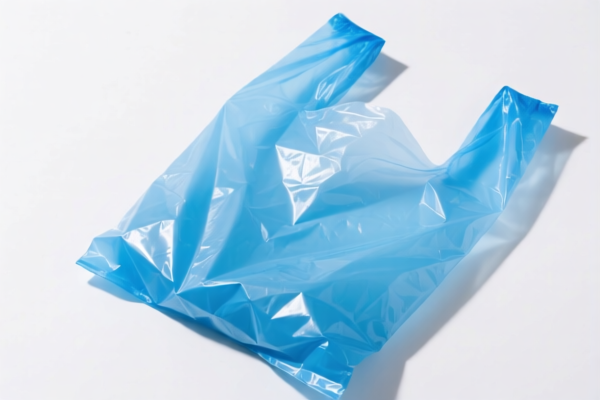
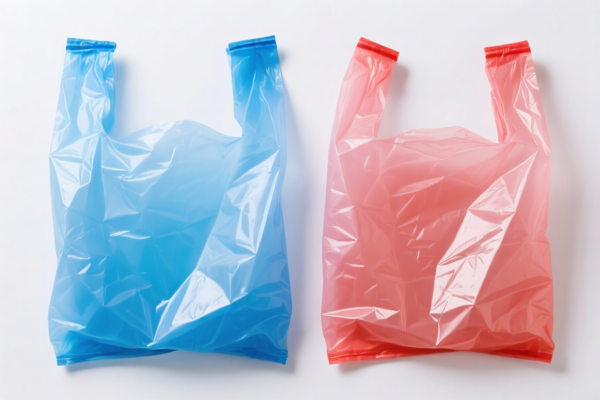
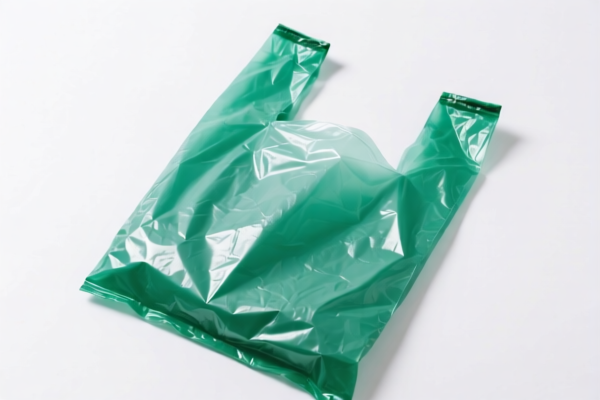
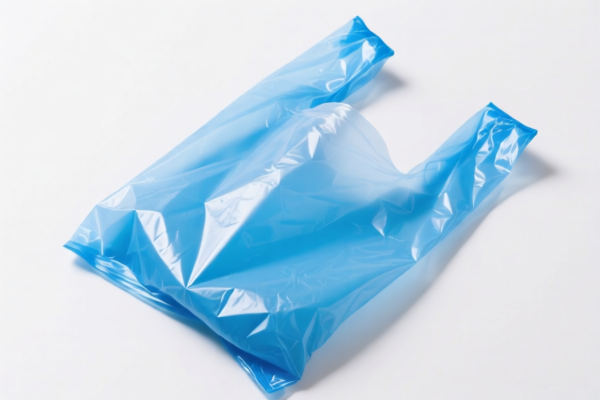
AI Analysis
🛍️ Polyethylene Plastic Bag (Food Grade)
🌐 HS Code Reference & Customs Clearance Guide | 2026 Latest Tariff Analysis | Professional Strategy for Plastic Packaging
📌 1. Product Definition & Classification: Is it a Bag, Apparel, or a Medical Glove?
"Polyethylene Plastic Bag (Food Grade)" seems simple, but in international trade, its classification depends heavily on material composition, form factor, and specific usage. Is it a simple storage bag? A liner for clothing? Or a specialized protective glove-like bag?
Key Classification Divergence: - Standard Packaging Bags: Made of polyethylene, used for food storage or general packing. - Apparel/Protective Gear: If the bag is structured like a garment (e.g., disposable coveralls, aprons) or includes specific apparel features. - Food-Grade Gloves/Pouches: If the "bag" is shaped like a glove or includes food-grade certification that shifts it to medical/protective gear.
⚠️ Critical Distinction: - If it is a simple flexible bag → Likely 3923 (Articles for the conveyance or packing of goods). - If it is coated/impregnated fabric shaped like apparel → Likely 6113 (Apparel impregnated with rubber/plastic). - If it is a glove-shaped protective item → Likely 3926 (Other articles of plastics).
📦 2. HS Code Classification Details (2026 Latest Tariff Authority Mapping)
Based on the provided data, here are the four potential classifications for "Polyethylene Plastic Bag (Food Grade)," each with distinct tax implications:
| HS Code | Product Description | Application Scenario | Key Classification Logic |
|---|---|---|---|
3923.21.00.95 |
Bags of polymers of ethylene (Polyethylene) | Standard food-grade PE bags, sachets, or pouches | ✅ Material + Form: Matches "Polyethylene" + "Bag". |
3923.29.00.00 |
Other bags of plastics (PE) | General plastic bags, not specifically ethylene polymers or other specified subheads | ✅ Material + Form: Broad "Plastic Bag" category. |
6113.00.10.05 |
Apparel impregnated with plastic | Disposables aprons, coveralls, or bag-like apparel made of plastic-coated fabric | ✅ Material + Use: "Plastic" + "Apparel" classification. |
3926.20.10.20 |
Plastic gloves, food-grade | Food-service gloves or glove-shaped bags | ✅ Material + Form: "Plastic" + "Apparel/Glove" form. |
3926.20.40.10 |
Other plastic apparel accessories | Miscellaneous plastic items that don't fit glove or bag definitions | ✅ Catch-all: "Other" plastic articles for apparel. |
🔍 Important Note: - 3923 codes are for packing/conveyance. If the primary function is to hold food, this is the most common choice. - 6113 and 3926 codes apply if the product is marketed as protective gear or apparel (e.g., disposable food service wearables). - Food Grade is an attribute, not a classifier. It does not automatically shift the HS code but may require additional documentation.
💰 3. 2026 Latest Tariff Rate Breakdown (Including Surcharges)
✅ Applicable Country: United States (US)
✅ Origin: China (CN)
✅ Effective Date: 2025/2026 Import Period
🎯 1. 3923.21.00.95 & 3923.29.00.00 —— Standard Plastic Bags (Packaging)
| Item | Detail |
|---|---|
| Base Tariff | 3.0% |
| Section 301 Surcharge | +25.0% |
| IEEPA Surcharge | +10.0% |
| Total Tariff Rate | 38.0% |
| Tax Calculation | CIF Value × 38% |
| De Minimis Exemption | ❌ Not Eligible (Denied under current IEEPA/301 rules for Chinese origin plastics) |
| Legal Reference Path | IEEPA:9903.01.24 → USITC:3923.21.00.95 → FOOTNOTE:3923.21 |
📌 Explanation: - The 38% total rate is high due to the combination of the base tariff and two surcharges (25% from Section 301, 10% from IEEPA). - This is the most likely classification for standard food-grade PE bags used for packing.
🎯 2. 6113.00.10.05 —— Plastic-Impregnated Apparel
| Item | Detail |
|---|---|
| Base Tariff | 3.8% |
| Section 301 Surcharge | +7.5% |
| IEEPA Surcharge | +10.0% |
| Total Tariff Rate | 21.3% |
| Tax Calculation | CIF Value × 21.3% |
| De Minimis Exemption | ❌ Not Eligible |
| Legal Reference Path | IEEPA:9903.01.24 → USITC:6113.00.10.05 |
📌 Explanation: - If the product is classified as apparel (e.g., disposable aprons or coveralls), the tariff is lower (21.3%). - Risk: Misclassifying a simple bag as apparel to save tax can lead to customs penalties. Must prove "apparel" design/usage.
🎯 3. 3926.20.10.20 & 3926.20.40.10 —— Plastic Gloves/Other Articles
| Item | Detail |
|---|---|
| Base Tariff | 0.0% (for 3926.20.10.20) or 6.5% (for 3926.20.40.10) |
| Section 301 Surcharge | 0.0% (for 3926.20.10.20) or 0.0% (for 3926.20.40.10) |
| IEEPA Surcharge | +10.0% |
| Total Tariff Rate | 10.0% (for Gloves) or 16.5% (for Other) |
| Tax Calculation | CIF Value × 10% or 16.5% |
| De Minimis Exemption | ❌ Not Eligible |
| Legal Reference Path | IEEPA:9903.01.24 → USITC:3926.20.10.20 |
📌 Explanation: -
3926.20.10.20(10%) is the most favorable if the product can be classified as food-grade gloves or glove-shaped bags. -3926.20.40.10(16.5%) applies if it’s an "other" plastic article not fitting gloves or bags.
🛠️ 4. Customs Clearance Practical Advice (Avoiding Pitfalls)
✅ 1. Documentation Checklist (Must-Have)
| Document | Required? | Description |
|---|---|---|
| ✅ Product Specification Sheet | ✔️ | Must specify Material: 100% Polyethylene (PE) or blend. |
| ✅ Food Grade Certification | ✔️ | FDA compliance or EU 10/2011 certification for food contact. |
| ✅ Product Photos | ✔️ | Show shape (bag vs. glove vs. apparel), packaging, and size. |
| ✅ Bill of Lading / Invoice | ✔️ | Clearly state "Polyethylene Plastic Bag" or "Food-Grade Protective Gear". |
| ✅ HS Code Justification | ✔️ | Brief memo explaining why 3923 vs. 6113 was chosen. |
✅ 2. Classification Strategy & Key Tips
🔥 "Function Determines Form, Form Determines Tax!"
| Scenario | Recommended HS Code | Tariff Rate | Strategy |
|---|---|---|---|
| Standard Food Storage Bags | 3923.21.00.95 |
38% | Most common. Prepare for high tax. |
| Disposable Aprons/Coveralls | 6113.00.10.05 |
21.3% | Prove it is worn as apparel, not just a bag. |
| Food Service Gloves | 3926.20.10.20 |
10% | Best Option if product shape allows. |
| Unclear/Miscellaneous | 3926.20.40.10 |
16.5% | Use only if no other fit. |
📌 Critical Warning: - Do NOT misclassify standard bags as gloves to save tax. Customs may seize goods for fraud. - "Food Grade" must be declared. Failure to provide FDA compliance proof can lead to refusal of entry.
✅ 3. Special Cases & Handling
| Situation | Handling Advice |
|---|---|
| OEM Custom Bags | Provide design files. If unique shape (e.g., glove), argue for 3926. |
| Mixed Products | If bag + dispenser, declare separately. Don’t bundle to avoid complexity. |
| High-Value Food Bags | Consider applying for HTS Exclusion or Advance Ruling to confirm classification. |
| Non-Chinese Origin | If made in Vietnam/Malaysia, IEEPA 10% may not apply. Check origin rules! |
🌍 5. Global Market Comparison (2026)
| Country/Region | Recommended HS Code | Tariff (China Origin) | Certification | Notes |
|---|---|---|---|---|
| 🇺🇸 USA | 3923.21.00.95 |
38% | FDA | High due to 301+IEEPA. |
| 🇪🇺 EU | 3923.21.00.00 |
6.5% | LFGB/FDA | No 301/IEEPA surcharges. |
| 🇨🇳 China | 3923.21.00.00 |
0-5% | GB Standard | Import duty low, VAT applies. |
| 🇯🇵 Japan | 3923.21.00.00 |
5-6% | Food Sanitation Law | No major surcharges. |
📌 Conclusion: - USA is the most expensive market for plastic bags due to multiple surcharges. - Consider supply chain diversification (e.g., manufacturing in non-China countries) if tariff cost is prohibitive.
📌 6. Common Mistakes & Pitfalls (Learn from Others' Failures)
❌ Mistake 1: Classifying food bags as "Textiles" or "Apparel" to get lower tax. 👉 Consequence: Customs audits, back-taxes, and fines. 3923 is correct for packaging.
❌ Mistake 2: Ignoring "Food Grade" documentation. 👉 Consequence: FDA holds goods at port, leading to destruction or re-export. Always include FDA compliance.
❌ Mistake 3: Assuming "De Minimis" (800 USD) exemption applies. 👉 Consequence: Denied. Chinese-origin plastic bags are excluded from de minimis relief under current IEEPA rules.
✅ Best Practice:
"100% Polyethylene Food-Grade Plastic Bags, 12x18 inches, For Produce Packaging, FDA Compliant, Made in China"
🎯 7. Conclusion: Smart Classification, Cost Optimization!
🎯 Remember:
🔹 "Packaging is 38%, Apparel is 21%, Gloves are 10%!"
🔹 "If it holds food, it's a bag (3923). If it covers the body, it's apparel (6113). If it covers hands, it's gloves (3926)."
🔹 "Always declare Food Grade. Always check Origin."
📌 Pro Tip: If your product is made in Vietnam, Thailand, or Malaysia, you can avoid the 10% IEEPA surcharge. Consider substantial transformation or FTZ strategies to reduce total landed cost.
📣 Action Item:
📞 Consult a customs broker for Advance Ruling if your product shape is ambiguous (e.g., bag vs. glove).
📄 Ensure FDA Compliance documents are ready before shipment.
🚀 Optimize your supply chain to mitigate 38% tariffs!
✨ Professional Customs Clearance Starts with Precise Classification!
💼 Every cent saved is a cent earned!
Customer Reviews
About HS Code Classification
The Harmonized System (HS) is an internationally standardized nomenclature developed by the World Customs Organization (WCO) to classify traded products. Over 200 countries use the HS system as the basis for customs tariffs, trade statistics, and import/export regulations.
Each HS code follows a hierarchical structure:
- Chapter (2 digits) — Broad category of goods (e.g., Chapter 84: Machinery and Mechanical Appliances)
- Heading (4 digits) — More specific grouping within the chapter
- Subheading (6 digits) — Internationally standardized breakdown, used by all WCO member countries
- National subdivisions (8-10 digits) — Country-specific extensions for further classification, such as US HTSUS 10-digit codes
Correct HS code classification is essential for smooth customs clearance, accurate duty payment, and compliance with trade regulations. Misclassification can lead to customs delays, overpayment of duties, or penalties.
When importing from CN to US, the applicable tariff rates may include:
- Most-Favored-Nation (MFN) rate — The standard duty rate applied to WTO members
- General rate — Applied to countries without trade agreements
- Trade remedy duties — Additional tariffs such as Section 301 (anti-dumping), Section 232 (national security), or countervailing duties
The information provided on this page is for reference purposes only. For official classification, please consult with your local customs authority or a licensed customs broker.