Polypropylene Film Raw Material
CN → US| HS编码 | 关税税率 | 原产国 | 目的国 | 文档 |
|---|---|---|---|---|
| 3902100000 | 41.5% | CN | US | 官方文档 |
| 3902900050 | 41.5% | CN | US | 官方文档 |
| 3915900090 | 35.0% | CN | US | 官方文档 |
| 3920200055 | 39.2% | CN | US | 官方文档 |
| 3902300000 | 41.5% | CN | US | 官方文档 |
商品图片
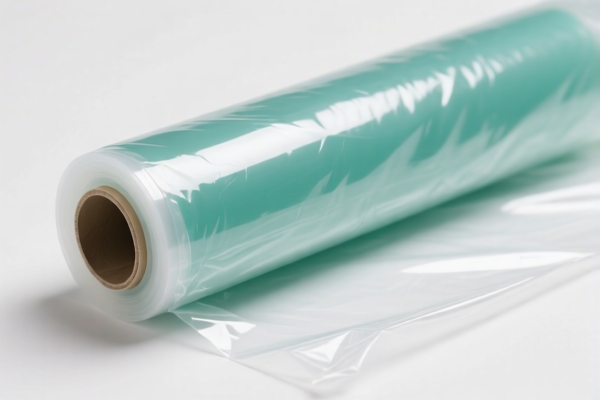
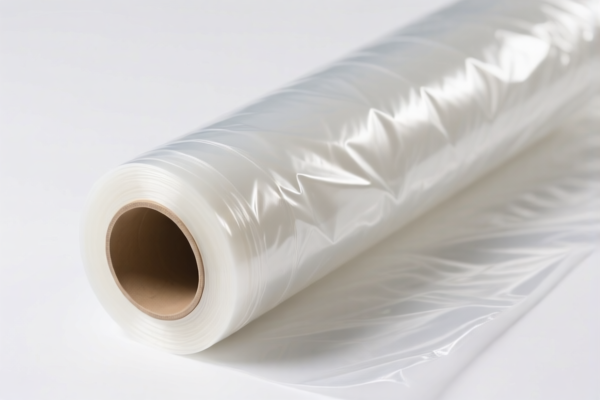
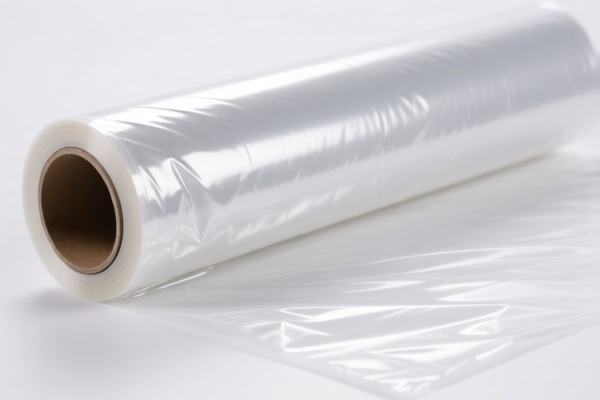
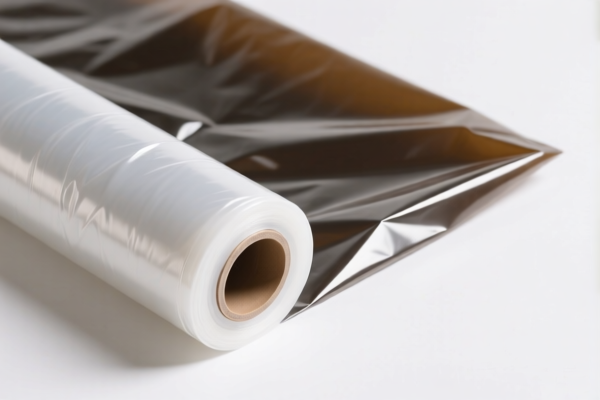
AI分析
🧪 Polypropylene (PP) Film & Sheet Raw Materials: HS Code Classification & US Customs Clearance Guide
🌐 HS Code Reference & Customs Clearance Guide | 2026 Latest Tariff Analysis | Professional Level Strategy
📌 One, Product Definition & Classification: Do You Really Understand "PP Raw Materials"?
Polypropylene (PP) is one of the most widely used thermoplastics in the world. In international trade, "Polypropylene Raw Material" is not a single HS Code but depends heavily on its physical form and chemical structure.
For imports into the United States from China, the classification hinges on three key factors: 1. Form: Is it in primary form (pellets, powder, granules) or is it already processed into sheets/films? 2. Chemical Nature: Is it homopolymer (pure PP) or copolymer (PP mixed with other olefins)? 3. Purpose: Is it destined for immediate conversion into films or sheets?
⚠️ Key Distinction Point: * Primary Form (Pellets/Granules): Usually classified under Chapter 39, Heading 3902. * Shaped Articles (Films/Sheets): If the material is already in film or sheet form, it may fall under 3902.30 or 3920. * Recycled/Scrap: If it is waste or scrap, it falls under 3915.
📦 Two, HS Code Classification Details (2026 Latest Tariff Authority Comparison)
| HS Code | Product Description | Applicable Scenario | Chemical Structure | Form |
|---|---|---|---|---|
3902.10.00.00 |
Polypropylene in Primary Form | PP Pellets/Granules for general use | Homopolymer | Primary (Raw) |
3902.90.00.50 |
Other Polypropylene in Primary Form | Specialized PP Homopolymers | Homopolymer | Primary (Raw) |
3902.30.00.00 |
Polypropylene Copolymer | PP mixed with ethylene/propylene | Copolymer | Primary (Raw) |
3915.90.00.90 |
Waste, Scrap & Remnants | Recycled PP film/sheet scraps | Any PP Type | Scrap/Recycle |
3920.20.00.55 |
Polypropylene Films | Pre-made PP Films (not primary form) | Homopolymer | Film (Processed) |
🔍 Critical Reminder: * Do not confuse "Primary Form" with "Finished Goods": If you are importing PP pellets to make film, use 3902.xxxx. If you are importing finished PP films to be laminated or converted, use 3920.20.00.55. * Copolymer vs. Homopolymer: Homopolymers generally fall under
3902.10or3902.90. Copolymers fall under3902.30. Misclassification here leads to significant duty discrepancies.
💰 Three, 2026 Latest Tariff Rate Breakdown (Including Surtaxes & Policy Add-ons)
✅ Applicable Country: United States (US) ✅ Origin: China (CN) ✅ Effective Date: 2025/2026 (Post-Section 301 & 122 Tariffs)
🎯 1. 3902.10.00.00 – Polypropylene in Primary Form (Homopolymer)
| Item | Content |
|---|---|
| Base Tariff | 6.5% |
| Section 301 Surtax | +25.0% |
| Section 122 Tariff | +10.0% |
| Total Effective Rate | 41.5% |
| Tax Calculation | CIF Value × 41.5% |
| De Minimis Exemption | ❌ Not Applicable (Denied for Section 301/122 goods) |
| Legal Basis Path | HTSUS:3902.10.00.00 → USITC:301_List_China → Executive_Order_122 |
📌 Explanation: * This is the standard rate for general PP pellets. * The 41.5% total rate is a high barrier to entry. Importers must factor this into landed cost calculations immediately. * No de minimis exemption applies. Even small shipments (under $800) are subject to these duties if proper entry procedures are followed for commercial goods.
🎯 2. 3902.90.00.50 – Other Polypropylene in Primary Form
| Item | Content |
|---|---|
| Base Tariff | 6.5% |
| Section 301 Surtax | +25.0% |
| Section 122 Tariff | +10.0% |
| Total Effective Rate | 41.5% |
| Tax Calculation | CIF Value × 41.5% |
| De Minimis Exemption | ❌ Not Applicable |
📌 Note: * Same rate as
3902.10. Used for specialized homopolymers that don't fit the "general" category but are still primary forms.
🎯 3. 3902.30.00.00 – Polypropylene Copolymers
| Item | Content |
|---|---|
| Base Tariff | 6.5% |
| Section 301 Surtax | +25.0% |
| Section 122 Tariff | +10.0% |
| Total Effective Rate | 41.5% |
| Tax Calculation | CIF Value × 41.5% |
| De Minimis Exemption | ❌ Not Applicable |
📌 Note: * Copolymers (e.g., impact copolymers) are taxed identically to homopolymers in this context. Ensure your technical sheet explicitly states "Copolymer" to justify
3902.30vs3902.10.
🎯 4. 3915.90.00.90 – Waste, Scrap & Remnants (Non-PET)
| Item | Content |
|---|---|
| Base Tariff | 0.0% |
| Section 301 Surtax | +25.0% |
| Section 122 Tariff | +10.0% |
| Total Effective Rate | 35.0% |
| Tax Calculation | CIF Value × 35.0% |
| De Minimis Exemption | ❌ Not Applicable |
📌 Explanation: * Lower base tariff (0%) but still subject to high surtaxes. * Strict Definition: Must be waste, scrap, or remnants. Cannot be virgin material. If customs deems "regranulated pellets" as new material, they may reclassify to
3902(41.5%). * Requires proof of origin (scrap status) to avoid reclassification.
🎯 5. 3920.20.00.55 – Polypropylene Films
| Item | Content |
|---|---|
| Base Tariff | 4.2% |
| Section 301 Surtax | +25.0% |
| Section 122 Tariff | +10.0% |
| Total Effective Rate | 39.2% |
| Tax Calculation | CIF Value × 39.2% |
| De Minimis Exemption | ❌ Not Applicable |
📌 Explanation: * Lower than raw material! If you are importing films rather than pellets, the base tariff is lower (4.2% vs 6.5%). * However, this only applies if the goods are already in film form. If you import film to be converted into another product, this code is appropriate. * Warning: Do not misdeclare pellets as "films" to get a lower rate. Customs will check the physical form.
🛠️ Four, Customs Clearance Practical Advice (Pitfall Avoidance Guide)
✅ 1. Document Checklist (Mandatory)
| Document | Required | Explanation |
|---|---|---|
| ✅ Technical Data Sheet | ✔️ | Must specify: Homopolymer vs. Copolymer, Melt Flow Index (MFI), Ash content. |
| ✅ Commercial Invoice | ✔️ | Clearly state "Polypropylene [Form]" (e.g., "PP Homopolymer Pellets"). Avoid vague terms like "Plastic Material". |
| ✅ Bill of Lading | ✔️ | Consistency with invoice is critical. |
| ✅ Certificate of Origin | ✔️ | Essential for proving Chinese origin (subject to tariffs). |
| ✅ MSDS (Safety Data Sheet) | ✔️ | Required for safe handling and transport classification. |
| ✅ Proof of Scrap Status | ✔️ | (Only for 3915.90.00.90) Need documentation proving material is waste/scrap, not new. |
✅ 2. Declaration Tips (Key Mantras)
🔥 “Form Determines Code, Chemistry Determines Sub-heading, Origin Determines Tax!”
| Scenario | Correct Declaration | Wrong Practice |
|---|---|---|
| PP Pellets (General) | 3902.10.00.00 – Polypropylene, Homopolymer, Primary Form |
"Plastic Raw Material" → Vague, leads to audits |
| PP Films | 3920.20.00.55 – Polypropylene Films |
"PP Raw Material" → If it's film, this is wrong. If it's pellets, this is wrong. |
| Recycled PP | 3915.90.00.90 – PP Scrap/Remnants |
Calling it "New PP" → Fraud/Misclassification |
| Copolymer Pellets | 3902.30.00.00 – Polypropylene Copolymers |
Using 3902.10 → Incorrect chemical structure |
✅ 3. Special Handling for Section 301 & 122
- No De Minimis: You cannot use Section 321 (de minimis) to avoid these duties for shipments under $800 if the goods are from China and classified under these HS codes. Commercial entry is required.
- Section 122 (10%): This is an additional tariff on certain industrial products. Ensure your broker applies this correctly alongside the 25% Section 301.
- Audit Risk: Customs (CBP) frequently audits PP imports for misdeclaration of form (e.g., declaring films as pellets to change codes, or vice versa) or misclassification of polymer type.
🌍 Five, Global Market Comparison (2026)
| Region | Recommended HS Code | Base Tariff | Surcharge (China) | Total Est. Rate | Remarks |
|---|---|---|---|---|---|
| 🇺🇸 USA | 3902.10.00.00 |
6.5% | +35% (301+122) | 41.5% | High barrier. Plan for 41.5% Landed Cost. |
| 🇨🇳 China | 3902.10.00.00 |
6.5% | 0% | 6.5% | No surtax for imports into China. |
| 🇪🇺 EU | 3902.10.00.00 |
0% | 0% | 0% | Generally 0% MFN rate. No China-specific surtax. |
| 🇯🇵 Japan | 3902.10.00.00 |
5.0% | 0% | 5.0% | CPTPP benefits may apply depending on origin. |
📌 Conclusion: * USA is the only major market with aggressive additional tariffs on Chinese PP. * Strategy: If exporting to the US, consider supplier diversification (Vietnam, Thailand, Mexico) to potentially avoid China-specific surtaxes. * Internal Use: If importing PP into the US for manufacturing (not resale), investigate FTZ (Foreign Trade Zone) benefits to defer or reduce duty payments.
📌 Six, Common Errors & Pitfall Guide (Blood & Tears Lessons)
❌ Mistake 1: Declaring "Plastic Pellets" without specifying Polymer Type 👉 Result: CBP assigns highest general rate or requests detailed specs → Customs Hold.
❌ Mistake 2: Calling "PP Films" "Raw Material" to fit 3902
👉 Result: If it's film, it must be 3920. Misdeclaration leads to penalties and audits.
❌ Mistake 3: Using 3915 (Scrap) for New Regranulated Pellets
👉 Result: Rejected as Scrap. Reclassified to 3902 → Back Taxes + Fines.
❌ Mistake 4: Ignoring Section 122 Tariff 👉 Result: Underpayment by 10%. CBP demands retroactive payment + interest.
✅ Correct Approach:
"Polypropylene Homopolymer, Primary Form, Pellets, MFI: 25g/10min, For Film Extrusion, Model PP-2500, Manufactured in China"
🎯 Seven, Conclusion: Precision in Classification Saves Money
🎯 Remember:
🔹 “Form First: Pellets=3902, Films=3920, Scrap=3915” 🔹 “Chemistry Second: Homo=3902.10/90, Copolymer=3902.30” 🔹 “Tariff Reality: 41.5% for Raw, 39.2% for Film (China Origin)”
📌 Pro Tip:
- Pre-Ruling Request: For large volumes, submit an Advance Ruling Request to CBP to confirm the correct HS Code before shipment.
- Supply Chain Audit: If tariffs are prohibitive, explore FTZ (Foreign Trade Zone) entries or Bonded Warehouses to delay duty payment until the goods are sold or exported.
📣 Take Action Now:
📞 Contact a Licensed Customs Broker 📄 Provide Full Technical Specifications 🚀 Ensure Accurate Declaration to Avoid Delays and Penalties
✨ Professional Customs Clearance Starts with Accurate Classification! 💼 Your Cost Efficiency Depends on Every Decimal Point!
用户评价
关于 HS 编码归类
协调制度(HS)是由世界海关组织(WCO)制定的国际贸易商品分类标准。全球 200 多个国家采用 HS 系统作为海关关税、贸易统计和进出口监管的基础。
每个 HS 编码遵循以下层级结构:
- 章(2 位)——商品大类(例如:第 84 章:机器和机械设备)
- 品目(4 位)——章内的更具体分类
- 子目(6 位)——国际通用细分,所有 WCO 成员国统一使用
- 本国细分(8-10 位)——各国自行扩展的细分编码,如美国 HTSUS 10 位编码
正确的 HS 编码归类对于顺利通关、准确缴纳关税和遵守贸易法规至关重要。错误归类可能导致海关延误、多缴关税或罚款。
从CN进口到US时,适用的关税税率可能包括:
- 最惠国(MFN)税率——适用于 WTO 成员国的标准关税税率
- 普通税率——适用于无贸易协定国家
- 贸易救济关税——附加关税,如 301 条款(反倾销)、232 条款(国家安全)或反补贴税
本页内容仅供参考。如需正式归类,请咨询当地海关或持牌报关代理。