Polypropylene Film Raw Material
CN → US| HS Code | Tariff Rate | Origin | Destination | Doc |
|---|---|---|---|---|
| 3902100000 | 41.5% | CN | US | Official Doc |
| 3902900050 | 41.5% | CN | US | Official Doc |
| 3915900090 | 35.0% | CN | US | Official Doc |
| 3920200055 | 39.2% | CN | US | Official Doc |
| 3902300000 | 41.5% | CN | US | Official Doc |
Product Images
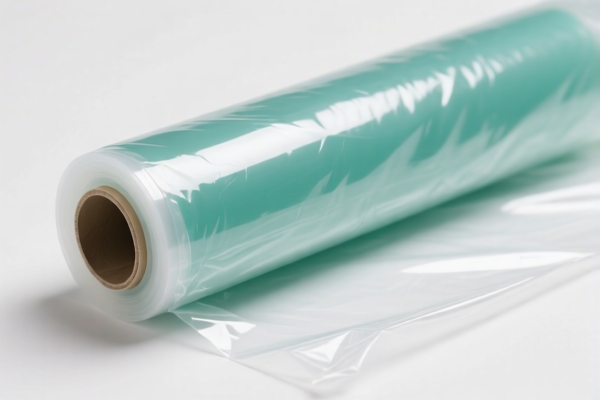
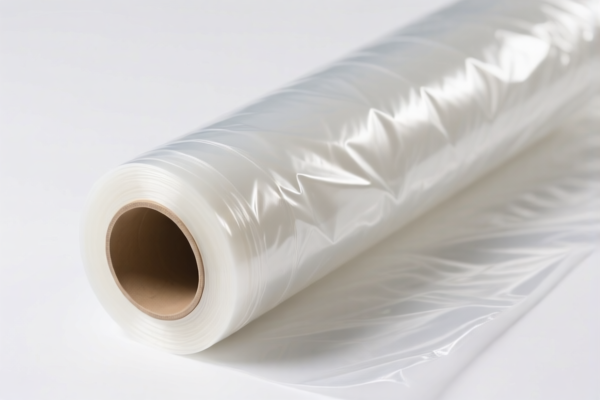
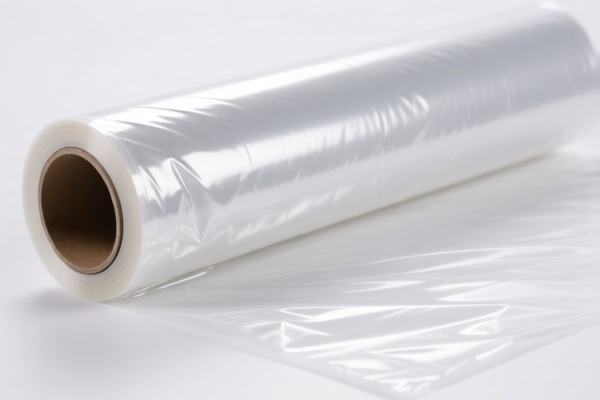
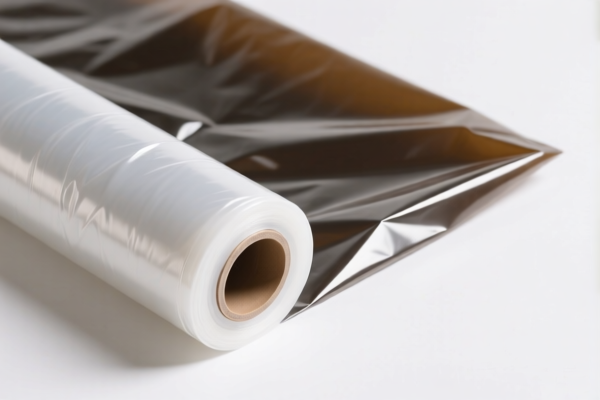
AI Analysis
🧪 Polypropylene (PP) Film & Sheet Raw Materials: HS Code Classification & US Customs Clearance Guide
🌐 HS Code Reference & Customs Clearance Guide | 2026 Latest Tariff Analysis | Professional Level Strategy
📌 One, Product Definition & Classification: Do You Really Understand "PP Raw Materials"?
Polypropylene (PP) is one of the most widely used thermoplastics in the world. In international trade, "Polypropylene Raw Material" is not a single HS Code but depends heavily on its physical form and chemical structure.
For imports into the United States from China, the classification hinges on three key factors: 1. Form: Is it in primary form (pellets, powder, granules) or is it already processed into sheets/films? 2. Chemical Nature: Is it homopolymer (pure PP) or copolymer (PP mixed with other olefins)? 3. Purpose: Is it destined for immediate conversion into films or sheets?
⚠️ Key Distinction Point: * Primary Form (Pellets/Granules): Usually classified under Chapter 39, Heading 3902. * Shaped Articles (Films/Sheets): If the material is already in film or sheet form, it may fall under 3902.30 or 3920. * Recycled/Scrap: If it is waste or scrap, it falls under 3915.
📦 Two, HS Code Classification Details (2026 Latest Tariff Authority Comparison)
| HS Code | Product Description | Applicable Scenario | Chemical Structure | Form |
|---|---|---|---|---|
3902.10.00.00 |
Polypropylene in Primary Form | PP Pellets/Granules for general use | Homopolymer | Primary (Raw) |
3902.90.00.50 |
Other Polypropylene in Primary Form | Specialized PP Homopolymers | Homopolymer | Primary (Raw) |
3902.30.00.00 |
Polypropylene Copolymer | PP mixed with ethylene/propylene | Copolymer | Primary (Raw) |
3915.90.00.90 |
Waste, Scrap & Remnants | Recycled PP film/sheet scraps | Any PP Type | Scrap/Recycle |
3920.20.00.55 |
Polypropylene Films | Pre-made PP Films (not primary form) | Homopolymer | Film (Processed) |
🔍 Critical Reminder: * Do not confuse "Primary Form" with "Finished Goods": If you are importing PP pellets to make film, use 3902.xxxx. If you are importing finished PP films to be laminated or converted, use 3920.20.00.55. * Copolymer vs. Homopolymer: Homopolymers generally fall under
3902.10or3902.90. Copolymers fall under3902.30. Misclassification here leads to significant duty discrepancies.
💰 Three, 2026 Latest Tariff Rate Breakdown (Including Surtaxes & Policy Add-ons)
✅ Applicable Country: United States (US) ✅ Origin: China (CN) ✅ Effective Date: 2025/2026 (Post-Section 301 & 122 Tariffs)
🎯 1. 3902.10.00.00 – Polypropylene in Primary Form (Homopolymer)
| Item | Content |
|---|---|
| Base Tariff | 6.5% |
| Section 301 Surtax | +25.0% |
| Section 122 Tariff | +10.0% |
| Total Effective Rate | 41.5% |
| Tax Calculation | CIF Value × 41.5% |
| De Minimis Exemption | ❌ Not Applicable (Denied for Section 301/122 goods) |
| Legal Basis Path | HTSUS:3902.10.00.00 → USITC:301_List_China → Executive_Order_122 |
📌 Explanation: * This is the standard rate for general PP pellets. * The 41.5% total rate is a high barrier to entry. Importers must factor this into landed cost calculations immediately. * No de minimis exemption applies. Even small shipments (under $800) are subject to these duties if proper entry procedures are followed for commercial goods.
🎯 2. 3902.90.00.50 – Other Polypropylene in Primary Form
| Item | Content |
|---|---|
| Base Tariff | 6.5% |
| Section 301 Surtax | +25.0% |
| Section 122 Tariff | +10.0% |
| Total Effective Rate | 41.5% |
| Tax Calculation | CIF Value × 41.5% |
| De Minimis Exemption | ❌ Not Applicable |
📌 Note: * Same rate as
3902.10. Used for specialized homopolymers that don't fit the "general" category but are still primary forms.
🎯 3. 3902.30.00.00 – Polypropylene Copolymers
| Item | Content |
|---|---|
| Base Tariff | 6.5% |
| Section 301 Surtax | +25.0% |
| Section 122 Tariff | +10.0% |
| Total Effective Rate | 41.5% |
| Tax Calculation | CIF Value × 41.5% |
| De Minimis Exemption | ❌ Not Applicable |
📌 Note: * Copolymers (e.g., impact copolymers) are taxed identically to homopolymers in this context. Ensure your technical sheet explicitly states "Copolymer" to justify
3902.30vs3902.10.
🎯 4. 3915.90.00.90 – Waste, Scrap & Remnants (Non-PET)
| Item | Content |
|---|---|
| Base Tariff | 0.0% |
| Section 301 Surtax | +25.0% |
| Section 122 Tariff | +10.0% |
| Total Effective Rate | 35.0% |
| Tax Calculation | CIF Value × 35.0% |
| De Minimis Exemption | ❌ Not Applicable |
📌 Explanation: * Lower base tariff (0%) but still subject to high surtaxes. * Strict Definition: Must be waste, scrap, or remnants. Cannot be virgin material. If customs deems "regranulated pellets" as new material, they may reclassify to
3902(41.5%). * Requires proof of origin (scrap status) to avoid reclassification.
🎯 5. 3920.20.00.55 – Polypropylene Films
| Item | Content |
|---|---|
| Base Tariff | 4.2% |
| Section 301 Surtax | +25.0% |
| Section 122 Tariff | +10.0% |
| Total Effective Rate | 39.2% |
| Tax Calculation | CIF Value × 39.2% |
| De Minimis Exemption | ❌ Not Applicable |
📌 Explanation: * Lower than raw material! If you are importing films rather than pellets, the base tariff is lower (4.2% vs 6.5%). * However, this only applies if the goods are already in film form. If you import film to be converted into another product, this code is appropriate. * Warning: Do not misdeclare pellets as "films" to get a lower rate. Customs will check the physical form.
🛠️ Four, Customs Clearance Practical Advice (Pitfall Avoidance Guide)
✅ 1. Document Checklist (Mandatory)
| Document | Required | Explanation |
|---|---|---|
| ✅ Technical Data Sheet | ✔️ | Must specify: Homopolymer vs. Copolymer, Melt Flow Index (MFI), Ash content. |
| ✅ Commercial Invoice | ✔️ | Clearly state "Polypropylene [Form]" (e.g., "PP Homopolymer Pellets"). Avoid vague terms like "Plastic Material". |
| ✅ Bill of Lading | ✔️ | Consistency with invoice is critical. |
| ✅ Certificate of Origin | ✔️ | Essential for proving Chinese origin (subject to tariffs). |
| ✅ MSDS (Safety Data Sheet) | ✔️ | Required for safe handling and transport classification. |
| ✅ Proof of Scrap Status | ✔️ | (Only for 3915.90.00.90) Need documentation proving material is waste/scrap, not new. |
✅ 2. Declaration Tips (Key Mantras)
🔥 “Form Determines Code, Chemistry Determines Sub-heading, Origin Determines Tax!”
| Scenario | Correct Declaration | Wrong Practice |
|---|---|---|
| PP Pellets (General) | 3902.10.00.00 – Polypropylene, Homopolymer, Primary Form |
"Plastic Raw Material" → Vague, leads to audits |
| PP Films | 3920.20.00.55 – Polypropylene Films |
"PP Raw Material" → If it's film, this is wrong. If it's pellets, this is wrong. |
| Recycled PP | 3915.90.00.90 – PP Scrap/Remnants |
Calling it "New PP" → Fraud/Misclassification |
| Copolymer Pellets | 3902.30.00.00 – Polypropylene Copolymers |
Using 3902.10 → Incorrect chemical structure |
✅ 3. Special Handling for Section 301 & 122
- No De Minimis: You cannot use Section 321 (de minimis) to avoid these duties for shipments under $800 if the goods are from China and classified under these HS codes. Commercial entry is required.
- Section 122 (10%): This is an additional tariff on certain industrial products. Ensure your broker applies this correctly alongside the 25% Section 301.
- Audit Risk: Customs (CBP) frequently audits PP imports for misdeclaration of form (e.g., declaring films as pellets to change codes, or vice versa) or misclassification of polymer type.
🌍 Five, Global Market Comparison (2026)
| Region | Recommended HS Code | Base Tariff | Surcharge (China) | Total Est. Rate | Remarks |
|---|---|---|---|---|---|
| 🇺🇸 USA | 3902.10.00.00 |
6.5% | +35% (301+122) | 41.5% | High barrier. Plan for 41.5% Landed Cost. |
| 🇨🇳 China | 3902.10.00.00 |
6.5% | 0% | 6.5% | No surtax for imports into China. |
| 🇪🇺 EU | 3902.10.00.00 |
0% | 0% | 0% | Generally 0% MFN rate. No China-specific surtax. |
| 🇯🇵 Japan | 3902.10.00.00 |
5.0% | 0% | 5.0% | CPTPP benefits may apply depending on origin. |
📌 Conclusion: * USA is the only major market with aggressive additional tariffs on Chinese PP. * Strategy: If exporting to the US, consider supplier diversification (Vietnam, Thailand, Mexico) to potentially avoid China-specific surtaxes. * Internal Use: If importing PP into the US for manufacturing (not resale), investigate FTZ (Foreign Trade Zone) benefits to defer or reduce duty payments.
📌 Six, Common Errors & Pitfall Guide (Blood & Tears Lessons)
❌ Mistake 1: Declaring "Plastic Pellets" without specifying Polymer Type 👉 Result: CBP assigns highest general rate or requests detailed specs → Customs Hold.
❌ Mistake 2: Calling "PP Films" "Raw Material" to fit 3902
👉 Result: If it's film, it must be 3920. Misdeclaration leads to penalties and audits.
❌ Mistake 3: Using 3915 (Scrap) for New Regranulated Pellets
👉 Result: Rejected as Scrap. Reclassified to 3902 → Back Taxes + Fines.
❌ Mistake 4: Ignoring Section 122 Tariff 👉 Result: Underpayment by 10%. CBP demands retroactive payment + interest.
✅ Correct Approach:
"Polypropylene Homopolymer, Primary Form, Pellets, MFI: 25g/10min, For Film Extrusion, Model PP-2500, Manufactured in China"
🎯 Seven, Conclusion: Precision in Classification Saves Money
🎯 Remember:
🔹 “Form First: Pellets=3902, Films=3920, Scrap=3915” 🔹 “Chemistry Second: Homo=3902.10/90, Copolymer=3902.30” 🔹 “Tariff Reality: 41.5% for Raw, 39.2% for Film (China Origin)”
📌 Pro Tip:
- Pre-Ruling Request: For large volumes, submit an Advance Ruling Request to CBP to confirm the correct HS Code before shipment.
- Supply Chain Audit: If tariffs are prohibitive, explore FTZ (Foreign Trade Zone) entries or Bonded Warehouses to delay duty payment until the goods are sold or exported.
📣 Take Action Now:
📞 Contact a Licensed Customs Broker 📄 Provide Full Technical Specifications 🚀 Ensure Accurate Declaration to Avoid Delays and Penalties
✨ Professional Customs Clearance Starts with Accurate Classification! 💼 Your Cost Efficiency Depends on Every Decimal Point!
Customer Reviews
About HS Code Classification
The Harmonized System (HS) is an internationally standardized nomenclature developed by the World Customs Organization (WCO) to classify traded products. Over 200 countries use the HS system as the basis for customs tariffs, trade statistics, and import/export regulations.
Each HS code follows a hierarchical structure:
- Chapter (2 digits) — Broad category of goods (e.g., Chapter 84: Machinery and Mechanical Appliances)
- Heading (4 digits) — More specific grouping within the chapter
- Subheading (6 digits) — Internationally standardized breakdown, used by all WCO member countries
- National subdivisions (8-10 digits) — Country-specific extensions for further classification, such as US HTSUS 10-digit codes
Correct HS code classification is essential for smooth customs clearance, accurate duty payment, and compliance with trade regulations. Misclassification can lead to customs delays, overpayment of duties, or penalties.
When importing from CN to US, the applicable tariff rates may include:
- Most-Favored-Nation (MFN) rate — The standard duty rate applied to WTO members
- General rate — Applied to countries without trade agreements
- Trade remedy duties — Additional tariffs such as Section 301 (anti-dumping), Section 232 (national security), or countervailing duties
The information provided on this page is for reference purposes only. For official classification, please consult with your local customs authority or a licensed customs broker.