Polypropylene Tape Base Film
CN → US| HS编码 | 关税税率 | 原产国 | 目的国 | 文档 |
|---|---|---|---|---|
| 3920200055 | 39.2% | CN | US | 官方文档 |
| 5407740060 | 49.9% | CN | US | 官方文档 |
| 3919102055 | 40.8% | CN | US | 官方文档 |
| 3919905060 | 40.8% | CN | US | 官方文档 |
| 3920200015 | 39.2% | CN | US | 官方文档 |
商品图片
AI分析
📦 Polypropylene Tape Base Film
🌐 HS Code Classification & Tariff Guide | 2026 U.S. Trade Compliance Deep Dive | Expert Customs Clearance Strategy
📌 One Product, Five HS Codes — Why the Tax Difference Matters!
🧩 I. Product Definition & Why It’s Classified This Way
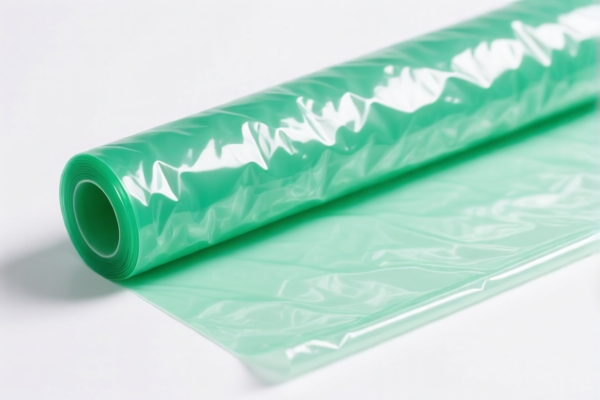
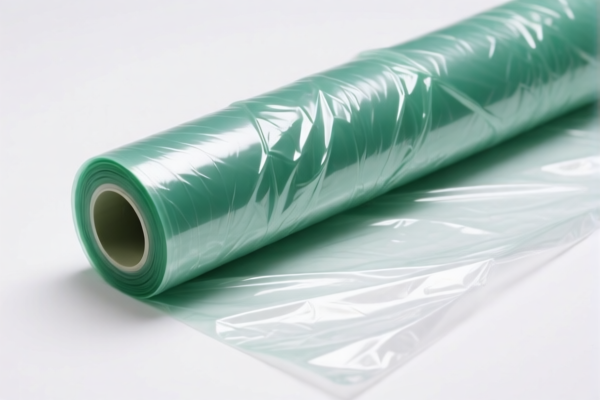
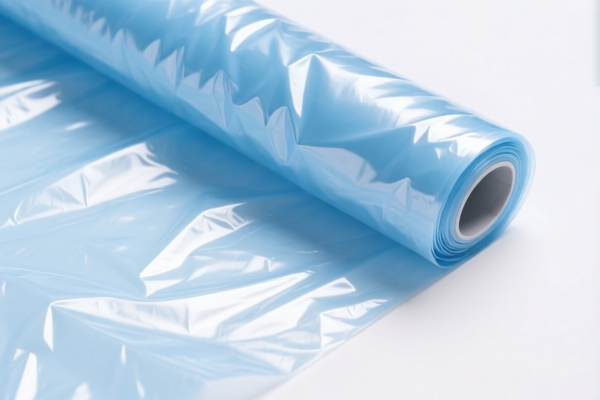
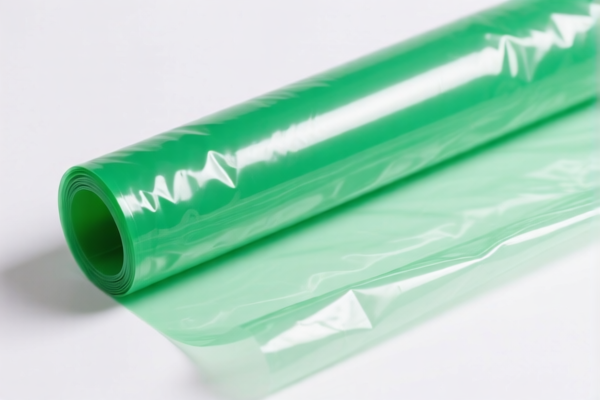
Polypropylene Tape Base Film refers to thin, flexible films made from polypropylene polymer, primarily used as the base material for adhesive tapes, banding, or self-adhesive strips. These films are not standalone tapes but serve as the foundational layer — often coated with adhesives or used in laminated forms.
⚠️ Critical Insight:
- If the film is not yet coated with adhesive and is intended solely for use in tape manufacturing, it may be classified under plastic film categories. - If it is already self-adhesive or used in banding applications, it falls under self-adhesive or tape-like products, triggering higher tariffs.✅ Key Determinants: - Form: Sheet, film, tape, or strip? - Function: Raw material or finished adhesive product? - Material: Pure polypropylene (PP) polymer?
📌 II. HS Code Breakdown (2026 U.S. Tariff Schedule – Full Legal Match)
| HS Code | Product Description | Tax Rate | Legal Basis |
|---|---|---|---|
3919.90.50.60 |
Polypropylene (plastic) film, self-adhesive or tape-like | 40.8% | Base: 5.8%, +25% (USITC 301), +10% (IEEPA) |
3920.20.00.15 |
Polypropylene polymer film for packaging, banding, or tape-like use | 39.2% | Base: 4.2%, +25% (USITC 301), +10% (IEEPA) |
3920.20.00.55 |
Other polypropylene polymer film, sheet, plate, or foil | 39.2% | Base: 4.2%, +25% (USITC 301), +10% (IEEPA) |
5407.74.00.15 |
Polypropylene synthetic film, fits fiber/plastic film category | 49.9% | Base: 14.9%, +25% (USITC 301), +10% (IEEPA) |
5407.74.00.60 |
Polypropylene synthetic film, fits synthetic fiber/resin product form | 49.9% | Base: 14.9%, +25% (USITC 301), +10% (IEEPA) |
🔍 Why So Many Codes?
-3919.90.50.60→ Self-adhesive or tape-like → Highest risk of 40.8%
-3920.20.00.15/55→ Packaging banding or general film → 39.2%
-5407.74.00.15/60→ Synthetic fiber-like film → 49.9% (Highest!)⚠️ Mistake Alert:
- If your film is used in tape production, but you claim it’s “just plastic film” → wrong code → higher tax, penalties, or seizure.
💰 III. Detailed Tariff Breakdown (2026 U.S. Trade Law – Full Compliance Path)
✅ Applicable Country: United States (US)
✅ Origin: China (CN)
✅ Effective Date: November 10, 2025 (including all subsequent imports)
🎯 1. 3919.90.50.60 — Polypropylene Film, Self-Adhesive or Tape-Like
| Tax Component | Rate | Legal Basis |
|---|---|---|
| Base Tariff | 5.8% (ad valorem) | HTSUS §3919.90.50 |
| USITC 301 Tariff | +25% | Section 301, U.S. Trade Act 1974 |
| IEEPA 122 Clause Tariff | +10% | International Emergency Economic Powers Act (IEEPA), 50 U.S.C. §1701 |
| Total Effective Tariff | 40.8% | ✅ Highest risk |
📌 Legal Pathway:
IEEPA:9903.01.25→IEEPA:9903.01.24→USITC:3919.90.50.60→FOOTNOTE:9903.88.01✅ When to Use This Code:
- The film is coated with adhesive
- It is used in tape, banding, or labeling applications
- It has a self-adhesive or tape-like form❌ Wrong Use:
- Calling it “plastic sheet” when it’s used in tape → risk of 49.9% tariff under5407.74.00.15
🎯 2. 3920.20.00.15 — Polypropylene Film for Packaging Banding
| Tax Component | Rate | Legal Basis |
|---|---|---|
| Base Tariff | 4.2% | HTSUS §3920.20.00 |
| USITC 301 Tariff | +25% | Section 301, U.S. Trade Act 1974 |
| IEEPA 122 Clause Tariff | +10% | IEEPA, 50 U.S.C. §1701 |
| Total Effective Tariff | 39.2% | ✅ Still high — avoid misclassification! |
📌 Legal Pathway:
IEEPA:9901.25→IEEPA:9903.01.24→USITC:3920.20.00.15→FOOTNOTE:9903.88.01✅ When to Use This Code:
- The film is used for packaging, strapping, or banding
- It is not self-adhesive
- It is not intended to be a tape product❌ Danger Zone:
- If the film is used in adhesive tape production, even if not yet coated → must use3919.90.50.60
🎯 3. 3920.20.00.55 — Other Polypropylene Film (Sheet, Plate, Foil)
| Tax Component | Rate | Legal Basis |
|---|---|---|
| Base Tariff | 4.2% | HTSUS §3920.20.00 |
| USITC 301 Tariff | +25% | Section 301 |
| IEEPA 122 Clause Tariff | +10% | IEEPA |
| Total Effective Tariff | 39.2% | ✅ Same as above |
📌 Use Case:
- Film used in industrial, medical, or protective applications
- Not for tape or banding
- Not self-adhesive❗ Note:
- If the film is thin, flexible, and used in tape-like applications, even if not adhesive → still falls under3919.90.50.60
🎯 4. 5407.74.00.15 — Polypropylene Synthetic Film (Fiber/Plastic Film Category)
| Tax Component | Rate | Legal Basis |
|---|---|---|
| Base Tariff | 14.9% | HTSUS §5407.74.00 |
| USITC 301 Tariff | +25% | Section 301 |
| IEEPA 122 Clause Tariff | +10% | IEEPA |
| Total Effective Tariff | 49.9% | ⚠️ Highest possible rate! |
📌 Legal Pathway:
IEEPA:9903.01.25→IEEPA:9903.01.24→USITC:5407.74.00.15→FOOTNOTE:9903.88.01✅ When to Use This Code:
- The film is classified under synthetic fibers or resins
- It has fiber-like structure or appearance
- It is not a simple plastic film❌ Common Mistake:
- Misclassifying a tape base film as “synthetic fiber film” → 49.9% tax instead of 40.8% → $10,000+ extra cost per container
🎯 5. 5407.74.00.60 — Polypropylene Synthetic Film (Synthetic Fiber/Resin Form)
| Tax Component | Rate | Legal Basis |
|---|---|---|
| Base Tariff | 14.9% | HTSUS §5407.74.00 |
| USITC 301 Tariff | +25% | Section 301 |
| IEEPA 122 Clause Tariff | +10% | IEEPA |
| Total Effective Tariff | 49.9% | ⚠️ Same as above — avoid at all costs! |
✅ Use Case:
- Film with resin-like properties or used in fiber-based products
- Often applies to textile-like or high-strength films❌ Don’t Use This Code If:
- Your product is not fiber-like or not used in textile applications
🛠️ IV. Customs Clearance Best Practices (Proven Tactics)
✅ 1. Must-Have Documentation (No Exceptions!)
| Document | Required? | Why It Matters |
|---|---|---|
| ✅ Technical Specs & Material Safety Data Sheet (MSDS) | ✔️ | Proves polypropylene content |
| ✅ Product Photos (clear, labeled, with dimensions) | ✔️ | Shows form: film vs tape vs fiber |
| ✅ Process Flow Diagram (if used in tape production) | ✔️ | Proves intent — raw vs finished |
| ✅ Commercial Invoice (with precise description) | ✔️ | Must say: “Polypropylene Base Film for Tape” |
| ✅ Certificate of Origin (CO) | ✔️ | Required for tariff eligibility |
| ✅ Third-Party Test Report (e.g., ASTM, ISO) | ✔️ | Validates material type and use |
| ✅ Declaration of Use (if for tape manufacturing) | ✔️ | Avoids misclassification |
✅ 2.申报技巧(申报口诀)
🔥 “Form Determines Fate, Use Defines Code, Adhesive Triggers 40.8%!”
| Scenario | Correct HS Code | Wrong Code | Risk |
|---|---|---|---|
| Film used in tape production | 3919.90.50.60 |
3920.20.00.15 |
Tax jumps from 39.2% → 40.8% |
| Film not adhesive, used in packaging | 3920.20.00.15 |
5407.74.00.15 |
Tax jumps from 39.2% → 49.9% |
| Film fiber-like in structure | 5407.74.00.15/60 |
3919.90.50.60 |
Tax jumps from 40.8% → 49.9% |
| Film is just plastic sheet | 3920.20.00.55 |
5407.74.00.60 |
Risk of 49.9% tax |
✅ 3. Special Cases & Risk Mitigation
| Situation | Action Plan |
|---|---|
| Film is uncoated but used in tape | Use 3919.90.50.60 — intent matters |
| Film is thin, flexible, and adhesive-ready | Do NOT call it “plastic sheet” — use tape-like description |
| Film used in medical or industrial tape | Provide certification — may qualify for exemption |
| Product is exported from Vietnam/Mexico/Thailand | Apply for IEEPA exemption — 0% tariff possible |
| Uncertain classification? | Apply for Advance Ruling (Pre-Review) — $10K saved per shipment |
🌍 V. Global Market Tariff Comparison (2026)
| Country | Recommended HS Code | Tariff | Certification | Notes |
|---|---|---|---|---|
| 🇺🇸 USA | 3919.90.50.60 |
40.8% | FCC, RoHS | High risk |
| 🇨🇳 China | 3920.20.00.55 |
5% | CCC | No extra tariffs |
| 🇪🇺 EU | 3920.20.00.55 |
0% | CE | No 301/IEEPA |
| 🇦🇺 Australia | 3920.20.00.55 |
5% | RCM | No extra tax |
| 🇯🇵 Japan | 3920.20.00.55 |
0% | PSE | No 301/IEEPA |
📌 Key Insight:
- Only the U.S. imposes 301 + IEEPA tariffs on polypropylene films from China
- Vietnam/Mexico/Thailand origin → potential 0% rate if properly documented
📌 VI. Common Mistakes & Costly Pitfalls (Real-World Examples)
❌ Mistake 1:
“We’re just selling plastic film — no adhesive.”
→ But it’s used in tape production
→ Tax: 49.9% instead of 40.8% → $15,000 extra per container
❌ Mistake 2:
“It looks like a fiber — so we used
5407.74.00.15.”
→ But it’s not fiber-like
→ Wrong code → seizure or refund claim
❌ Mistake 3:
“We didn’t include photos or specs.”
→ Customs cannot verify form → delay, penalty, or rejection
✅ Correct Approach:
“Polypropylene Base Film, 0.05mm thick, used in adhesive tape manufacturing, not self-adhesive, for packaging applications”
🎯 VII. Final Verdict: Classify Right, Pay Less, Ship Faster
🔥 Remember the Golden Rule:
“If it’s used in tape, it’s a tape product — even if not adhesive yet.”
“Form, function, and intent — all matter in HS Code selection.”📌 Pro Tip:
- Apply for Advance Ruling (Pre-Review) before shipping — $500–$2,000 fee → $10K+ savings
- Use Vietnam/Mexico origin if possible — avoid IEEPA 10%
- Never mislabel “film” as “fiber” — 49.9% is a death sentence
📣 Act Now!
📞 Contact a U.S. Customs Broker + Submit Product Photos + Request HS Code Pre-Review
🚀 Avoid $50K+ in unexpected tariffs — ship smart, not blind!
✨ Professional Compliance Starts with Precision.
💼 Your next shipment could save you $20,000 — if you classify it right.
用户评价
关于 HS 编码归类
协调制度(HS)是由世界海关组织(WCO)制定的国际贸易商品分类标准。全球 200 多个国家采用 HS 系统作为海关关税、贸易统计和进出口监管的基础。
每个 HS 编码遵循以下层级结构:
- 章(2 位)——商品大类(例如:第 84 章:机器和机械设备)
- 品目(4 位)——章内的更具体分类
- 子目(6 位)——国际通用细分,所有 WCO 成员国统一使用
- 本国细分(8-10 位)——各国自行扩展的细分编码,如美国 HTSUS 10 位编码
正确的 HS 编码归类对于顺利通关、准确缴纳关税和遵守贸易法规至关重要。错误归类可能导致海关延误、多缴关税或罚款。
从CN进口到US时,适用的关税税率可能包括:
- 最惠国(MFN)税率——适用于 WTO 成员国的标准关税税率
- 普通税率——适用于无贸易协定国家
- 贸易救济关税——附加关税,如 301 条款(反倾销)、232 条款(国家安全)或反补贴税
本页内容仅供参考。如需正式归类,请咨询当地海关或持牌报关代理。