Polypropylene Tape Base Film
CN → US| HS Code | Tariff Rate | Origin | Destination | Doc |
|---|---|---|---|---|
| 3920200055 | 39.2% | CN | US | Official Doc |
| 5407740060 | 49.9% | CN | US | Official Doc |
| 3919102055 | 40.8% | CN | US | Official Doc |
| 3919905060 | 40.8% | CN | US | Official Doc |
| 3920200015 | 39.2% | CN | US | Official Doc |
Product Images
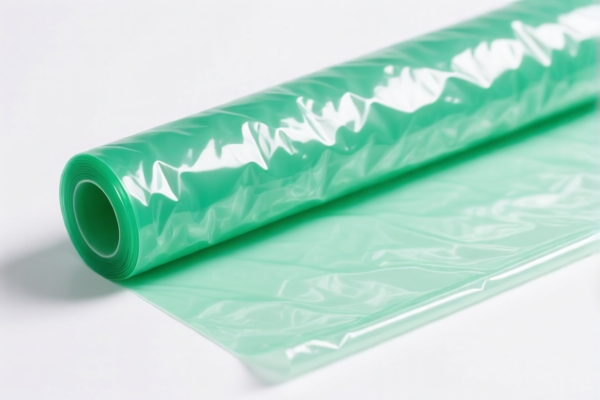
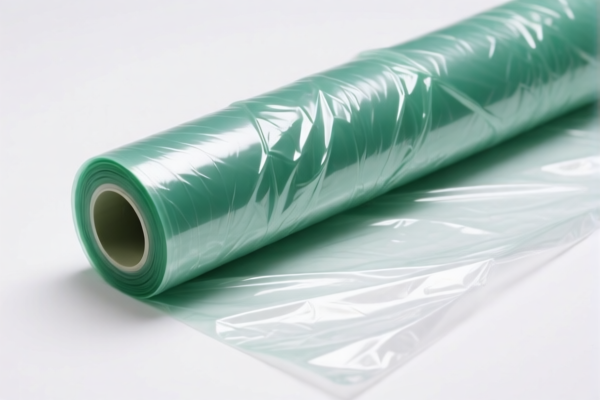
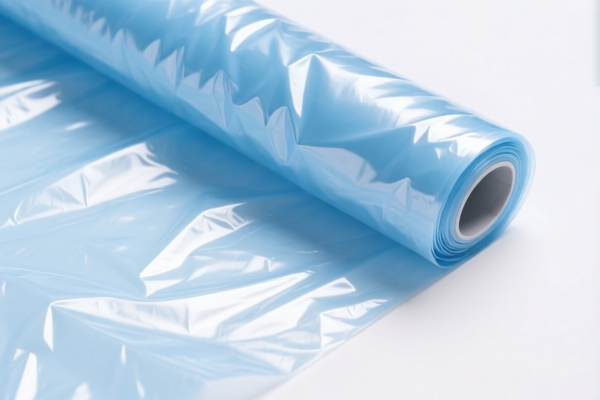
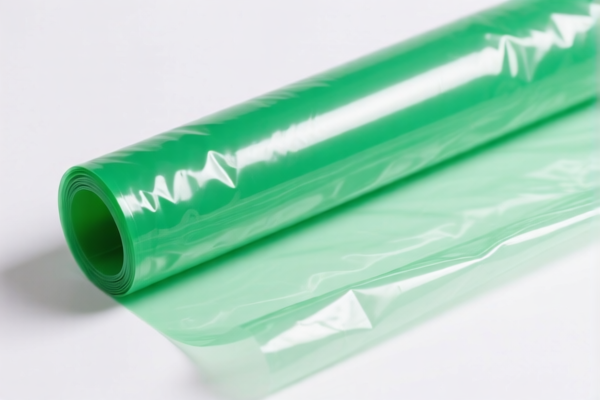
AI Analysis
📦 Polypropylene Tape Base Film
🌐 HS Code Classification & Tariff Guide | 2026 U.S. Trade Compliance Deep Dive | Expert Customs Clearance Strategy
📌 One Product, Five HS Codes — Why the Tax Difference Matters!
🧩 I. Product Definition & Why It’s Classified This Way
Polypropylene Tape Base Film refers to thin, flexible films made from polypropylene polymer, primarily used as the base material for adhesive tapes, banding, or self-adhesive strips. These films are not standalone tapes but serve as the foundational layer — often coated with adhesives or used in laminated forms.
⚠️ Critical Insight:
- If the film is not yet coated with adhesive and is intended solely for use in tape manufacturing, it may be classified under plastic film categories. - If it is already self-adhesive or used in banding applications, it falls under self-adhesive or tape-like products, triggering higher tariffs.✅ Key Determinants: - Form: Sheet, film, tape, or strip? - Function: Raw material or finished adhesive product? - Material: Pure polypropylene (PP) polymer?
📌 II. HS Code Breakdown (2026 U.S. Tariff Schedule – Full Legal Match)
| HS Code | Product Description | Tax Rate | Legal Basis |
|---|---|---|---|
3919.90.50.60 |
Polypropylene (plastic) film, self-adhesive or tape-like | 40.8% | Base: 5.8%, +25% (USITC 301), +10% (IEEPA) |
3920.20.00.15 |
Polypropylene polymer film for packaging, banding, or tape-like use | 39.2% | Base: 4.2%, +25% (USITC 301), +10% (IEEPA) |
3920.20.00.55 |
Other polypropylene polymer film, sheet, plate, or foil | 39.2% | Base: 4.2%, +25% (USITC 301), +10% (IEEPA) |
5407.74.00.15 |
Polypropylene synthetic film, fits fiber/plastic film category | 49.9% | Base: 14.9%, +25% (USITC 301), +10% (IEEPA) |
5407.74.00.60 |
Polypropylene synthetic film, fits synthetic fiber/resin product form | 49.9% | Base: 14.9%, +25% (USITC 301), +10% (IEEPA) |
🔍 Why So Many Codes?
-3919.90.50.60→ Self-adhesive or tape-like → Highest risk of 40.8%
-3920.20.00.15/55→ Packaging banding or general film → 39.2%
-5407.74.00.15/60→ Synthetic fiber-like film → 49.9% (Highest!)⚠️ Mistake Alert:
- If your film is used in tape production, but you claim it’s “just plastic film” → wrong code → higher tax, penalties, or seizure.
💰 III. Detailed Tariff Breakdown (2026 U.S. Trade Law – Full Compliance Path)
✅ Applicable Country: United States (US)
✅ Origin: China (CN)
✅ Effective Date: November 10, 2025 (including all subsequent imports)
🎯 1. 3919.90.50.60 — Polypropylene Film, Self-Adhesive or Tape-Like
| Tax Component | Rate | Legal Basis |
|---|---|---|
| Base Tariff | 5.8% (ad valorem) | HTSUS §3919.90.50 |
| USITC 301 Tariff | +25% | Section 301, U.S. Trade Act 1974 |
| IEEPA 122 Clause Tariff | +10% | International Emergency Economic Powers Act (IEEPA), 50 U.S.C. §1701 |
| Total Effective Tariff | 40.8% | ✅ Highest risk |
📌 Legal Pathway:
IEEPA:9903.01.25→IEEPA:9903.01.24→USITC:3919.90.50.60→FOOTNOTE:9903.88.01✅ When to Use This Code:
- The film is coated with adhesive
- It is used in tape, banding, or labeling applications
- It has a self-adhesive or tape-like form❌ Wrong Use:
- Calling it “plastic sheet” when it’s used in tape → risk of 49.9% tariff under5407.74.00.15
🎯 2. 3920.20.00.15 — Polypropylene Film for Packaging Banding
| Tax Component | Rate | Legal Basis |
|---|---|---|
| Base Tariff | 4.2% | HTSUS §3920.20.00 |
| USITC 301 Tariff | +25% | Section 301, U.S. Trade Act 1974 |
| IEEPA 122 Clause Tariff | +10% | IEEPA, 50 U.S.C. §1701 |
| Total Effective Tariff | 39.2% | ✅ Still high — avoid misclassification! |
📌 Legal Pathway:
IEEPA:9901.25→IEEPA:9903.01.24→USITC:3920.20.00.15→FOOTNOTE:9903.88.01✅ When to Use This Code:
- The film is used for packaging, strapping, or banding
- It is not self-adhesive
- It is not intended to be a tape product❌ Danger Zone:
- If the film is used in adhesive tape production, even if not yet coated → must use3919.90.50.60
🎯 3. 3920.20.00.55 — Other Polypropylene Film (Sheet, Plate, Foil)
| Tax Component | Rate | Legal Basis |
|---|---|---|
| Base Tariff | 4.2% | HTSUS §3920.20.00 |
| USITC 301 Tariff | +25% | Section 301 |
| IEEPA 122 Clause Tariff | +10% | IEEPA |
| Total Effective Tariff | 39.2% | ✅ Same as above |
📌 Use Case:
- Film used in industrial, medical, or protective applications
- Not for tape or banding
- Not self-adhesive❗ Note:
- If the film is thin, flexible, and used in tape-like applications, even if not adhesive → still falls under3919.90.50.60
🎯 4. 5407.74.00.15 — Polypropylene Synthetic Film (Fiber/Plastic Film Category)
| Tax Component | Rate | Legal Basis |
|---|---|---|
| Base Tariff | 14.9% | HTSUS §5407.74.00 |
| USITC 301 Tariff | +25% | Section 301 |
| IEEPA 122 Clause Tariff | +10% | IEEPA |
| Total Effective Tariff | 49.9% | ⚠️ Highest possible rate! |
📌 Legal Pathway:
IEEPA:9903.01.25→IEEPA:9903.01.24→USITC:5407.74.00.15→FOOTNOTE:9903.88.01✅ When to Use This Code:
- The film is classified under synthetic fibers or resins
- It has fiber-like structure or appearance
- It is not a simple plastic film❌ Common Mistake:
- Misclassifying a tape base film as “synthetic fiber film” → 49.9% tax instead of 40.8% → $10,000+ extra cost per container
🎯 5. 5407.74.00.60 — Polypropylene Synthetic Film (Synthetic Fiber/Resin Form)
| Tax Component | Rate | Legal Basis |
|---|---|---|
| Base Tariff | 14.9% | HTSUS §5407.74.00 |
| USITC 301 Tariff | +25% | Section 301 |
| IEEPA 122 Clause Tariff | +10% | IEEPA |
| Total Effective Tariff | 49.9% | ⚠️ Same as above — avoid at all costs! |
✅ Use Case:
- Film with resin-like properties or used in fiber-based products
- Often applies to textile-like or high-strength films❌ Don’t Use This Code If:
- Your product is not fiber-like or not used in textile applications
🛠️ IV. Customs Clearance Best Practices (Proven Tactics)
✅ 1. Must-Have Documentation (No Exceptions!)
| Document | Required? | Why It Matters |
|---|---|---|
| ✅ Technical Specs & Material Safety Data Sheet (MSDS) | ✔️ | Proves polypropylene content |
| ✅ Product Photos (clear, labeled, with dimensions) | ✔️ | Shows form: film vs tape vs fiber |
| ✅ Process Flow Diagram (if used in tape production) | ✔️ | Proves intent — raw vs finished |
| ✅ Commercial Invoice (with precise description) | ✔️ | Must say: “Polypropylene Base Film for Tape” |
| ✅ Certificate of Origin (CO) | ✔️ | Required for tariff eligibility |
| ✅ Third-Party Test Report (e.g., ASTM, ISO) | ✔️ | Validates material type and use |
| ✅ Declaration of Use (if for tape manufacturing) | ✔️ | Avoids misclassification |
✅ 2.申报技巧(申报口诀)
🔥 “Form Determines Fate, Use Defines Code, Adhesive Triggers 40.8%!”
| Scenario | Correct HS Code | Wrong Code | Risk |
|---|---|---|---|
| Film used in tape production | 3919.90.50.60 |
3920.20.00.15 |
Tax jumps from 39.2% → 40.8% |
| Film not adhesive, used in packaging | 3920.20.00.15 |
5407.74.00.15 |
Tax jumps from 39.2% → 49.9% |
| Film fiber-like in structure | 5407.74.00.15/60 |
3919.90.50.60 |
Tax jumps from 40.8% → 49.9% |
| Film is just plastic sheet | 3920.20.00.55 |
5407.74.00.60 |
Risk of 49.9% tax |
✅ 3. Special Cases & Risk Mitigation
| Situation | Action Plan |
|---|---|
| Film is uncoated but used in tape | Use 3919.90.50.60 — intent matters |
| Film is thin, flexible, and adhesive-ready | Do NOT call it “plastic sheet” — use tape-like description |
| Film used in medical or industrial tape | Provide certification — may qualify for exemption |
| Product is exported from Vietnam/Mexico/Thailand | Apply for IEEPA exemption — 0% tariff possible |
| Uncertain classification? | Apply for Advance Ruling (Pre-Review) — $10K saved per shipment |
🌍 V. Global Market Tariff Comparison (2026)
| Country | Recommended HS Code | Tariff | Certification | Notes |
|---|---|---|---|---|
| 🇺🇸 USA | 3919.90.50.60 |
40.8% | FCC, RoHS | High risk |
| 🇨🇳 China | 3920.20.00.55 |
5% | CCC | No extra tariffs |
| 🇪🇺 EU | 3920.20.00.55 |
0% | CE | No 301/IEEPA |
| 🇦🇺 Australia | 3920.20.00.55 |
5% | RCM | No extra tax |
| 🇯🇵 Japan | 3920.20.00.55 |
0% | PSE | No 301/IEEPA |
📌 Key Insight:
- Only the U.S. imposes 301 + IEEPA tariffs on polypropylene films from China
- Vietnam/Mexico/Thailand origin → potential 0% rate if properly documented
📌 VI. Common Mistakes & Costly Pitfalls (Real-World Examples)
❌ Mistake 1:
“We’re just selling plastic film — no adhesive.”
→ But it’s used in tape production
→ Tax: 49.9% instead of 40.8% → $15,000 extra per container
❌ Mistake 2:
“It looks like a fiber — so we used
5407.74.00.15.”
→ But it’s not fiber-like
→ Wrong code → seizure or refund claim
❌ Mistake 3:
“We didn’t include photos or specs.”
→ Customs cannot verify form → delay, penalty, or rejection
✅ Correct Approach:
“Polypropylene Base Film, 0.05mm thick, used in adhesive tape manufacturing, not self-adhesive, for packaging applications”
🎯 VII. Final Verdict: Classify Right, Pay Less, Ship Faster
🔥 Remember the Golden Rule:
“If it’s used in tape, it’s a tape product — even if not adhesive yet.”
“Form, function, and intent — all matter in HS Code selection.”📌 Pro Tip:
- Apply for Advance Ruling (Pre-Review) before shipping — $500–$2,000 fee → $10K+ savings
- Use Vietnam/Mexico origin if possible — avoid IEEPA 10%
- Never mislabel “film” as “fiber” — 49.9% is a death sentence
📣 Act Now!
📞 Contact a U.S. Customs Broker + Submit Product Photos + Request HS Code Pre-Review
🚀 Avoid $50K+ in unexpected tariffs — ship smart, not blind!
✨ Professional Compliance Starts with Precision.
💼 Your next shipment could save you $20,000 — if you classify it right.
Customer Reviews
About HS Code Classification
The Harmonized System (HS) is an internationally standardized nomenclature developed by the World Customs Organization (WCO) to classify traded products. Over 200 countries use the HS system as the basis for customs tariffs, trade statistics, and import/export regulations.
Each HS code follows a hierarchical structure:
- Chapter (2 digits) — Broad category of goods (e.g., Chapter 84: Machinery and Mechanical Appliances)
- Heading (4 digits) — More specific grouping within the chapter
- Subheading (6 digits) — Internationally standardized breakdown, used by all WCO member countries
- National subdivisions (8-10 digits) — Country-specific extensions for further classification, such as US HTSUS 10-digit codes
Correct HS code classification is essential for smooth customs clearance, accurate duty payment, and compliance with trade regulations. Misclassification can lead to customs delays, overpayment of duties, or penalties.
When importing from CN to US, the applicable tariff rates may include:
- Most-Favored-Nation (MFN) rate — The standard duty rate applied to WTO members
- General rate — Applied to countries without trade agreements
- Trade remedy duties — Additional tariffs such as Section 301 (anti-dumping), Section 232 (national security), or countervailing duties
The information provided on this page is for reference purposes only. For official classification, please consult with your local customs authority or a licensed customs broker.