Polypropylene Waste
CN → US| HS编码 | 关税税率 | 原产国 | 目的国 | 文档 |
|---|---|---|---|---|
| 3915900090 | 35.0% | CN | US | 官方文档 |
| 3915100000 | 35.0% | CN | US | 官方文档 |
| 3915200000 | 35.0% | CN | US | 官方文档 |
| 3903110000 | 41.5% | CN | US | 官方文档 |
| 3903190000 | 41.5% | CN | US | 官方文档 |
商品图片
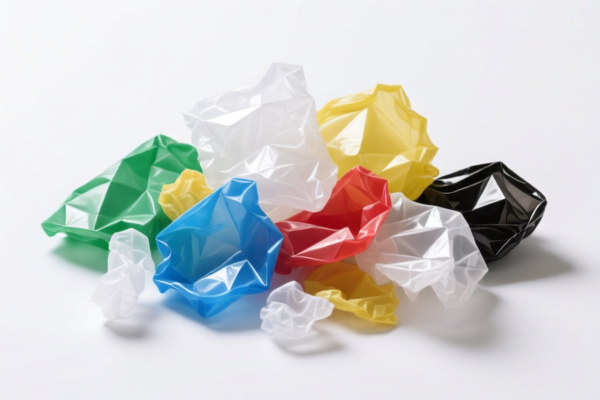
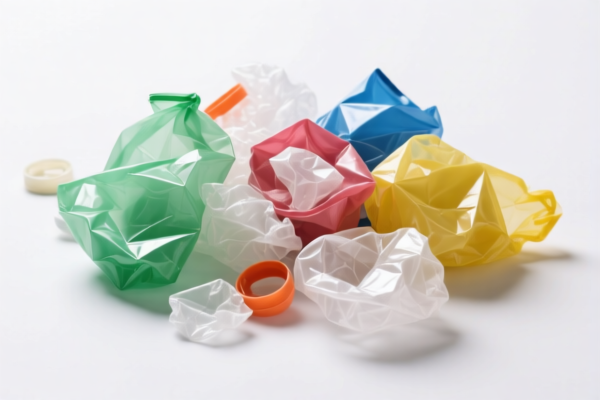
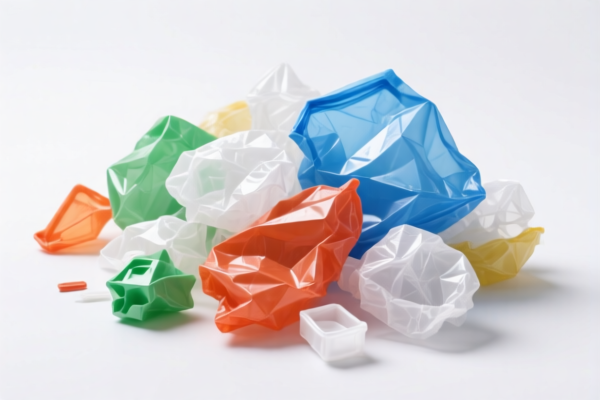
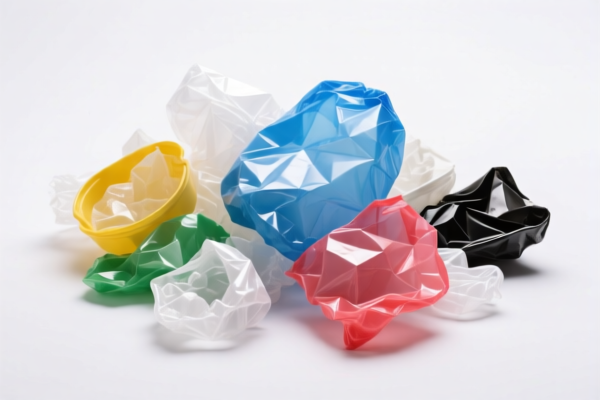
AI分析
♻️ Polypropylene Waste (Recyclable PP Scrap & Offcuts)
🌐 HS Code Reference & Customs Clearance Guide | 2026 Latest Tariff Analysis | Professional Entry Strategy
📌 1. Product Definition & Classification: Do You Really Understand "PP Waste"?
Polypropylene (PP) waste refers to post-industrial or post-consumer polypropylene material that is intended for recycling or reprocessing. In international trade, it is not simply "trash"; it is a valuable raw material commodity. The classification depends heavily on: 1. Form: Is it loose scrap, flakes, pellets, or solid blocks? 2. Contamination: Is it clean industrial offcut or mixed household waste? 3. Processing Stage: Is it pre-processing (raw scrap) or post-processing (recycled pellets)?
⚠️ Key Distinction Point: - Clean Industrial Scrap/Offcuts (e.g., from injection molding machines) → Usually Chapter 39 (Plastics and Articles Thereof). - Mixed/Dirty Waste (e.g., household plastic waste, mixed polymers) → May fall under Chapter 39 but with stricter environmental controls, or potentially Chapter 1502/1503 if mixed with fats (rare for PP). - Recycled PP Pellets/Granules (Reprocessed) → Definitely Chapter 39.
📦 2. HS Code Classification Details (2026 Latest Tariff Authority Comparison)
| HS Code | Product Description | Applicable Scenario | Contamination Level |
|---|---|---|---|
3901.30.20.00 |
Polypropylene, in primary forms, waste and scrap | Clean industrial PP scrap (offcuts, trimmings, loose flakes) | ✅ Low (Clean) |
3901.30.20.00 |
Polypropylene, in primary forms, waste and scrap | Mixed PP waste (if identifiable as PP but not clean) | ⚠️ Medium (Requires inspection) |
3901.30.40.00 |
Polypropylene, in primary forms, other | Recycled PP pellets/granules (reprocessed into primary form) | N/A (Finished Recyclate) |
3915.90.00.00 |
Waste, parings and scrap, of plastics | Non-PP plastic waste (if mislabeled or mixed) | N/A (Do not use for PP) |
1502.00.00.00 |
Tallow of animals of heading 01.02 or 01.03 | ❌ Incorrect (Only for animal fats, not plastics) | N/A |
3901.10.00.00 |
Polyethylene, in primary forms | ❌ Incorrect (Only for PE, not PP) | N/A |
🔍 Critical Reminder: - Chapter 39 (Plastics) is the correct chapter for Polypropylene. - Subheading 3901 covers Polyethylene, Propylene and other Olefins. - Waste and Scrap of PP specifically fall under 3901.30.20.00 in many jurisdictions (including US/China/India). - Do NOT confuse
3901.30.20(PP Waste) with3915.90(General Plastic Waste) unless the PP is heavily contaminated or mixed with other plastics. Clean PP scrap is preferentially classified under 3901.30.20.
💰 3. 2026 Latest Tariff Rate Details (Including Surtaxes & Policy Add-ons)
✅ Applicable Country: United States (US) ✅ Origin: China (CN) ✅ Effective Date: 2025-11-10 (and subsequent imports)
🎯 1. 3901.30.20.00 —— Polypropylene, in primary forms, waste and scrap
| Item | Content |
|---|---|
| Base Rate | 0% (ad valorem) for most waste plastics |
| USITC Surtax | +25% (From USITC Footnote 9903.88.01, Section 301 Duties) |
| IEEPA Surtax | +10% (Against China/HK products, from Nov 10, 2025) |
| Total Rate | 35% |
| Tax Calculation | CIF Value × 35% |
| De Minimis Eligibility | ❌ Not Eligible (deny_de_minimis) |
| Legal Path | IEEPA:9903.01.25 → IEEPA:9903.01.24 → USITC:3901.30.20.00 → FOOTNOTE:9903.88.01 |
📌 Explanation: - PP waste is considered a strategic raw material for recycling. - The 25% USITC surtax applies because PP scrap is classified under heading 3901. - The 10% IEEPA surtax is an additional layer for Chinese origin. - Total 35% is significant for low-value scrap. Margins can be wiped out if not accounted for.
🎯 2. 3901.30.40.00 —— Polypropylene, in primary forms, other (e.g., Recycled Pellets)
| Item | Content |
|---|---|
| Base Rate | 0% |
| USITC Surtax | +25% |
| IEEPA Surtax | +10% |
| Total Rate | 35% |
| Tax Calculation | CIF Value × 35% |
| De Minimis Eligibility | ❌ Not Eligible |
📌 Note: - Whether it is loose scrap or recycled pellets, if the HS code starts with
3901.30, the surtaxes apply similarly. - Value Addition: Recycled pellets (3901.30.40) often have a higher CIF value than loose scrap (3901.30.20), but the rate is the same. Ensure you declare the correct form to avoid customs delays.
🛠️ 4. Customs Clearance Practical Advice (Real-World Pitfall Avoidance Guide)
✅ 1. Documentation Checklist (Non-negotiable)
| Document | Must Provide | Description |
|---|---|---|
| ✅ Product Specification Sheet | ✔️ | Must specify "Polypropylene (PP)", "Recyclable", "Clean/Scrap" |
| ✅ Photos of Cargo | ✔️ | Clear images showing the state of waste (flakes, bales, offcuts). Must show no hazardous labels. |
| ✅ Commercial Invoice | ✔️ | Must explicitly state "Polypropylene Waste/Scrap" and HS Code 3901.30.20.00 |
| ✅ Packing List | ✔️ | Weight (Gross/Net) must be precise. Waste is often sold by weight. |
| ✅ Certificate of Origin (CO) | ✔️ | Required to prove origin for surtax calculation. |
| ✅ Environmental Compliance Cert | ✔️ | Some countries require proof that waste is not hazardous (e.g., Basel Convention compliance). |
| ✅ Third-Party Inspection Report | ✔️ | SGS or BV report confirming material composition (PP vs. Mixed Plastic). |
✅ 2. Declaration Tips (Key Mantras)
🔥 "Clean PP, Code 3901, Scrap Not Trash, Declare Form!"
| Scenario | Correct Declaration | Wrong Practice |
|---|---|---|
| Clean PP Offcuts | 3901.30.20.00 (PP Waste) |
Misdeclare as 3915.90 (General Plastic Waste) → Higher scrutiny |
| Mixed Plastic Waste | 3915.90.00.00 |
Declare as 3901.30.20.00 → Rejection & Penalty |
| Recycled PP Pellets | 3901.30.40.00 |
Declare as 3901.30.20.00 → Customs may question form |
| PP Contaminated with Oil/Food | Not PP Waste | Declare as PP Waste → Hazardous material inspection |
✅ 3. Special Case Handling
| Situation | Handling Advice |
|---|---|
| Mixed PP and PE Scrap | Must separate or declare as mixed plastic waste (3915.90). Mixing leads to 301 surtax applicability and potential rejection. |
| Baled vs. Loose | Ensure bales are tightly bound and labeled. Loose flakes may require additional dust control measures during transport. |
| Transshipment via Vietnam/Malaysia | Risk Alert: US Customs is strict on "origin laundering". If PP is sourced from China but shipped from Vietnam, it may still be subject to China-origin surtaxes if deemed to have undergone insufficient transformation. |
| Recycled Content Labeling | If claiming "100% Recycled PP", provide chain-of-custody documentation to justify value and environmental claims. |
🌍 5. Global Main Market Clearance Comparison (2026 Latest)
| Country/Region | Recommended HS Code | Tariff (China Origin) | Certification Requirements | Notes |
|---|---|---|---|---|
| 🇺🇸 United States | 3901.30.20.00 |
35% (25% + 10%) | No special certification | High scrutiny on waste contamination |
| 🇨🇳 China | 3901.30.20.00 |
0% (Import Duty) | None | China is a major importer of PP waste for recycling |
| 🇪🇺 European Union | 3901.30.20.00 |
0% (Duty) | REACH, RoHS, Waste Shipment Regulation (WSR) | Strict WSR rules for waste imports from outside EU |
| 🇮🇳 India | 3901.30.20.00 |
7.5% | BIS Certification, Pollution Control Board Permission | High regulatory burden on plastic waste |
| 🇻🇳 Vietnam | 3901.30.20.00 |
0% | None | Common transshipment hub, but origin checks are strict |
📌 Conclusion: - US is the most expensive market due to the 35% total surtax. - EU and China have low/no duties but strict environmental regulations. - India has moderate duties but heavy administrative hurdles.
📌 6. Common Mistakes & Pitfall Guide (Blood & Tears Lessons)
❌ Mistake 1: Declaring "Mixed Plastic Waste" as "Polypropylene Waste" 👉 Consequence: Customs will inspect, find mixed materials, reject shipment, and impose fines.
❌ Mistake 2: Not disclosing contamination level 👉 Consequence: If PP is found contaminated with food or oil, it may be classified as hazardous waste → Rejection & Return.
❌ Mistake 3: Using "Plastic Scrap" as a generic description 👉 Consequence: Vague descriptions lead to customs queries, delays, and potential audit. Always specify "Polypropylene".
❌ Mistake 4: Ignoring the 301 Surtax for US imports 👉 Consequence: Unexpected 25% surtax + 10% IEEPA = 35% cost increase. Profit margin evaporates.
✅ Correct Approach:
"Polypropylene (PP) Waste, Clean Industrial Scrap, Flakes, Non-Hazardous, HS Code 3901.30.20.00, Origin: China"
🎯 7. Conclusion: Precise Classification Saves Money!
🎯 Remember the Mantra:
🔹 "PP Waste is 3901, Not 3915, Unless Mixed!" 🔹 "US Imports: 35% Tax, Plan Your Margin!" 🔹 "Clean PP is Gold, Dirty PP is Trouble!"
📌 Pro Tip: If your PP waste is sourced from Vietnam, Malaysia, or Thailand, verify if the origin change is substantial enough to avoid Chinese origin surtaxes in the US. Obtain a Detailed Product Ruling from US Customs (CBP) if the origin is ambiguous.
📣 Immediate Action:
📞 Contact a licensed customs broker + Provide Sample Photos + Request HS Code Pre-Ruling 🚀 Ensure Polypropylene Waste flows smoothly, taxes are minimized, and compliance is secured!
✨ Professional Clearance Starts with Accurate Classification! 💼 Every Ton of PP Waste Counts – Don't Let Tariffs Eat Your Profit!
用户评价
关于 HS 编码归类
协调制度(HS)是由世界海关组织(WCO)制定的国际贸易商品分类标准。全球 200 多个国家采用 HS 系统作为海关关税、贸易统计和进出口监管的基础。
每个 HS 编码遵循以下层级结构:
- 章(2 位)——商品大类(例如:第 84 章:机器和机械设备)
- 品目(4 位)——章内的更具体分类
- 子目(6 位)——国际通用细分,所有 WCO 成员国统一使用
- 本国细分(8-10 位)——各国自行扩展的细分编码,如美国 HTSUS 10 位编码
正确的 HS 编码归类对于顺利通关、准确缴纳关税和遵守贸易法规至关重要。错误归类可能导致海关延误、多缴关税或罚款。
从CN进口到US时,适用的关税税率可能包括:
- 最惠国(MFN)税率——适用于 WTO 成员国的标准关税税率
- 普通税率——适用于无贸易协定国家
- 贸易救济关税——附加关税,如 301 条款(反倾销)、232 条款(国家安全)或反补贴税
本页内容仅供参考。如需正式归类,请咨询当地海关或持牌报关代理。