Polypropylene Waste
CN → US| HS Code | Tariff Rate | Origin | Destination | Doc |
|---|---|---|---|---|
| 3915900090 | 35.0% | CN | US | Official Doc |
| 3915100000 | 35.0% | CN | US | Official Doc |
| 3915200000 | 35.0% | CN | US | Official Doc |
| 3903110000 | 41.5% | CN | US | Official Doc |
| 3903190000 | 41.5% | CN | US | Official Doc |
Product Images
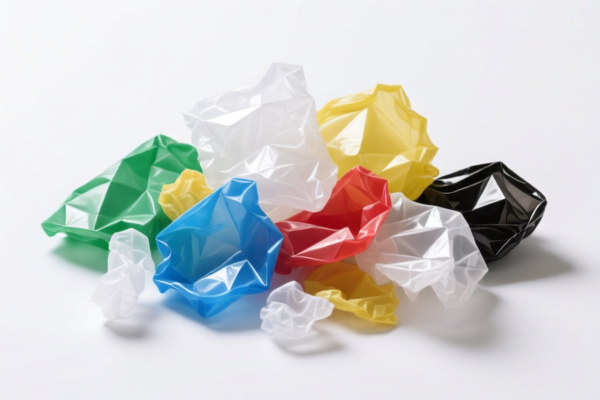
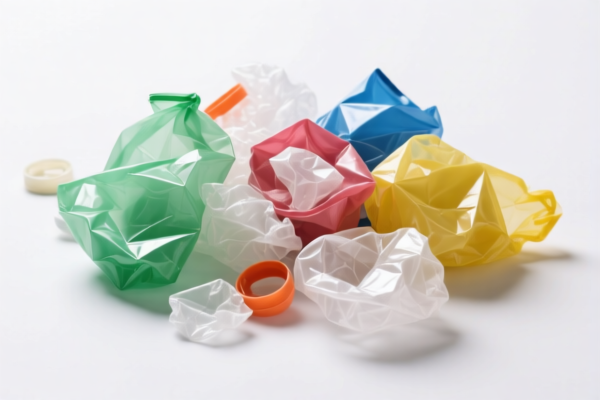
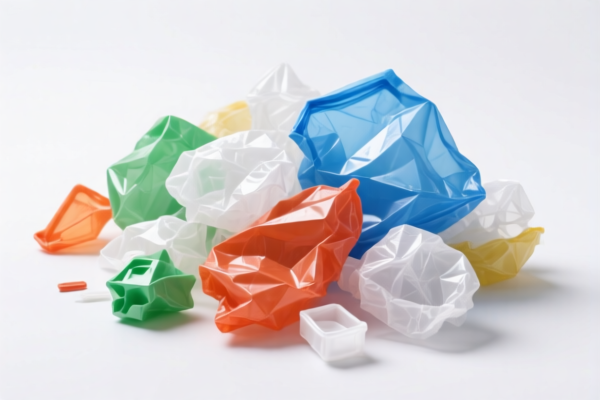

AI Analysis
♻️ Polypropylene Waste (Recyclable PP Scrap & Offcuts)
🌐 HS Code Reference & Customs Clearance Guide | 2026 Latest Tariff Analysis | Professional Entry Strategy
📌 1. Product Definition & Classification: Do You Really Understand "PP Waste"?
Polypropylene (PP) waste refers to post-industrial or post-consumer polypropylene material that is intended for recycling or reprocessing. In international trade, it is not simply "trash"; it is a valuable raw material commodity. The classification depends heavily on: 1. Form: Is it loose scrap, flakes, pellets, or solid blocks? 2. Contamination: Is it clean industrial offcut or mixed household waste? 3. Processing Stage: Is it pre-processing (raw scrap) or post-processing (recycled pellets)?
⚠️ Key Distinction Point: - Clean Industrial Scrap/Offcuts (e.g., from injection molding machines) → Usually Chapter 39 (Plastics and Articles Thereof). - Mixed/Dirty Waste (e.g., household plastic waste, mixed polymers) → May fall under Chapter 39 but with stricter environmental controls, or potentially Chapter 1502/1503 if mixed with fats (rare for PP). - Recycled PP Pellets/Granules (Reprocessed) → Definitely Chapter 39.
📦 2. HS Code Classification Details (2026 Latest Tariff Authority Comparison)
| HS Code | Product Description | Applicable Scenario | Contamination Level |
|---|---|---|---|
3901.30.20.00 |
Polypropylene, in primary forms, waste and scrap | Clean industrial PP scrap (offcuts, trimmings, loose flakes) | ✅ Low (Clean) |
3901.30.20.00 |
Polypropylene, in primary forms, waste and scrap | Mixed PP waste (if identifiable as PP but not clean) | ⚠️ Medium (Requires inspection) |
3901.30.40.00 |
Polypropylene, in primary forms, other | Recycled PP pellets/granules (reprocessed into primary form) | N/A (Finished Recyclate) |
3915.90.00.00 |
Waste, parings and scrap, of plastics | Non-PP plastic waste (if mislabeled or mixed) | N/A (Do not use for PP) |
1502.00.00.00 |
Tallow of animals of heading 01.02 or 01.03 | ❌ Incorrect (Only for animal fats, not plastics) | N/A |
3901.10.00.00 |
Polyethylene, in primary forms | ❌ Incorrect (Only for PE, not PP) | N/A |
🔍 Critical Reminder: - Chapter 39 (Plastics) is the correct chapter for Polypropylene. - Subheading 3901 covers Polyethylene, Propylene and other Olefins. - Waste and Scrap of PP specifically fall under 3901.30.20.00 in many jurisdictions (including US/China/India). - Do NOT confuse
3901.30.20(PP Waste) with3915.90(General Plastic Waste) unless the PP is heavily contaminated or mixed with other plastics. Clean PP scrap is preferentially classified under 3901.30.20.
💰 3. 2026 Latest Tariff Rate Details (Including Surtaxes & Policy Add-ons)
✅ Applicable Country: United States (US) ✅ Origin: China (CN) ✅ Effective Date: 2025-11-10 (and subsequent imports)
🎯 1. 3901.30.20.00 —— Polypropylene, in primary forms, waste and scrap
| Item | Content |
|---|---|
| Base Rate | 0% (ad valorem) for most waste plastics |
| USITC Surtax | +25% (From USITC Footnote 9903.88.01, Section 301 Duties) |
| IEEPA Surtax | +10% (Against China/HK products, from Nov 10, 2025) |
| Total Rate | 35% |
| Tax Calculation | CIF Value × 35% |
| De Minimis Eligibility | ❌ Not Eligible (deny_de_minimis) |
| Legal Path | IEEPA:9903.01.25 → IEEPA:9903.01.24 → USITC:3901.30.20.00 → FOOTNOTE:9903.88.01 |
📌 Explanation: - PP waste is considered a strategic raw material for recycling. - The 25% USITC surtax applies because PP scrap is classified under heading 3901. - The 10% IEEPA surtax is an additional layer for Chinese origin. - Total 35% is significant for low-value scrap. Margins can be wiped out if not accounted for.
🎯 2. 3901.30.40.00 —— Polypropylene, in primary forms, other (e.g., Recycled Pellets)
| Item | Content |
|---|---|
| Base Rate | 0% |
| USITC Surtax | +25% |
| IEEPA Surtax | +10% |
| Total Rate | 35% |
| Tax Calculation | CIF Value × 35% |
| De Minimis Eligibility | ❌ Not Eligible |
📌 Note: - Whether it is loose scrap or recycled pellets, if the HS code starts with
3901.30, the surtaxes apply similarly. - Value Addition: Recycled pellets (3901.30.40) often have a higher CIF value than loose scrap (3901.30.20), but the rate is the same. Ensure you declare the correct form to avoid customs delays.
🛠️ 4. Customs Clearance Practical Advice (Real-World Pitfall Avoidance Guide)
✅ 1. Documentation Checklist (Non-negotiable)
| Document | Must Provide | Description |
|---|---|---|
| ✅ Product Specification Sheet | ✔️ | Must specify "Polypropylene (PP)", "Recyclable", "Clean/Scrap" |
| ✅ Photos of Cargo | ✔️ | Clear images showing the state of waste (flakes, bales, offcuts). Must show no hazardous labels. |
| ✅ Commercial Invoice | ✔️ | Must explicitly state "Polypropylene Waste/Scrap" and HS Code 3901.30.20.00 |
| ✅ Packing List | ✔️ | Weight (Gross/Net) must be precise. Waste is often sold by weight. |
| ✅ Certificate of Origin (CO) | ✔️ | Required to prove origin for surtax calculation. |
| ✅ Environmental Compliance Cert | ✔️ | Some countries require proof that waste is not hazardous (e.g., Basel Convention compliance). |
| ✅ Third-Party Inspection Report | ✔️ | SGS or BV report confirming material composition (PP vs. Mixed Plastic). |
✅ 2. Declaration Tips (Key Mantras)
🔥 "Clean PP, Code 3901, Scrap Not Trash, Declare Form!"
| Scenario | Correct Declaration | Wrong Practice |
|---|---|---|
| Clean PP Offcuts | 3901.30.20.00 (PP Waste) |
Misdeclare as 3915.90 (General Plastic Waste) → Higher scrutiny |
| Mixed Plastic Waste | 3915.90.00.00 |
Declare as 3901.30.20.00 → Rejection & Penalty |
| Recycled PP Pellets | 3901.30.40.00 |
Declare as 3901.30.20.00 → Customs may question form |
| PP Contaminated with Oil/Food | Not PP Waste | Declare as PP Waste → Hazardous material inspection |
✅ 3. Special Case Handling
| Situation | Handling Advice |
|---|---|
| Mixed PP and PE Scrap | Must separate or declare as mixed plastic waste (3915.90). Mixing leads to 301 surtax applicability and potential rejection. |
| Baled vs. Loose | Ensure bales are tightly bound and labeled. Loose flakes may require additional dust control measures during transport. |
| Transshipment via Vietnam/Malaysia | Risk Alert: US Customs is strict on "origin laundering". If PP is sourced from China but shipped from Vietnam, it may still be subject to China-origin surtaxes if deemed to have undergone insufficient transformation. |
| Recycled Content Labeling | If claiming "100% Recycled PP", provide chain-of-custody documentation to justify value and environmental claims. |
🌍 5. Global Main Market Clearance Comparison (2026 Latest)
| Country/Region | Recommended HS Code | Tariff (China Origin) | Certification Requirements | Notes |
|---|---|---|---|---|
| 🇺🇸 United States | 3901.30.20.00 |
35% (25% + 10%) | No special certification | High scrutiny on waste contamination |
| 🇨🇳 China | 3901.30.20.00 |
0% (Import Duty) | None | China is a major importer of PP waste for recycling |
| 🇪🇺 European Union | 3901.30.20.00 |
0% (Duty) | REACH, RoHS, Waste Shipment Regulation (WSR) | Strict WSR rules for waste imports from outside EU |
| 🇮🇳 India | 3901.30.20.00 |
7.5% | BIS Certification, Pollution Control Board Permission | High regulatory burden on plastic waste |
| 🇻🇳 Vietnam | 3901.30.20.00 |
0% | None | Common transshipment hub, but origin checks are strict |
📌 Conclusion: - US is the most expensive market due to the 35% total surtax. - EU and China have low/no duties but strict environmental regulations. - India has moderate duties but heavy administrative hurdles.
📌 6. Common Mistakes & Pitfall Guide (Blood & Tears Lessons)
❌ Mistake 1: Declaring "Mixed Plastic Waste" as "Polypropylene Waste" 👉 Consequence: Customs will inspect, find mixed materials, reject shipment, and impose fines.
❌ Mistake 2: Not disclosing contamination level 👉 Consequence: If PP is found contaminated with food or oil, it may be classified as hazardous waste → Rejection & Return.
❌ Mistake 3: Using "Plastic Scrap" as a generic description 👉 Consequence: Vague descriptions lead to customs queries, delays, and potential audit. Always specify "Polypropylene".
❌ Mistake 4: Ignoring the 301 Surtax for US imports 👉 Consequence: Unexpected 25% surtax + 10% IEEPA = 35% cost increase. Profit margin evaporates.
✅ Correct Approach:
"Polypropylene (PP) Waste, Clean Industrial Scrap, Flakes, Non-Hazardous, HS Code 3901.30.20.00, Origin: China"
🎯 7. Conclusion: Precise Classification Saves Money!
🎯 Remember the Mantra:
🔹 "PP Waste is 3901, Not 3915, Unless Mixed!" 🔹 "US Imports: 35% Tax, Plan Your Margin!" 🔹 "Clean PP is Gold, Dirty PP is Trouble!"
📌 Pro Tip: If your PP waste is sourced from Vietnam, Malaysia, or Thailand, verify if the origin change is substantial enough to avoid Chinese origin surtaxes in the US. Obtain a Detailed Product Ruling from US Customs (CBP) if the origin is ambiguous.
📣 Immediate Action:
📞 Contact a licensed customs broker + Provide Sample Photos + Request HS Code Pre-Ruling 🚀 Ensure Polypropylene Waste flows smoothly, taxes are minimized, and compliance is secured!
✨ Professional Clearance Starts with Accurate Classification! 💼 Every Ton of PP Waste Counts – Don't Let Tariffs Eat Your Profit!
Customer Reviews
About HS Code Classification
The Harmonized System (HS) is an internationally standardized nomenclature developed by the World Customs Organization (WCO) to classify traded products. Over 200 countries use the HS system as the basis for customs tariffs, trade statistics, and import/export regulations.
Each HS code follows a hierarchical structure:
- Chapter (2 digits) — Broad category of goods (e.g., Chapter 84: Machinery and Mechanical Appliances)
- Heading (4 digits) — More specific grouping within the chapter
- Subheading (6 digits) — Internationally standardized breakdown, used by all WCO member countries
- National subdivisions (8-10 digits) — Country-specific extensions for further classification, such as US HTSUS 10-digit codes
Correct HS code classification is essential for smooth customs clearance, accurate duty payment, and compliance with trade regulations. Misclassification can lead to customs delays, overpayment of duties, or penalties.
When importing from CN to US, the applicable tariff rates may include:
- Most-Favored-Nation (MFN) rate — The standard duty rate applied to WTO members
- General rate — Applied to countries without trade agreements
- Trade remedy duties — Additional tariffs such as Section 301 (anti-dumping), Section 232 (national security), or countervailing duties
The information provided on this page is for reference purposes only. For official classification, please consult with your local customs authority or a licensed customs broker.