Polysulfide Thermosetting Block
CN → US| HS编码 | 关税税率 | 原产国 | 目的国 | 文档 |
|---|---|---|---|---|
| 3911909150 | 41.5% | CN | US | 官方文档 |
| 3911904500 | 40.8% | CN | US | 官方文档 |
| 3208900000 | 38.2% | CN | US | 官方文档 |
| 3208100000 | 38.7% | CN | US | 官方文档 |
商品图片

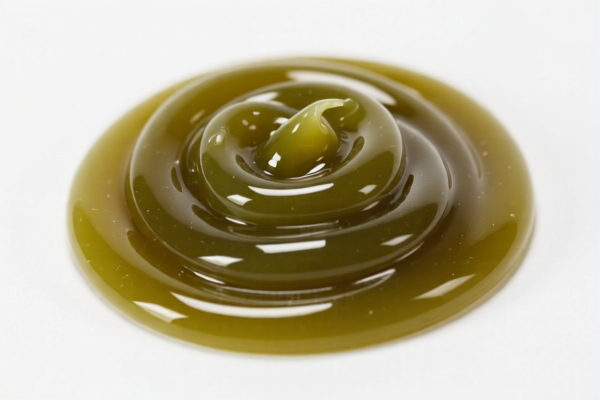
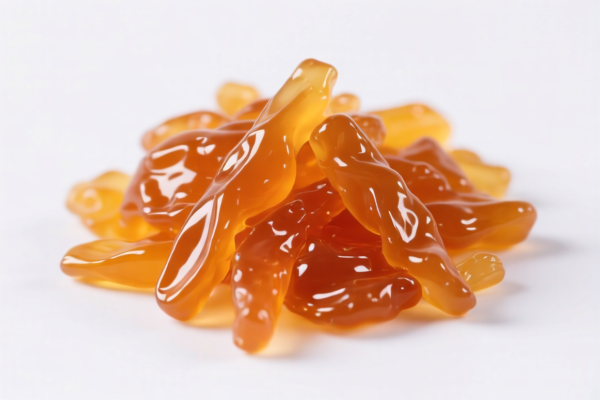
AI分析
🧪 Polysulfide Thermosetting Resin/Cure (Polysulfide Thermosetting Block)
🌐 HS Code Reference & Customs Clearance Guide | 2026 Latest Tariff Analysis | Professional-Level Strategy for Polysulfide Products
📌 I. Product Definition & Classification: Do You Truly Understand "Polysulfide"?
Polysulfide thermosetting resins (often referred to as "polysulfide blocks" or pre-polymers) are high-performance synthetic polymers known for exceptional chemical resistance, fuel tolerance, and weathering stability. In international trade, they are primarily classified based on their chemical nature and form.
Key Distinction:
Polysulfide Resins (HS 3911): If the product is primarily defined by its polysulfide chemical structure, it falls under Chapter 39 (Plastics).
Paints & Varnishes (HS 3208): If the polysulfide resin is dissolved or dispersed in a non-aqueous medium to form a coating ready for application, it may fall under Chapter 32 (Paints and Varnishes).
⚠️ Critical Classification Point:
- If the product is a pure or modified resin in block/paste form, intended for further processing (e.g., mixing with hardeners), it leans towards 3911.90.91.50 or 3911.90.45.00.
- If the product is a finished coating/paint with binders and solvents, it may be classified under 3208.90.00.00 or 3208.10.00.00.
📦 II. HS Code Classification Details (2026 Latest Tariff Reference)
Based on the provided data, here are the four potential HS Codes for "Polysulfide Thermosetting Block" products:
| HS Code | Product Description | Key Attributes | Primary Use Case |
|---|---|---|---|
3911.90.91.50 |
Polysulfide thermosetting paints, material is polysulfide, attribute is thermosetting | Material: Polysulfide; Attribute: Thermosetting | High-performance sealants, industrial coatings where resin identity is paramount |
3911.90.45.00 |
Polysulfide thermosetting paints, explicitly includes polysulfide and thermosetting attributes | Explicit inclusion of both polysulfide and thermosetting nature | Precise chemical classification for polysulfide pre-polymers |
3208.90.00.00 |
Polysulfide thermosetting paints, material is synthetic polymer, form is paint | Material: Synthetic Polymer; Form: Paint | General synthetic polymer-based coatings, less specific to polysulfide identity |
3208.10.00.00 |
Polysulfide thermosetting paints, based on synthetic polymer, dispersed/dissolved in non-aqueous medium | Basis: Synthetic Polymer; Medium: Non-aqueous | Liquid coatings, varnishes, or primers ready for application |
🔍 Important Note:
- The choice between 3911 (Plastics/Resins) and 3208 (Paints) depends heavily on the state of the product and commercial intent.
- If it’s a raw material (resin block) → 3911.
- If it’s a formulated coating (paint/liquid) → 3208.
💰 III. 2026 Latest Tariff Rate Breakdown (Including Surtaxes & Policy Surcharges)
✅ Applicable Country: United States (US)
✅ Origin: China (CN)
✅ Effective Date: 2025 November 10 onwards (for subsequent imports)
🎯 1. 3911.90.91.50 —— Polysulfide Thermosetting Paints (Resin Focus)
| Item | Details |
|---|---|
| Base Tariff | 6.5% |
| Section 301 Surtax | +25.0% |
| Section 122 Tariff | +10.0% |
| Total Tariff Rate | 41.5% |
| Tax Calculation | CIF Value × 41.5% |
| De Minimis Exemption | ❌ Not Eligible |
| Legal Basis Path | Section 301 → Section 122 → HTSUS 3911.90.91.50 |
📌 Explanation:
- Base 6.5%: Standard US MFN rate for plastic materials not elsewhere specified.
- 25% Section 301: Additional duty on Chinese goods under the Trade Promotion Authority.
- 10% Section 122: Additional duty under Section 122 of the Trade Expansion Act (national security provisions).
- Total 41.5%: A high-cost entry barrier for polysulfide resin imports from China.
🎯 2. 3911.90.45.00 —— Polysulfide Thermosetting Paints (Explicit Classification)
| Item | Details |
|---|---|
| Base Tariff | 5.8% |
| Section 301 Surtax | +25.0% |
| Section 122 Tariff | +10.0% |
| Total Tariff Rate | 40.8% |
| Tax Calculation | CIF Value × 40.8% |
| De Minimis Exemption | ❌ Not Eligible |
| Legal Basis Path | Section 301 → Section 122 → HTSUS 3911.90.45.00 |
📌 Note:
- Slightly lower base tariff (5.8%) compared to3911.90.91.50.
- Still subject to the full 35% in additional duties (25% + 10%).
- Total effective rate: 40.8%.
🎯 3. 3208.90.00.00 —— Polysulfide Thermosetting Paints (Synthetic Polymer Focus)
| Item | Details |
|---|---|
| Base Tariff | 3.2% |
| Section 301 Surtax | +25.0% |
| Section 122 Tariff | +10.0% |
| Total Tariff Rate | 38.2% |
| Tax Calculation | CIF Value × 38.2% |
| De Minimis Exemption | ❌ Not Eligible |
| Legal Basis Path | Section 301 → Section 122 → HTSUS 3208.90.00.00 |
📌 Explanation:
- Lower base tariff (3.2%) due to classification under paints/varnishes.
- Still bears the brunt of the 35% additional duties.
- Total effective rate: 38.2%.
🎯 4. 3208.10.00.00 —— Polysulfide Thermosetting Paints (Non-Aqueous Medium)
| Item | Details |
|---|---|
| Base Tariff | 3.7% |
| Section 301 Surtax | +25.0% |
| Section 122 Tariff | +10.0% |
| Total Tariff Rate | 38.7% |
| Tax Calculation | CIF Value × 38.7% |
| De Minimis Exemption | ❌ Not Eligible |
| Legal Basis Path | Section 301 → Section 122 → HTSUS 3208.10.00.00 |
📌 Note:
- Similar to3208.90.00.00, but specifically for non-aqueous dispersions/solutions.
- Base tariff is slightly higher (3.7%) than3208.90.00.00.
- Total effective rate: 38.7%.
🛠️ IV. Customs Clearance Practical Advice (Real-World Pitfall Avoidance Guide)
✅ 1. Required Documentation Checklist (Non-Negotiable)
| Document | Mandatory? | Description |
|---|---|---|
| ✅ Product Specification Sheet | ✔️ | Must detail chemical composition, molecular weight, cure type, and physical form (block/paste). |
| ✅ MSDS/SDS | ✔️ | Critical for hazardous material determination and safety handling. |
| ✅ Commercial Invoice | ✔️ | Must clearly describe the product as "Polysulfide Thermosetting Resin/Paint" and specify HS Code. |
| ✅ Certificate of Origin (CO) | ✔️ | Essential for determining origin-based surcharges (Section 301/122). |
| ✅ Packing List | ✔️ | Detailed list of contents, net/gross weights, and package dimensions. |
| ✅ Formulation Data | ✔️ | If classifying under 3208, provide proof of polymer concentration and solvent content. |
✅ 2. Declaration Strategy (Key Mnemonics)
🔥 “Resin vs. Paint: Form Defines Code, Code Defines Cost!”
| Scenario | Correct Declaration | Incorrect Approach |
|---|---|---|
| Pure Polysulfide Resin Block | 3911.90.91.50 or 3911.90.45.00 |
Misdeclare as "Paint" → Risk of misclassification penalty |
| Pre-mixed Polysulfide Sealant | 3208.90.00.00 or 3208.10.00.00 |
Misdeclare as "Plastic Resin" → May face duty discrepancies |
| Polysulfide Primer (Liquid) | 3208.10.00.00 |
General "Paint" without specifying medium → Delays |
| Raw Polysulfide Polymer | 3911.90.45.00 |
Vague "Chemical Material" → High scrutiny |
✅ 3. Special Cases Handling
| Scenario | Handling Advice |
|---|---|
| OEM Custom Polysulfide | Provide client contracts + technical data sheets to justify specific HS Code. |
| Polysulfide + Solvent Mix | If solvent content is high, lean towards 3208 (Paints). If resin content dominates, lean towards 3911. |
| Export from China to US | Prepare for 35% additional duties (25% + 10%). Factor this into pricing. |
| Third-Party Testing | Obtain third-party analysis confirming "Thermosetting" nature if challenging classification. |
🌍 V. Global Market Customs Comparison (2026 Latest)
| Country/Region | Recommended HS Code | Tariff (China Origin) | Certification Requirements | Notes |
|---|---|---|---|---|
| 🇺🇸 USA | 3911.90.91.50 |
41.5% | EPA Registration (if coating) | High tariffs due to Section 301 & 122 |
| 🇨🇳 China | 3911.90.91.50 |
~5-6% | CCC (if electrical) | Lower base tariff |
| 🇪🇺 EU | 3911.90.91.50 |
~5-6% | REACH Compliance | No Section 301/122 equivalent |
| 🇦🇺 Australia | 3911.90.91.50 |
~5% | AICIS Registration | Moderate tariffs |
| 🇯🇵 Japan | 3911.90.91.50 |
~0-3% | PSE (if applicable) | Low tariffs, strict safety standards |
📌 Conclusion:
- The US market imposes the highest tariff burden (38.2%–41.5%) on polysulfide products from China.
- EU, Japan, and Australia offer significantly more favorable tariff rates.
- Consider supply chain diversification or tariff engineering (e.g., slight formulation changes) if targeting the US market.
📌 VI. Common Errors & Pitfall Guide (Lessons Learned)
❌ Error 1: Declaring "Polysulfide Resin" as "General Plastic"
👉 Consequence: Misclassification, potential fines, and delayed customs clearance.
❌ Error 2: Ignoring Section 122 Tariffs
👉 Consequence: Underpayment of duties (10% missed) → Back taxes + penalties.
❌ Error 3: Confusing "Thermoplastic" with "Thermosetting"
👉 Consequence: Wrong HS Code selection → Incorrect duty calculation.
❌ Error 4: Failing to disclose "Non-Aqueous Medium" for Paints
👉 Consequence: Customs may reclassify under a different subheading → Higher duties.
✅ Correct Approach:
"Polysulfide Thermosetting Resin, Block Form, Chemical Resistance, Non-Aqueous Based, Model XYZ, SDS Attached, Origin: China"
🎯 VII. Conclusion: Professional Declaration, Cost Efficiency, Risk Mitigation!
🎯 Remember the Mnemonic:
🔹 "Resin is 3911, Paint is 3208, Check the Form, Check the Medium!"
🔹 "US Tariffs Hit Hard: 35% Extra, Total Over 38%, Plan Your Cost!"
📌 Pro Tip:
If your polysulfide product is originating from Vietnam, Mexico, or other non-China sources, you may avoid Section 301 and 122 surcharges, significantly reducing your total duty burden.
Recommend pre-ruling applications with US CBP for definitive HS Code classification before shipment.
📣 Immediate Action:
📞 Consult a licensed customs broker + Provide Product SDS + Apply for Advance Ruling
🚀 Ensure smooth clearance, cost control, and successful export of your polysulfide products!
✨ Professional Customs Clearance Starts with Accurate Classification!
💼 Every Cent of Duty Should Be Precisely Calculated!
用户评价
关于 HS 编码归类
协调制度(HS)是由世界海关组织(WCO)制定的国际贸易商品分类标准。全球 200 多个国家采用 HS 系统作为海关关税、贸易统计和进出口监管的基础。
每个 HS 编码遵循以下层级结构:
- 章(2 位)——商品大类(例如:第 84 章:机器和机械设备)
- 品目(4 位)——章内的更具体分类
- 子目(6 位)——国际通用细分,所有 WCO 成员国统一使用
- 本国细分(8-10 位)——各国自行扩展的细分编码,如美国 HTSUS 10 位编码
正确的 HS 编码归类对于顺利通关、准确缴纳关税和遵守贸易法规至关重要。错误归类可能导致海关延误、多缴关税或罚款。
从CN进口到US时,适用的关税税率可能包括:
- 最惠国(MFN)税率——适用于 WTO 成员国的标准关税税率
- 普通税率——适用于无贸易协定国家
- 贸易救济关税——附加关税,如 301 条款(反倾销)、232 条款(国家安全)或反补贴税
本页内容仅供参考。如需正式归类,请咨询当地海关或持牌报关代理。