Polyurethane Textile Composite Anti static Coated Board
CN → US| HS编码 | 关税税率 | 原产国 | 目的国 | 文档 |
|---|---|---|---|---|
| 3921131950 | 40.3% | CN | US | 官方文档 |
| 5903202000 | 35.0% | CN | US | 官方文档 |
| 3921131500 | 41.5% | CN | US | 官方文档 |
| 5903202500 | 42.5% | CN | US | 官方文档 |
| 6810990080 | 35.0% | CN | US | 官方文档 |
商品图片
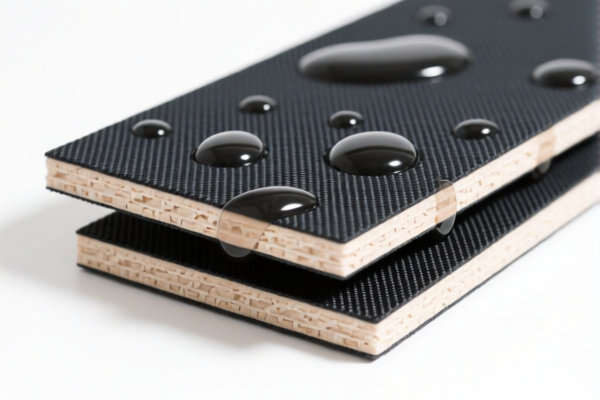

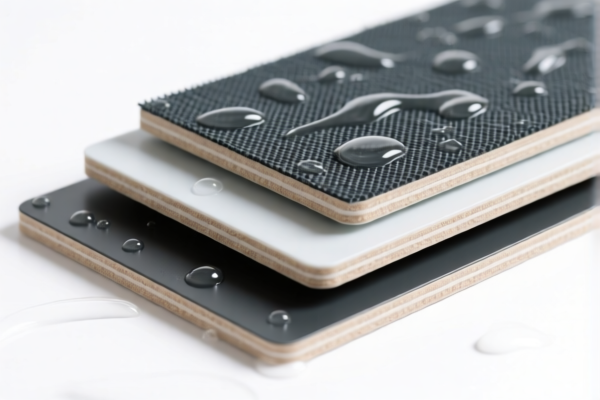
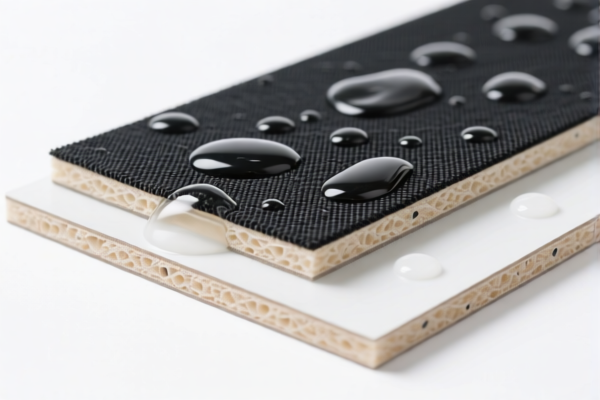
AI分析
🧱 Polyurethane Textile Composite Anti-static Coated Board
🌐 HS Code Reference & Customs Clearance Guide | 2026 Latest Tariff Analysis | Professional Entry Strategy for US Market
📌 I. Product Definition & Classification: What Exactly is This Board?
This product is a specialized construction material featuring a Polyurethane (PU) core or layer combined with textile materials, designed for anti-static properties and used in construction applications.
In international trade, the classification hinges on the primary form and manufacturing process: * Is it a simple board/plate? → Likely falls under Chapter 39 (Plastics). * Is it a textile fabric treated/coated? → Likely falls under Chapter 59 (Impregnated Textiles). * Is it a composite with cement/concrete? → Likely falls under Chapter 68 (Mineral Products).
⚠️ Key Distinction Point:
- If the textile is merely a backing and the PU is the dominant material forming a rigid sheet → Chapter 39.
- If the textile is the base structure and PU is impregnated/coated onto it, maintaining textile character → Chapter 59.
- If the final product is inferred as a mineral-based board with PU composite structure → Chapter 68.
📦 II. HS Code Classification Details (2026 Latest Tariff Authority Mapping)
Based on the specific characteristics provided in your data, here are the four most likely HS Codes and their corresponding tax implications:
| HS Code | Product Description | Application/Feature | Primary Tax Rate |
|---|---|---|---|
3921.13.19.50 |
Polyurethane Material, Plate Form, Construction Use. Fits description of PU sheets/films. | Rigid PU boards, flat panels. | 40.3% |
5903.20.20.00 |
Polyurethane Material, Textile Composite Form, Construction Use. Fits Impregnated/Coated/Laminated textile characteristics. | Textile-backed PU sheets, coated fabrics. | 35.0% |
3921.13.15.00 |
Polyurethane Material, Composite Board Form, Construction Use. Fits PU combined with textile materials. | Hybrid PU-textile boards. | 41.5% |
5903.20.25.00 |
Polyurethane Material, Textile Form, Construction Use. Fits PU-treated man-made fiber textile fabrics. | Anti-static PU-coated textiles. | 42.5% |
6810.99.00.80 |
Construction Board (Inferred Cement/Concrete/Artificial Stone), PU Composite Structure, No Material Conflict. | Mineral-based boards with PU finish. | 35.0% |
🔍 Priority Analysis:
- The term "Anti-static Coated Board" suggests a surface treatment on a base.
- If the base is textile and the PU is a coating/impregnation, 5903.20.20.00 (35.0%) is often the most cost-effective classification due to the 0% base tariff.
- If the product is structurally a rigid plastic board with textile backing, 3921.13.19.50 (40.3%) may apply.
💰 III. 2026 Latest Tariff Rate Details (Including Surtaxes & Policy Add-ons)
✅ Applicable Country: United States (US)
✅ Origin: China (CN)
✅ Effective Time: Ongoing (Section 301 & IEEPA measures)
🎯 1. 5903.20.20.00 —— Polyurethane Impregnated/Coated Textile (Recommended for Cost Optimization)
| Item | Content |
|---|---|
| Base Tariff | 0.0% (ad valorem) |
| Section 301 Surtax | +25.0% |
| Section 122 Tariff | +10.0% |
| Total Effective Rate | 35.0% |
| Tax Calculation | CIF Value × 35% |
| De Minimis Eligibility | ❌ Not Eligible (deny_de_minimis) |
| Legal Basis Path | USITC:5903.20.20.00 → Section 301: Footnote 9903.88.01 → Section 122: IEEPA authority |
📌 Explanation:
- The 0% base tariff is the key advantage here.
- The +25% Section 301 tariff applies to most Chinese-manufactured textiles/chemical products.
- The +10% Section 122 tariff adds an extra layer for strategic goods.
- Total: 35%. This is the lowest total tax rate among the textile-based classifications.
🎯 2. 6810.99.00.80 —— Construction Board (Mineral/Composite Inference)
| Item | Content |
|---|---|
| Base Tariff | 0.0% |
| Section 301 Surtax | +25.0% |
| Section 122 Tariff | +10.0% |
| Total Effective Rate | 35.0% |
| Tax Calculation | CIF Value × 35% |
| De Minimis Eligibility | ❌ Not Eligible |
| Legal Basis Path | USITC:6810.99.00.80 → Section 301 → Section 122 |
📌 Explanation:
- If customs interprets the "Board" as a mineral-based construction material (e.g., cement board with PU coating) rather than a plastic or textile good, this code applies.
- Also yields 35%. However, proving it falls under Chapter 68 (Mineral Products) rather than Chapter 39 (Plastics) or 59 (Textiles) requires strong technical documentation.
🎯 3. 3921.13.19.50 —— Polyurethane Plate/Sheet
| Item | Content |
|---|---|
| Base Tariff | 5.3% |
| Section 301 Surtax | +25.0% |
| Section 122 Tariff | +10.0% |
| Total Effective Rate | 40.3% |
| Tax Calculation | CIF Value × 40.3% |
| De Minimis Eligibility | ❌ Not Eligible |
| Legal Basis Path | USITC:3921.13.19.50 → Section 301 → Section 122 |
📌 Explanation:
- Higher base rate (5.3%) makes this more expensive than Chapter 59 options.
- Use this only if the product is definitively a plastic plate and not a textile composite.
🎯 4. 3921.13.15.00 —— Polyurethane Composite Board
| Item | Content |
|---|---|
| Base Tariff | 6.5% |
| Section 301 Surtax | +25.0% |
| Section 122 Tariff | +10.0% |
| Total Effective Rate | 41.5% |
| Tax Calculation | CIF Value × 41.5% |
| De Minimis Eligibility | ❌ Not Eligible |
📌 Explanation:
- Highest base rate among Chapter 39 options (6.5%).
- Avoid unless specific composite rules dictate this subheading.
🎯 5. 5903.20.25.00 —— Polyurethane Treated Textile Fabric
| Item | Content |
|---|---|
| Base Tariff | 7.5% |
| Section 301 Surtax | +25.0% |
| Section 122 Tariff | +10.0% |
| Total Effective Rate | 42.5% |
| Tax Calculation | CIF Value × 42.5% |
| De Minimis Eligibility | ❌ Not Eligible |
📌 Explanation:
- Higher base rate (7.5%) makes this the most expensive option among the five.
- Only use if the product is clearly a fabric/roll rather than a board/sheet.
🛠️ IV. Customs Clearance Practical Advice (实战避坑指南)
✅ 1. Preparation Checklist (Must-Have Documents)
| Document | Required? | Description |
|---|---|---|
| ✅ Product Specification Sheet | ✔️ | Must detail: Material composition (PU % vs. Textile %), Thickness, Anti-static rating, Intended use (Construction). |
| ✅ Technical Data Sheet (TDS) | ✔️ | Prove anti-static properties (e.g., surface resistance < 10^9 ohms). |
| ✅ Structure Diagram | ✔️ | Show layers: Is PU a coating on textile? Or is textile a backing for PU? |
| ✅ Photos (Label & Whole Item) | ✔️ | Clear view of "Anti-static" marking, brand, and form factor (board vs. roll). |
| ✅ Commercial Invoice | ✔️ | Must explicitly state "Polyurethane Textile Composite Anti-static Coated Board for Construction". |
| ✅ Packing List | ✔️ | Dimensions, weight, number of boards. |
✅ 2. Classification Strategy & Key Mnemonic
🔥 "Form Determines Chapter: Plate=39, Coated Fabric=59, Mineral=68"
| Scenario | Correct Classification | Why? |
|---|---|---|
| Rigid Board, PU Core, Textile Backing | 3921.13.19.50 or 3921.13.15.00 |
Plastic character prevails. Higher tax. |
| Fabric Base, PU Coated/Impregnated, Anti-static | 5903.20.20.00 |
Textile character prevails. Lowest Tax (35%). |
| Cement Board with PU Surface Layer | 6810.99.00.80 |
Mineral product character prevails. Low Tax (35%). |
| Soft Roll, PU Treated Textile | 5903.20.25.00 |
Pure textile treatment. Higher Tax (42.5%). |
📌 Critical Advice:
- If the product is a board (rigid), but made from impregnated textile, try to argue for5903.20.20.00if it retains textile characteristics (e.g., flexible before hardening, or textured).
- If it is a rigid plastic sheet, you cannot avoid Chapter 39.
- Anti-static property does not change the HS Code but must be declared for safety compliance (ESD standards).
✅ 3. Special Cases & Risk Management
| Situation | Handling Advice |
|---|---|
| OEM Custom Board | Provide client design specs to prove it's not a generic "textile roll". |
| Mixed Packaging | If shipped with other non-PU items, declare separately to avoid classification confusion. |
| US Customs Ruling | Apply for an Advance Ruling (Pre-Decision) if the form factor is ambiguous (e.g., semi-rigid board). |
| Anti-static Certification | Have UL, CE, or IEC 61340-2-1 certificates ready. Customs may inspect for ESD compliance in electronics-sensitive construction zones. |
🌍 V. Global Market Comparison (2026 Latest)
| Country/Region | Recommended HS Code | Total Tax Rate | Key Requirement |
|---|---|---|---|
| 🇺🇸 USA | 5903.20.20.00 |
35% (Lowest) | Section 301 + 122 Tariffs Apply |
| 🇨🇳 China | 5903.20.20.00 |
~13-15% | No surtaxes. Standard MFN rate. |
| 🇪🇺 EU | 5903.20.20.00 |
6.5% - 10% | REACH Compliance Required |
| 🇦🇺 Australia | 5903.20.20.00 |
5% | No surtaxes |
📌 Conclusion:
- USA is the highest tax jurisdiction for this product.
- Strategy: Aim for5903.20.20.00or6810.99.00.80to achieve the 35% total rate. Avoid Chapter 39 codes if possible to save 5-7.5% on base tariffs.
📌 VI. Common Mistakes & Pitfalls (Lessons Learned)
❌ Mistake 1: Declaring as "Textile Roll" when it's a "Rigid Board"
👉 Consequence: Customs may reclassify to 3921... or penalize for misrepresentation.
👉 Solution: Emphasize "Board/Panel" in description if rigid.
❌ Mistake 2: Ignoring the "Anti-static" label
👉 Consequence: May be held for inspection for ESD compliance delays.
👉 Solution: Attach technical certificates upfront.
❌ Mistake 3: Choosing the highest tax code (5903.20.25.00 at 42.5%) without reason
👉 Consequence: Unnecessary cost increase.
👉 Solution: If it's a coated board, 5903.20.20.00 (35%) is better.
✅ Correct Declaration Example:
"Polyurethane-impregnated textile composite board, anti-static, for construction use, rigid form, HS Code 5903.20.20.00"
🎯 VII. Conclusion: Optimize Classification, Save Costs!
🎯 Remember the Rule:
🔹 "Textile Base + PU Coating = 5903 (35%)"
🔹 "Plastic Base + Textile Backing = 3921 (40-41%)"
🔹 "Mineral Base + PU Finish = 6810 (35%)"
📌 Pro Tip:
If your product is rigid, consider if it can be technically described as a "textile-based composite board" to qualify for 5903.20.20.00. If it is clearly a plastic sheet, accept the higher rate of 3921.13.19.50.
Always apply for an Advance Ruling if the physical form is ambiguous!
✨ Professional Clearance, Starting with Precise Classification!
💼 Every 1% saved in tariff is pure profit!
用户评价
关于 HS 编码归类
协调制度(HS)是由世界海关组织(WCO)制定的国际贸易商品分类标准。全球 200 多个国家采用 HS 系统作为海关关税、贸易统计和进出口监管的基础。
每个 HS 编码遵循以下层级结构:
- 章(2 位)——商品大类(例如:第 84 章:机器和机械设备)
- 品目(4 位)——章内的更具体分类
- 子目(6 位)——国际通用细分,所有 WCO 成员国统一使用
- 本国细分(8-10 位)——各国自行扩展的细分编码,如美国 HTSUS 10 位编码
正确的 HS 编码归类对于顺利通关、准确缴纳关税和遵守贸易法规至关重要。错误归类可能导致海关延误、多缴关税或罚款。
从CN进口到US时,适用的关税税率可能包括:
- 最惠国(MFN)税率——适用于 WTO 成员国的标准关税税率
- 普通税率——适用于无贸易协定国家
- 贸易救济关税——附加关税,如 301 条款(反倾销)、232 条款(国家安全)或反补贴税
本页内容仅供参考。如需正式归类,请咨询当地海关或持牌报关代理。