Polyurethane Textile Composite Anti static Coated Board
CN → US| HS Code | Tariff Rate | Origin | Destination | Doc |
|---|---|---|---|---|
| 3921131950 | 40.3% | CN | US | Official Doc |
| 5903202000 | 35.0% | CN | US | Official Doc |
| 3921131500 | 41.5% | CN | US | Official Doc |
| 5903202500 | 42.5% | CN | US | Official Doc |
| 6810990080 | 35.0% | CN | US | Official Doc |
Product Images
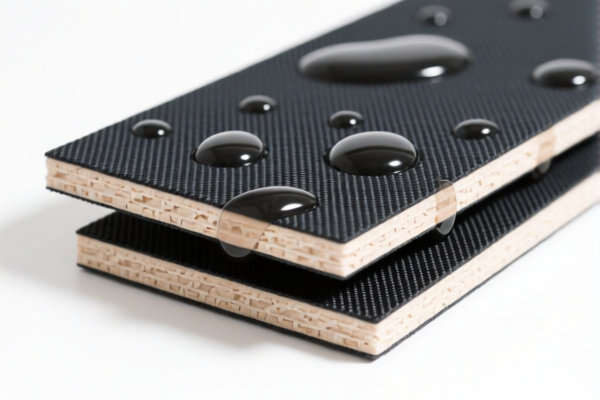

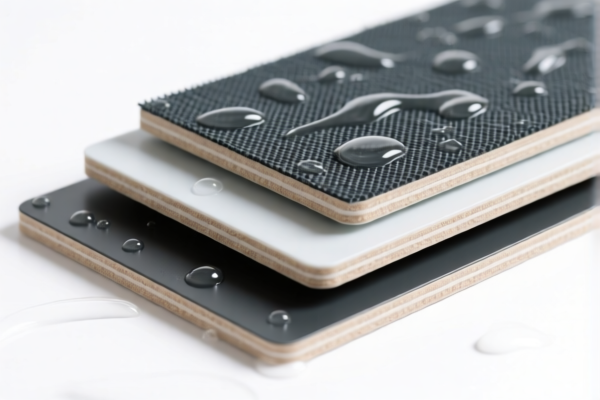
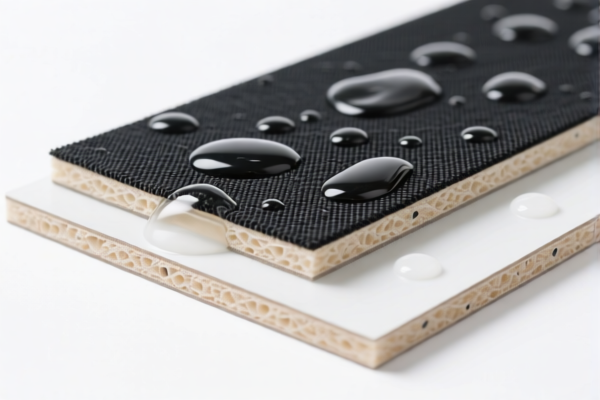
AI Analysis
🧱 Polyurethane Textile Composite Anti-static Coated Board
🌐 HS Code Reference & Customs Clearance Guide | 2026 Latest Tariff Analysis | Professional Entry Strategy for US Market
📌 I. Product Definition & Classification: What Exactly is This Board?
This product is a specialized construction material featuring a Polyurethane (PU) core or layer combined with textile materials, designed for anti-static properties and used in construction applications.
In international trade, the classification hinges on the primary form and manufacturing process: * Is it a simple board/plate? → Likely falls under Chapter 39 (Plastics). * Is it a textile fabric treated/coated? → Likely falls under Chapter 59 (Impregnated Textiles). * Is it a composite with cement/concrete? → Likely falls under Chapter 68 (Mineral Products).
⚠️ Key Distinction Point:
- If the textile is merely a backing and the PU is the dominant material forming a rigid sheet → Chapter 39.
- If the textile is the base structure and PU is impregnated/coated onto it, maintaining textile character → Chapter 59.
- If the final product is inferred as a mineral-based board with PU composite structure → Chapter 68.
📦 II. HS Code Classification Details (2026 Latest Tariff Authority Mapping)
Based on the specific characteristics provided in your data, here are the four most likely HS Codes and their corresponding tax implications:
| HS Code | Product Description | Application/Feature | Primary Tax Rate |
|---|---|---|---|
3921.13.19.50 |
Polyurethane Material, Plate Form, Construction Use. Fits description of PU sheets/films. | Rigid PU boards, flat panels. | 40.3% |
5903.20.20.00 |
Polyurethane Material, Textile Composite Form, Construction Use. Fits Impregnated/Coated/Laminated textile characteristics. | Textile-backed PU sheets, coated fabrics. | 35.0% |
3921.13.15.00 |
Polyurethane Material, Composite Board Form, Construction Use. Fits PU combined with textile materials. | Hybrid PU-textile boards. | 41.5% |
5903.20.25.00 |
Polyurethane Material, Textile Form, Construction Use. Fits PU-treated man-made fiber textile fabrics. | Anti-static PU-coated textiles. | 42.5% |
6810.99.00.80 |
Construction Board (Inferred Cement/Concrete/Artificial Stone), PU Composite Structure, No Material Conflict. | Mineral-based boards with PU finish. | 35.0% |
🔍 Priority Analysis:
- The term "Anti-static Coated Board" suggests a surface treatment on a base.
- If the base is textile and the PU is a coating/impregnation, 5903.20.20.00 (35.0%) is often the most cost-effective classification due to the 0% base tariff.
- If the product is structurally a rigid plastic board with textile backing, 3921.13.19.50 (40.3%) may apply.
💰 III. 2026 Latest Tariff Rate Details (Including Surtaxes & Policy Add-ons)
✅ Applicable Country: United States (US)
✅ Origin: China (CN)
✅ Effective Time: Ongoing (Section 301 & IEEPA measures)
🎯 1. 5903.20.20.00 —— Polyurethane Impregnated/Coated Textile (Recommended for Cost Optimization)
| Item | Content |
|---|---|
| Base Tariff | 0.0% (ad valorem) |
| Section 301 Surtax | +25.0% |
| Section 122 Tariff | +10.0% |
| Total Effective Rate | 35.0% |
| Tax Calculation | CIF Value × 35% |
| De Minimis Eligibility | ❌ Not Eligible (deny_de_minimis) |
| Legal Basis Path | USITC:5903.20.20.00 → Section 301: Footnote 9903.88.01 → Section 122: IEEPA authority |
📌 Explanation:
- The 0% base tariff is the key advantage here.
- The +25% Section 301 tariff applies to most Chinese-manufactured textiles/chemical products.
- The +10% Section 122 tariff adds an extra layer for strategic goods.
- Total: 35%. This is the lowest total tax rate among the textile-based classifications.
🎯 2. 6810.99.00.80 —— Construction Board (Mineral/Composite Inference)
| Item | Content |
|---|---|
| Base Tariff | 0.0% |
| Section 301 Surtax | +25.0% |
| Section 122 Tariff | +10.0% |
| Total Effective Rate | 35.0% |
| Tax Calculation | CIF Value × 35% |
| De Minimis Eligibility | ❌ Not Eligible |
| Legal Basis Path | USITC:6810.99.00.80 → Section 301 → Section 122 |
📌 Explanation:
- If customs interprets the "Board" as a mineral-based construction material (e.g., cement board with PU coating) rather than a plastic or textile good, this code applies.
- Also yields 35%. However, proving it falls under Chapter 68 (Mineral Products) rather than Chapter 39 (Plastics) or 59 (Textiles) requires strong technical documentation.
🎯 3. 3921.13.19.50 —— Polyurethane Plate/Sheet
| Item | Content |
|---|---|
| Base Tariff | 5.3% |
| Section 301 Surtax | +25.0% |
| Section 122 Tariff | +10.0% |
| Total Effective Rate | 40.3% |
| Tax Calculation | CIF Value × 40.3% |
| De Minimis Eligibility | ❌ Not Eligible |
| Legal Basis Path | USITC:3921.13.19.50 → Section 301 → Section 122 |
📌 Explanation:
- Higher base rate (5.3%) makes this more expensive than Chapter 59 options.
- Use this only if the product is definitively a plastic plate and not a textile composite.
🎯 4. 3921.13.15.00 —— Polyurethane Composite Board
| Item | Content |
|---|---|
| Base Tariff | 6.5% |
| Section 301 Surtax | +25.0% |
| Section 122 Tariff | +10.0% |
| Total Effective Rate | 41.5% |
| Tax Calculation | CIF Value × 41.5% |
| De Minimis Eligibility | ❌ Not Eligible |
📌 Explanation:
- Highest base rate among Chapter 39 options (6.5%).
- Avoid unless specific composite rules dictate this subheading.
🎯 5. 5903.20.25.00 —— Polyurethane Treated Textile Fabric
| Item | Content |
|---|---|
| Base Tariff | 7.5% |
| Section 301 Surtax | +25.0% |
| Section 122 Tariff | +10.0% |
| Total Effective Rate | 42.5% |
| Tax Calculation | CIF Value × 42.5% |
| De Minimis Eligibility | ❌ Not Eligible |
📌 Explanation:
- Higher base rate (7.5%) makes this the most expensive option among the five.
- Only use if the product is clearly a fabric/roll rather than a board/sheet.
🛠️ IV. Customs Clearance Practical Advice (实战避坑指南)
✅ 1. Preparation Checklist (Must-Have Documents)
| Document | Required? | Description |
|---|---|---|
| ✅ Product Specification Sheet | ✔️ | Must detail: Material composition (PU % vs. Textile %), Thickness, Anti-static rating, Intended use (Construction). |
| ✅ Technical Data Sheet (TDS) | ✔️ | Prove anti-static properties (e.g., surface resistance < 10^9 ohms). |
| ✅ Structure Diagram | ✔️ | Show layers: Is PU a coating on textile? Or is textile a backing for PU? |
| ✅ Photos (Label & Whole Item) | ✔️ | Clear view of "Anti-static" marking, brand, and form factor (board vs. roll). |
| ✅ Commercial Invoice | ✔️ | Must explicitly state "Polyurethane Textile Composite Anti-static Coated Board for Construction". |
| ✅ Packing List | ✔️ | Dimensions, weight, number of boards. |
✅ 2. Classification Strategy & Key Mnemonic
🔥 "Form Determines Chapter: Plate=39, Coated Fabric=59, Mineral=68"
| Scenario | Correct Classification | Why? |
|---|---|---|
| Rigid Board, PU Core, Textile Backing | 3921.13.19.50 or 3921.13.15.00 |
Plastic character prevails. Higher tax. |
| Fabric Base, PU Coated/Impregnated, Anti-static | 5903.20.20.00 |
Textile character prevails. Lowest Tax (35%). |
| Cement Board with PU Surface Layer | 6810.99.00.80 |
Mineral product character prevails. Low Tax (35%). |
| Soft Roll, PU Treated Textile | 5903.20.25.00 |
Pure textile treatment. Higher Tax (42.5%). |
📌 Critical Advice:
- If the product is a board (rigid), but made from impregnated textile, try to argue for5903.20.20.00if it retains textile characteristics (e.g., flexible before hardening, or textured).
- If it is a rigid plastic sheet, you cannot avoid Chapter 39.
- Anti-static property does not change the HS Code but must be declared for safety compliance (ESD standards).
✅ 3. Special Cases & Risk Management
| Situation | Handling Advice |
|---|---|
| OEM Custom Board | Provide client design specs to prove it's not a generic "textile roll". |
| Mixed Packaging | If shipped with other non-PU items, declare separately to avoid classification confusion. |
| US Customs Ruling | Apply for an Advance Ruling (Pre-Decision) if the form factor is ambiguous (e.g., semi-rigid board). |
| Anti-static Certification | Have UL, CE, or IEC 61340-2-1 certificates ready. Customs may inspect for ESD compliance in electronics-sensitive construction zones. |
🌍 V. Global Market Comparison (2026 Latest)
| Country/Region | Recommended HS Code | Total Tax Rate | Key Requirement |
|---|---|---|---|
| 🇺🇸 USA | 5903.20.20.00 |
35% (Lowest) | Section 301 + 122 Tariffs Apply |
| 🇨🇳 China | 5903.20.20.00 |
~13-15% | No surtaxes. Standard MFN rate. |
| 🇪🇺 EU | 5903.20.20.00 |
6.5% - 10% | REACH Compliance Required |
| 🇦🇺 Australia | 5903.20.20.00 |
5% | No surtaxes |
📌 Conclusion:
- USA is the highest tax jurisdiction for this product.
- Strategy: Aim for5903.20.20.00or6810.99.00.80to achieve the 35% total rate. Avoid Chapter 39 codes if possible to save 5-7.5% on base tariffs.
📌 VI. Common Mistakes & Pitfalls (Lessons Learned)
❌ Mistake 1: Declaring as "Textile Roll" when it's a "Rigid Board"
👉 Consequence: Customs may reclassify to 3921... or penalize for misrepresentation.
👉 Solution: Emphasize "Board/Panel" in description if rigid.
❌ Mistake 2: Ignoring the "Anti-static" label
👉 Consequence: May be held for inspection for ESD compliance delays.
👉 Solution: Attach technical certificates upfront.
❌ Mistake 3: Choosing the highest tax code (5903.20.25.00 at 42.5%) without reason
👉 Consequence: Unnecessary cost increase.
👉 Solution: If it's a coated board, 5903.20.20.00 (35%) is better.
✅ Correct Declaration Example:
"Polyurethane-impregnated textile composite board, anti-static, for construction use, rigid form, HS Code 5903.20.20.00"
🎯 VII. Conclusion: Optimize Classification, Save Costs!
🎯 Remember the Rule:
🔹 "Textile Base + PU Coating = 5903 (35%)"
🔹 "Plastic Base + Textile Backing = 3921 (40-41%)"
🔹 "Mineral Base + PU Finish = 6810 (35%)"
📌 Pro Tip:
If your product is rigid, consider if it can be technically described as a "textile-based composite board" to qualify for 5903.20.20.00. If it is clearly a plastic sheet, accept the higher rate of 3921.13.19.50.
Always apply for an Advance Ruling if the physical form is ambiguous!
✨ Professional Clearance, Starting with Precise Classification!
💼 Every 1% saved in tariff is pure profit!
Customer Reviews
About HS Code Classification
The Harmonized System (HS) is an internationally standardized nomenclature developed by the World Customs Organization (WCO) to classify traded products. Over 200 countries use the HS system as the basis for customs tariffs, trade statistics, and import/export regulations.
Each HS code follows a hierarchical structure:
- Chapter (2 digits) — Broad category of goods (e.g., Chapter 84: Machinery and Mechanical Appliances)
- Heading (4 digits) — More specific grouping within the chapter
- Subheading (6 digits) — Internationally standardized breakdown, used by all WCO member countries
- National subdivisions (8-10 digits) — Country-specific extensions for further classification, such as US HTSUS 10-digit codes
Correct HS code classification is essential for smooth customs clearance, accurate duty payment, and compliance with trade regulations. Misclassification can lead to customs delays, overpayment of duties, or penalties.
When importing from CN to US, the applicable tariff rates may include:
- Most-Favored-Nation (MFN) rate — The standard duty rate applied to WTO members
- General rate — Applied to countries without trade agreements
- Trade remedy duties — Additional tariffs such as Section 301 (anti-dumping), Section 232 (national security), or countervailing duties
The information provided on this page is for reference purposes only. For official classification, please consult with your local customs authority or a licensed customs broker.