Polyurethane Textile Composite Antibacterial Coating Board
CN → US| HS编码 | 关税税率 | 原产国 | 目的国 | 文档 |
|---|---|---|---|---|
| 5903202500 | 42.5% | CN | US | 官方文档 |
| 3921131950 | 40.3% | CN | US | 官方文档 |
| 5903202000 | 35.0% | CN | US | 官方文档 |
| 3921131500 | 41.5% | CN | US | 官方文档 |
| 6810990080 | 35.0% | CN | US | 官方文档 |
商品图片
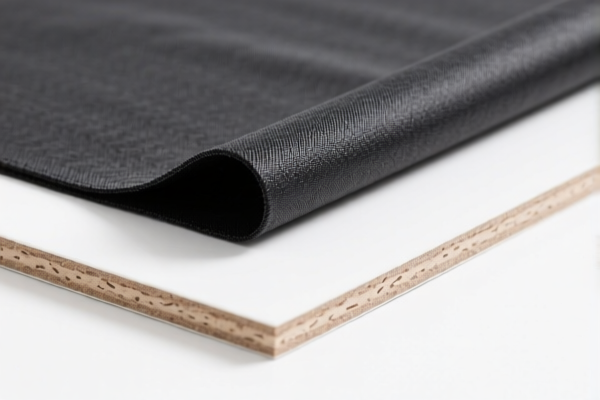
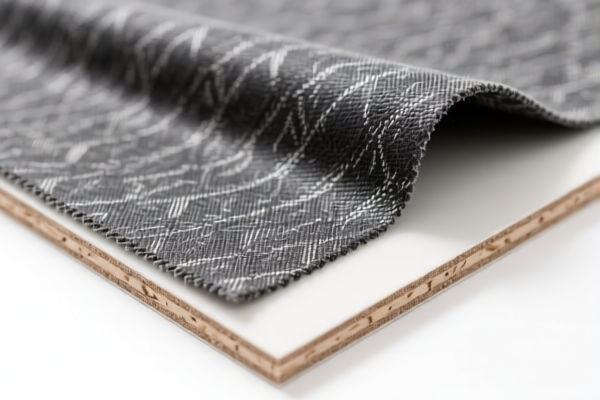
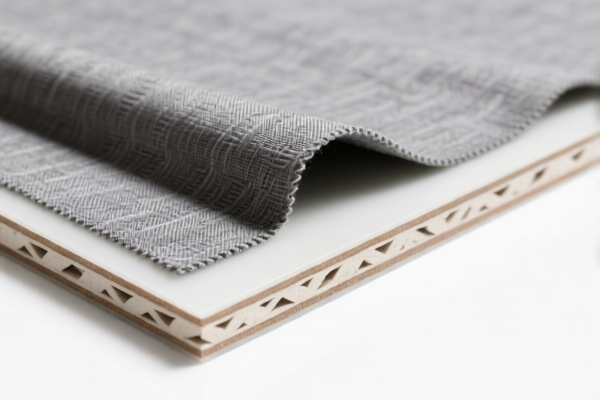

AI分析
🛡️ Polyurethane Textile Composite Antibacterial Coating Board
🌐 HS Code Reference & Customs Clearance Guide | 2026 Latest Tariff Analysis | Professional Clearance Strategy
📌 I. Product Definition & Classification: What Exactly Is This Board?
This product is a specialized construction material featuring a polyurethane (PU) base or composite, reinforced with textile materials (fibers/fabrics), and treated with an antibacterial coating. In international trade, the critical classification challenge lies in determining whether the primary character is derived from the textile aspect (impregnated/coated fabric) or the plastic aspect (rigid plastic board/sheet).
Key Distinction Points: - Textile-Based (Chapter 59): If the fabric provides the structural integrity and the PU acts as an impregnating or coating agent, it is classified as Artificial Fiber Textile Fabric. The "board" form is considered a downstream application or composite form of the fabric. - Plastic-Based (Chapter 39): If the PU forms a solid, rigid sheet/plate that is simply reinforced with textile fibers internally, it may be classified as a Plastic Plate/Sheet. - Non-Textile/Other (Chapter 68): If the PU is considered a minor additive to a concrete/cementitious base (rare for this specific name, but possible in broad "construction board" interpretations), it might fall under Cement/Concrete/Artificial Stone.
⚠️ Critical Classification Risk:
- Misclassifying a textile-based board as a plastic board can lead to higher base tariffs (7.5% vs 0%).
- Misclassifying a plastic board as a textile fabric can lead to complex origin verification issues.
- The term "Antibacterial" is a functional description and does not change the HS Code unless it creates a distinct new product category (which it generally does not in these chapters).
📦 II. HS Code Classification Details (2026 Latest Tariff Authority Comparison)
Based on the provided data, here are the four potential classifications with their tax implications.
| HS Code | Product Description | Application/Logic | Tax Rate |
|---|---|---|---|
5903.20.25.00 |
Textile-Based Composite: Polyurethane-impregnated/coated artificial fiber textile fabric, in board-like form. | Matches "Polyurethane" + "Textile" form. "Construction board" is the end-use, not the material definition. | 42.5% |
3921.13.19.50 |
Plastic-Based Plate: Other plates, sheets, film, foil of polyurethane, combined with textile materials, for construction. | Matches "Polyurethane" + "Plate/Sheet" form. Emphasizes the rigid plastic nature. | 40.3% |
5903.20.20.00 |
Textile-Based Composite (Lower Base Tariff): Polyurethane-impregnated/coated artificial fiber textile fabric. | Best Match if Fabric Dominant: Same as above but potentially different sub-heading for specific textile type. Lowest Base Tariff (0%). | 35.0% |
3921.13.15.00 |
Plastic-Based Plate (Specific): Plates, sheets, etc., of polyurethane, combined with textile materials. | Matches "Polyurethane" + "Composite Board" + "Construction". Requires assumption of textile layer inclusion. | 41.5% |
6810.99.00.80 |
Non-Concrete Construction Board: Other articles of cement, concrete, or artificial stone. | Least Likely: Assumes PU is a minor additive to a cementitious base. No direct mention of quartz/concrete in name, but "Construction Board" triggers this inference. | 35.0% |
🔍 重点提醒 (Key Reminders):
- Why 5903 vs 3921? If the textile fabric is the primary structure and PU is just the coating/impregnant → 5903. If the PU plate is the primary structure and textile is just a reinforcing mesh inside → 3921.
- Why 6810? Only if the board is fundamentally a cement/concrete product with PU added for water resistance or antibacterial properties. Given the name "Polyurethane Textile Composite," this is less likely unless specified otherwise.
- Antibacterial Coating: This is a surface treatment. It does not alter the fundamental nature of the material (Polyurethane or Textile).
💰 III. 2026 Latest Tariff Rate Breakdown (Including Additional Duties & Policy Surcharge)
✅ Applicable Country: United States (US)
✅ Country of Origin: China (CN)
✅ Effective Date: November 10, 2025 onwards (including subsequent imports)
🎯 1. 5903.20.25.00 —— Polyurethane Textile Fabric (Board Form)
| Item | Content |
|---|---|
| Base Tariff | 7.5% (ad valorem) |
| Section 301 Tariff (USITC) | +25.0% (Footnote 9903.88.01) |
| IEEPA Tariff | +10.0% (For Chinese products) |
| 122 Clause Tariff | +10.0% (Specific provision mentioned in data) |
| Total Effective Rate | 42.5% |
| Tax Calculation | CIF Value × 42.5% |
| De Minimis Exemption | ❌ Not Eligible (deny_de_minimis) |
| Legal Basis Path | IEEPA:9903.01.25 → IEEPA:9903.01.24 → USITC:5903.20.25.00 → FOOTNOTE:9903.88.01 |
📌 Explanation:
- High base tariff due to textile classification.
- Total 42.5% is extremely high. Requires strict documentation to prove textile nature if challenged.
🎯 2. 3921.13.19.50 —— Polyurethane Plastic Plate/Sheet
| Item | Content |
|---|---|
| Base Tariff | 5.3% (ad valorem) |
| Section 301 Tariff (USITC) | +25.0% |
| IEEPA Tariff | +10.0% |
| 122 Clause Tariff | +10.0% |
| Total Effective Rate | 40.3% |
| Tax Calculation | CIF Value × 40.3% |
| De Minimis Exemption | ❌ Not Eligible |
| Legal Basis Path | IEEPA:9903.01.25 → IEEPA:9903.01.24 → USITC:3921.13.19.50 → FOOTNOTE:9903.88.01 |
📌 Note:
- Lower base tariff than textile classification (5.3% vs 7.5%).
- Total 40.3% is slightly lower than 5903.20.25.00.
- Classification depends on whether the "Plate" structure is primary.
🎯 3. 5903.20.20.00 —— Polyurethane Textile Fabric (Optimal Textile Choice)
| Item | Content |
|---|---|
| Base Tariff | 0.0% (ad valorem) |
| Section 301 Tariff (USITC) | +25.0% |
| IEEPA Tariff | +10.0% |
| 122 Clause Tariff | +10.0% |
| Total Effective Rate | 35.0% |
| Tax Calculation | CIF Value × 35.0% |
| De Minimis Exemption | ❌ Not Eligible |
| Legal Basis Path | IEEPA:9903.01.25 → IEEPA:9903.01.24 → USITC:5903.20.20.00 → FOOTNOTE:9903.88.01 |
📌 Best Case for Textile Classification:
- Lowest Total Tax (35.0%) among all options.
- Crucial: Must prove the product is primarily a textile fabric (impregnated/coated) and not a rigid plastic board.
- If customs accepts this classification, you save 7.5% compared to5903.20.25.00.
🎯 4. 3921.13.15.00 —— Polyurethane Plastic Plate/Sheet (Specific Subheading)
| Item | Content |
|---|---|
| Base Tariff | 6.5% (ad valorem) |
| Section 301 Tariff (USITC) | +25.0% |
| IEEPA Tariff | +10.0% |
| 122 Clause Tariff | +10.0% |
| Total Effective Rate | 41.5% |
| Tax Calculation | CIF Value × 41.5% |
| De Minimis Exemption | ❌ Not Eligible |
| Legal Basis Path | IEEPA:9903.01.25 → IEEPA:9903.01.24 → USITC:3921.13.15.00 → FOOTNOTE:9903.88.01 |
📌 Note:
- Base tariff 6.5% is higher than3921.13.19.50(5.3%).
- Total 41.5% is higher than3921.13.19.50(40.3%).
- Less favorable than3921.13.19.50for plastic classification.
🎯 5. 6810.99.00.80 —— Other Construction Articles (Cement/Concrete Assumption)
| Item | Content |
|---|---|
| Base Tariff | 0.0% (ad valorem) |
| Section 301 Tariff (USITC) | +25.0% |
| IEEPA Tariff | +10.0% |
| 122 Clause Tariff | +10.0% |
| Total Effective Rate | 35.0% |
| Tax Calculation | CIF Value × 35.0% |
| De Minimis Exemption | ❌ Not Eligible |
| Legal Basis Path | IEEPA:9903.01.25 → IEEPA:9903.01.24 → USITC:6810.99.00.80 → FOOTNOTE:9903.88.01 |
📌 Risk Warning:
- Lowest Base Tariff (0%), but Highest Classification Risk.
- The name "Polyurethane Textile Composite" contradicts the definition of "Cement/Concrete."
- Customs may reject this classification, leading to reclassification to 5903 or 3921 and penalties.
- Only use if the board is >50% cement/concrete by weight/volume.
🛠️ IV. Customs Clearance Practical Advice (Real-World Pitfall Guide)
✅ 1. Preparation Checklist (Mandatory)
| Document | Required | Explanation |
|---|---|---|
| ✅ Product Specification Sheet | ✔️ | Must detail: PU content %, Textile fiber type (Polyester/Nylon/etc.), Antibacterial agent type, Board thickness/density. |
| ✅ Material Composition Statement | ✔️ | Explicitly state: Is the primary structure Textile (impregnated) or Plastic (reinforced)? This determines 5903 vs 3921. |
| ✅ Product Photos | ✔️ | Clear images of cross-section showing layer structure (e.g., fabric layers vs solid PU). |
| ✅ Third-Party Test Report | ✔️ | Include tensile strength, PU coating weight, and antibacterial efficacy. |
| ✅ Commercial Invoice | ✔️ | Must clearly state: "Polyurethane Impregnated Textile Fabric for Construction Use" OR "Polyurethane Reinforced Plastic Board". Avoid vague terms like "Composite Board" without explanation. |
| ✅ Certificate of Origin (CO) | ✔️ | Required for IEEPA and Section 301 calculations. |
| ✅ Packing List | ✔️ | Detail dimensions and weight. |
✅ 2. Declaration Strategy (Key Tips)
🔥 “Structure Defines Classification, Not End-Use!”
| Scenario | Correct Declaration | Wrong Declaration | Risk |
|---|---|---|---|
| Primary Structure: Fabric | "Polyurethane-impregnated Polyester Fabric, Board Form" → 5903.20.20.00 (35%) |
"Construction Board" → 6810.99.00.80 (35% but rejected) |
High rejection rate for 6810. |
| Primary Structure: PU Plate | "Polyurethane Plate with Textile Reinforcement" → 3921.13.19.50 (40.3%) |
"Textile Fabric" → 5903.20.25.00 (42.5%) |
Higher tax if misclassified. |
| Antibacterial Claim | Add "with Antibacterial Treatment" to description. | Claim "Medical Device" → 9018/9021 |
Wrong Chapter! Antibacterial is just a coating. |
📌 Pro Tip:
- If you can prove the fabric layer is the load-bearing component, argue for 5903.20.20.00 (35%). This is the lowest total tax.
- If the PU plate is rigid and holds its shape without the fabric, argue for 3921.13.19.50 (40.3%).
✅ 3. Special Cases Handling
| Case | Handling Suggestion |
|---|---|
| OEM Custom Board | Provide client specs and material breakdown to prove classification basis. |
| Mixed Shipments | Declare separately. Do not mix textile fabrics with plastic plates in one HS Code. |
| Antibacterial Certification | Provide test reports to prove the coating is superficial and doesn’t change the material nature. |
| Origin Transshipment | If shipped via Vietnam/Malaysia, ensure substantial transformation occurs. Otherwise, IEEPA 10% still applies if origin is China. |
🌍 V. Global Market Customs Comparison (2026 Latest)
| Country/Region | Recommended HS Code | Base Tariff | Additional Taxes (China) | Total Est. Rate | Notes |
|---|---|---|---|---|---|
| 🇺🇸 USA | 5903.20.20.00 (Textile) |
0% | 25% (301) + 10% (IEEPA) + 10% (122) | 35% | Best Option if Textile. |
| 🇺🇸 USA | 3921.13.19.50 (Plastic) |
5.3% | 25% (301) + 10% (IEEPA) + 10% (122) | 40.3% | Alternative if Plastic. |
| 🇨🇳 China | 5903.20.20.00 |
5% | None | 5% | No IEEPA/301. |
| 🇪🇺 EU | 5903.20.00 |
0% | None | 0% | No additional tariffs. |
| 🇬🇧 UK | 5903.20.00 |
0% | None | 0% | Post-Brexit tariffs low. |
| 🇯🇵 Japan | 5903.20.00 |
0% | None | 0% | No additional tariffs. |
📌 Conclusion:
- USA is the most challenging market due to multiple layers of tariffs (301, IEEPA, 122).
- EU, UK, Japan have 0% base tariffs for textile composites.
- Strategic Advice: If importing to USA, optimize for 5903.20.20.00 to achieve 35% total. Avoid6810.99.00.80due to high rejection risk.
📌 VI. Common Errors & Pitfall Guide (Blood & Tears Lessons)
❌ Mistake 1: Using "Construction Board" as the primary name without material detail.
👉 Consequence: Customs may assign 6810.99.00.80 (35%) but then reject it due to lack of cement content, causing delays.
❌ Mistake 2: Claiming "Antibacterial" as a medical device.
👉 Consequence: Incorrect classification → Penalties + Interest. Antibacterial is just a coating.
❌ Mistake 3: Misclassifying Plastic Board as Textile Fabric to save tax.
👉 Consequence: If customs inspects and finds rigid PU structure, they will reclassify to 3921 (40.3%) and charge back taxes + penalties.
❌ Mistake 4: Ignoring the 122 Clause Tariff (10%).
👉 Consequence: Underpayment → Seizure. The 122 clause applies to many Chinese imports.
✅ Correct Approach:
"Polyurethane-Impregnated Polyester Textile Fabric, Antimicrobial Treated, Cut to Board Size, for Wall Paneling" →
5903.20.20.00
🎯 VII. Conclusion: Precision in Classification Saves Money!
🎯 Remember the Golden Rules:
🔹 "Textile Structure = 5903 (35% Optimal)"
🔹 "Plastic Plate = 3921 (40.3% or 41.5%)"
🔹 "Cement Board = 6810 (35% but High Risk)"
🔹 "Antibacterial = Coating, Not New Product"
🔹 "122 Clause 10% + 301 25% + IEEPA 10% = High Total Tax!"
📌 Pro Tip:
If your product is substantially transformed in a third country (e.g., Vietnam, Malaysia) after acquiring PU and textile properties, you may avoid IEEPA 10%. However, simple assembly or cutting does not count.
📞 Action Step:
1. Confirm Material Dominance: Is it Textile or Plastic?
2. Prepare Technical Docs: Material breakdown, structure photos.
3. Apply for Advance Ruling: If value is high, get pre-approval from CBP.
4. Calculate Total Landed Cost: Include 35-42.5% tariff + freight + insurance.
📣 Immediate Action:
📞 Contact your customs broker with detailed material specs.
🚀 Optimize for 5903.20.20.00 (35%) if textile-based.
💼 Your profit margin depends on this 7.5% difference!
✨ Professional Clearance Starts with Accurate Classification!
💼 Every percentage point saved is pure profit!
用户评价
关于 HS 编码归类
协调制度(HS)是由世界海关组织(WCO)制定的国际贸易商品分类标准。全球 200 多个国家采用 HS 系统作为海关关税、贸易统计和进出口监管的基础。
每个 HS 编码遵循以下层级结构:
- 章(2 位)——商品大类(例如:第 84 章:机器和机械设备)
- 品目(4 位)——章内的更具体分类
- 子目(6 位)——国际通用细分,所有 WCO 成员国统一使用
- 本国细分(8-10 位)——各国自行扩展的细分编码,如美国 HTSUS 10 位编码
正确的 HS 编码归类对于顺利通关、准确缴纳关税和遵守贸易法规至关重要。错误归类可能导致海关延误、多缴关税或罚款。
从CN进口到US时,适用的关税税率可能包括:
- 最惠国(MFN)税率——适用于 WTO 成员国的标准关税税率
- 普通税率——适用于无贸易协定国家
- 贸易救济关税——附加关税,如 301 条款(反倾销)、232 条款(国家安全)或反补贴税
本页内容仅供参考。如需正式归类,请咨询当地海关或持牌报关代理。