Polyurethane Textile Composite Electronic Film
CN → US| HS编码 | 关税税率 | 原产国 | 目的国 | 文档 |
|---|---|---|---|---|
| 3005901000 | 10.0% | CN | US | 官方文档 |
| 3921131500 | 41.5% | CN | US | 官方文档 |
| 3005905090 | 10.0% | CN | US | 官方文档 |
| 5906912500 | 42.5% | CN | US | 官方文档 |
| 3921131500 | 41.5% | CN | US | 官方文档 |
商品图片
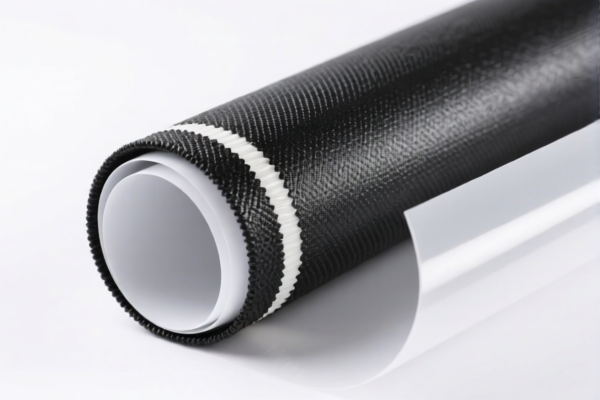
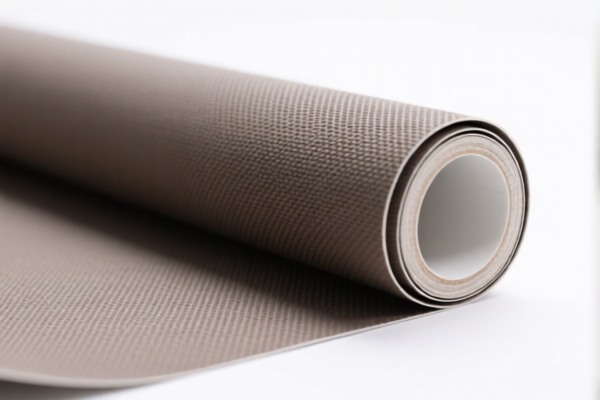
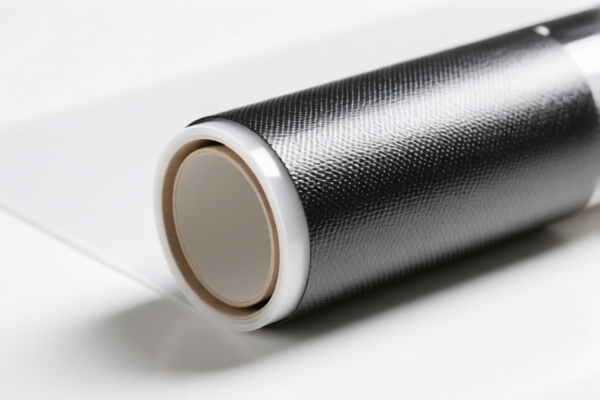
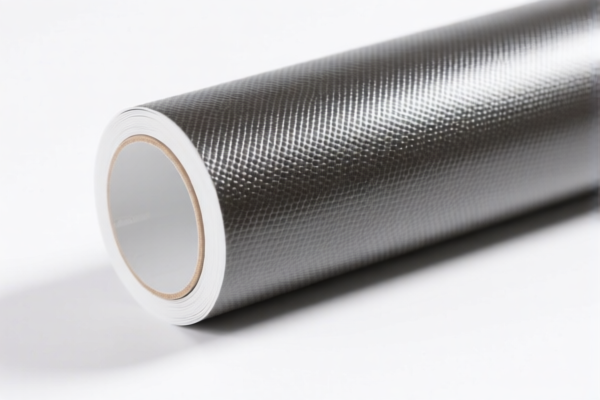
AI分析
🧬 Polyurethane (PU) Textile Composite Electronic Film
🌐 HS Code Reference & Customs Clearance Guide | 2026 Latest Tariff Analysis | Professional Classification Strategy
📌 I. Product Definition & Classification: What Exactly Is This "Electronic Film"?
Polyurethane Textile Composite Electronic Film refers to a layered material where polyurethane (PU) is bonded with textile fabrics. While the user input specifies "Electronic Film," the provided data indicates that the classification depends heavily on the specific end-use and structural composition. It is not a single HS Code but rather a bifurcated classification path:
- Medical Use (Highly Regulated): If the composite is used for medical dressings or surgical purposes, it falls under Chapter 30 (Pharmaceuticals/Medical Supplies).
- Industrial/General Use (Standard Composite): If used for general purposes (e.g., packaging, industrial lining, or non-medical electronics backing), it falls under Chapter 39 (Plastics) or Chapter 59 (Impregnated Textile Fabrics).
⚠️ Critical Distinction Point:
- If the primary function is medical care (covering wounds, surgical use) → Chapter 30 (Lower Duty, ~10%).
- If the primary function is general textile/plastic composite (even if used in electronic manufacturing as a backing) → Chapter 39 or 59 (Higher Duty, ~41.5%-42.5%).
- Note: The term "Electronic Film" is ambiguous. If it is purely a functional electronic component (like a sensor), it might belong elsewhere, but based strictly on the provided data, it is classified as either a Medical Dressing or a Composite Plastic/Textile Material.
📦 II. HS Code Classification Details (Based on Provided Data)
| HS Code | Product Description | Application Scenario | Duty Rate (Total) | Key Characteristics |
|---|---|---|---|---|
3005.90.10.00 |
Medical Dressing: PU Textile Composite Medical Film | Wound care, surgical dressings, medical bandages | 10.0% | Specifically for medical use; basic tariff 0%. |
3005.90.50.90 |
Medical Surgical Articles: PU Textile Composite Medical Film | Similar medical articles, surgical uses | 10.0% | For "similar articles" of a surgical nature; basic tariff 0%. |
3921.13.15.00 |
Composite Plastic Film: PU & Textile Composite | General industrial use, packaging, non-medical backing | 41.5% | Classified as plastic products with textile content; high duty. |
5906.91.25.00 |
Impregnated Textile Fabric: Rubberized PU Textile Fabric | Industrial textiles, apparel lining, general composite | 42.5% | Classified as textile fabric impregnated/coated with rubber/PU; highest duty. |
🔍 Key Insight:
- Medical vs. Non-Medical: The duty rate difference is massive (10% vs. ~42%). Misclassifying a medical product as a general industrial film can lead to underpayment of duties and penalties. Conversely, classifying a general film as medical might be rejected if medical certification is missing. - Duplicate Entry:3921.13.15.00appears twice in the source data with the same summary and tax rate, confirming its role as the primary non-medical classification for this composite structure.
💰 III. 2026 Latest Tariff Rate Breakdown (Detailed Tax Clauses)
✅ Applicable Country: United States (US)
✅ Origin: China (CN)
✅ Effective Date: Current tariffs include Section 301 and IEEPA surcharges.
🎯 1. Medical Classifications (3005.90.10.00 & 3005.90.50.90)
| Item | Content |
|---|---|
| Base Tariff | 0.0% (ad valorem) |
| Additional Tariff (Section 301 / USITC) | 0.0% |
| IEEPA Additional Tariff (Section 122 / China-specific) | +10.0% |
| Total Tax Rate | 10.0% |
| Tax Calculation | CIF Value × 10% |
| De Minimis Eligibility | ❌ No (Generally, medical goods are excluded from $800 de minimis if regulated by FDA, but check specific carrier policies) |
| Legal Basis Path | IEEPA:9903.01.24 (10% surcharge) + USITC:3005.xxxx |
📌 Explanation:
- Medical dressings (3005) generally enjoy 0% base tariff and 0% Section 301 surcharge.
- The 10% total comes solely from the IEEPA 122 Clause (or similar China-specific executive order).
- Advantage: This is the lowest tax scenario. If the product is truly for medical use, obtaining FDA classification support is crucial to secure this rate.
🎯 2. General Composite Film (3921.13.15.00)
| Item | Content |
|---|---|
| Base Tariff | 6.5% |
| Additional Tariff (Section 301) | +25.0% |
| IEEPA Additional Tariff (Section 122 / China-specific) | +10.0% |
| Total Tax Rate | 41.5% |
| Tax Calculation | CIF Value × 41.5% |
| De Minimis Eligibility | ❌ No |
| Legal Basis Path | IEEPA:9903.01.24 → USITC:3921.13.15.00 → FOOTNOTE:301 |
📌 Explanation:
- Base 6.5%: Standard tariff for plastic plates/sheets/film/foil.
- 25% Section 301: Significant surcharge for Chinese-origin plastic composites.
- 10% IEEPA: Additional China-specific surcharge.
- Risk: High duty impact on profit margins.
🎯 3. Rubberized/Impregnated Textile (5906.91.25.00)
| Item | Content |
|---|---|
| Base Tariff | 7.5% |
| Additional Tariff (Section 301) | +25.0% |
| IEEPA Additional Tariff (Section 122 / China-specific) | +10.0% |
| Total Tax Rate | 42.5% |
| Tax Calculation | CIF Value × 42.5% |
| De Minimis Eligibility | ❌ No |
| Legal Basis Path | IEEPA:9903.01.24 → USITC:5906.91.25.00 → FOOTNOTE:301 |
📌 Explanation:
- This is the highest duty rate. It applies if customs views the material primarily as a textile (Chapter 59) impregnated with polyurethane (treated as rubber-like), rather than a plastic film.
- Risk: High. Requires strong justification if trying to classify here, as it is the most expensive.
🛠️ IV. Customs Clearance Practical Advice (Avoiding Pitfalls)
✅ 1. Preparation Checklist (Non-Negotiable)
| Document | Required | Explanation |
|---|---|---|
| ✅ Product Specification Sheet | ✔️ | Must detail layers: "PU Layer + Textile Layer." Specify if "Electronic" part is conductive, resistive, or just structural. |
| ✅ Intended Use Declaration | ✔️ | Critical: Is it for Medical (dressings) or Industrial/Electronic? This dictates Chapter 30 vs. 39/59. |
| ✅ Composition Breakdown | ✔️ | Percentage of PU vs. Textile. If PU > 50% by weight, supports 3921. If textile dominates, supports 5906. |
| ✅ FDA Documentation (if Medical) | ✔️ | If claiming 3005, provide FDA clearance or intent for medical use. |
| ✅ Commercial Invoice | ✔️ | Clear description: "PU Textile Composite Film for [Medical/Industrial] Use." |
| ✅ Photos of Cross-Section | ✔️ | Visual proof of the composite structure. |
✅ 2. Classification Strategy & Naming Tips
🔥 "Medical or Not? That is the Question! Classify Correctly, Save 30%!"
| Scenario | Recommended HS Code | Why? |
|---|---|---|
| Product is sold as a Wound Dressing | 3005.90.10.00 |
Chapter 30 covers medical dressings. Low duty (10%). |
| Product is for Surgical Instruments | 3005.90.50.90 |
Similar to dressings, low duty (10%). |
| Product is for General Electronics Packaging | 3921.13.15.00 |
Chapter 39 covers plastic films. High duty (41.5%). |
| Product is an Industrial Textile Lining | 5906.91.25.00 |
Chapter 59 covers impregnated textiles. Highest duty (42.5%). |
📌 Warning:
- Do not use generic terms like "Electronic Film" in the invoice if it triggers ambiguity. Be specific:
- ✅ Good: "Polyurethane-Textile Composite Medical Dressing"
- ❌ Bad: "Electronic PU Film" (This may lead to random classification, often towards higher tariffs like3921).
✅ 3. Special Cases
| Situation | Handling Advice |
|---|---|
| OEM for Medical Device Co. | Provide Letter of Authorization from the medical device company stating the film is for their medical product. |
| Hybrid Use (Medical & Non-Medical) | Separate Shipments! Do not mix. If one shipment contains both, customs may apply the highest duty to the entire lot or audit the whole shipment. |
| Conductive Electronic Film | If the "electronic" aspect involves sensors/circuits, it might not fit 3005 or 3921. However, based on the provided data, stick to 3921 if non-medical. Consult a specialist if it contains active electronic components. |
🌍 V. Global Market Comparison (2026)
| Region | Recommended HS Code (Based on Data) | Estimated Total Duty (China Origin) | Key Notes |
|---|---|---|---|
| 🇺🇸 USA | 3005.90.10.00 (Medical) or 3921.13.15.00 (Non-Medical) |
10% (Medical) / 41.5% (Non-Medical) | IEEPA 10% + Section 301 25% (if non-medical). |
| 🇨🇳 China | 3005 or 3921 |
Varies (Generally lower base rates) | Check China Import Tariff Schedule for MFN rates. |
| 🇪🇺 EU | 3005 or 3921 |
VAT + Duty (0-6.5% usually) | No Section 301. IEEPA does not apply. Duty depends on specific heading. |
| 🇬🇧 UK | 3005 or 3921 |
VAT + Duty (0-6.5% usually) | Post-Brexit tariffs mirror EU but no Section 301. |
📌 Conclusion:
- USA is the most punitive market for non-medical polyurethane composites due to the 25% Section 301 + 10% IEEPA combination.
- Medical classification offers a significant tariff advantage (10% vs 41.5%). Ensure your product genuinely meets medical standards to claim this benefit.
📌 VI. Common Errors & Pitfalls (Lessons Learned)
❌ Error 1: Classifying a medical dressing as "Plastic Film" (3921).
👉 Result: Paying 41.5% instead of 10%. Lost Profit!
👉 Fix: Ensure marketing and invoices clearly state "Medical Use."
❌ Error 2: Using "Electronic Film" as the sole description.
👉 Result: Customs ambiguity → Delayed release → Demurrage charges.
👉 Fix: Use precise terms: "PU-Textile Composite for [Specific Use]."
❌ Error 3: Mixing Medical and Non-Medical units in one shipment.
👉 Result: Customs may audit the entire shipment and apply the highest duty or reject the low-duty items.
👉 Fix: Ship separately with distinct invoices.
✅ Correct Approach:
"PU Textile Composite Medical Dressing, Sterile, 10x10cm, for Wound Care, Model XYZ."
🎯 VII. Conclusion: Precision in Classification Saves Money!
🎯 Remember the Mantra:
🔹 "Medical? Go 3005. Industrial? Go 3921. Don't Mix! Don't Guess!"
🔹 "10% vs 41.5%: The Choice is Yours. Specify the Use!"
📌 Pro Tip:
If your "Electronic Film" is not for medical use, consider if it can be substantially transformed in a third country (e.g., Vietnam, Mexico) to change the origin and potentially avoid Section 301/IEEPA tariffs. However, simple composite processing may not qualify.
Recommendation: Apply for an Advance Ruling (PBG) from US Customs if the classification is ambiguous. This provides legal certainty before shipment.
📣 Action Item:
📞 Consult a Customs Broker: Provide your product's intended end-use and material breakdown.
🚀 Optimize Your Supply Chain: If high duty is unavoidable, evaluate packaging or origin strategies.
✨ Professional Classification, Predictable Costs, Smooth Clearance!
💼 Every percent of duty saved is pure profit added!
用户评价
关于 HS 编码归类
协调制度(HS)是由世界海关组织(WCO)制定的国际贸易商品分类标准。全球 200 多个国家采用 HS 系统作为海关关税、贸易统计和进出口监管的基础。
每个 HS 编码遵循以下层级结构:
- 章(2 位)——商品大类(例如:第 84 章:机器和机械设备)
- 品目(4 位)——章内的更具体分类
- 子目(6 位)——国际通用细分,所有 WCO 成员国统一使用
- 本国细分(8-10 位)——各国自行扩展的细分编码,如美国 HTSUS 10 位编码
正确的 HS 编码归类对于顺利通关、准确缴纳关税和遵守贸易法规至关重要。错误归类可能导致海关延误、多缴关税或罚款。
从CN进口到US时,适用的关税税率可能包括:
- 最惠国(MFN)税率——适用于 WTO 成员国的标准关税税率
- 普通税率——适用于无贸易协定国家
- 贸易救济关税——附加关税,如 301 条款(反倾销)、232 条款(国家安全)或反补贴税
本页内容仅供参考。如需正式归类,请咨询当地海关或持牌报关代理。