Polyurethane Textile Composite Protective Film
CN → US| HS编码 | 关税税率 | 原产国 | 目的国 | 文档 |
|---|---|---|---|---|
| 3005901000 | 10.0% | CN | US | 官方文档 |
| 3921131500 | 41.5% | CN | US | 官方文档 |
| 3005905090 | 10.0% | CN | US | 官方文档 |
| 5906912500 | 42.5% | CN | US | 官方文档 |
| 3005901000 | 10.0% | CN | US | 官方文档 |
商品图片
AI分析
🧬 Polyurethane Textile Composite Protective Film (PU-TCF)
🌐 HS Code Reference & Customs Clearance Guide | 2026 Tariff Analysis for Polyurethane Composite Films
📌 I. Product Definition & Classification: What is "Polyurethane Textile Composite Protective Film"?
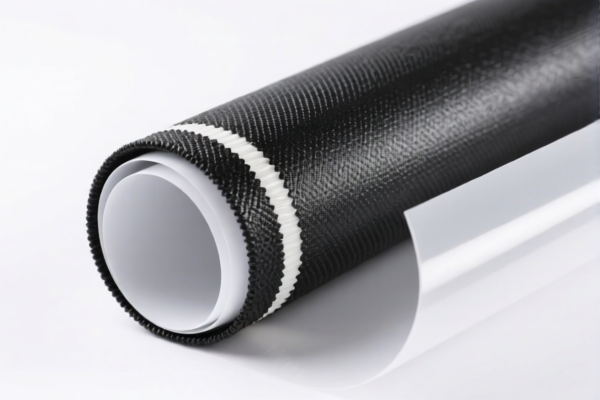
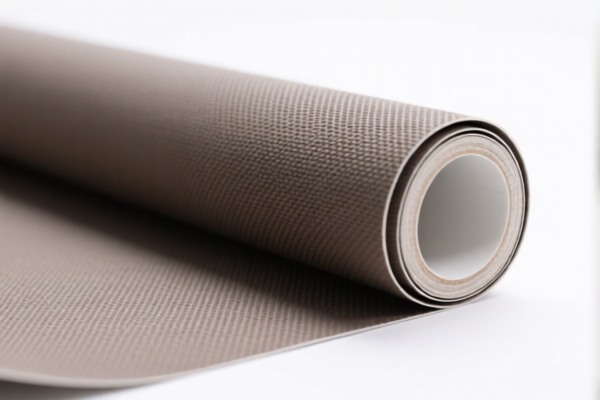
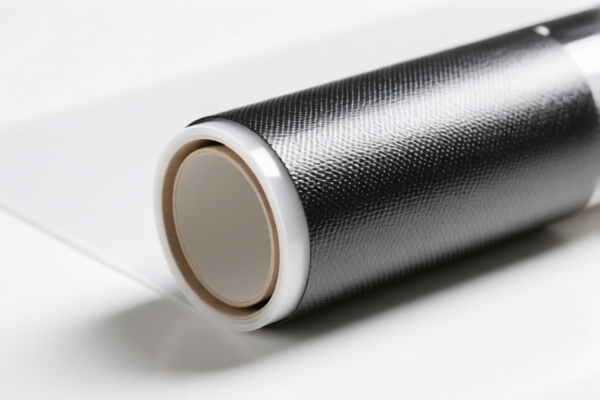
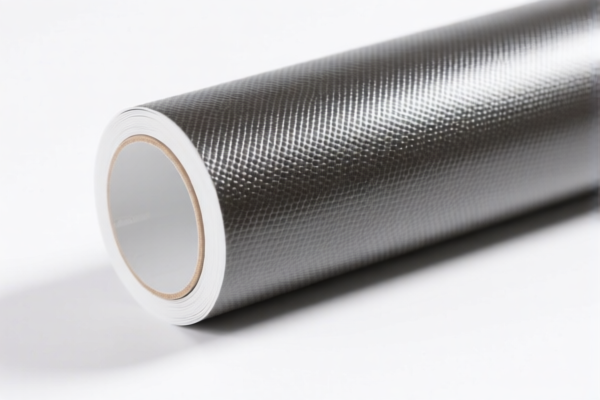
Polyurethane Textile Composite Protective Film is a hybrid material combining polyurethane (PU) resin with textile fibers (woven, non-woven, or knit) to form a flexible, durable composite sheet.
In international trade, its classification depends heavily on its primary function and structure: 1. Medical Dressings: If designed for wound care, surgical use, or medical hygiene → Classified under Chapter 30 (Pharmaceutical Products). 2. Industrial/Commercial Films: If used for packaging, protection, or general industrial purposes → Classified under Chapter 39 (Plastics) or Chapter 59 (Textile Fabrics Impregnated with Plastic).
⚠️ Critical Distinction:
- Medical Use → Chapter 30 (Lower Base Tariff, but subject to Section 301/IEEPA penalties).
- Non-Medical/Industrial Use → Chapter 39 or 59 (Higher Base Tariff + Section 301/IEEPA penalties).
- Misclassification Risk: Declaring a medical film as an industrial film (or vice versa) can lead to severe penalties, duty evasion charges, or shipment refusal.
📦 II. HS Code Classification Matrix (2026 Latest Tariff Schedule)
Based on the provided data, here are the 5 possible HS Codes for this product, categorized by application:
| HS Code | Summary Description | Primary Category | Key Characteristics |
|---|---|---|---|
3005.90.10.00 |
PU Textile Composite Medical Film | Medical Dressings | Used for medical/wound care; thin film structure. |
3921.13.15.00 |
PU + Textile Composite Film | Plastics & Articles | Industrial/commercial composite; PU + textile structure. |
3005.90.50.90 |
PU Film for Medical/Surgical Use | Medical/Surgical | Specific medical/surgical application; PU material. |
5906.91.25.00 |
Rubberized Textile Fabric (PU) | Textile Fabrics | Artificial fiber rubberized fabric; other material attributes. |
3005.90.10.00 |
PU Textile Composite Medical Film | Medical Dressings | Alternative code for medical dressings; matches film morphology. |
🔍 Note:
-3005.90.10.00appears twice because it covers similar medical dressing articles.
-5906.91.25.00is distinct: it classifies the textile as rubberized fabric, not necessarily a "film" for protection.
-3921.13.15.00is for general composite films, not medical-grade.
💰 III. 2026 Tariff Rate Breakdown (China → USA)
✅ Applicable Country: United States (US)
✅ Origin: China (CN)
✅ Effective Date: Post-November 10, 2025 (Includes Section 301 & IEEPA tariffs)
🎯 1. Medical Grade: 3005.90.10.00 & 3005.90.50.90
| Item | Details |
|---|---|
| Base Tariff | 0.0% (Ad valorem) |
| Additional Duty (Section 301) | 0.0% (Exempt or not applicable for this specific subheading under current rules) |
| IEEPA Penalty (122 Clause) | +10% |
| Total Tax Rate | 10.0% |
| Calculation | CIF Value × 10% |
| De Minimis Exemption | ❌ Not Applicable (Medical goods usually excluded from $800 de minimis if declared formally) |
| Legal Basis | IEEPA:9903.01.25 (122 Clause Tariff for Chinese Imports) |
📌 Explanation:
- Medical dressings (3005) enjoy a 0% base tariff.
- However, due to the 122 Clause (IEEPA), an additional 10% is imposed on Chinese-origin goods.
- No Section 301 (25%) applies to this specific medical subheading, making it significantly cheaper than industrial alternatives.
🎯 2. Industrial/Commercial Grade: 3921.13.15.00
| Item | Details |
|---|---|
| Base Tariff | 6.5% |
| Additional Duty (Section 301) | +25% |
| IEEPA Penalty (122 Clause) | +10% |
| Total Tax Rate | 41.5% |
| Calculation | CIF Value × 41.5% |
| De Minimis Exemption | ❌ Not Applicable |
| Legal Basis | USITC:3921.13.15.00 + Section 301: Footnote 9903.88.01 + IEEPA:9903.01.25 |
📌 Explanation:
- This is a composite plastic article.
- Base rate is 6.5%.
- Section 301 adds 25% (standard for many Chapter 39 goods from China).
- IEEPA adds 10%.
- Total: 41.5% — A high-cost classification for non-medical use.
🎯 3. Rubberized Textile: 5906.91.25.00
| Item | Details |
|---|---|
| Base Tariff | 7.5% |
| Additional Duty (Section 301) | +25% |
| IEEPA Penalty (122 Clause) | +10% |
| Total Tax Rate | 42.5% |
| Calculation | CIF Value × 42.5% |
| De Minimis Exemption | ❌ Not Applicable |
| Legal Basis | USITC:5906.91.25.00 + Section 301 + IEEPA |
📌 Explanation:
- Classified as textile fabric impregnated with rubber/plastic.
- Higher base rate (7.5%) compared to medical films.
- Same Section 301 and IEEPA penalties apply.
- Total: 42.5% — The most expensive option among the listed codes.
🛠️ IV. Customs Clearance Practical Advice (Avoid Pitfalls)
✅ 1. Documentation Checklist (Mandatory)
| Document | Requirement | Purpose |
|---|---|---|
| Product Specification Sheet | Must clearly state composition (PU % vs. Textile %) | Determines if it’s Chapter 30, 39, or 59. |
| Intended Use Declaration | Explicitly state: “For Medical/Wound Care” OR “For Industrial Protection” | Critical for correct HS Code selection. |
| Medical Device License (if applicable) | FDA 510(k) clearance or CE Mark for medical goods | Required for 3005 codes. |
| Composition Certificate | Third-party lab test confirming PU and textile layers | Prevents misclassification by Customs. |
| Commercial Invoice | Describe as: “Polyurethane Textile Composite Medical Film, for wound dressing” | Avoid generic terms like “Plastic Sheet.” |
| Packing List | Net weight, gross weight, dimensions | Standard requirement. |
✅ 2. Strategic Classification Tips
🔥 “Medical Claim, Medical Code, 10% Tax; Industrial Claim, Industrial Code, 42% Tax!”
| Scenario | Recommended HS Code | Why? |
|---|---|---|
| Wound Dressing / Surgical Pad | 3005.90.10.00 |
Lowest Tax (10%). Must provide medical use evidence. |
| Surgical Tape / Medical Film | 3005.90.50.90 |
Lowest Tax (10%). Specific medical/surgical use. |
| Packaging Film / Protective Cover | 3921.13.15.00 |
High Tax (41.5%). No medical function. |
| Rubberized Textile Sheet | 5906.91.25.00 |
Highest Tax (42.5%). Classified as fabric, not film. |
⚠️ Warning:
- If you declare a medical film as3921.13.15.00, you pay 41.5% instead of 10%.
- If you declare an industrial film as3005.90.10.00, Customs may reject it for lack of medical documentation, leading to delays and penalties.
✅ 3. Special Cases & Exceptions
| Case | Advice |
|---|---|
| Dual-Use Products | If used for both medical and industrial purposes, declare the primary intended use. Provide separate SKUs if possible. |
| OEM for Medical Brands | Must provide Letter of Authorization from the medical brand. Customs will verify medical claims. |
| Non-Medical Textile Composite | Do not use “Medical” in the description. Use terms like “Protective Composite Sheet” or “Industrial PU Laminated Fabric”. |
| Origin Diversification | If shipped from Vietnam, Thailand, or Mexico, IEEPA 10% may be waived. Verify Free Trade Agreement (FTA) benefits. |
🌍 V. Global Market Comparison (2026)
| Region | Recommended HS Code | Tariff (China Origin) | Key Requirements |
|---|---|---|---|
| 🇺🇸 USA | 3005.90.10.00 (Medical) |
10% | FDA compliance, IEEPA 10% applies. |
| 🇺🇸 USA | 3921.13.15.00 (Industrial) |
41.5% | No medical claims allowed. |
| 🇪🇺 EU | 3005.90 (Medical) |
0–2% | CE Mark, MDR/IVDR compliance. |
| 🇨🇳 China | 3005.90 (Medical) |
1–2% | NMPA Registration required. |
| 🇯🇵 Japan | 3005.90 (Medical) |
0% | PMDA approval for medical devices. |
📌 Key Insight:
- USA imposes IEEPA 10% on all Chinese-origin goods, even if base tariff is 0%.
- EU/China/Japan do not apply Section 301 or IEEPA tariffs, making medical imports cheaper in these markets.
- Industrial PU films face high tariffs globally due to trade wars and protectionism.
📌 VI. Common Errors & Pitfalls (Learn from Mistakes)
❌ Error 1: Calling a medical film “Plastic Composite Sheet”
👉 Result: Customs reclassifies to 3921.13.15.00 → Tax jumps from 10% to 41.5% → Refund delay & audit risk.
❌ Error 2: Using “Medical” for a non-medical product
👉 Result: Customs requests FDA documentation → Shipment held for 30+ days → Storage fees & penalties.
❌ Error 3: Ignoring the 122 Clause (IEEPA)
👉 Result: Underpaying 10% on medical goods → Back taxes + interest upon audit.
❌ Error 4: Misclassifying as 5906.91.25.00
👉 Result: Highest tax rate (42.5%) for a simple film → Unnecessary cost increase.
✅ Best Practice:
“Be Specific: ‘Medical’ or ‘Industrial’. Provide Proof. Pay the Right Tax.”
🎯 VII. Conclusion: Strategic Sourcing & Compliance
🎯 Key Takeaways:
1. Medical Classification (3005) is highly favored for cost savings (10% total vs. 41.5–42.5%).
2. Documentation is King: You must prove medical use (FDA, CE, specs) to get the 10% rate.
3. IEEPA 10% is Unavoidable for Chinese-origin goods, regardless of HS Code.
4. Avoid Generic Descriptions: Use precise terms like “Polyurethane Textile Composite Medical Film”.
📌 Pro Tip:
If your product is not strictly medical, consider reclassifying as
3921.13.15.00and accepting the 41.5% tax, rather than risking a misclassification penalty.
Alternatively, explore non-Chinese origins (e.g., Vietnam, Thailand) to waive IEEPA 10% and potentially reduce Section 301 exposure.
📣 Immediate Action:
✅ Audit your product description – Is it truly medical?
✅ Prepare FDA/CE documentation if claiming medical status.
✅ Consult a customs broker for an Advance Ruling to confirm HS Code and avoid surprise tariffs.
✨ Smart Classification, Smarter Savings!
💼 Your product’s HS Code determines your profit margin – choose wisely!
用户评价
关于 HS 编码归类
协调制度(HS)是由世界海关组织(WCO)制定的国际贸易商品分类标准。全球 200 多个国家采用 HS 系统作为海关关税、贸易统计和进出口监管的基础。
每个 HS 编码遵循以下层级结构:
- 章(2 位)——商品大类(例如:第 84 章:机器和机械设备)
- 品目(4 位)——章内的更具体分类
- 子目(6 位)——国际通用细分,所有 WCO 成员国统一使用
- 本国细分(8-10 位)——各国自行扩展的细分编码,如美国 HTSUS 10 位编码
正确的 HS 编码归类对于顺利通关、准确缴纳关税和遵守贸易法规至关重要。错误归类可能导致海关延误、多缴关税或罚款。
从CN进口到US时,适用的关税税率可能包括:
- 最惠国(MFN)税率——适用于 WTO 成员国的标准关税税率
- 普通税率——适用于无贸易协定国家
- 贸易救济关税——附加关税,如 301 条款(反倾销)、232 条款(国家安全)或反补贴税
本页内容仅供参考。如需正式归类,请咨询当地海关或持牌报关代理。