Polyurethane Textile Composite Soundproof Panel
CN → US| HS编码 | 关税税率 | 原产国 | 目的国 | 文档 |
|---|---|---|---|---|
| 3921131500 | 41.5% | CN | US | 官方文档 |
| 3921131950 | 40.3% | CN | US | 官方文档 |
| 5903202500 | 42.5% | CN | US | 官方文档 |
| 5903202000 | 35.0% | CN | US | 官方文档 |
| 6810990080 | 35.0% | CN | US | 官方文档 |
商品图片
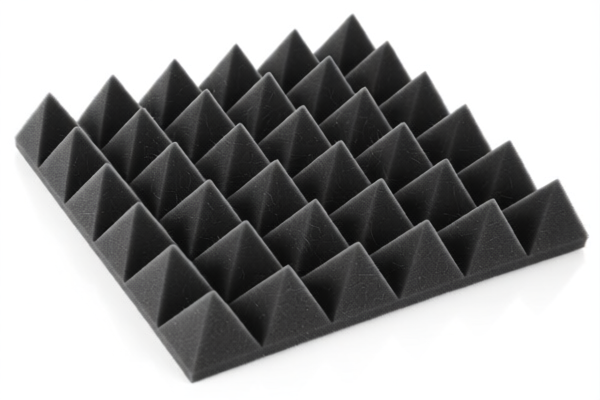
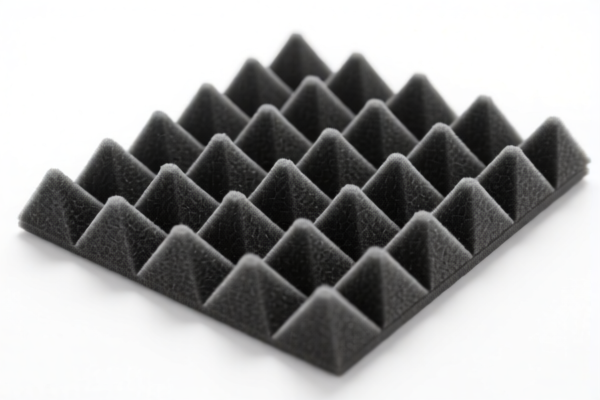
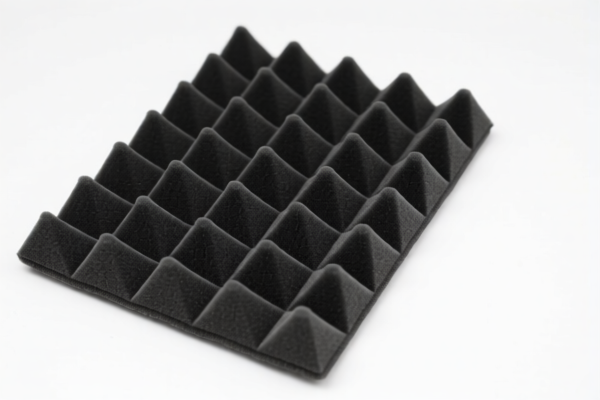
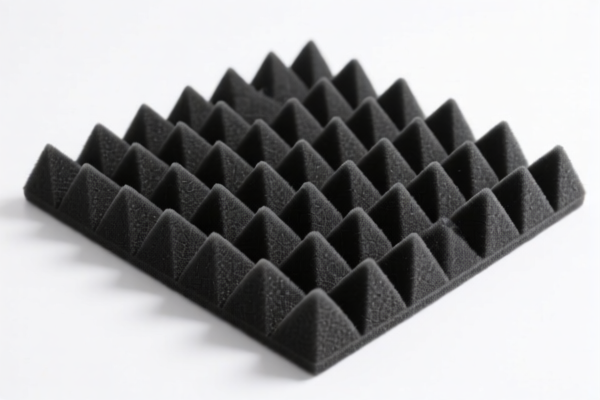
AI分析
🏗️ Polyurethane Textile Composite Soundproof Panel (Building Board)
🌐 HS Code Reference & Customs Clearance Guide | 2026 Latest Tariff Analysis | Professional Clearance Strategy for Construction Materials
📌 I. Product Definition & Classification: Understanding the "Composite Nature"
The Polyurethane Textile Composite Soundproof Panel is a specialized construction material. It is not merely a single material but a hybrid product combining Polyurethane (PU) foam/core with Textile/Fabric surfaces.
In international trade, the classification depends heavily on the primary characteristic or the processing method: 1. As a Composite Board: If viewed as a structural board made of plastics (PU) reinforced or faced with textiles. 2. As Impregnated/Laminated Fabric: If viewed primarily as a textile fabric treated with plastic (PU coating/lamination).
⚠️ Key Classification Dilemma:
- Is it a Plastic Product (Chapter 39)? → Higher base duty, specific subheadings for foams/boards.
- Is it a Textile Product (Chapter 59)? → Lower base duty (often 0%), but specific rules for plastic-impregnated fabrics.
- Is it a Mineral Product? → (Less likely, but mentioned in data due to construction use) → 0% base, but high risk of misclassification.
📦 II. HS Code Classification Details (2026 Latest Tariff Authority Comparison)
| HS Code | Product Description | Application Scenario | Key Classification Logic |
|---|---|---|---|
3921.13.15.00 |
Polyurethane Textile Composite Building Board, Composite Form | Building panels, architectural cladding | PU material + Textile form = Composite Board. Fits "Plastics and articles thereof; other plates, sheets, film, foil and strip, of polyurethane...". |
3921.13.19.50 |
Polyurethane Textile Composite Building Board, Board Form | General construction, insulation boards | Focuses on the "board/plate" aspect of PU. Fits "Other plates, sheets... of polyurethane". |
5903.20.25.00 |
Polyurethane Textile Composite Board, Impregnated/Laminated Fabric | Soundproofing layers, decorative interiors | PU material + Textile form. Fits "Textile fabrics impregnated, coated, covered or laminated with plastic; of polyurethane". |
5903.20.20.00 |
Polyurethane Textile Composite Board, Laminated/Impregnated Textile | Acoustic panels, wall coverings | PU meets material req; Textile composite meets impregnation/lamination form. Lowest Base Duty. |
6810.99.00.80 |
Polyurethane Textile Composite Board, Inferred Mineral/Cement Product | High Risk Misclassification | Only if wrongly classified as "Cement/Concrete/Artificial Stone". Not recommended unless no PU/Textile is visible. |
🔍 Critical Reminder:
-5903.20.20.00is often the most favorable for cost due to 0.0% Base Duty, provided the product can be clearly defined as "plastic-laminated textile" rather than "plastic board".
-3921codes treat it as a plastic product, resulting in higher base duties (5.3%-6.5%) but are more accurate if the PU core is the dominant structural element.
-6810is highly risky. Misclassifying a polymer-based product as mineral (cement/stone) can lead to severe penalties, back taxes, and shipment delays.
💰 III. 2026 Latest Tariff Rate Breakdown (Detailed Tax Clauses)
✅ Applicable Country: USA (US)
✅ Origin: China (CN)
✅ Effective Time: Nov 10, 2025 onwards (including subsequent imports)
🎯 1. 3921.13.15.00 – Polyurethane Composite Board (Textile Faced)
| Item | Content |
|---|---|
| Base Duty | 6.5% (ad valorem) |
| Section 301 Duty (Add-on) | +25.0% (Due to USITC Footnote) |
| Section 122 Duty (Add-on) | +10.0% (Specific China tariff clause) |
| Total Rate | 41.5% |
| Calculation | CIF Value × 41.5% |
| De Minimis Exemption | ❌ Not Available (deny_de_minimis) |
| Legal Path | HTSUS:3921.13.15.00 → USITC:301 → IEEPA:122 |
📌 Explanation:
- 6.5% Base: Standard MFN rate for PU composite plates.
- 25% Section 301: Standard trade war tariff on Chinese plastics/articles.
- 10% Section 122: Additional punitive tariff on specific Chinese imports.
- Total 41.5%: High cost, but structurally accurate for "Board" classification.
🎯 2. 3921.13.19.50 – Other PU Boards/Sheets
| Item | Content |
|---|---|
| Base Duty | 5.3% (ad valorem) |
| Section 301 Duty (Add-on) | +25.0% |
| Section 122 Duty (Add-on) | +10.0% |
| Total Rate | 40.3% |
| Calculation | CIF Value × 40.3% |
| De Minimis Exemption | ❌ Not Available |
| Legal Path | HTSUS:3921.13.19.50 → USITC:301 → IEEPA:122 |
📌 Note:
- Slightly lower than3921.13.15.00due to "Other" subheading nuances.
- Still subject to the same heavy add-on tariffs.
🎯 3. 5903.20.25.00 – Plastic-Impregnated Textile (PU)
| Item | Content |
|---|---|
| Base Duty | 7.5% (ad valorem) |
| Section 301 Duty (Add-on) | +25.0% |
| Section 122 Duty (Add-on) | +10.0% |
| Total Rate | 42.5% |
| Calculation | CIF Value × 42.5% |
| De Minimis Exemption | ❌ Not Available |
| Legal Path | HTSUS:5903.20.25.00 → USITC:301 → IEEPA:122 |
📌 Warning:
- Although it is a textile, the Base Duty is 7.5%, which is higher than the 3921 options.
- Total rate is the highest among all options (42.5%). Avoid unless structurally it is clearly a fabric roll, not a rigid board.
🎯 4. 5903.20.20.00 – Plastic-Impregnated Textile (Other)
| Item | Content |
|---|---|
| Base Duty | 0.0% (ad valorem) |
| Section 301 Duty (Add-on) | +25.0% |
| Section 122 Duty (Add-on) | +10.0% |
| Total Rate | 35.0% |
| Calculation | CIF Value × 35.0% |
| De Minimis Exemption | ❌ Not Available |
| Legal Path | HTSUS:5903.20.20.00 → USITC:301 → IEEPA:122 |
📌 Optimal Choice?:
- Lowest Total Duty (35%) due to 0% Base Duty.
- Condition: Must be justifiable as a "Textile Fabric Laminated with Plastic". If the product is a rigid soundproof board, customs may challenge this classification.
- Risk vs. Reward: High savings, but requires strong technical documentation proving the "Textile" nature is primary.
🎯 5. 6810.99.00.80 – Artificial Stone/Cement Products (Misclassification Risk)
| Item | Content |
|---|---|
| Base Duty | 0.0% |
| Section 301 Duty (Add-on) | +25.0% |
| Section 122 Duty (Add-on) | +10.0% |
| Total Rate | 35.0% |
| Calculation | CIF Value × 35.0% |
| De Minimis Exemption | ❌ Not Available |
| Legal Path | HTSUS:6810.99.00.80 → USITC:301 → IEEPA:122 |
📌 Danger Zone:
- Same total rate as 5903.20.20.00, but legally incorrect for a PU/Textile product.
- Consequence: If customs inspects and finds PU/Textile, you will face fraud allegations, penalties, and shipment seizure.
- Do NOT use this code unless the product is genuinely mineral-based with negligible PU/Textile content.
🛠️ IV. Customs Clearance Practical Advice (Field Avoidance Guide)
✅ 1. Required Documentation List (Must-Haves)
| Document | Required? | Purpose |
|---|---|---|
| ✅ Technical Specification Sheet | ✔️ | Must detail: Layer composition (PU core thickness, Textile type, Lamination method). |
| ✅ Product Photos (Cross-section) | ✔️ | Crucial to show the composite structure. Proves it is not just a "Board" or just "Fabric". |
| ✅ Material Safety Data Sheet (MSDS) | ✔️ | Confirms Polyurethane content and chemical nature. |
| ✅ Commercial Invoice | ✔️ | Description must be precise: "Polyurethane-impregnated Textile Composite Panel for Soundproofing". Avoid vague terms like "Construction Board". |
| ✅ Bill of Lading / Packing List | ✔️ | Consistent weight and dimensions with specs. |
| ✅ Pre-Ruling Document (Optional but Recommended) | ✔️ | CBP Pre-Ruling for 5903.20.20.00 or 3921.13.15.00. |
✅ 2. Declaration Strategy (Key Mantra)
🔥 "Base Structure Defines Class, Documentation Proves Composition!"
| Scenario | Correct Declaration | Wrong Approach |
|---|---|---|
| Rigid Board, PU Core Dominant | 3921.13.15.00 or 3921.13.19.50 |
Calling it "Textile" to get 0% base → Audit Risk. |
| Flexible/Laminated Fabric, Surface Dominant | 5903.20.20.00 |
Calling it "Plastic Board" → Pays 40%+ instead of 35%. |
| Generic "Building Material" | Specific HS Code | "Construction Board" → Customs will assign worst-case rate. |
| Mineral-based | 6810... |
Using for PU Product → Fraud/Penalties. |
✅ 3. Special Case Handling
| Situation | Recommendation |
|---|---|
| OEM Custom Soundproof Panels | Provide Customer Design Drawings showing layer order. If Textile is the outer facing and PU is the filler, argue for 5903.20.20.00. |
| Rolled vs. Cut Panels | If sold as rolls of fabric that are laminated with PU, use 5903.20.20.00. If sold as rigid cut boards, 3921 is safer but costs more. |
| Mixed Containers | If mixed with other goods, ensure separate line items and accurate values for each HS Code. |
| Section 122 Applicability | Ensure all paperwork explicitly states Origin: China to avoid disputes on the 10% add-on. |
🌍 V. Global Market Clearance Comparison (2026 Update)
| Country/Region | Recommended HS Code | Base Duty | Add-on Tariffs | Total Est. Duty | Notes |
|---|---|---|---|---|---|
| 🇺🇸 USA | 5903.20.20.00 |
0% | +35% (301+122) | 35% | Best cost if justifiable as laminated textile. |
| 🇺🇸 USA | 3921.13.15.00 |
6.5% | +35% (301+122) | 41.5% | Safer if product is rigid board. |
| 🇨🇳 China | 3921.13.15.00 |
6.5% | None | 6.5% | Export from China usually has lower duties. |
| 🇪🇺 EU | 5903.20.20.00 |
0% | None (WTO) | 0% | If deemed "Textile". Check EORI/VAT. |
| 🇩🇪 Germany | 3921.13.15.00 |
4.7% | None (WTO) | 4.7% | Plastic route safer for rigid boards. |
📌 Conclusion:
- USA is the most complex market due to Section 301 (25%) + Section 122 (10%).
-5903.20.20.00offers the lowest duty (35%) but requires strong technical justification that the product is primarily a "plastic-laminated textile" rather than a "plastic board".
-3921codes are more defensible for rigid construction boards but cost 40.3%-41.5%.
📌 VI. Common Mistakes & Pitfalls (Lessons Learned)
❌ Mistake 1: Using 6810.99.00.80 to avoid high duties
👉 Consequence: Customs detects PU/Textile → 100% penalty + shipment seizure.
❌ Mistake 2: Declaring as "Generic Plastic Board" without specifying textile composite
👉 Consequence: Customs assigns higher "Other Plastic" rate → Overpayment.
❌ Mistake 3: Ignoring Section 122 (10% Add-on)
👉 Consequence: Under-declaration → Back taxes + Interest.
❌ Mistake 4: Mixing 5903 and 3921 without clear justification
👉 Consequence: Customs audit → Delay in release.
✅ Correct Approach:
"Polyurethane-Laminated Textile Soundproofing Panel, 12mm Thick, For Interior Wall Use, Model XYZ, China Origin"
🎯 VII. Conclusion: Professional Declaration Saves Money!
🎯 Remember the Mantra:
🔹 "Textile Laminated = 0% Base, 35% Total (Save 5-7%)! But Prove It!"
🔹 "Rigid Board = 5-6% Base, 40-41% Total (Safe!)".
🔹 "Never Use 6810 for PU! Penalties Are Worse!"
📌 Pro Tip:
If your panel is flexible enough to roll, argue for 5903.20.20.00 (35% Total).
If it is rigid and structural, argue for 3921.13.15.00 (41.5% Total).
Always get a CBP Pre-Ruling if the value is high to mitigate risk.
📣 Immediate Action:
📞 Consult a Licensed Customs Broker
📄 Prepare Technical Specs Showing Layer Composition
🚀 Clearance Smoothly, Profit Maximally!
✨ Professional Customs Clearance Starts with Accurate Classification!
💼 Every Percent of Duty Matters!
用户评价
关于 HS 编码归类
协调制度(HS)是由世界海关组织(WCO)制定的国际贸易商品分类标准。全球 200 多个国家采用 HS 系统作为海关关税、贸易统计和进出口监管的基础。
每个 HS 编码遵循以下层级结构:
- 章(2 位)——商品大类(例如:第 84 章:机器和机械设备)
- 品目(4 位)——章内的更具体分类
- 子目(6 位)——国际通用细分,所有 WCO 成员国统一使用
- 本国细分(8-10 位)——各国自行扩展的细分编码,如美国 HTSUS 10 位编码
正确的 HS 编码归类对于顺利通关、准确缴纳关税和遵守贸易法规至关重要。错误归类可能导致海关延误、多缴关税或罚款。
从CN进口到US时,适用的关税税率可能包括:
- 最惠国(MFN)税率——适用于 WTO 成员国的标准关税税率
- 普通税率——适用于无贸易协定国家
- 贸易救济关税——附加关税,如 301 条款(反倾销)、232 条款(国家安全)或反补贴税
本页内容仅供参考。如需正式归类,请咨询当地海关或持牌报关代理。