Polyurethane Textile Composite Wall Panel
CN → US| HS编码 | 关税税率 | 原产国 | 目的国 | 文档 |
|---|---|---|---|---|
| 6810990080 | 35.0% | CN | US | 官方文档 |
| 5903202000 | 35.0% | CN | US | 官方文档 |
| 5903202500 | 42.5% | CN | US | 官方文档 |
| 3921131950 | 15.3% | CN | US | 官方文档 |
商品图片
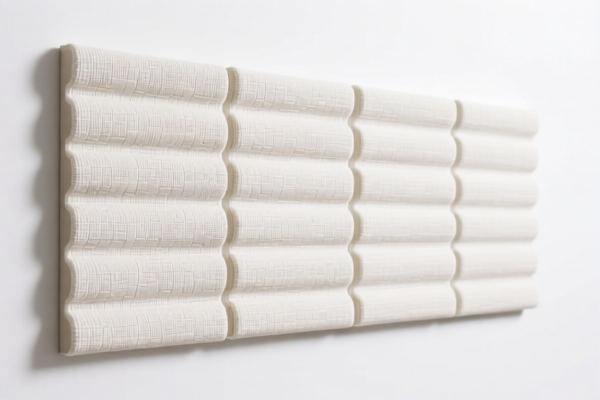
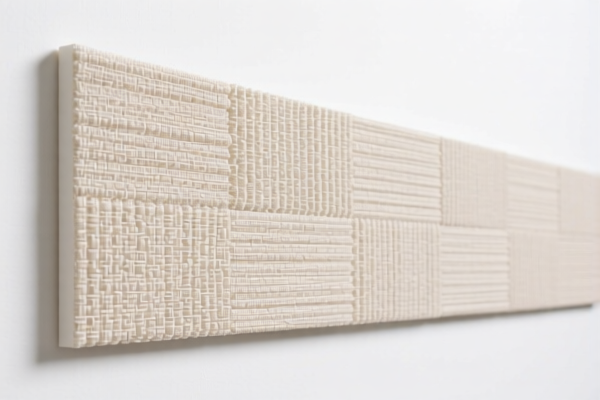
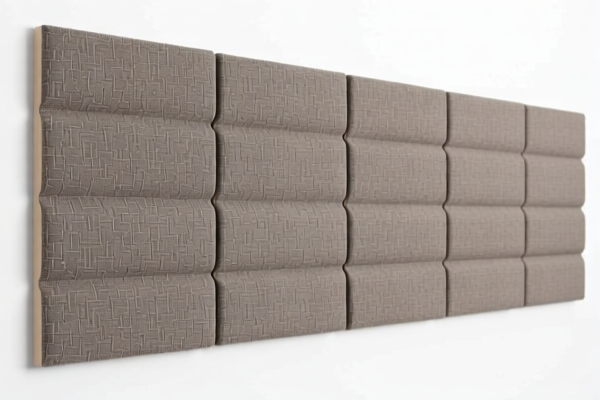
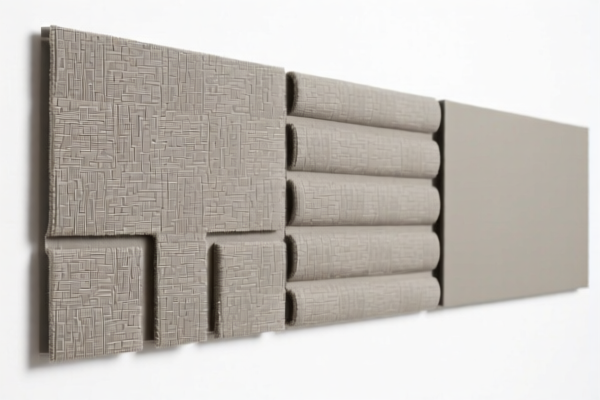
AI分析
🏗️ Polyurethane Textile Composite Wall Panel
🌐 HS Code Classification & Customs Clearance Guide | 2026 Latest Tariff Rules | Pro-Level Import Strategy
📌 One Product, Three Possible HS Codes — Know the Difference to Avoid 45%+ Tariff Traps!
📌 一、Product Definition & Core Classification Challenge
The Polyurethane Textile Composite Wall Panel is a multi-material building product combining: - A textile base (fabric, non-woven, or fiber mesh), - A polyurethane (PU) layer applied via coating, impregnation, or lamination, - Used as a structural or insulation panel in construction.
⚠️ Critical Question:
Is this a textile product treated with polyurethane, or a polyurethane board with textile reinforcement?
→ The answer determines which HS Code applies — and whether you pay 35% or 42.5% tariffs!
📦 二、HS Code Classification Breakdown (2026 Official Tariff Authority)
| HS Code | Product Description | Matching Criteria | Tax Rate | Key Risk |
|---|---|---|---|---|
6810.99.00.80 |
Other building panels made of cement, concrete, or artificial stone; non-specific stone polymer composites | ✅ "Building panel" → use case matches ✅ "Polyurethane composite" → not stone, but fits "other" category ✅ No conflicting material (e.g., pure stone) |
35.0% | High risk of misclassification if not justified |
5903.20.20.00 |
Textile fabrics impregnated, coated, or covered with polyurethane; used in construction | ✅ "Polyurethane" → material match ✅ "Textile composite" → textile base confirmed ✅ "Building panel" → downstream use accepted |
35.0% | Must prove textile is primary structural layer |
5903.20.25.00 |
Polyurethane-treated man-made fiber textiles, specifically for building panels | ✅ "Polyurethane" + "textile" → exact match ✅ "Building panel" → application confirmed ✅ Higher tariff due to specific subheading |
42.5% | Most likely correct if PU is coating/laminate on fabric |
3921.13.19.50 |
Other polyurethane plates, sheets, film, or strip, not for packaging, not for medical use | ✅ "Polyurethane" → material match ✅ "Plate" → shape matches ✅ "Building use" → application valid ✅ No textile content required |
15.3% | Lowest tariff — but only if no textile is present |
🔍 The Big Dilemma:
- If textile is visible, structural, or integral →5903.20.25.00(42.5%)
- If PU is the main body, textile is just a backing or reinforcement →3921.13.19.50(15.3%)
- If no textile at all, or only a thin layer, →6810.99.00.80(35.0%)
💰 三、2026 Tariff Breakdown (US Import Rules | China Origin)
🎯 1. 6810.99.00.80 — Other Building Panels (Cement/Concrete/Artificial Stone)
| Item | Detail |
|---|---|
| Base Duty | 0.0% (ad valorem) |
| Section 301 (USITC) Additional Duty | +25.0% |
| Section 122 (IEEPA) Emergency Duty | +10.0% |
| Total Effective Duty | 35.0% |
| Tax Calculation | CIF Value × 35.0% |
| De Minimis Exemption | ❌ Not applicable (denied for China-origin goods) |
| Legal Basis Path | IEEPA:9903.01.25 → USITC:6810.99.00.80 → FOOTNOTE:9903.88.01 |
📌 Why This Applies:
- The panel is used in construction, so "building panel" fits.
- Though not stone, the category includes non-specific polymer composites under "other".
- No conflict with cement/concrete/stone — it’s not claimed as such.
🎯 2. 5903.20.20.00 — Polyurethane-Coated Textile Fabrics
| Item | Detail |
|---|---|
| Base Duty | 0.0% |
| Section 301 (USITC) Additional Duty | +25.0% |
| Section 122 (IEEPA) Emergency Duty | +10.0% |
| Total Effective Duty | 35.0% |
| Tax Calculation | CIF × 35.0% |
| De Minimis Exemption | ❌ Not available |
| Legal Basis Path | IEEPA:9903.01.25 → USITC:5903.20.20.00 → FOOTNOTE:9903.88.01 |
📌 Why This Applies:
- The textile is the base material (e.g., polyester fabric).
- Polyurethane is applied via coating, impregnation, or lamination.
- Used in construction → downstream application accepted.
🎯 3. 5903.20.25.00 — Polyurethane-Treated Man-Made Fiber Textiles (Specific Use)
| Item | Detail |
|---|---|
| Base Duty | 7.5% |
| Section 301 (USITC) Additional Duty | +25.0% |
| Section 122 (IEEPA) Emergency Duty | +10.0% |
| Total Effective Duty | 42.5% |
| Tax Calculation | CIF × 42.5% |
| De Minimis Exemption | ❌ Not available |
| Legal Basis Path | IEEPA:9903.01.25 → USITC:5903.20.25.00 → FOOTNOTE:9903.88.01 |
📌 Why This Applies (Most Accurate if Textile is Primary):
- The textile is explicitly treated with PU (not just a backing).
- The product is designed as a composite building panel.
- This is the most specific and precise match — but highest tax.
🎯 4. 3921.13.19.50 — Other Polyurethane Plates/Sheets (No Textile)
| Item | Detail |
|---|---|
| Base Duty | 5.3% |
| Section 301 (USITC) Additional Duty | 0.0% |
| Section 122 (IEEPA) Emergency Duty | +10.0% |
| Total Effective Duty | 15.3% |
| Tax Calculation | CIF × 15.3% |
| De Minimis Exemption | ❌ Not available |
| Legal Basis Path | IEEPA:9903.01.24 → 3921.13.19.50 |
📌 Why This Applies (If Textile is Not Structural):
- The PU is the primary material (e.g., rigid foam core).
- The textile is only a surface layer or reinforcement, not the base.
- No textile-based classification applies — it’s a polymer plate.
- Lowest tariff — but only if you can prove no textile is integral.
🛠️ Four Key Customs Clearance Strategies (Pro Tips)
✅ 1. Document the Material Hierarchy
🔥 Rule: What’s the base? What’s the coating? What’s the function?
| Evidence to Provide | Why It Matters |
|---|---|
| Product photos (side view) | Show if textile is on surface or embedded |
| Material composition sheet | List % of PU, textile, additives |
| Technical drawings / cross-section | Prove whether textile is structural or decorative |
| Supplier’s technical specs | Confirm if PU is applied via coating, lamination, or foam |
📌 If textile is visible and structural →
5903.20.25.00(42.5%)
📌 If PU is the core, textile is just a layer →3921.13.19.50(15.3%)
✅ 2. Avoid Misclassification Traps
| ❌ Wrong | ✅ Right |
|---|---|
Claiming 3921.13.19.50 when textile is visible and structural |
Use 5903.20.25.00 instead |
Claiming 6810.99.00.80 without proving it’s not stone or concrete |
Only use if no textile and no polymer coating |
Using 5903.20.20.00 when man-made fibers are used |
Use 5903.20.25.00 for accuracy |
✅ 3. Pre-Check with U.S. Customs (Pre-Ruling)
📞 Apply for an Advance Ruling (Section 177)
- Submit product samples + technical data + photos
- Get binding decision on HS Code before shipment
- Saves $10k+ in potential overpayment or penalties
✅ 4. Use the Right Product Name in Invoice
| ❌ Avoid | ✅ Use |
|---|---|
| "Polyurethane Wall Panel" | "Polyurethane-Coated Polyester Fabric Composite Panel for Building Use" |
| "Textile Panel" | "Man-Made Fiber Textile Laminated with Polyurethane, for Construction" |
🔑 Keywords matter:
- Include "coated", "laminated", "treated", "composite", "building use"
- Avoid "plate" or "sheet" if textile is dominant
🌍 Global Market Comparison (2026)
| Country | Recommended HS Code | Base Duty | Additional Taxes | Notes |
|---|---|---|---|---|
| 🇺🇸 USA | 5903.20.25.00 |
7.5% | +25% +10% → 42.5% | Highest risk — China origin |
| 🇨🇳 China | 5903.20.25.00 |
7.5% | 0% | No extra tariffs |
| 🇪🇺 EU | 5903.20.25.00 |
0% | 0% | CE/ROHS only |
| 🇦🇺 Australia | 5903.20.25.00 |
5% | 0% | RCM required |
| 🇯🇵 Japan | 5903.20.25.00 |
0% | 0% | PSE required |
📌 Insight:
- USA is the only market with 25%+ extra tariffs on Chinese goods.
- EU, Japan, Australia are much friendlier — consider shifting suppliers.
🚨 Common Mistakes That Cost Thousands
❌ Mistake 1: Using 3921.13.19.50 for a textile-rich panel
👉 Result: $10k+ in back taxes + penalties — misclassification
❌ Mistake 2: Claiming 6810.99.00.80 without proving it’s not stone
👉 Result: Refusal or seizure — no material conflict argument holds
❌ Mistake 3: Not submitting technical drawings
👉 Result: Customs delays, random audit, 100% inspection
❌ Mistake 4: Using "polyurethane board" in invoice
👉 Result: Assumed to be 3921.13.19.50 — even if textile is dominant
✅ Final Verdict: Which HS Code Should You Use?
🎯 If the textile is the base and treated with PU →
5903.20.25.00(42.5%)
🎯 If PU is the core, textile is just a layer →3921.13.19.50(15.3%)
🎯 If no textile, or only a thin backing →6810.99.00.80(35.0%)
🎯 If textile is present but not structural →5903.20.20.00(35.0%)📌 Best Practice:
Always submit technical data + photos + composition sheet to Customs before shipment.
🎯 Pro Summary: "Know Your Material, Know Your Tax"
🔹 Textile + PU →
5903.20.25.00(42.5%)
🔹 PU core + textile layer →3921.13.19.50(15.3%)
🔹 No textile →6810.99.00.80(35.0%)
🔹 Avoid5903.20.20.00unless textile is general💡 Pro Tip:
Apply for a Pre-Ruling — it’s cheaper than a penalty.
📣 Act Now!
📞 Contact a U.S. Customs Broker + Product Classification Expert
📥 Submit product photos, specs, and composition
✅ Get binding HS Code decision before shipping
✨ Smart Classification = Lower Tax = Faster Clearance = Higher Profit!
💼 Your product’s fate is in the HS Code — get it right the first time!
用户评价
关于 HS 编码归类
协调制度(HS)是由世界海关组织(WCO)制定的国际贸易商品分类标准。全球 200 多个国家采用 HS 系统作为海关关税、贸易统计和进出口监管的基础。
每个 HS 编码遵循以下层级结构:
- 章(2 位)——商品大类(例如:第 84 章:机器和机械设备)
- 品目(4 位)——章内的更具体分类
- 子目(6 位)——国际通用细分,所有 WCO 成员国统一使用
- 本国细分(8-10 位)——各国自行扩展的细分编码,如美国 HTSUS 10 位编码
正确的 HS 编码归类对于顺利通关、准确缴纳关税和遵守贸易法规至关重要。错误归类可能导致海关延误、多缴关税或罚款。
从CN进口到US时,适用的关税税率可能包括:
- 最惠国(MFN)税率——适用于 WTO 成员国的标准关税税率
- 普通税率——适用于无贸易协定国家
- 贸易救济关税——附加关税,如 301 条款(反倾销)、232 条款(国家安全)或反补贴税
本页内容仅供参考。如需正式归类,请咨询当地海关或持牌报关代理。