Polyvinyl Chloride Resin (Plasticized)
CN → US| HS编码 | 关税税率 | 原产国 | 目的国 | 文档 |
|---|---|---|---|---|
| 3904210000 | 41.5% | CN | US | 官方文档 |
| 3904220000 | 41.5% | CN | US | 官方文档 |
| 3904100000 | 41.5% | CN | US | 官方文档 |
| 3911909150 | 41.5% | CN | US | 官方文档 |
| 3904220000 | 41.5% | CN | US | 官方文档 |
商品图片
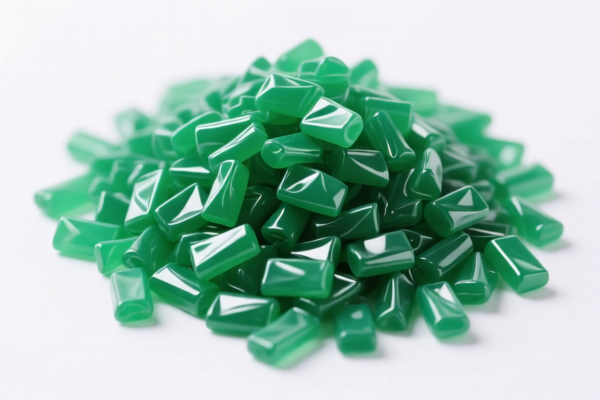
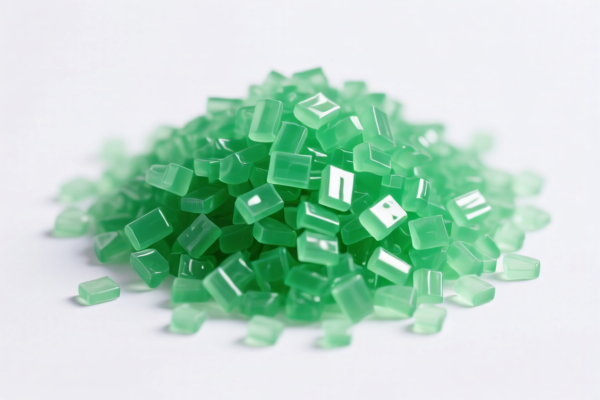

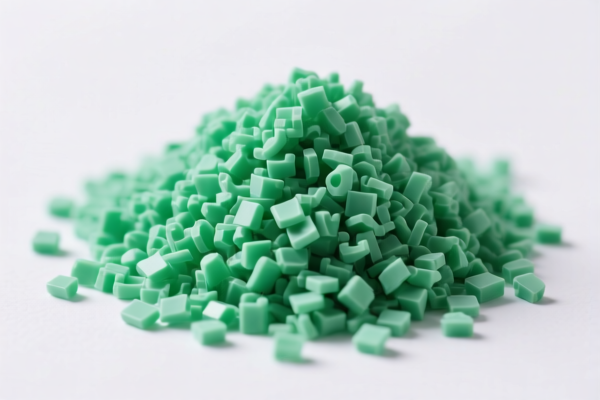
AI分析
🧪 Polyvinyl Chloride Resin (Plasticized & Unplasticized)
🌐 HS Code Reference & Clearance Guide | 2026 Latest Tariff Analysis | Professional Customs Strategy
📌 I. Product Definition & Classification: Do You Understand "PVC Resin"?
Polyvinyl Chloride (PVC) Resin is a versatile thermoplastic widely used in construction, healthcare, packaging, and automotive industries. In international trade, it is strictly categorized by its plasticization state and physical form.
Plasticized PVC Resin:
- Contains added plasticizers to increase flexibility and ductility.
- Typically used for soft tubes, cables, flooring, and synthetic leather.
Non-Plasticized (Unplasticized) PVC Resin:
- Rigid form, high strength.
- Typically used for pipes, profiles, and rigid packaging.
⚠️ Key Distinction Point:
- If the resin is designed for flexible applications (soft/flexible properties due to plasticizers) → It falls under Plasticized PVC Codes.
- If the resin is rigid or generic "primary form" without specified plasticization → It falls under Unplasticized/General PVC Codes.
- All listed HS Codes below refer to Resin in Primary Forms.
📦 II. HS Code Classification Details (2026 Latest Tariff Authority Match)
Based on your provided data, all items fall under Chapter 39: Plastics and Articles Thereof. Below is the authoritative mapping for Polyvinyl Chloride Resin.
| HS Code | Product Description | Key Characteristics | Classification Logic |
|---|---|---|---|
3904.21.00.00 |
Plasticized Polyvinyl Chloride Resin | Material: PVC; Form: Resin; State: Plasticized Primary Form | Matches "Plasticized" classification |
3904.22.00.00 |
Plasticized Polyvinyl Chloride Resin | Material: PVC; Form: Resin; State: Plasticized Primary Form | Matches "Plasticized" classification |
3904.10.00.00 |
Polyvinyl Chloride Resin (Thermoplastic) | Material: PVC; Form: Resin; State: Primary Form (Non-Plasticized/Rigid) | Matches "Non-Plasticized/Thermoplastic" classification |
3904.10.00.00 |
Polyvinyl Chloride Resin (Thermosetting) | Material: PVC; Form: Resin; State: Primary Form | Note: PVC is typically thermoplastic; this entry may apply to specific cross-linked or modified variants classified under primary form |
3911.90.91.50 |
Polyvinyl Chloride Resin (Thermosetting) | Material: PVC; Form: Resin; State: Classified under Thermosetting Resins | Specific classification for certain thermosetting PVC derivatives |
🔍 Critical Reminder:
- Plasticized PVC (HS 3904.21/22) and Unplasticized PVC (HS 3904.10) share the same total tax rate in this dataset.
- HS 3911.90.91.50 is a specific sub-category for thermosetting PVC resins, often used in specialized industrial applications.
- All codes listed carry identical tariff structures in the provided data: 41.5% Total Tax.
💰 III. 2026 Latest Tariff Rate Breakdown (Detailed Tax Clauses)
✅ Applicable Country: United States (US)
✅ Origin: China (CN)
✅ Effective Time: Current (Based on 2025-2026 Trade Policy)
🎯 1. All Listed HS Codes (3904.21, 3904.22, 3904.10, 3911.90.91.50)
Polyvinyl Chloride Resin (Plasticized & Unplasticized)
| Item | Content |
|---|---|
| Base Tariff Rate | 6.5% (Standard MFN Rate for Chapter 39) |
| Section 301 Add-on Tariff | +25.0% (Retaliatory tariffs on Chinese goods under US Trade Act) |
| Section 122 Tariff | +10.0% (Additional levy under specific U.S. trade provisions) |
| Total Tax Rate | 41.5% |
| Tax Calculation | CIF Value × 41.5% |
| De Minimis Exemption | ❌ Not Applicable (Deny de minimis for Section 301 goods) |
| Legal Authority Path | USITC:3904.21.00.00/3904.10.00.00/3911.90.91.50 → Section 301: HTSUS 3904.21.00.00 → Section 122: 19 U.S.C. 1677 |
📌 Interpretation:
- Base Tariff (6.5%): Standard import duty for plastics under normal trade relations.
- Section 301 Tariff (25%): Imposed due to trade tensions; applies to most Chinese-made PVC resins.
- Section 122 Tariff (10%): Additional safeguard tariff under the International Emergency Economic Powers Act (IEEPA) or specific trade enforcement clauses.
- Total Impact (41.5%): This is a high-cost import category. Importers must factor this into landed cost calculations.
🛠️ IV. Customs Clearance Practical Advice (Avoid Pitfalls)
✅ 1. Required Documentation Checklist (Mandatory)
| Document | Required | Purpose |
|---|---|---|
| ✅ Product Specification Sheet | ✔️ | Must clearly state "PVC Resin," plasticized/unplasticized status, monomer percentage, and molecular weight. |
| ✅ Certificate of Origin (CO) | ✔️ | To verify origin (China) and confirm applicability of Section 301/122 tariffs. |
| ✅ Commercial Invoice | ✔️ | Must describe goods as "Polyvinyl Chloride Resin, Primary Form" with precise HS Code. |
| ✅ Packing List | ✔️ | Detail net/gross weight, number of bags, and palletization. |
| ✅ Safety Data Sheet (SDS) | ✔️ | For chemical safety compliance; confirms no hazardous additives beyond standard plasticizers. |
| ✅ Bill of Lading/Air Waybill | ✔️ | Transport document linking shipment to invoice. |
✅ 2. Declaration Tips (Key Mnemonics)
🔥 "Precise Description, Correct HS, Tariff Clarity!"
| Scenario | Correct Declaration | Wrong Practice |
|---|---|---|
| Plasticized PVC Granules | 3904.21.00.00 or 3904.22.00.00 |
Misdeclare as "Plastic Sheets" → Higher duty or penalty |
| Rigid PVC Powder | 3904.10.00.00 |
Misdeclare as "Chemical Mixture" → Delayed inspection |
| Thermosetting PVC Resin | 3911.90.91.50 |
Misdeclare as standard PVC → Compliance risk |
| Mixed Packaging (Resin + Additives) | Declare main component (Resin) | Split shipment unnecessarily → Increased clearance time |
⚠️ Important:
- If the product contains more than 95% PVC monomer polymer, it is classified as PVC Resin.
- If it contains other polymers or significant additives, it may fall under Chapter 3909 (Other plastics) or Chapter 38 (Miscellaneous chemical products), which have different tax rates. Verify composition!
✅ 3. Special Cases Handling
| Situation | Recommendation |
|---|---|
| PVC Resin with Special Additives | If additives exceed general plasticizer roles (e.g., flame retardants, UV stabilizers), consult customs broker for potential reclassification under 3911 or 3824. |
| Origin Marking | Ensure all packaging clearly states "Made in China" to trigger correct Section 301/122 tariffs. |
| Pre-Ruling Application | For large-volume imports, apply for an Advance Ruling (CBP Ruling) to confirm HS Code and tax liability before shipment. |
🌍 V. Global Market Comparison (2026 Outlook)
| Country/Region | Recommended HS Code | Tariff (China Origin) | Certification/Requirements | Notes |
|---|---|---|---|---|
| 🇺🇸 USA | 3904.21.00.00 / 3904.10.00.00 |
41.5% (6.5% + 25% + 10%) | No specific FDA/CE for resin, but SDS required | High tariff impact; consider supply chain diversification. |
| 🇨🇳 China | 3904.21.00.00 / 3904.10.00.00 |
0% (Import) / VAT 13% | GB Standards | No Section 301 tariffs domestically. |
| 🇪🇺 EU | 3904.21 / 3904.10 |
6.5% (Most Favored Nation) | REACH Registration Required | No Section 301/122 tariffs. REACH compliance critical for plasticizers. |
| 🇮🇳 India | 3904.21 / 3904.10 |
7.5% + SWS | BIS Standard | Anti-dumping duties may apply to Chinese PVC. |
📌 Conclusion:
- USA imposes the highest tariff burden (41.5%) on Chinese PVC resin due to Section 301 and 122 tariffs.
- EU and India offer lower base tariffs but require strict chemical compliance (REACH, BIS).
- Strategic Recommendation: For US-bound goods, consider transshipment via third countries (e.g., Vietnam, Mexico) only if substantial transformation rules are met; otherwise, tariffs will still apply.
📌 VI. Common Mistakes & Pitfalls (Lessons Learned)
❌ Mistake 1: Declaring "PVC Pellets" without specifying plasticized/unplasticized status
👉 Consequence: Customs may downgrade to higher-duty category or demand detailed composition analysis → Delays.
❌ Mistake 2: Ignoring Section 122 Tariff
👉 Consequence: Underpayment of 10% → Fines + Interest during audit.
❌ Mistake 3: Using "Plastic Raw Material" as a generic description
👉 Consequence: Ambiguity leads to extended hold times for chemical verification → Storage Fees.
❌ Mistake 4: Assuming PVC Resin is exempt from de minimis (Section 321)
👉 Consequence: Section 301 goods are explicitly excluded from de minimis exemptions → Full Duty Application.
✅ Best Practice:
"Declare 'Polyvinyl Chloride Resin, Primary Form, Plasticized/Unplasticized, % PVC Content' — Precision Prevents Penalties!"
🎯 VII. Conclusion: Smart Clearance, Cost Efficiency, Risk Mitigation
🎯 Key Takeaways:
🔹 "PVC Resin = 41.5% Landed Cost in USA (China Origin)"
🔹 "Plasticized vs. Unplasticized: Same Tax, Different HS Code for Compliance"
🔹 "Always Verify Composition: >95% PVC = Chapter 39; Additives = Chapter 38/3909"
📌 Pro Tip:
- For US imports, evaluate if your supplier can ship from a non-China origin (e.g., South Korea, Thailand) to avoid Section 301/122 tariffs.
- For EU imports, ensure REACH registration for all plasticizers used in plasticized PVC.
- Always request a CBP Advance Ruling for large consignments to lock in HS Code and duty rate.
📣 Immediate Action:
📞 Consult a Licensed Customs Broker + Submit Product Specifications + Apply for Pre-Ruling
🚀 Optimize Your PVC Supply Chain, Minimize Tax Burden, Ensure Smooth Clearance!
✨ Accurate Classification, Every Time!
💼 Your Profit Margin Depends on Precise Tariff Management!
用户评价
关于 HS 编码归类
协调制度(HS)是由世界海关组织(WCO)制定的国际贸易商品分类标准。全球 200 多个国家采用 HS 系统作为海关关税、贸易统计和进出口监管的基础。
每个 HS 编码遵循以下层级结构:
- 章(2 位)——商品大类(例如:第 84 章:机器和机械设备)
- 品目(4 位)——章内的更具体分类
- 子目(6 位)——国际通用细分,所有 WCO 成员国统一使用
- 本国细分(8-10 位)——各国自行扩展的细分编码,如美国 HTSUS 10 位编码
正确的 HS 编码归类对于顺利通关、准确缴纳关税和遵守贸易法规至关重要。错误归类可能导致海关延误、多缴关税或罚款。
从CN进口到US时,适用的关税税率可能包括:
- 最惠国(MFN)税率——适用于 WTO 成员国的标准关税税率
- 普通税率——适用于无贸易协定国家
- 贸易救济关税——附加关税,如 301 条款(反倾销)、232 条款(国家安全)或反补贴税
本页内容仅供参考。如需正式归类,请咨询当地海关或持牌报关代理。