Polyvinyl Chloride Resin (Plasticized)
CN → US| HS Code | Tariff Rate | Origin | Destination | Doc |
|---|---|---|---|---|
| 3904210000 | 41.5% | CN | US | Official Doc |
| 3904220000 | 41.5% | CN | US | Official Doc |
| 3904100000 | 41.5% | CN | US | Official Doc |
| 3911909150 | 41.5% | CN | US | Official Doc |
| 3904220000 | 41.5% | CN | US | Official Doc |
Product Images
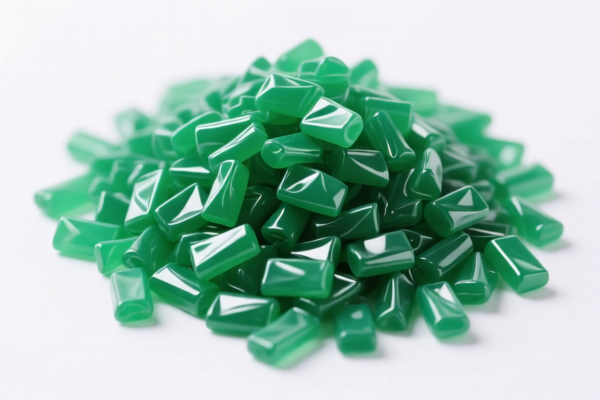
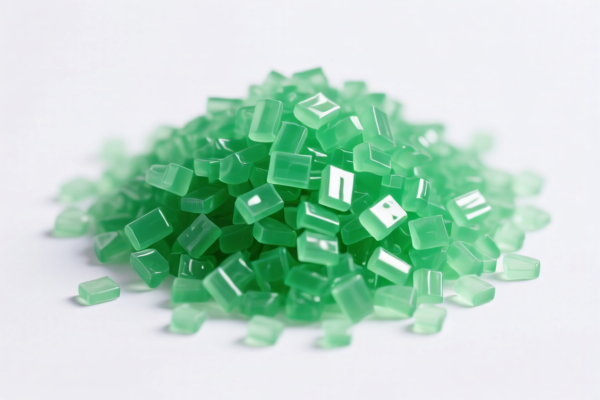

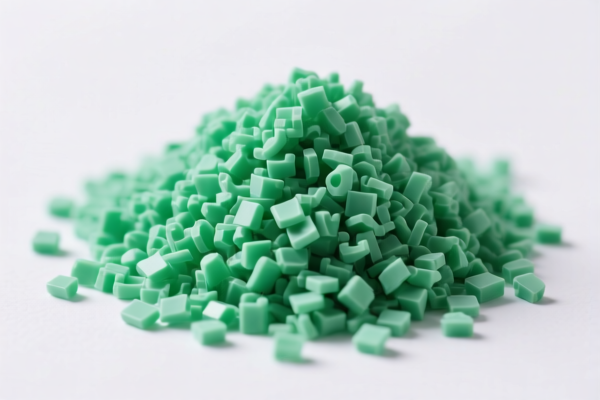
AI Analysis
🧪 Polyvinyl Chloride Resin (Plasticized & Unplasticized)
🌐 HS Code Reference & Clearance Guide | 2026 Latest Tariff Analysis | Professional Customs Strategy
📌 I. Product Definition & Classification: Do You Understand "PVC Resin"?
Polyvinyl Chloride (PVC) Resin is a versatile thermoplastic widely used in construction, healthcare, packaging, and automotive industries. In international trade, it is strictly categorized by its plasticization state and physical form.
Plasticized PVC Resin:
- Contains added plasticizers to increase flexibility and ductility.
- Typically used for soft tubes, cables, flooring, and synthetic leather.
Non-Plasticized (Unplasticized) PVC Resin:
- Rigid form, high strength.
- Typically used for pipes, profiles, and rigid packaging.
⚠️ Key Distinction Point:
- If the resin is designed for flexible applications (soft/flexible properties due to plasticizers) → It falls under Plasticized PVC Codes.
- If the resin is rigid or generic "primary form" without specified plasticization → It falls under Unplasticized/General PVC Codes.
- All listed HS Codes below refer to Resin in Primary Forms.
📦 II. HS Code Classification Details (2026 Latest Tariff Authority Match)
Based on your provided data, all items fall under Chapter 39: Plastics and Articles Thereof. Below is the authoritative mapping for Polyvinyl Chloride Resin.
| HS Code | Product Description | Key Characteristics | Classification Logic |
|---|---|---|---|
3904.21.00.00 |
Plasticized Polyvinyl Chloride Resin | Material: PVC; Form: Resin; State: Plasticized Primary Form | Matches "Plasticized" classification |
3904.22.00.00 |
Plasticized Polyvinyl Chloride Resin | Material: PVC; Form: Resin; State: Plasticized Primary Form | Matches "Plasticized" classification |
3904.10.00.00 |
Polyvinyl Chloride Resin (Thermoplastic) | Material: PVC; Form: Resin; State: Primary Form (Non-Plasticized/Rigid) | Matches "Non-Plasticized/Thermoplastic" classification |
3904.10.00.00 |
Polyvinyl Chloride Resin (Thermosetting) | Material: PVC; Form: Resin; State: Primary Form | Note: PVC is typically thermoplastic; this entry may apply to specific cross-linked or modified variants classified under primary form |
3911.90.91.50 |
Polyvinyl Chloride Resin (Thermosetting) | Material: PVC; Form: Resin; State: Classified under Thermosetting Resins | Specific classification for certain thermosetting PVC derivatives |
🔍 Critical Reminder:
- Plasticized PVC (HS 3904.21/22) and Unplasticized PVC (HS 3904.10) share the same total tax rate in this dataset.
- HS 3911.90.91.50 is a specific sub-category for thermosetting PVC resins, often used in specialized industrial applications.
- All codes listed carry identical tariff structures in the provided data: 41.5% Total Tax.
💰 III. 2026 Latest Tariff Rate Breakdown (Detailed Tax Clauses)
✅ Applicable Country: United States (US)
✅ Origin: China (CN)
✅ Effective Time: Current (Based on 2025-2026 Trade Policy)
🎯 1. All Listed HS Codes (3904.21, 3904.22, 3904.10, 3911.90.91.50)
Polyvinyl Chloride Resin (Plasticized & Unplasticized)
| Item | Content |
|---|---|
| Base Tariff Rate | 6.5% (Standard MFN Rate for Chapter 39) |
| Section 301 Add-on Tariff | +25.0% (Retaliatory tariffs on Chinese goods under US Trade Act) |
| Section 122 Tariff | +10.0% (Additional levy under specific U.S. trade provisions) |
| Total Tax Rate | 41.5% |
| Tax Calculation | CIF Value × 41.5% |
| De Minimis Exemption | ❌ Not Applicable (Deny de minimis for Section 301 goods) |
| Legal Authority Path | USITC:3904.21.00.00/3904.10.00.00/3911.90.91.50 → Section 301: HTSUS 3904.21.00.00 → Section 122: 19 U.S.C. 1677 |
📌 Interpretation:
- Base Tariff (6.5%): Standard import duty for plastics under normal trade relations.
- Section 301 Tariff (25%): Imposed due to trade tensions; applies to most Chinese-made PVC resins.
- Section 122 Tariff (10%): Additional safeguard tariff under the International Emergency Economic Powers Act (IEEPA) or specific trade enforcement clauses.
- Total Impact (41.5%): This is a high-cost import category. Importers must factor this into landed cost calculations.
🛠️ IV. Customs Clearance Practical Advice (Avoid Pitfalls)
✅ 1. Required Documentation Checklist (Mandatory)
| Document | Required | Purpose |
|---|---|---|
| ✅ Product Specification Sheet | ✔️ | Must clearly state "PVC Resin," plasticized/unplasticized status, monomer percentage, and molecular weight. |
| ✅ Certificate of Origin (CO) | ✔️ | To verify origin (China) and confirm applicability of Section 301/122 tariffs. |
| ✅ Commercial Invoice | ✔️ | Must describe goods as "Polyvinyl Chloride Resin, Primary Form" with precise HS Code. |
| ✅ Packing List | ✔️ | Detail net/gross weight, number of bags, and palletization. |
| ✅ Safety Data Sheet (SDS) | ✔️ | For chemical safety compliance; confirms no hazardous additives beyond standard plasticizers. |
| ✅ Bill of Lading/Air Waybill | ✔️ | Transport document linking shipment to invoice. |
✅ 2. Declaration Tips (Key Mnemonics)
🔥 "Precise Description, Correct HS, Tariff Clarity!"
| Scenario | Correct Declaration | Wrong Practice |
|---|---|---|
| Plasticized PVC Granules | 3904.21.00.00 or 3904.22.00.00 |
Misdeclare as "Plastic Sheets" → Higher duty or penalty |
| Rigid PVC Powder | 3904.10.00.00 |
Misdeclare as "Chemical Mixture" → Delayed inspection |
| Thermosetting PVC Resin | 3911.90.91.50 |
Misdeclare as standard PVC → Compliance risk |
| Mixed Packaging (Resin + Additives) | Declare main component (Resin) | Split shipment unnecessarily → Increased clearance time |
⚠️ Important:
- If the product contains more than 95% PVC monomer polymer, it is classified as PVC Resin.
- If it contains other polymers or significant additives, it may fall under Chapter 3909 (Other plastics) or Chapter 38 (Miscellaneous chemical products), which have different tax rates. Verify composition!
✅ 3. Special Cases Handling
| Situation | Recommendation |
|---|---|
| PVC Resin with Special Additives | If additives exceed general plasticizer roles (e.g., flame retardants, UV stabilizers), consult customs broker for potential reclassification under 3911 or 3824. |
| Origin Marking | Ensure all packaging clearly states "Made in China" to trigger correct Section 301/122 tariffs. |
| Pre-Ruling Application | For large-volume imports, apply for an Advance Ruling (CBP Ruling) to confirm HS Code and tax liability before shipment. |
🌍 V. Global Market Comparison (2026 Outlook)
| Country/Region | Recommended HS Code | Tariff (China Origin) | Certification/Requirements | Notes |
|---|---|---|---|---|
| 🇺🇸 USA | 3904.21.00.00 / 3904.10.00.00 |
41.5% (6.5% + 25% + 10%) | No specific FDA/CE for resin, but SDS required | High tariff impact; consider supply chain diversification. |
| 🇨🇳 China | 3904.21.00.00 / 3904.10.00.00 |
0% (Import) / VAT 13% | GB Standards | No Section 301 tariffs domestically. |
| 🇪🇺 EU | 3904.21 / 3904.10 |
6.5% (Most Favored Nation) | REACH Registration Required | No Section 301/122 tariffs. REACH compliance critical for plasticizers. |
| 🇮🇳 India | 3904.21 / 3904.10 |
7.5% + SWS | BIS Standard | Anti-dumping duties may apply to Chinese PVC. |
📌 Conclusion:
- USA imposes the highest tariff burden (41.5%) on Chinese PVC resin due to Section 301 and 122 tariffs.
- EU and India offer lower base tariffs but require strict chemical compliance (REACH, BIS).
- Strategic Recommendation: For US-bound goods, consider transshipment via third countries (e.g., Vietnam, Mexico) only if substantial transformation rules are met; otherwise, tariffs will still apply.
📌 VI. Common Mistakes & Pitfalls (Lessons Learned)
❌ Mistake 1: Declaring "PVC Pellets" without specifying plasticized/unplasticized status
👉 Consequence: Customs may downgrade to higher-duty category or demand detailed composition analysis → Delays.
❌ Mistake 2: Ignoring Section 122 Tariff
👉 Consequence: Underpayment of 10% → Fines + Interest during audit.
❌ Mistake 3: Using "Plastic Raw Material" as a generic description
👉 Consequence: Ambiguity leads to extended hold times for chemical verification → Storage Fees.
❌ Mistake 4: Assuming PVC Resin is exempt from de minimis (Section 321)
👉 Consequence: Section 301 goods are explicitly excluded from de minimis exemptions → Full Duty Application.
✅ Best Practice:
"Declare 'Polyvinyl Chloride Resin, Primary Form, Plasticized/Unplasticized, % PVC Content' — Precision Prevents Penalties!"
🎯 VII. Conclusion: Smart Clearance, Cost Efficiency, Risk Mitigation
🎯 Key Takeaways:
🔹 "PVC Resin = 41.5% Landed Cost in USA (China Origin)"
🔹 "Plasticized vs. Unplasticized: Same Tax, Different HS Code for Compliance"
🔹 "Always Verify Composition: >95% PVC = Chapter 39; Additives = Chapter 38/3909"
📌 Pro Tip:
- For US imports, evaluate if your supplier can ship from a non-China origin (e.g., South Korea, Thailand) to avoid Section 301/122 tariffs.
- For EU imports, ensure REACH registration for all plasticizers used in plasticized PVC.
- Always request a CBP Advance Ruling for large consignments to lock in HS Code and duty rate.
📣 Immediate Action:
📞 Consult a Licensed Customs Broker + Submit Product Specifications + Apply for Pre-Ruling
🚀 Optimize Your PVC Supply Chain, Minimize Tax Burden, Ensure Smooth Clearance!
✨ Accurate Classification, Every Time!
💼 Your Profit Margin Depends on Precise Tariff Management!
Customer Reviews
About HS Code Classification
The Harmonized System (HS) is an internationally standardized nomenclature developed by the World Customs Organization (WCO) to classify traded products. Over 200 countries use the HS system as the basis for customs tariffs, trade statistics, and import/export regulations.
Each HS code follows a hierarchical structure:
- Chapter (2 digits) — Broad category of goods (e.g., Chapter 84: Machinery and Mechanical Appliances)
- Heading (4 digits) — More specific grouping within the chapter
- Subheading (6 digits) — Internationally standardized breakdown, used by all WCO member countries
- National subdivisions (8-10 digits) — Country-specific extensions for further classification, such as US HTSUS 10-digit codes
Correct HS code classification is essential for smooth customs clearance, accurate duty payment, and compliance with trade regulations. Misclassification can lead to customs delays, overpayment of duties, or penalties.
When importing from CN to US, the applicable tariff rates may include:
- Most-Favored-Nation (MFN) rate — The standard duty rate applied to WTO members
- General rate — Applied to countries without trade agreements
- Trade remedy duties — Additional tariffs such as Section 301 (anti-dumping), Section 232 (national security), or countervailing duties
The information provided on this page is for reference purposes only. For official classification, please consult with your local customs authority or a licensed customs broker.