Popsicle Mold
CN → US| HS编码 | 关税税率 | 原产国 | 目的国 | 文档 |
|---|---|---|---|---|
| 3924104000 | 13.4% | CN | US | 官方文档 |
| 8438909090 | 37.8% | CN | US | 官方文档 |
| 3924905650 | 20.9% | CN | US | 官方文档 |
| 8438800000 | 35.0% | CN | US | 官方文档 |
| 7323999030 | 88.4% | CN | US | 官方文档 |
| 7323999080 | 88.4% | CN | US | 官方文档 |
商品图片
AI分析
🍦 Popsicle Mold (Plastic/Metal Kitchenware & Machinery Parts)
🌐 HS Code Reference & Customs Clearance Guide | 2026 Latest Tariff Analysis | Professional Strategy
📌 I. Product Definition & Classification: Do You Really Know "Popsicle Mold"?
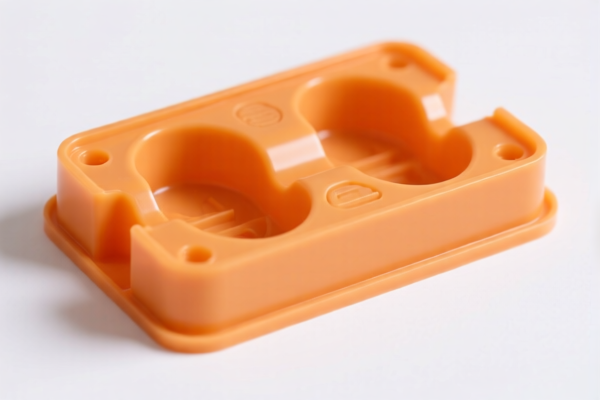
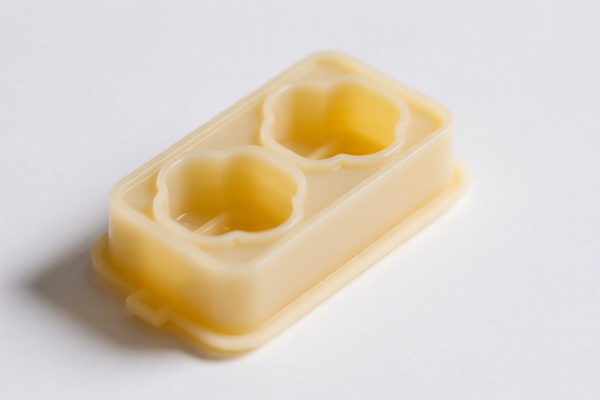
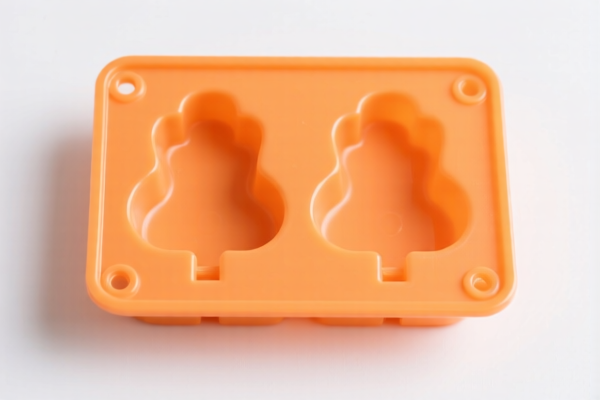
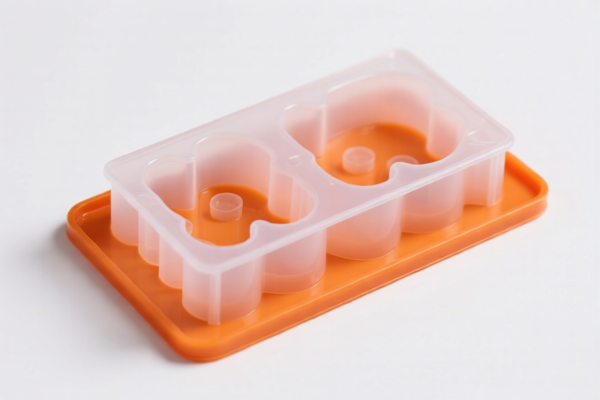
The term "Popsicle Mold" is a broad commercial term that can refer to two entirely different categories of goods in international trade: 1. Consumer Kitchenware: Plastic molds for making popsicles at home or in small cafes. These are considered tableware/kitchen utensils. 2. Industrial Machinery Parts: Metal or plastic molds used in large-scale ice cream bars/popsicle manufacturing lines. These are considered parts of food processing machinery.
⚠️ Critical Distinction:
- If it is a standalone plastic container for freezing liquid → Classified under Chapter 39 (Plastic Tableware/Kitchenware).
- If it is a metal/plastic component attached to an industrial machine → Classified under Chapter 84 (Machinery Parts).
📦 II. HS Code Classification Details (Based on Provided Data)
| HS Code | Product Description | Application Scenario | Material/Type |
|---|---|---|---|
3924.10.40.00 |
Plastic Tableware/Cookware, specifically shaped as molds for kitchen use | Home use, small cafes, retail plastic popsicle trays | ✅ Plastic |
3924.90.56.50 |
Plastic Kitchen Utensils, fitting the definition of kitchen tools | General plastic kitchen accessories, non-standard molds | ✅ Plastic |
7323.99.90.30 |
Metal (Iron/Steel) Tableware, used for food preparation | Industrial or semi-industrial metal molds for food | ✅ Metal (Steel/Iron) |
8438.90.90.90 |
Parts of machinery for preparing food/beverages (e.g., ice cream/popsicle production) | Components for industrial ice cream manufacturing lines | ✅ Machinery Part |
8438.80.00.00 |
Attachments/Molds for machinery used in food/beverage preparation | Industrial molds attached to processing machines | ✅ Machinery Part |
🔍 Key Reminder:
- Plastic household molds fall under 3924 (Kitchenware).
- Industrial metal/plastic molds for machines fall under 8438 (Machinery Parts).
- Misclassification risk: Declaring an industrial metal mold as "Plastic Tableware" to avoid high tariffs will result in severe penalties.
💰 III. 2026 Latest Tariff Rate Breakdown (Including Additional Duties)
✅ Applicable Country: USA (US)
✅ Origin: China (CN)
✅ Effective Date: Rates apply to imports from China.
🎯 1. 3924.10.40.00 —— Plastic Tableware/Cookware (Molds for Kitchen Use)
| Item | Details |
|---|---|
| Base Tariff | 3.4% |
| Section 301 Additional Duty | 0.0% (Note: Data shows 0.0% for this specific subheading, likely due to specific exclusions or categorization) |
| Section 122 Duty (Trump/Biden Era China Tariffs) | 10.0% |
| Total Tax Rate | 13.4% |
| Tax Calculation | CIF Value × 13.4% |
| De Minimis Eligibility | ❌ No (Section 122 duties usually apply regardless of value, but check specific CBP guidance) |
| Legal Basis Path | 3924.10.40.00 → Base: 3.4% + Sec 122: 10% |
📌 Explanation:
- This is the most favorable rate for plastic popsicle molds intended for kitchen use.
- Section 301 (25%) does not appear to apply to this specific subheading in the provided data (0.0%), which is a significant saving compared to other plastic goods.
🎯 2. 3924.90.56.50 —— Plastic Kitchen Utensils (General)
| Item | Details |
|---|---|
| Base Tariff | 3.4% |
| Section 301 Additional Duty | 7.5% |
| Section 122 Duty | 10.0% |
| Total Tax Rate | 20.9% |
| Tax Calculation | CIF Value × 20.9% |
| De Minimis Eligibility | ❌ No |
| Legal Basis Path | 3924.90.56.50 → Base: 3.4% + Sec 301: 7.5% + Sec 122: 10% |
📌 Explanation:
- If the mold does not fit3924.10.40.00(e.g., different shape or use case), it may fall here.
- Total 20.9% is higher than3924.10.40.00. Always try to qualify for3924.10.40.00if applicable.
🎯 3. 7323.99.90.30 —— Metal (Iron/Steel) Tableware
| Item | Details |
|---|---|
| Base Tariff | 3.4% |
| Section 301 Additional Duty | 25.0% |
| Section 122 Duty | 10.0% |
| Steel/Aluminum/Copper Surcharge | 50.0% (Specific to Steel/Iron products) |
| Total Tax Rate | 88.4% |
| Tax Calculation | CIF Value × 88.4% |
| De Minimis Eligibility | ❌ No |
| Legal Basis Path | 7323.99.90.30 → Base: 3.4% + Sec 301: 25% + Sec 122: 10% + Steel Surcharge: 50% |
📌 CRITICAL WARNING:
- 88.4% is a devastatingly high tariff.
- This applies to Metal (Iron/Steel) tableware/molds.
- If your popsicle mold is made of Steel or Iron, this rate applies. Do not declare steel molds as plastic!
🎯 4. 8438.90.90.90 —— Parts of Food/Drink Preparation Machinery
| Item | Details |
|---|---|
| Base Tariff | 2.8% |
| Section 301 Additional Duty | 25.0% |
| Section 122 Duty | 10.0% |
| Total Tax Rate | 37.8% |
| Tax Calculation | CIF Value × 37.8% |
| De Minimis Eligibility | ❌ No |
| Legal Basis Path | 8438.90.90.90 → Base: 2.8% + Sec 301: 25% + Sec 122: 10% |
📌 Explanation:
- This applies if the mold is a part of an industrial machine (e.g., a mold inserted into an automatic ice cream bar filler).
- 37.8% is lower than metal tableware but higher than plastic kitchenware.
🎯 5. 8438.80.00.00 —— Attachments/Molds for Food Machinery
| Item | Details |
|---|---|
| Base Tariff | 0.0% |
| Section 301 Additional Duty | 25.0% |
| Section 122 Duty | 10.0% |
| Total Tax Rate | 35.0% |
| Tax Calculation | CIF Value × 35.0% |
| De Minimis Eligibility | ❌ No |
| Legal Basis Path | 8438.80.00.00 → Base: 0.0% + Sec 301: 25% + Sec 122: 10% |
📌 Explanation:
- Similar to above, but potentially with a lower base rate.
- 35.0% is the lowest rate for machinery parts. If your product is strictly a machine part, this is the best industrial option.
🛠️ IV. Customs Clearance Practical Advice
✅ 1. Preparation Checklist (Must-Haves)
| Document | Required | Notes |
|---|---|---|
| ✅ Product Photos | ✔️ | Clear shots of the mold, material, and any markings. Show if it's standalone or part of a machine. |
| ✅ Specification Sheet | ✔️ | Material composition (Plastic vs. Steel), dimensions, usage (Home vs. Industrial). |
| ✅ Commercial Invoice | ✔️ | Clearly state "Plastic Popsicle Mold for Kitchen Use" or "Mold Assembly for Ice Cream Machine". |
| ✅ Packing List | ✔️ | List quantities and weights. |
| ✅ Proof of Origin | ✔️ | If not China-origin, provide Certificate of Origin for potential exemptions. |
| ✅ Machine Integration Proof | ✔️ | For 8438 codes: Provide diagrams showing how the mold integrates with machinery. |
✅ 2. Classification Strategy (Key Mantra)
🔥 "Material Matters! Plastic is Cheap, Steel is Expensive!"
| Scenario | Correct HS Code | Why? |
|---|---|---|
| Home-use Plastic Tray | 3924.10.40.00 |
Lowest tax (13.4%). Classified as plastic tableware. |
| General Plastic Utensil | 3924.90.56.50 |
Higher tax (20.9%). Use only if 3924.10.40.00 doesn't fit. |
| Industrial Plastic Mold | 8438.80.00.00 |
Tax 35.0%. Must be a part of a machine. |
| Industrial Metal (Steel) Mold | 7323.99.90.30 |
AVOID IF POSSIBLE. Tax 88.4%! |
| Industrial Metal Mold (Non-Steel) | 8438.90.90.90 |
Tax 37.8%. If it's not steel, try to classify as machinery part. |
✅ 3. Special Handling Tips
| Situation | Advice |
|---|---|
| Mixed Materials | If the mold has plastic cups but a steel frame, CBP may classify it as steel (88.4%). Try to minimize metal content or separate shipments. |
| "Mold" vs. "Utensil" | If the product is sold as a "kit" with sticks and sauce, ensure the primary function is defined correctly. |
| Pre-Approval | For large volumes, apply for an Advance Ruling from CBP to confirm the HS Code, especially for 8438 machinery parts. |
| Avoid "Section 301" Traps | Double-check if your specific plastic item is excluded from Section 301 (as seen in 3924.10.40.00). |
🌍 V. Global Market Comparison (Quick Reference)
| Market | Recommended HS Code | Estimated Tax (China Origin) | Notes |
|---|---|---|---|
| 🇺🇸 USA | 3924.10.40.00 |
13.4% (Best for Plastic) | High taxes on steel (88.4%) and machinery parts (35-38%). |
| 🇨🇳 China | 3924.10.00.00 |
~5-10% | Lower base taxes, no Section 122/301. |
| 🇪🇺 EU | 3924.10.00 |
~4-6% | No Section 122/301. Standard CET applies. |
| 🇬🇧 UK | 3924.10.00 |
~4-6% | Post-Brexit rules apply, but generally lower than US. |
📌 Conclusion:
- USA is the most challenging market due to Section 122 and Steel Surcharges.
- Plastic kitchenware (3924.10.40.00) is the safest bet with only 13.4% total tax.
- Steel molds are prohibitively expensive (88.4%) and should be avoided or sourced from non-China countries if targeting the US.
📌 VI. Common Mistakes & Pitfalls (Lessons Learned)
❌ Mistake 1: Declaring Steel Popsicle Molds as 3924 (Plastic).
👉 Result: Customs inspection will reveal steel → 88.4% tax + fines + seizure.
❌ Mistake 2: Declaring Industrial Machine Parts as 3924 (Kitchenware).
👉 Result: CBP will reclassify to 8438 → 35-38% tax instead of 13.4%.
❌ Mistake 3: Ignoring Section 122 (10%).
👉 Result: All goods from China under these codes incur the additional 10%. Do not forget to budget for this.
✅ Correct Approach:
"Plastic Popsicle Molds, Food Grade, for Home Kitchen Use, Model XYZ" →
3924.10.40.00
🎯 VII. Conclusion: Professional Classification Saves Money!
🎯 Remember:
🔹 "Plastic Kitchen = 13.4% | Steel Kitchen = 88.4% | Machine Parts = 35-38%"
🔹 "One digit difference in HS Code can change your cost by 75%!"
📌 Pro Tip:
If you are importing large quantities, consider:
1. Separating Shipments: Plastic molds in one container (13.4%), metal parts in another (if unavoidable).
2. Supply Chain Diversification: Source steel molds from Vietnam or Mexico to avoid China-specific surcharges.
3. Product Redesign: If possible, redesign metal molds to use plastic or aluminum (check aluminum tariff rates separately) to reduce the 50% steel surcharge.
📣 Immediate Action:
📞 Consult a Customs Broker before shipping.
📄 Provide Detailed Material Specs.
🚀 Optimize HS Code Classification to Minimize Tax Liability!
✨ Smart Classification, Smarter Profits!
💼 Every percentage point counts in international trade!
用户评价
关于 HS 编码归类
协调制度(HS)是由世界海关组织(WCO)制定的国际贸易商品分类标准。全球 200 多个国家采用 HS 系统作为海关关税、贸易统计和进出口监管的基础。
每个 HS 编码遵循以下层级结构:
- 章(2 位)——商品大类(例如:第 84 章:机器和机械设备)
- 品目(4 位)——章内的更具体分类
- 子目(6 位)——国际通用细分,所有 WCO 成员国统一使用
- 本国细分(8-10 位)——各国自行扩展的细分编码,如美国 HTSUS 10 位编码
正确的 HS 编码归类对于顺利通关、准确缴纳关税和遵守贸易法规至关重要。错误归类可能导致海关延误、多缴关税或罚款。
从CN进口到US时,适用的关税税率可能包括:
- 最惠国(MFN)税率——适用于 WTO 成员国的标准关税税率
- 普通税率——适用于无贸易协定国家
- 贸易救济关税——附加关税,如 301 条款(反倾销)、232 条款(国家安全)或反补贴税
本页内容仅供参考。如需正式归类,请咨询当地海关或持牌报关代理。