Popsicle Mold
CN → US| HS Code | Tariff Rate | Origin | Destination | Doc |
|---|---|---|---|---|
| 3924104000 | 13.4% | CN | US | Official Doc |
| 8438909090 | 37.8% | CN | US | Official Doc |
| 3924905650 | 20.9% | CN | US | Official Doc |
| 8438800000 | 35.0% | CN | US | Official Doc |
| 7323999030 | 88.4% | CN | US | Official Doc |
| 7323999080 | 88.4% | CN | US | Official Doc |
Product Images
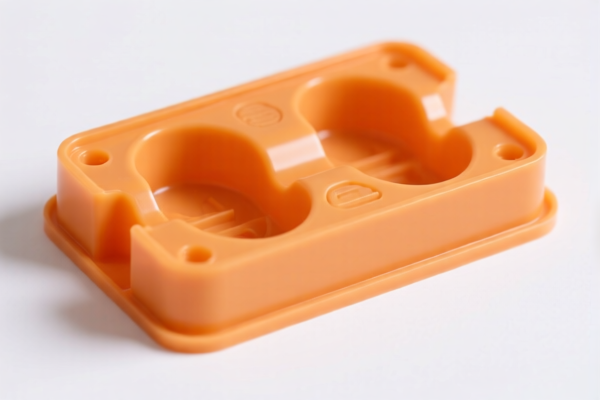
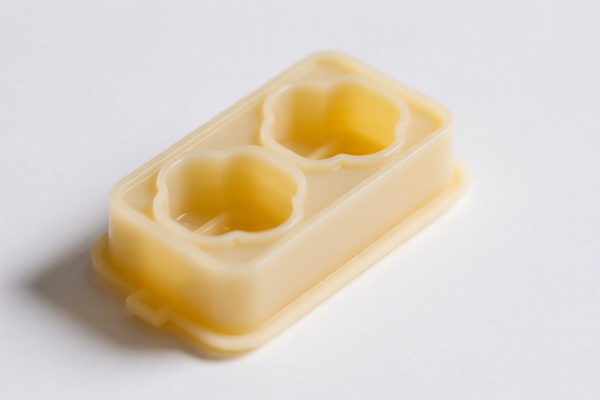
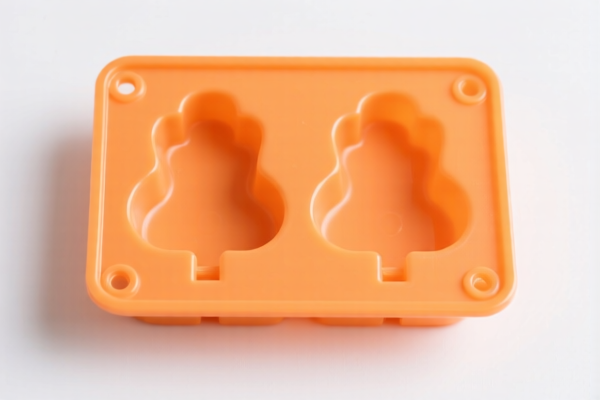
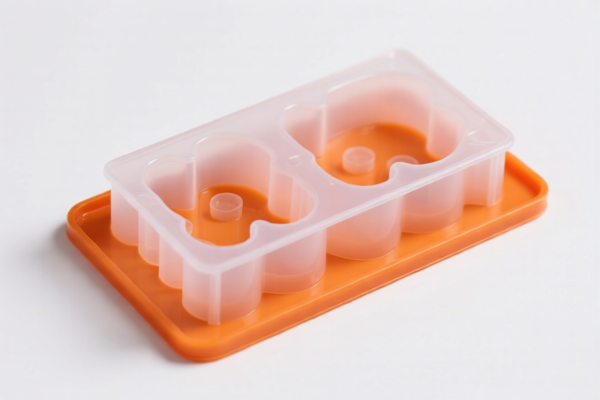
AI Analysis
🍦 Popsicle Mold (Plastic/Metal Kitchenware & Machinery Parts)
🌐 HS Code Reference & Customs Clearance Guide | 2026 Latest Tariff Analysis | Professional Strategy
📌 I. Product Definition & Classification: Do You Really Know "Popsicle Mold"?
The term "Popsicle Mold" is a broad commercial term that can refer to two entirely different categories of goods in international trade: 1. Consumer Kitchenware: Plastic molds for making popsicles at home or in small cafes. These are considered tableware/kitchen utensils. 2. Industrial Machinery Parts: Metal or plastic molds used in large-scale ice cream bars/popsicle manufacturing lines. These are considered parts of food processing machinery.
⚠️ Critical Distinction:
- If it is a standalone plastic container for freezing liquid → Classified under Chapter 39 (Plastic Tableware/Kitchenware).
- If it is a metal/plastic component attached to an industrial machine → Classified under Chapter 84 (Machinery Parts).
📦 II. HS Code Classification Details (Based on Provided Data)
| HS Code | Product Description | Application Scenario | Material/Type |
|---|---|---|---|
3924.10.40.00 |
Plastic Tableware/Cookware, specifically shaped as molds for kitchen use | Home use, small cafes, retail plastic popsicle trays | ✅ Plastic |
3924.90.56.50 |
Plastic Kitchen Utensils, fitting the definition of kitchen tools | General plastic kitchen accessories, non-standard molds | ✅ Plastic |
7323.99.90.30 |
Metal (Iron/Steel) Tableware, used for food preparation | Industrial or semi-industrial metal molds for food | ✅ Metal (Steel/Iron) |
8438.90.90.90 |
Parts of machinery for preparing food/beverages (e.g., ice cream/popsicle production) | Components for industrial ice cream manufacturing lines | ✅ Machinery Part |
8438.80.00.00 |
Attachments/Molds for machinery used in food/beverage preparation | Industrial molds attached to processing machines | ✅ Machinery Part |
🔍 Key Reminder:
- Plastic household molds fall under 3924 (Kitchenware).
- Industrial metal/plastic molds for machines fall under 8438 (Machinery Parts).
- Misclassification risk: Declaring an industrial metal mold as "Plastic Tableware" to avoid high tariffs will result in severe penalties.
💰 III. 2026 Latest Tariff Rate Breakdown (Including Additional Duties)
✅ Applicable Country: USA (US)
✅ Origin: China (CN)
✅ Effective Date: Rates apply to imports from China.
🎯 1. 3924.10.40.00 —— Plastic Tableware/Cookware (Molds for Kitchen Use)
| Item | Details |
|---|---|
| Base Tariff | 3.4% |
| Section 301 Additional Duty | 0.0% (Note: Data shows 0.0% for this specific subheading, likely due to specific exclusions or categorization) |
| Section 122 Duty (Trump/Biden Era China Tariffs) | 10.0% |
| Total Tax Rate | 13.4% |
| Tax Calculation | CIF Value × 13.4% |
| De Minimis Eligibility | ❌ No (Section 122 duties usually apply regardless of value, but check specific CBP guidance) |
| Legal Basis Path | 3924.10.40.00 → Base: 3.4% + Sec 122: 10% |
📌 Explanation:
- This is the most favorable rate for plastic popsicle molds intended for kitchen use.
- Section 301 (25%) does not appear to apply to this specific subheading in the provided data (0.0%), which is a significant saving compared to other plastic goods.
🎯 2. 3924.90.56.50 —— Plastic Kitchen Utensils (General)
| Item | Details |
|---|---|
| Base Tariff | 3.4% |
| Section 301 Additional Duty | 7.5% |
| Section 122 Duty | 10.0% |
| Total Tax Rate | 20.9% |
| Tax Calculation | CIF Value × 20.9% |
| De Minimis Eligibility | ❌ No |
| Legal Basis Path | 3924.90.56.50 → Base: 3.4% + Sec 301: 7.5% + Sec 122: 10% |
📌 Explanation:
- If the mold does not fit3924.10.40.00(e.g., different shape or use case), it may fall here.
- Total 20.9% is higher than3924.10.40.00. Always try to qualify for3924.10.40.00if applicable.
🎯 3. 7323.99.90.30 —— Metal (Iron/Steel) Tableware
| Item | Details |
|---|---|
| Base Tariff | 3.4% |
| Section 301 Additional Duty | 25.0% |
| Section 122 Duty | 10.0% |
| Steel/Aluminum/Copper Surcharge | 50.0% (Specific to Steel/Iron products) |
| Total Tax Rate | 88.4% |
| Tax Calculation | CIF Value × 88.4% |
| De Minimis Eligibility | ❌ No |
| Legal Basis Path | 7323.99.90.30 → Base: 3.4% + Sec 301: 25% + Sec 122: 10% + Steel Surcharge: 50% |
📌 CRITICAL WARNING:
- 88.4% is a devastatingly high tariff.
- This applies to Metal (Iron/Steel) tableware/molds.
- If your popsicle mold is made of Steel or Iron, this rate applies. Do not declare steel molds as plastic!
🎯 4. 8438.90.90.90 —— Parts of Food/Drink Preparation Machinery
| Item | Details |
|---|---|
| Base Tariff | 2.8% |
| Section 301 Additional Duty | 25.0% |
| Section 122 Duty | 10.0% |
| Total Tax Rate | 37.8% |
| Tax Calculation | CIF Value × 37.8% |
| De Minimis Eligibility | ❌ No |
| Legal Basis Path | 8438.90.90.90 → Base: 2.8% + Sec 301: 25% + Sec 122: 10% |
📌 Explanation:
- This applies if the mold is a part of an industrial machine (e.g., a mold inserted into an automatic ice cream bar filler).
- 37.8% is lower than metal tableware but higher than plastic kitchenware.
🎯 5. 8438.80.00.00 —— Attachments/Molds for Food Machinery
| Item | Details |
|---|---|
| Base Tariff | 0.0% |
| Section 301 Additional Duty | 25.0% |
| Section 122 Duty | 10.0% |
| Total Tax Rate | 35.0% |
| Tax Calculation | CIF Value × 35.0% |
| De Minimis Eligibility | ❌ No |
| Legal Basis Path | 8438.80.00.00 → Base: 0.0% + Sec 301: 25% + Sec 122: 10% |
📌 Explanation:
- Similar to above, but potentially with a lower base rate.
- 35.0% is the lowest rate for machinery parts. If your product is strictly a machine part, this is the best industrial option.
🛠️ IV. Customs Clearance Practical Advice
✅ 1. Preparation Checklist (Must-Haves)
| Document | Required | Notes |
|---|---|---|
| ✅ Product Photos | ✔️ | Clear shots of the mold, material, and any markings. Show if it's standalone or part of a machine. |
| ✅ Specification Sheet | ✔️ | Material composition (Plastic vs. Steel), dimensions, usage (Home vs. Industrial). |
| ✅ Commercial Invoice | ✔️ | Clearly state "Plastic Popsicle Mold for Kitchen Use" or "Mold Assembly for Ice Cream Machine". |
| ✅ Packing List | ✔️ | List quantities and weights. |
| ✅ Proof of Origin | ✔️ | If not China-origin, provide Certificate of Origin for potential exemptions. |
| ✅ Machine Integration Proof | ✔️ | For 8438 codes: Provide diagrams showing how the mold integrates with machinery. |
✅ 2. Classification Strategy (Key Mantra)
🔥 "Material Matters! Plastic is Cheap, Steel is Expensive!"
| Scenario | Correct HS Code | Why? |
|---|---|---|
| Home-use Plastic Tray | 3924.10.40.00 |
Lowest tax (13.4%). Classified as plastic tableware. |
| General Plastic Utensil | 3924.90.56.50 |
Higher tax (20.9%). Use only if 3924.10.40.00 doesn't fit. |
| Industrial Plastic Mold | 8438.80.00.00 |
Tax 35.0%. Must be a part of a machine. |
| Industrial Metal (Steel) Mold | 7323.99.90.30 |
AVOID IF POSSIBLE. Tax 88.4%! |
| Industrial Metal Mold (Non-Steel) | 8438.90.90.90 |
Tax 37.8%. If it's not steel, try to classify as machinery part. |
✅ 3. Special Handling Tips
| Situation | Advice |
|---|---|
| Mixed Materials | If the mold has plastic cups but a steel frame, CBP may classify it as steel (88.4%). Try to minimize metal content or separate shipments. |
| "Mold" vs. "Utensil" | If the product is sold as a "kit" with sticks and sauce, ensure the primary function is defined correctly. |
| Pre-Approval | For large volumes, apply for an Advance Ruling from CBP to confirm the HS Code, especially for 8438 machinery parts. |
| Avoid "Section 301" Traps | Double-check if your specific plastic item is excluded from Section 301 (as seen in 3924.10.40.00). |
🌍 V. Global Market Comparison (Quick Reference)
| Market | Recommended HS Code | Estimated Tax (China Origin) | Notes |
|---|---|---|---|
| 🇺🇸 USA | 3924.10.40.00 |
13.4% (Best for Plastic) | High taxes on steel (88.4%) and machinery parts (35-38%). |
| 🇨🇳 China | 3924.10.00.00 |
~5-10% | Lower base taxes, no Section 122/301. |
| 🇪🇺 EU | 3924.10.00 |
~4-6% | No Section 122/301. Standard CET applies. |
| 🇬🇧 UK | 3924.10.00 |
~4-6% | Post-Brexit rules apply, but generally lower than US. |
📌 Conclusion:
- USA is the most challenging market due to Section 122 and Steel Surcharges.
- Plastic kitchenware (3924.10.40.00) is the safest bet with only 13.4% total tax.
- Steel molds are prohibitively expensive (88.4%) and should be avoided or sourced from non-China countries if targeting the US.
📌 VI. Common Mistakes & Pitfalls (Lessons Learned)
❌ Mistake 1: Declaring Steel Popsicle Molds as 3924 (Plastic).
👉 Result: Customs inspection will reveal steel → 88.4% tax + fines + seizure.
❌ Mistake 2: Declaring Industrial Machine Parts as 3924 (Kitchenware).
👉 Result: CBP will reclassify to 8438 → 35-38% tax instead of 13.4%.
❌ Mistake 3: Ignoring Section 122 (10%).
👉 Result: All goods from China under these codes incur the additional 10%. Do not forget to budget for this.
✅ Correct Approach:
"Plastic Popsicle Molds, Food Grade, for Home Kitchen Use, Model XYZ" →
3924.10.40.00
🎯 VII. Conclusion: Professional Classification Saves Money!
🎯 Remember:
🔹 "Plastic Kitchen = 13.4% | Steel Kitchen = 88.4% | Machine Parts = 35-38%"
🔹 "One digit difference in HS Code can change your cost by 75%!"
📌 Pro Tip:
If you are importing large quantities, consider:
1. Separating Shipments: Plastic molds in one container (13.4%), metal parts in another (if unavoidable).
2. Supply Chain Diversification: Source steel molds from Vietnam or Mexico to avoid China-specific surcharges.
3. Product Redesign: If possible, redesign metal molds to use plastic or aluminum (check aluminum tariff rates separately) to reduce the 50% steel surcharge.
📣 Immediate Action:
📞 Consult a Customs Broker before shipping.
📄 Provide Detailed Material Specs.
🚀 Optimize HS Code Classification to Minimize Tax Liability!
✨ Smart Classification, Smarter Profits!
💼 Every percentage point counts in international trade!
Customer Reviews
About HS Code Classification
The Harmonized System (HS) is an internationally standardized nomenclature developed by the World Customs Organization (WCO) to classify traded products. Over 200 countries use the HS system as the basis for customs tariffs, trade statistics, and import/export regulations.
Each HS code follows a hierarchical structure:
- Chapter (2 digits) — Broad category of goods (e.g., Chapter 84: Machinery and Mechanical Appliances)
- Heading (4 digits) — More specific grouping within the chapter
- Subheading (6 digits) — Internationally standardized breakdown, used by all WCO member countries
- National subdivisions (8-10 digits) — Country-specific extensions for further classification, such as US HTSUS 10-digit codes
Correct HS code classification is essential for smooth customs clearance, accurate duty payment, and compliance with trade regulations. Misclassification can lead to customs delays, overpayment of duties, or penalties.
When importing from CN to US, the applicable tariff rates may include:
- Most-Favored-Nation (MFN) rate — The standard duty rate applied to WTO members
- General rate — Applied to countries without trade agreements
- Trade remedy duties — Additional tariffs such as Section 301 (anti-dumping), Section 232 (national security), or countervailing duties
The information provided on this page is for reference purposes only. For official classification, please consult with your local customs authority or a licensed customs broker.