Portable Door Lock
CN → US| HS编码 | 关税税率 | 原产国 | 目的国 | 文档 |
|---|---|---|---|---|
| 8301300090 | 23.2% | CN | US | 官方文档 |
| 8301406030 | 23.2% | CN | US | 官方文档 |
| 7326908688 | 87.9% | CN | US | 官方文档 |
| 7326908676 | 87.9% | CN | US | 官方文档 |
| 8302416045 | 88.9% | CN | US | 官方文档 |
商品图片
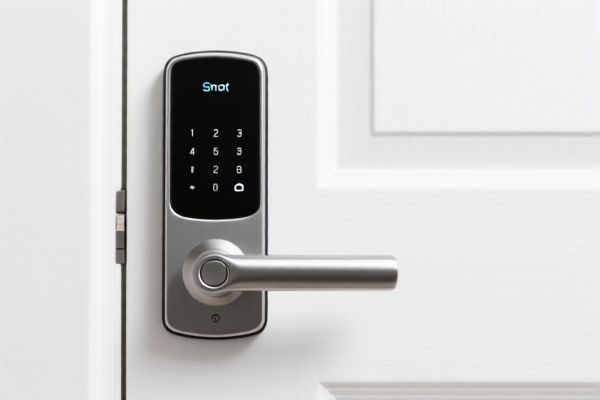
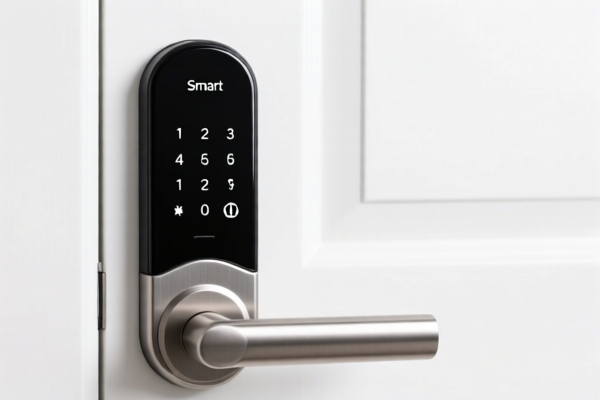
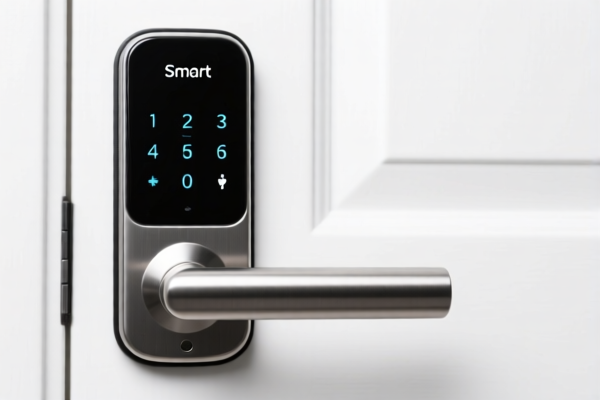
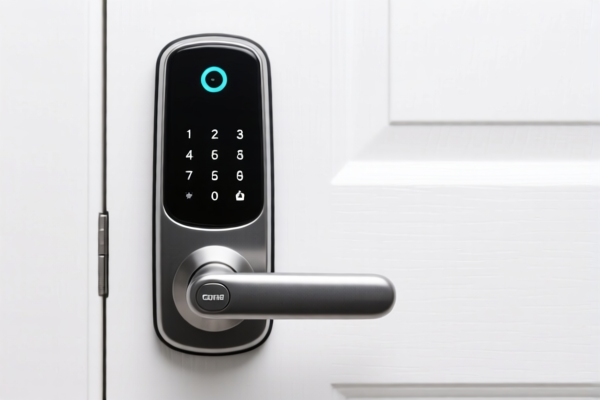
AI分析
🔒 Portable Door Locks (Travel/Lockout Prevention Devices)
🌐 HS Code Reference & Customs Clearance Guide | 2026 Latest Tariff Analysis | Strategic Compliance Strategy
📌 I. Product Definition & Classification: Do You Really Understand "Portable Door Locks"?
A Portable Door Lock is a security device designed for temporary use, typically by travelers, hotel guests, or in emergency situations, to secure a door from the inside. Unlike permanent architectural locks, these are movable, often made of steel, aluminum, or high-strength plastics, and rely on mechanical wedging or locking mechanisms rather than screws or drilling.
In international trade, they are rarely classified simply as "locks" (Heading 8301) or "hinges/fitting" (Heading 8302). Instead, their classification depends heavily on material composition and specific function description. The data below highlights four distinct classifications based on HS Code variations in the US Tariff Schedule.
⚠️ Critical Distinction:
- If the product is explicitly described as a "Lock" (metal, furniture/building use) without specifying material nuances that trigger higher steel/aluminum tariffs, it may fall under 8301.30.00.90 or 8301.40.60.30 (Lower Tax: 23.2%).
- If the product is described broadly as "Other articles of iron/steel" or "Metal fittings" without being explicitly recognized as a "lock" mechanism in the subheading, it may be classified under 7326 or 8302.41 (Higher Tax: 38.5% – 88.9%).
- The key risk: Mislabeling a steel portable lock as a generic "steel article" can trigger the 50% Section 232 tariff on steel/aluminum, plus Section 301 and 122 tariffs, leading to ~88% total duty.
📦 II. HS Code Classification Details (2026 Latest Tariff Authority Comparison)
| HS Code | Product Description | Scenario / Context | Tax Rate | Key Tariff Components |
|---|---|---|---|---|
8301.30.00.90 |
Door locks, metal-made, for furniture/building use | Optimal Classification: Explicitly recognized as a "Lock" made of metal (not specifically steel/aluminum triggering 232) | 23.2% | Base 5.7% + Sec 301 7.5% + Sec 122 10% |
8301.40.60.30 |
Door locks, base metal, functionally identical | Optimal Classification: Functional equivalent of a lock, base metal | 23.2% | Base 5.7% + Sec 301 7.5% + Sec 122 10% |
7326.90.86.88 |
Door locks, iron/steel, other articles of iron/steel | High-Risk Classification: Misclassified as a generic "steel article" rather than a lock | 87.9% | Base 2.9% + Sec 301 25% + Sec 122 10% + Sec 232 Steel 50% |
7326.90.86.76 |
Door locks, metal, other articles of iron/steel | High-Risk Classification: Generic steel article description | 87.9% | Base 2.9% + Sec 301 25% + Sec 122 10% + Sec 232 Steel 50% |
8302.41.60.45 |
Door locks, metal fittings for buildings, indoor/outdoor door fittings | High-Risk Classification: Classified as "fitting/hinge" rather than "lock" | 88.9% | Base 3.9% + Sec 301 25% + Sec 122 10% + Sec 232 Steel 50% |
8302.41.90.45 |
Door locks, building accessories, base metal | High-Risk Classification: Generic metal fitting/accessory | 38.5% | Base 3.5% + Sec 301 25% + Sec 122 10% |
🔍 Key Insight:
- Why the huge difference? The US imposes Section 232 Tariffs (50%) on certain steel and aluminum products. If the portable door lock is made of steel and classified under Chapter 73 (Articles of Iron/Steel) or Chapter 83 Subheading 8302 (Fittings) without being explicitly recognized as a "Lock" under 8301, it may be subject to this punitive tariff.
- 8301 vs. 7326/8302: Headings 8301 (Locks) generally do not attract the Section 232 steel tariff if properly classified. Headings 7326 and 8302 often do if the product is deemed a "steel article" or "fitting."
💰 III. 2026 Latest Tariff Rate Breakdown (Including Additional Taxes)
✅ Applicable Country: United States (US)
✅ Origin: China (CN)
✅ Effective Date: 2025/2026 (Current Policy)
🎯 1. 8301.30.00.90 / 8301.40.60.30 —— The "Low Tax" Sweet Spot (23.2%)
| Item | Details |
|---|---|
| Base Tariff | 5.7% (Ad Valorem) |
| Section 301 Additional Tariff | +7.5% |
| Section 122 Tariff | +10% |
| Section 232 Steel/Aluminum Tariff | 0% (Exempt because classified under 8301 Locks) |
| Total Effective Rate | 23.2% |
| Calculation | CIF Value × 23.2% |
| De Minimis Eligibility | ❌ No (Deny de minimis for China origin) |
| Legal Path | HTSUS:8301.30.00.90 → USITC Footnote |
📌 Explanation:
- These HS codes explicitly identify the product as a "Lock" (8301).
- The Section 232 steel tariff (50%) does not apply to locks under 8301.
- The Section 122 tariff (10%) applies to a wide range of imports under this specific subheading to protect domestic industries.
- Recommendation: Always describe the product as "Portable Door Lock, Metal" to aim for this classification.
🎯 2. 7326.90.86.88 / 7326.90.86.76 —— The "Steel Article" Trap (87.9%)
| Item | Details |
|---|---|
| Base Tariff | 2.9% |
| Section 301 Additional Tariff | +25% |
| Section 122 Tariff | +10% |
| Section 232 Steel/Aluminum Tariff | +50% (Applied because classified as steel article) |
| Total Effective Rate | 87.9% |
| Calculation | CIF Value × 87.9% |
| De Minimis Eligibility | ❌ No |
| Legal Path | HTSUS:7326.90.86.88 → USITC Footnote 9903.88.01 |
📌 Explanation:
- These codes classify the product as an "Other article of iron/steel" (7326).
- The Section 232 tariff of 50% is applied because the product is made of steel and falls outside the specific "Lock" exemption.
- This is a catastrophic cost increase (from 23.2% to 87.9%).
- Avoid: Do not describe the product as "Steel Wedge" or "Metal Bar" in commercial invoices.
🎯 3. 8302.41.60.45 / 8302.41.90.45 —— The "Fitting" Risk (38.5% – 88.9%)
| Item | Details |
|---|---|
| Base Tariff | 3.5% – 3.9% |
| Section 301 Additional Tariff | +25% |
| Section 122 Tariff | +10% |
| Section 232 Steel/Aluminum Tariff | +50% (If steel/aluminum fitting) |
| Total Effective Rate | 38.5% (if non-232) or 88.9% (if 232) |
| Calculation | CIF Value × Rate |
| De Minimis Eligibility | ❌ No |
| Legal Path | HTSUS:8302.41 |
📌 Explanation:
- Classified as "Base metal fittings" (8302).
- Depending on the specific material and design, it may or may not trigger the 50% Section 232 tariff.
- Risk: Even without Section 232, the rate (38.5%) is significantly higher than the 23.2% of 8301.
🛠️ IV. Customs Clearance Practical Advice (Battle-Tested Pitfall Avoidance)
✅ 1. Required Documentation Checklist (Non-Negotiable)
| Document | Must Provide | Purpose |
|---|---|---|
| ✅ Product Specification Sheet | ✔️ | Must state: "Portable Door Lock," Material: "Steel/Aluminum," Function: "Security Lock" |
| ✅ Product Photos | ✔️ | Show the locking mechanism, not just a generic metal bar. Must look like a lock. |
| ✅ Commercial Invoice | ✔️ | Critical: Use the phrase "Portable Door Lock" NOT "Steel Wedge," "Door Stop," or "Metal Fitting." |
| ✅ Packing List | ✔️ | Include all components (lock body, key, case, strap). |
| ✅ Declaration of Non-Steel Article (if applicable) | ⚠️ | If the lock is primarily plastic with a steel insert, argue for non-steel classification to avoid Section 232. |
✅ 2. Declaration Tips (Golden Rules)
🔥 "Call it a Lock, Not a Bar; Save 65% in Tariff Cost!"
| Situation | Correct Declaration | Wrong Declaration | Consequence |
|---|---|---|---|
| Product is a steel portable lock | 8301.30.00.90 - "Portable Door Lock, Metal" |
7326.90.86.88 - "Steel Wedge for Door" |
Tax jumps from 23.2% to 87.9% |
| Product is a plastic lock with steel part | 8301.30.00.90 - "Portable Door Lock, Composite" |
7326.90.86.88 - "Plastic and Steel Article" |
Risk of Section 232 if steel content > critical threshold |
| Product is a door stopper with locking function | 8301.30.00.90 - "Door Stopper with Locking Mechanism" |
8302.41.90.45 - "Door Stopper" |
May be classified as fitting (38.5%) |
📌 Note: The phrase "Portable Door Lock" is your best friend. It directs customs to Heading 8301, avoiding the punitive Section 232 steel tariffs and high Section 301 rates associated with generic metal articles.
✅ 3. Special Case Handling
| Scenario | Advice |
|---|---|
| OEM Custom Colors/Packaging | Ensure the product name in the invoice matches the specification sheet exactly: "Portable Door Lock." |
| Set with Spare Keys/Straps | Declare as a single unit under 8301.30.00.90. Do not split into "Lock" and "Accessories." |
| Plastic-Body Locks | If the primary material is plastic, argue for 8301.30.00.90 but emphasize that it is still a "Lock" under 8301, not a plastic article. |
| High-Steel Content Products | If the lock is >90% steel, the risk of Section 232 is higher if misclassified. Be extra careful with descriptions. |
🌍 V. Global Market Comparison (2026 Latest)
| Country/Region | Recommended HS Code | Tariff Rate | Certification | Notes |
|---|---|---|---|---|
| 🇺🇸 USA | 8301.30.00.90 |
23.2% | No special cert | Avoid 7326/8302 due to 50% Steel Tariff |
| 🇨🇳 China | 8301.30.00.90 |
5% - 10% | CCC (if applicable) | Standard import duties |
| 🇪🇺 EU | 8301.30.00.00 |
0% - 2.5% | CE (if electronic) | Generally low tariffs |
| 🇬🇧 UK | 8301.30.00.00 |
0% - 2.5% | UKCA | Post-Brexit standard rates |
| 🇦🇺 Australia | 8301.30.00.00 |
5% - 10% | RCM | No Section 232 equivalent |
📌 Conclusion:
- The US is the only major market with a 50% Section 232 tariff on steel products.
- Correct Classification is Critical: Using8301avoids the 50% penalty. Using7326or8302triggers it.
- China-origin portable door locks face a 23.2% effective rate in the US if correctly classified. Misclassification can lead to nearly 90% in duties.
📌 VI. Common Mistakes & Pitfall Guide (Lessons Learned)
❌ Mistake 1: Describing the product as "Steel Door Wedge" or "Travel Door Stop"
👉 Consequence: Customs classifies it as a steel article (7326.90.86.88) → 87.9% Tax.
❌ Mistake 2: Describing the product as "Metal Door Fitting"
👉 Consequence: Customs classifies it as a base metal fitting (8302.41.60.45) → 88.9% Tax (due to Section 232).
❌ Mistake 3: Not specifying the locking function in the invoice
👉 Consequence: Customs may deem it a generic hardware item → Higher duty rate.
❌ Mistake 4: Ignoring the Section 232 Steel Tariff
👉 Consequence: Even if classified under 8301, if the product is deemed a "steel article" due to material composition alone, the 50% tariff may still apply if not properly justified as a "Lock."
✅ Correct Approach:
"Portable Door Lock, Metal, Model XYZ, for Travel and Emergency Use, Includes Key and Storage Case."
🎯 VII. Conclusion: Smart Classification, Maximum Savings!
🎯 Remember the Golden Rule:
🔹 "Call it a Lock, Not a Wedge. Save 65% in Duties."
🔹 "HS Code 8301 is your Shield. HS Code 7326 is your Trap."
📌 Pro Tip:
If your portable door lock is made of aluminum, the Section 232 tariff also applies to aluminum. Ensure your classification under 8301.30.00.90 is robustly supported by product documentation to avoid the 50% penalty.
📣 Immediate Action:
📞 Review your Commercial Invoice wording.
📝 Use "Portable Door Lock" exclusively.
🚀 Avoid Section 232 Tariffs. Maximize Profit.
✨ Professional Clearance Starts with Precise Classification!
💼 Every Percentage Point Saved is Profit Gained!
用户评价
关于 HS 编码归类
协调制度(HS)是由世界海关组织(WCO)制定的国际贸易商品分类标准。全球 200 多个国家采用 HS 系统作为海关关税、贸易统计和进出口监管的基础。
每个 HS 编码遵循以下层级结构:
- 章(2 位)——商品大类(例如:第 84 章:机器和机械设备)
- 品目(4 位)——章内的更具体分类
- 子目(6 位)——国际通用细分,所有 WCO 成员国统一使用
- 本国细分(8-10 位)——各国自行扩展的细分编码,如美国 HTSUS 10 位编码
正确的 HS 编码归类对于顺利通关、准确缴纳关税和遵守贸易法规至关重要。错误归类可能导致海关延误、多缴关税或罚款。
从CN进口到US时,适用的关税税率可能包括:
- 最惠国(MFN)税率——适用于 WTO 成员国的标准关税税率
- 普通税率——适用于无贸易协定国家
- 贸易救济关税——附加关税,如 301 条款(反倾销)、232 条款(国家安全)或反补贴税
本页内容仅供参考。如需正式归类,请咨询当地海关或持牌报关代理。