Portable Door Lock
CN → US| HS Code | Tariff Rate | Origin | Destination | Doc |
|---|---|---|---|---|
| 8301300090 | 23.2% | CN | US | Official Doc |
| 8301406030 | 23.2% | CN | US | Official Doc |
| 7326908688 | 87.9% | CN | US | Official Doc |
| 7326908676 | 87.9% | CN | US | Official Doc |
| 8302416045 | 88.9% | CN | US | Official Doc |
Product Images
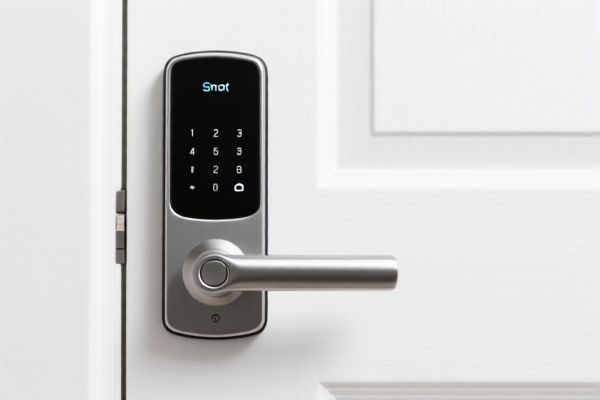
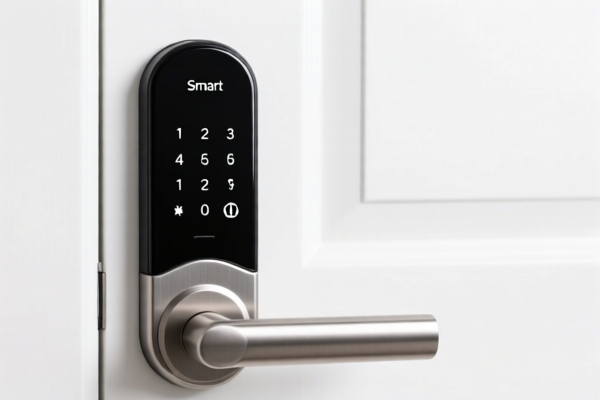
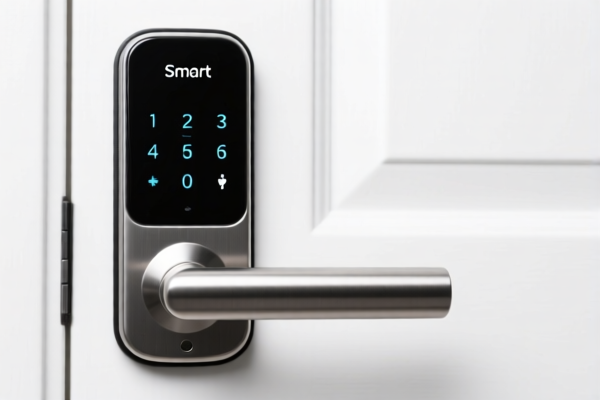
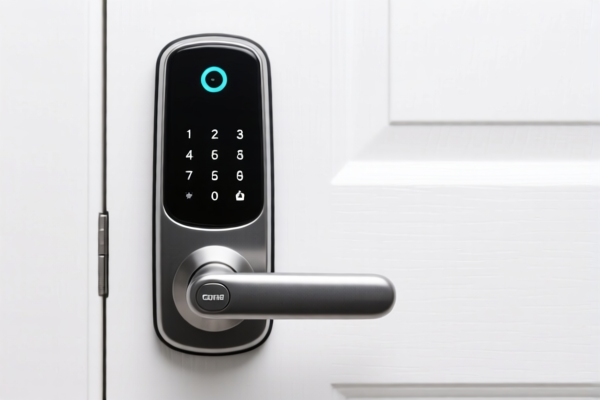
AI Analysis
🔒 Portable Door Locks (Travel/Lockout Prevention Devices)
🌐 HS Code Reference & Customs Clearance Guide | 2026 Latest Tariff Analysis | Strategic Compliance Strategy
📌 I. Product Definition & Classification: Do You Really Understand "Portable Door Locks"?
A Portable Door Lock is a security device designed for temporary use, typically by travelers, hotel guests, or in emergency situations, to secure a door from the inside. Unlike permanent architectural locks, these are movable, often made of steel, aluminum, or high-strength plastics, and rely on mechanical wedging or locking mechanisms rather than screws or drilling.
In international trade, they are rarely classified simply as "locks" (Heading 8301) or "hinges/fitting" (Heading 8302). Instead, their classification depends heavily on material composition and specific function description. The data below highlights four distinct classifications based on HS Code variations in the US Tariff Schedule.
⚠️ Critical Distinction:
- If the product is explicitly described as a "Lock" (metal, furniture/building use) without specifying material nuances that trigger higher steel/aluminum tariffs, it may fall under 8301.30.00.90 or 8301.40.60.30 (Lower Tax: 23.2%).
- If the product is described broadly as "Other articles of iron/steel" or "Metal fittings" without being explicitly recognized as a "lock" mechanism in the subheading, it may be classified under 7326 or 8302.41 (Higher Tax: 38.5% – 88.9%).
- The key risk: Mislabeling a steel portable lock as a generic "steel article" can trigger the 50% Section 232 tariff on steel/aluminum, plus Section 301 and 122 tariffs, leading to ~88% total duty.
📦 II. HS Code Classification Details (2026 Latest Tariff Authority Comparison)
| HS Code | Product Description | Scenario / Context | Tax Rate | Key Tariff Components |
|---|---|---|---|---|
8301.30.00.90 |
Door locks, metal-made, for furniture/building use | Optimal Classification: Explicitly recognized as a "Lock" made of metal (not specifically steel/aluminum triggering 232) | 23.2% | Base 5.7% + Sec 301 7.5% + Sec 122 10% |
8301.40.60.30 |
Door locks, base metal, functionally identical | Optimal Classification: Functional equivalent of a lock, base metal | 23.2% | Base 5.7% + Sec 301 7.5% + Sec 122 10% |
7326.90.86.88 |
Door locks, iron/steel, other articles of iron/steel | High-Risk Classification: Misclassified as a generic "steel article" rather than a lock | 87.9% | Base 2.9% + Sec 301 25% + Sec 122 10% + Sec 232 Steel 50% |
7326.90.86.76 |
Door locks, metal, other articles of iron/steel | High-Risk Classification: Generic steel article description | 87.9% | Base 2.9% + Sec 301 25% + Sec 122 10% + Sec 232 Steel 50% |
8302.41.60.45 |
Door locks, metal fittings for buildings, indoor/outdoor door fittings | High-Risk Classification: Classified as "fitting/hinge" rather than "lock" | 88.9% | Base 3.9% + Sec 301 25% + Sec 122 10% + Sec 232 Steel 50% |
8302.41.90.45 |
Door locks, building accessories, base metal | High-Risk Classification: Generic metal fitting/accessory | 38.5% | Base 3.5% + Sec 301 25% + Sec 122 10% |
🔍 Key Insight:
- Why the huge difference? The US imposes Section 232 Tariffs (50%) on certain steel and aluminum products. If the portable door lock is made of steel and classified under Chapter 73 (Articles of Iron/Steel) or Chapter 83 Subheading 8302 (Fittings) without being explicitly recognized as a "Lock" under 8301, it may be subject to this punitive tariff.
- 8301 vs. 7326/8302: Headings 8301 (Locks) generally do not attract the Section 232 steel tariff if properly classified. Headings 7326 and 8302 often do if the product is deemed a "steel article" or "fitting."
💰 III. 2026 Latest Tariff Rate Breakdown (Including Additional Taxes)
✅ Applicable Country: United States (US)
✅ Origin: China (CN)
✅ Effective Date: 2025/2026 (Current Policy)
🎯 1. 8301.30.00.90 / 8301.40.60.30 —— The "Low Tax" Sweet Spot (23.2%)
| Item | Details |
|---|---|
| Base Tariff | 5.7% (Ad Valorem) |
| Section 301 Additional Tariff | +7.5% |
| Section 122 Tariff | +10% |
| Section 232 Steel/Aluminum Tariff | 0% (Exempt because classified under 8301 Locks) |
| Total Effective Rate | 23.2% |
| Calculation | CIF Value × 23.2% |
| De Minimis Eligibility | ❌ No (Deny de minimis for China origin) |
| Legal Path | HTSUS:8301.30.00.90 → USITC Footnote |
📌 Explanation:
- These HS codes explicitly identify the product as a "Lock" (8301).
- The Section 232 steel tariff (50%) does not apply to locks under 8301.
- The Section 122 tariff (10%) applies to a wide range of imports under this specific subheading to protect domestic industries.
- Recommendation: Always describe the product as "Portable Door Lock, Metal" to aim for this classification.
🎯 2. 7326.90.86.88 / 7326.90.86.76 —— The "Steel Article" Trap (87.9%)
| Item | Details |
|---|---|
| Base Tariff | 2.9% |
| Section 301 Additional Tariff | +25% |
| Section 122 Tariff | +10% |
| Section 232 Steel/Aluminum Tariff | +50% (Applied because classified as steel article) |
| Total Effective Rate | 87.9% |
| Calculation | CIF Value × 87.9% |
| De Minimis Eligibility | ❌ No |
| Legal Path | HTSUS:7326.90.86.88 → USITC Footnote 9903.88.01 |
📌 Explanation:
- These codes classify the product as an "Other article of iron/steel" (7326).
- The Section 232 tariff of 50% is applied because the product is made of steel and falls outside the specific "Lock" exemption.
- This is a catastrophic cost increase (from 23.2% to 87.9%).
- Avoid: Do not describe the product as "Steel Wedge" or "Metal Bar" in commercial invoices.
🎯 3. 8302.41.60.45 / 8302.41.90.45 —— The "Fitting" Risk (38.5% – 88.9%)
| Item | Details |
|---|---|
| Base Tariff | 3.5% – 3.9% |
| Section 301 Additional Tariff | +25% |
| Section 122 Tariff | +10% |
| Section 232 Steel/Aluminum Tariff | +50% (If steel/aluminum fitting) |
| Total Effective Rate | 38.5% (if non-232) or 88.9% (if 232) |
| Calculation | CIF Value × Rate |
| De Minimis Eligibility | ❌ No |
| Legal Path | HTSUS:8302.41 |
📌 Explanation:
- Classified as "Base metal fittings" (8302).
- Depending on the specific material and design, it may or may not trigger the 50% Section 232 tariff.
- Risk: Even without Section 232, the rate (38.5%) is significantly higher than the 23.2% of 8301.
🛠️ IV. Customs Clearance Practical Advice (Battle-Tested Pitfall Avoidance)
✅ 1. Required Documentation Checklist (Non-Negotiable)
| Document | Must Provide | Purpose |
|---|---|---|
| ✅ Product Specification Sheet | ✔️ | Must state: "Portable Door Lock," Material: "Steel/Aluminum," Function: "Security Lock" |
| ✅ Product Photos | ✔️ | Show the locking mechanism, not just a generic metal bar. Must look like a lock. |
| ✅ Commercial Invoice | ✔️ | Critical: Use the phrase "Portable Door Lock" NOT "Steel Wedge," "Door Stop," or "Metal Fitting." |
| ✅ Packing List | ✔️ | Include all components (lock body, key, case, strap). |
| ✅ Declaration of Non-Steel Article (if applicable) | ⚠️ | If the lock is primarily plastic with a steel insert, argue for non-steel classification to avoid Section 232. |
✅ 2. Declaration Tips (Golden Rules)
🔥 "Call it a Lock, Not a Bar; Save 65% in Tariff Cost!"
| Situation | Correct Declaration | Wrong Declaration | Consequence |
|---|---|---|---|
| Product is a steel portable lock | 8301.30.00.90 - "Portable Door Lock, Metal" |
7326.90.86.88 - "Steel Wedge for Door" |
Tax jumps from 23.2% to 87.9% |
| Product is a plastic lock with steel part | 8301.30.00.90 - "Portable Door Lock, Composite" |
7326.90.86.88 - "Plastic and Steel Article" |
Risk of Section 232 if steel content > critical threshold |
| Product is a door stopper with locking function | 8301.30.00.90 - "Door Stopper with Locking Mechanism" |
8302.41.90.45 - "Door Stopper" |
May be classified as fitting (38.5%) |
📌 Note: The phrase "Portable Door Lock" is your best friend. It directs customs to Heading 8301, avoiding the punitive Section 232 steel tariffs and high Section 301 rates associated with generic metal articles.
✅ 3. Special Case Handling
| Scenario | Advice |
|---|---|
| OEM Custom Colors/Packaging | Ensure the product name in the invoice matches the specification sheet exactly: "Portable Door Lock." |
| Set with Spare Keys/Straps | Declare as a single unit under 8301.30.00.90. Do not split into "Lock" and "Accessories." |
| Plastic-Body Locks | If the primary material is plastic, argue for 8301.30.00.90 but emphasize that it is still a "Lock" under 8301, not a plastic article. |
| High-Steel Content Products | If the lock is >90% steel, the risk of Section 232 is higher if misclassified. Be extra careful with descriptions. |
🌍 V. Global Market Comparison (2026 Latest)
| Country/Region | Recommended HS Code | Tariff Rate | Certification | Notes |
|---|---|---|---|---|
| 🇺🇸 USA | 8301.30.00.90 |
23.2% | No special cert | Avoid 7326/8302 due to 50% Steel Tariff |
| 🇨🇳 China | 8301.30.00.90 |
5% - 10% | CCC (if applicable) | Standard import duties |
| 🇪🇺 EU | 8301.30.00.00 |
0% - 2.5% | CE (if electronic) | Generally low tariffs |
| 🇬🇧 UK | 8301.30.00.00 |
0% - 2.5% | UKCA | Post-Brexit standard rates |
| 🇦🇺 Australia | 8301.30.00.00 |
5% - 10% | RCM | No Section 232 equivalent |
📌 Conclusion:
- The US is the only major market with a 50% Section 232 tariff on steel products.
- Correct Classification is Critical: Using8301avoids the 50% penalty. Using7326or8302triggers it.
- China-origin portable door locks face a 23.2% effective rate in the US if correctly classified. Misclassification can lead to nearly 90% in duties.
📌 VI. Common Mistakes & Pitfall Guide (Lessons Learned)
❌ Mistake 1: Describing the product as "Steel Door Wedge" or "Travel Door Stop"
👉 Consequence: Customs classifies it as a steel article (7326.90.86.88) → 87.9% Tax.
❌ Mistake 2: Describing the product as "Metal Door Fitting"
👉 Consequence: Customs classifies it as a base metal fitting (8302.41.60.45) → 88.9% Tax (due to Section 232).
❌ Mistake 3: Not specifying the locking function in the invoice
👉 Consequence: Customs may deem it a generic hardware item → Higher duty rate.
❌ Mistake 4: Ignoring the Section 232 Steel Tariff
👉 Consequence: Even if classified under 8301, if the product is deemed a "steel article" due to material composition alone, the 50% tariff may still apply if not properly justified as a "Lock."
✅ Correct Approach:
"Portable Door Lock, Metal, Model XYZ, for Travel and Emergency Use, Includes Key and Storage Case."
🎯 VII. Conclusion: Smart Classification, Maximum Savings!
🎯 Remember the Golden Rule:
🔹 "Call it a Lock, Not a Wedge. Save 65% in Duties."
🔹 "HS Code 8301 is your Shield. HS Code 7326 is your Trap."
📌 Pro Tip:
If your portable door lock is made of aluminum, the Section 232 tariff also applies to aluminum. Ensure your classification under 8301.30.00.90 is robustly supported by product documentation to avoid the 50% penalty.
📣 Immediate Action:
📞 Review your Commercial Invoice wording.
📝 Use "Portable Door Lock" exclusively.
🚀 Avoid Section 232 Tariffs. Maximize Profit.
✨ Professional Clearance Starts with Precise Classification!
💼 Every Percentage Point Saved is Profit Gained!
Customer Reviews
About HS Code Classification
The Harmonized System (HS) is an internationally standardized nomenclature developed by the World Customs Organization (WCO) to classify traded products. Over 200 countries use the HS system as the basis for customs tariffs, trade statistics, and import/export regulations.
Each HS code follows a hierarchical structure:
- Chapter (2 digits) — Broad category of goods (e.g., Chapter 84: Machinery and Mechanical Appliances)
- Heading (4 digits) — More specific grouping within the chapter
- Subheading (6 digits) — Internationally standardized breakdown, used by all WCO member countries
- National subdivisions (8-10 digits) — Country-specific extensions for further classification, such as US HTSUS 10-digit codes
Correct HS code classification is essential for smooth customs clearance, accurate duty payment, and compliance with trade regulations. Misclassification can lead to customs delays, overpayment of duties, or penalties.
When importing from CN to US, the applicable tariff rates may include:
- Most-Favored-Nation (MFN) rate — The standard duty rate applied to WTO members
- General rate — Applied to countries without trade agreements
- Trade remedy duties — Additional tariffs such as Section 301 (anti-dumping), Section 232 (national security), or countervailing duties
The information provided on this page is for reference purposes only. For official classification, please consult with your local customs authority or a licensed customs broker.