Portable Small Bag
CN → US| HS编码 | 关税税率 | 原产国 | 目的国 | 文档 |
|---|---|---|---|---|
| 3926902100 | 21.7% | CN | US | 官方文档 |
| 3926909989 | 22.8% | CN | US | 官方文档 |
| 9018390020 | 10.0% | CN | US | 官方文档 |
| 4014905000 | 14.2% | CN | US | 官方文档 |
| 4014901000 | 10.0% | CN | US | 官方文档 |
商品图片
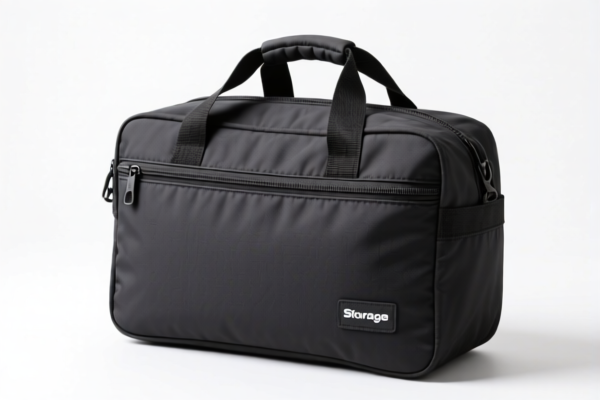
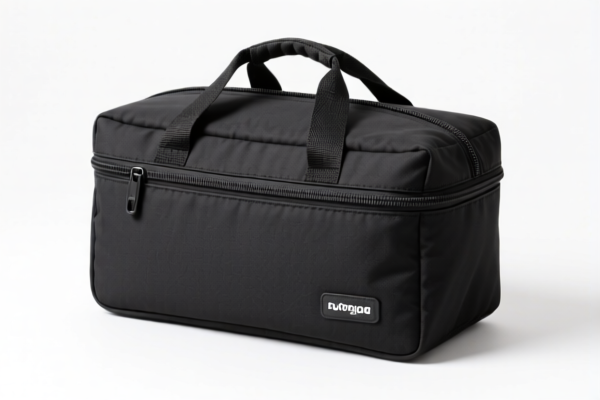
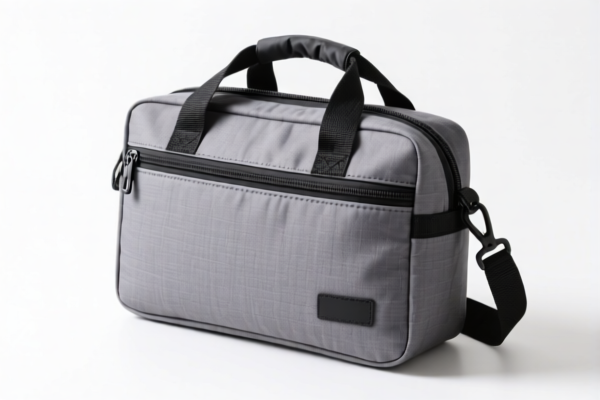
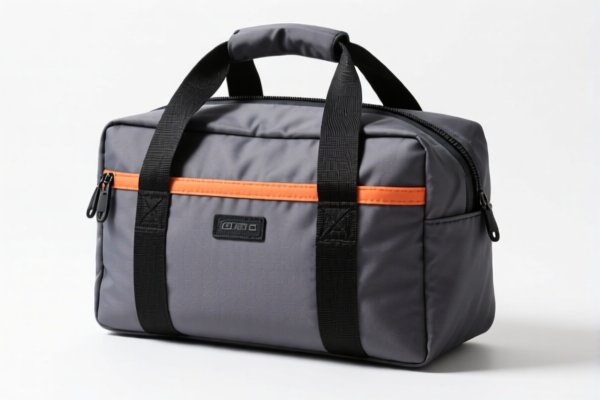
AI分析
💧 Portable Enema Bag (Portable Small Bag for Medical/Hygiene Use)
🌐 HS Code Reference & Customs Clearance Guide | 2026 Latest Tariff Analysis | Professional Clearance Strategy
📌 I. Product Definition & Classification: What Exactly Is a "Portable Enema Bag"?
A "Portable Enema Bag" is a flexible container used for the administration of enemas or medical irrigation. In international trade, its classification hinges heavily on material composition and intended medical purpose. It is not a single unified category but rather a product that can fall under Plastic Goods, Rubber Goods, or Medical Instruments depending on its manufacturing specifications.
⚠️ Key Distinction Points:
- If made of Plastic and considered a general plastic article → Classified under Chapter 39.
- If made of Rubber/Synthetic Rubber for sanitary/medical use → Classified under Chapter 40.
- If classified specifically as a Catheter/Drainage Device → Classified under Chapter 90 (Medical Instruments).
📦 II. HS Code Classification Details (2026 Latest Tariff Authority Comparison)
| HS Code | Product Description | Material Assumption | Key Classification Logic |
|---|---|---|---|
3926.90.21.00 |
Portable Enema Bag, plastic material, matching use & form | Plastic | Specific plastic article for hygiene/medical use. |
3926.90.99.89 |
Portable Enema Bag, plastic material, "Other" plastic articles | Plastic | Catch-all for plastic items not elsewhere specified. |
9018.39.00.20 |
Portable Enema Bag, catheter/drainage function | Rubber or Plastic | Classified as a medical instrument/device (drainage). |
4014.90.50.00 |
Portable Enema Bag, sanitary/medical use | Sulfurized Rubber / Soft Synthetic | Medical articles made of rubber. |
4014.90.10.00 |
Portable Enema Bag, sanitary/medical use | Sulfurized Rubber | Specific rubber medical device category. |
🔍 Important Reminder:
- Material is King: The difference between4014(Rubber) and3926(Plastic) is significant for duty rates. - Function Matters:9018captures items viewed strictly as "medical instruments" (catheters/drainage), potentially offering lower base duties but subject to specific regulatory scrutiny.
💰 III. 2026 Latest Tariff Rate Breakdown (Including Additional Taxes & Policy Surcharges)
✅ Applicable Country: United States (US)
✅ Origin: China (CN)
✅ Effective Date: 2025 November 10 onwards (includes subsequent imports)
🎯 1. 3926.90.21.00 & 3926.90.99.89 —— Plastic Enema Bags
| Item | Content |
|---|---|
| Base Rate | 4.2% (for .21) / 5.3% (for .89) |
| Section 301 Tariff | +7.5% |
| Section 122 Tariff | +10% |
| Total Rate | 21.7% (for .21) / 22.8% (for .89) |
| Tax Calculation | CIF Value × Total Rate |
| De Minimis Exemption | ❌ Not Eligible (Due to high tariffs) |
| Legal Path | Base Tariff → Section 301 Footnote → Section 122 Enforcement |
📌 Explanation:
- Plastic bags attract a combination of Base Tariff + Section 301 (7.5%) + Section 122 (10%). - The distinction between.21.00and.99.89is minor in duty impact (~1% difference), but.99.89is the "catch-all" if.21.00is rejected by customs. - Total cost impact: High. Both exceed 21%.
🎯 2. 9018.39.00.20 —— Medical Instrument (Catheter/Drainage Type)
| Item | Content |
|---|---|
| Base Rate | 0.0% |
| Section 301 Tariff | 0.0% |
| Section 122 Tariff | +10% |
| Total Rate | 10.0% |
| Tax Calculation | CIF Value × 10% |
| De Minimis Exemption | ❌ Not Eligible |
| Legal Path | Medical Instrument Chapter → No 301 Surcharge |
📌 Crucial Advantage:
- This is the most cost-effective classification if the product can be legitimately argued as a medical instrument (catheter/drainage device). - Note: This requires strong documentation proving it is a medical device, not just a hygiene product. If Customs disagrees, you risk reclassification to Chapter 39 or 40.
🎯 3. 4014.90.50.00 & 4014.90.10.00 —— Rubber Enema Bags
| Item | Content |
|---|---|
| Base Rate | 4.2% (for .50) / 0.0% (for .10) |
| Section 301 Tariff | 0.0% (for both) |
| Section 122 Tariff | +10% |
| Total Rate | 14.2% (for .50) / 10.0% (for .10) |
| Tax Calculation | CIF Value × Total Rate |
| De Minimis Exemption | ❌ Not Eligible |
| Legal Path | Rubber Chapter → No 301 Surcharge |
📌 Analysis:
- Rubber products are treated differently than plastics. Section 301 (7.5%) does NOT apply to these rubber medical articles. -4014.90.10.00(Sulfurized Rubber, Sanitary/Medical) is highly favorable: 0% Base + 0% Section 301 + 10% Section 122 = 10% Total. -4014.90.50.00(Other Rubber Medical Articles) has a 4.2% base rate, totaling 14.2%.
🛠️ IV. Customs Clearance Practical Advice (Real-World Pitfall Avoidance Guide)
✅ 1. Documentation Checklist (Non-negotiable)
| Document | Mandatory? | Purpose |
|---|---|---|
| ✅ Product Composition Statement | ✔️ | Must explicitly state material (Plastic vs. Rubber). Vague terms like "Soft Material" lead to misclassification. |
| ✅ Intended Use Declaration | ✔️ | Specify "Medical/Enema Use" vs. "General Hygiene". Critical for 9018 vs. 3926/4014. |
| ✅ Product Photos (Clean & Labeled) | ✔️ | Show texture, opacity, and any medical certification markings. |
| ✅ FDA Registration (if applicable) | ✔️ | If claiming 9018 (Medical Device), FDA status may be queried. |
| ✅ Commercial Invoice | ✔️ | Clearly describe as "Portable Enema Bag, [Material], for Medical/Hygiene Use". |
| ✅ Packing List | ✔️ | Ensure no mixed shipments with non-declarable items. |
✅ 2. Declaration Strategies (Key Mantras)
🔥 "Material Defines Chapter, Use Defines Subheading, Section 301 Avoidance is Key!"
| Scenario | Correct Declaration | Wrong Practice | Consequence |
|---|---|---|---|
| Plastic Bag | 3926.90.21.00 or 3926.90.99.89 |
Declare as Rubber to avoid tax | Audit Risk: High penalty for false declaration. |
| Rubber Bag | 4014.90.10.00 |
Declare as Plastic | Higher Duty: 21.7% instead of 10%. |
| Medical Device | 9018.39.00.20 |
Declare as "Plastic Bag" | Higher Duty: 21.7% instead of 10%. |
| Hygiene Product | 4014.90.50.00 |
Claim Medical Exemption without proof | Rejection: Customs will revert to standard rates. |
✅ 3. Special Considerations
| Situation | Handling Advice |
|---|---|
| Material Ambiguity | If the bag is a composite (e.g., plastic bag with rubber valves), Customs may classify based on the essential character. Usually, the main body material dictates the HS code. |
| Section 122 Tariff | Note that ALL listed HS codes above are subject to a 10% Section 122 Tariff. This is a broad-based surcharge on many Chinese imports. There is no exemption from this 10% for these categories. |
| Section 301 Exemption | Plastics (3926) suffer 7.5% Section 301. Rubbers (4014) and Medical Instruments (9018) DO NOT suffer Section 301. This is the biggest saving opportunity. |
| De Minimis (Section 321) | Due to total tariffs exceeding 30% for most categories, Section 321 de minimis exemption ($800) is NOT available. Full formal entry is required. |
🌍 V. Global Market Comparison (2026 Latest)
| Country/Region | Recommended HS Code | Total Effective Rate (China Origin) | Remarks |
|---|---|---|---|
| 🇺🇸 USA | 4014.90.10.00 / 9018.39.00.20 |
10.0% | Best option. Avoids Section 301. |
| 🇺🇸 USA (Plastic) | 3926.90.21.00 |
21.7% | High cost due to Section 301. |
| 🇨🇳 China | Varies | Low | Import duties are lower; focus is on domestic consumption. |
| 🇪🇺 EU | Varies | ~4-7% | No Section 301/122 equivalents, but CE marking required. |
| 🇨🇦 Canada | Varies | ~0-5% | USMCA may apply if manufactured in North America. |
📌 Conclusion:
- For USA imports, Rubber (4014) or Medical Instrument (9018) classifications are significantly cheaper than Plastic (3926) due to the absence of Section 301 tariffs. - Section 122 (10%) is universal for these goods from China, so do not expect to waive it.
📌 VI. Common Errors & Pitfall Guide (Lessons Learned)
❌ Error 1: Declaring a Plastic bag as Rubber to save 11.7%.
👉 Consequence: Customs inspection reveals plastic material via chemical analysis. Refund + Penalty + Audit.
❌ Error 2: Declaring all enema bags as Medical Instruments (9018) without proof.
👉 Consequence: If the bag is for simple household hygiene and not a regulated medical device, Customs may reject 9018 and apply Plastic rates (21.7%). Ensure you have supporting documentation for medical intent.
❌ Error 3: Ignoring Section 122.
👉 Consequence: Assuming 0% base duty means 0% total duty. You still owe 10%.
❌ Error 4: Using vague descriptions like "Small Bag" or "Hygiene Container".
👉 Consequence: Customs will assign the highest possible duty rate from the "Other" categories (3926.90.99.89 or 4014.90.50.00) because they cannot verify the specific medical or material claim.
✅ Correct Practice:
"Portable Enema Bag, Made of Sulfurized Rubber, For Medical/Enema Use, Model XYZ, No Electrical Components"
HS Code:4014.90.10.00→ Duty: 10%
🎯 VII. Conclusion: Professional Declaration, Save Costs!
🎯 Remember the Mantra:
🔹 "Rubber & Medical Save Section 301; Plastic Pay the Penalty."
🔹 "10% is the Target: Aim for4014.90.10.00or9018.39.00.20."
🔹 "Document Material Clearly: Plastic vs. Rubber is the Divide."
📌 Tips:
- If your product is made of Plastic, consider if you can reformulate it with Rubber components or claim medical device status to reduce duties from 21.7% to 10%.
- Always secure a Pre-Ruling (Advance Ruling) from U.S. Customs if the material classification is ambiguous.
- Section 122 is unavoidable for these categories from China, so factor the 10% into your cost model regardless of the HS code.
📣 Immediate Action:
📞 Contact your customs broker with material specs (Plastic vs. Rubber).
📄 Submit product photos and use declarations for accurate HS code assignment.
🚀 Optimize for4014.90.10.00or9018.39.00.20to minimize tariff costs.
✨ Professional clearance starts with precise classification!
💼 Your cost efficiency depends on getting the HS Code right!
用户评价
关于 HS 编码归类
协调制度(HS)是由世界海关组织(WCO)制定的国际贸易商品分类标准。全球 200 多个国家采用 HS 系统作为海关关税、贸易统计和进出口监管的基础。
每个 HS 编码遵循以下层级结构:
- 章(2 位)——商品大类(例如:第 84 章:机器和机械设备)
- 品目(4 位)——章内的更具体分类
- 子目(6 位)——国际通用细分,所有 WCO 成员国统一使用
- 本国细分(8-10 位)——各国自行扩展的细分编码,如美国 HTSUS 10 位编码
正确的 HS 编码归类对于顺利通关、准确缴纳关税和遵守贸易法规至关重要。错误归类可能导致海关延误、多缴关税或罚款。
从CN进口到US时,适用的关税税率可能包括:
- 最惠国(MFN)税率——适用于 WTO 成员国的标准关税税率
- 普通税率——适用于无贸易协定国家
- 贸易救济关税——附加关税,如 301 条款(反倾销)、232 条款(国家安全)或反补贴税
本页内容仅供参考。如需正式归类,请咨询当地海关或持牌报关代理。