Portable Small Bag
CN → US| HS Code | Tariff Rate | Origin | Destination | Doc |
|---|---|---|---|---|
| 3926902100 | 21.7% | CN | US | Official Doc |
| 3926909989 | 22.8% | CN | US | Official Doc |
| 9018390020 | 10.0% | CN | US | Official Doc |
| 4014905000 | 14.2% | CN | US | Official Doc |
| 4014901000 | 10.0% | CN | US | Official Doc |
Product Images
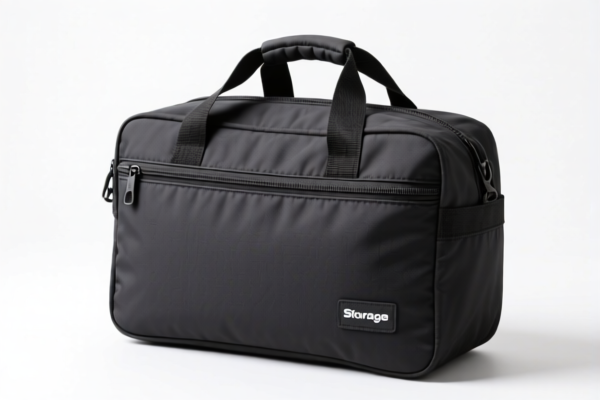
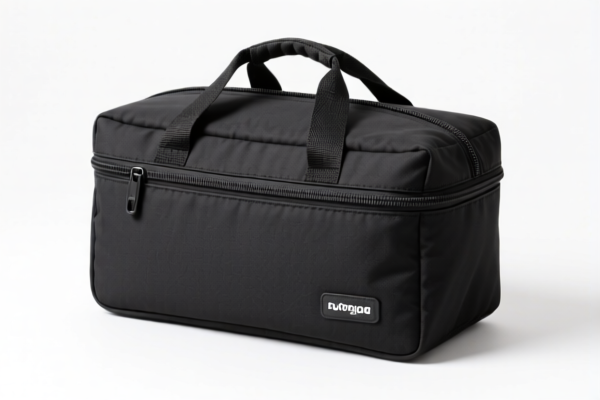
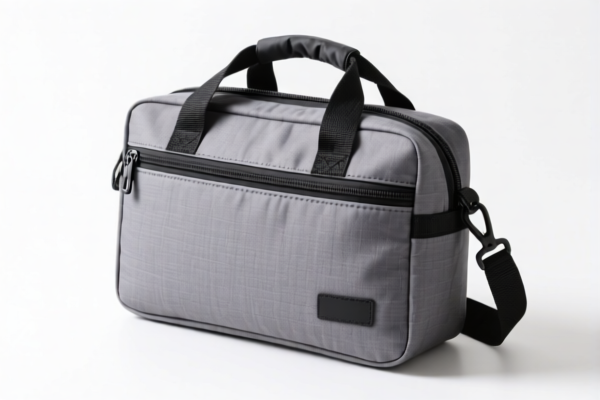
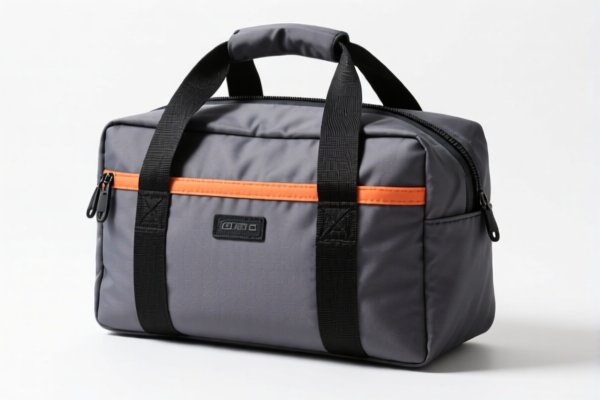
AI Analysis
💧 Portable Enema Bag (Portable Small Bag for Medical/Hygiene Use)
🌐 HS Code Reference & Customs Clearance Guide | 2026 Latest Tariff Analysis | Professional Clearance Strategy
📌 I. Product Definition & Classification: What Exactly Is a "Portable Enema Bag"?
A "Portable Enema Bag" is a flexible container used for the administration of enemas or medical irrigation. In international trade, its classification hinges heavily on material composition and intended medical purpose. It is not a single unified category but rather a product that can fall under Plastic Goods, Rubber Goods, or Medical Instruments depending on its manufacturing specifications.
⚠️ Key Distinction Points:
- If made of Plastic and considered a general plastic article → Classified under Chapter 39.
- If made of Rubber/Synthetic Rubber for sanitary/medical use → Classified under Chapter 40.
- If classified specifically as a Catheter/Drainage Device → Classified under Chapter 90 (Medical Instruments).
📦 II. HS Code Classification Details (2026 Latest Tariff Authority Comparison)
| HS Code | Product Description | Material Assumption | Key Classification Logic |
|---|---|---|---|
3926.90.21.00 |
Portable Enema Bag, plastic material, matching use & form | Plastic | Specific plastic article for hygiene/medical use. |
3926.90.99.89 |
Portable Enema Bag, plastic material, "Other" plastic articles | Plastic | Catch-all for plastic items not elsewhere specified. |
9018.39.00.20 |
Portable Enema Bag, catheter/drainage function | Rubber or Plastic | Classified as a medical instrument/device (drainage). |
4014.90.50.00 |
Portable Enema Bag, sanitary/medical use | Sulfurized Rubber / Soft Synthetic | Medical articles made of rubber. |
4014.90.10.00 |
Portable Enema Bag, sanitary/medical use | Sulfurized Rubber | Specific rubber medical device category. |
🔍 Important Reminder:
- Material is King: The difference between4014(Rubber) and3926(Plastic) is significant for duty rates. - Function Matters:9018captures items viewed strictly as "medical instruments" (catheters/drainage), potentially offering lower base duties but subject to specific regulatory scrutiny.
💰 III. 2026 Latest Tariff Rate Breakdown (Including Additional Taxes & Policy Surcharges)
✅ Applicable Country: United States (US)
✅ Origin: China (CN)
✅ Effective Date: 2025 November 10 onwards (includes subsequent imports)
🎯 1. 3926.90.21.00 & 3926.90.99.89 —— Plastic Enema Bags
| Item | Content |
|---|---|
| Base Rate | 4.2% (for .21) / 5.3% (for .89) |
| Section 301 Tariff | +7.5% |
| Section 122 Tariff | +10% |
| Total Rate | 21.7% (for .21) / 22.8% (for .89) |
| Tax Calculation | CIF Value × Total Rate |
| De Minimis Exemption | ❌ Not Eligible (Due to high tariffs) |
| Legal Path | Base Tariff → Section 301 Footnote → Section 122 Enforcement |
📌 Explanation:
- Plastic bags attract a combination of Base Tariff + Section 301 (7.5%) + Section 122 (10%). - The distinction between.21.00and.99.89is minor in duty impact (~1% difference), but.99.89is the "catch-all" if.21.00is rejected by customs. - Total cost impact: High. Both exceed 21%.
🎯 2. 9018.39.00.20 —— Medical Instrument (Catheter/Drainage Type)
| Item | Content |
|---|---|
| Base Rate | 0.0% |
| Section 301 Tariff | 0.0% |
| Section 122 Tariff | +10% |
| Total Rate | 10.0% |
| Tax Calculation | CIF Value × 10% |
| De Minimis Exemption | ❌ Not Eligible |
| Legal Path | Medical Instrument Chapter → No 301 Surcharge |
📌 Crucial Advantage:
- This is the most cost-effective classification if the product can be legitimately argued as a medical instrument (catheter/drainage device). - Note: This requires strong documentation proving it is a medical device, not just a hygiene product. If Customs disagrees, you risk reclassification to Chapter 39 or 40.
🎯 3. 4014.90.50.00 & 4014.90.10.00 —— Rubber Enema Bags
| Item | Content |
|---|---|
| Base Rate | 4.2% (for .50) / 0.0% (for .10) |
| Section 301 Tariff | 0.0% (for both) |
| Section 122 Tariff | +10% |
| Total Rate | 14.2% (for .50) / 10.0% (for .10) |
| Tax Calculation | CIF Value × Total Rate |
| De Minimis Exemption | ❌ Not Eligible |
| Legal Path | Rubber Chapter → No 301 Surcharge |
📌 Analysis:
- Rubber products are treated differently than plastics. Section 301 (7.5%) does NOT apply to these rubber medical articles. -4014.90.10.00(Sulfurized Rubber, Sanitary/Medical) is highly favorable: 0% Base + 0% Section 301 + 10% Section 122 = 10% Total. -4014.90.50.00(Other Rubber Medical Articles) has a 4.2% base rate, totaling 14.2%.
🛠️ IV. Customs Clearance Practical Advice (Real-World Pitfall Avoidance Guide)
✅ 1. Documentation Checklist (Non-negotiable)
| Document | Mandatory? | Purpose |
|---|---|---|
| ✅ Product Composition Statement | ✔️ | Must explicitly state material (Plastic vs. Rubber). Vague terms like "Soft Material" lead to misclassification. |
| ✅ Intended Use Declaration | ✔️ | Specify "Medical/Enema Use" vs. "General Hygiene". Critical for 9018 vs. 3926/4014. |
| ✅ Product Photos (Clean & Labeled) | ✔️ | Show texture, opacity, and any medical certification markings. |
| ✅ FDA Registration (if applicable) | ✔️ | If claiming 9018 (Medical Device), FDA status may be queried. |
| ✅ Commercial Invoice | ✔️ | Clearly describe as "Portable Enema Bag, [Material], for Medical/Hygiene Use". |
| ✅ Packing List | ✔️ | Ensure no mixed shipments with non-declarable items. |
✅ 2. Declaration Strategies (Key Mantras)
🔥 "Material Defines Chapter, Use Defines Subheading, Section 301 Avoidance is Key!"
| Scenario | Correct Declaration | Wrong Practice | Consequence |
|---|---|---|---|
| Plastic Bag | 3926.90.21.00 or 3926.90.99.89 |
Declare as Rubber to avoid tax | Audit Risk: High penalty for false declaration. |
| Rubber Bag | 4014.90.10.00 |
Declare as Plastic | Higher Duty: 21.7% instead of 10%. |
| Medical Device | 9018.39.00.20 |
Declare as "Plastic Bag" | Higher Duty: 21.7% instead of 10%. |
| Hygiene Product | 4014.90.50.00 |
Claim Medical Exemption without proof | Rejection: Customs will revert to standard rates. |
✅ 3. Special Considerations
| Situation | Handling Advice |
|---|---|
| Material Ambiguity | If the bag is a composite (e.g., plastic bag with rubber valves), Customs may classify based on the essential character. Usually, the main body material dictates the HS code. |
| Section 122 Tariff | Note that ALL listed HS codes above are subject to a 10% Section 122 Tariff. This is a broad-based surcharge on many Chinese imports. There is no exemption from this 10% for these categories. |
| Section 301 Exemption | Plastics (3926) suffer 7.5% Section 301. Rubbers (4014) and Medical Instruments (9018) DO NOT suffer Section 301. This is the biggest saving opportunity. |
| De Minimis (Section 321) | Due to total tariffs exceeding 30% for most categories, Section 321 de minimis exemption ($800) is NOT available. Full formal entry is required. |
🌍 V. Global Market Comparison (2026 Latest)
| Country/Region | Recommended HS Code | Total Effective Rate (China Origin) | Remarks |
|---|---|---|---|
| 🇺🇸 USA | 4014.90.10.00 / 9018.39.00.20 |
10.0% | Best option. Avoids Section 301. |
| 🇺🇸 USA (Plastic) | 3926.90.21.00 |
21.7% | High cost due to Section 301. |
| 🇨🇳 China | Varies | Low | Import duties are lower; focus is on domestic consumption. |
| 🇪🇺 EU | Varies | ~4-7% | No Section 301/122 equivalents, but CE marking required. |
| 🇨🇦 Canada | Varies | ~0-5% | USMCA may apply if manufactured in North America. |
📌 Conclusion:
- For USA imports, Rubber (4014) or Medical Instrument (9018) classifications are significantly cheaper than Plastic (3926) due to the absence of Section 301 tariffs. - Section 122 (10%) is universal for these goods from China, so do not expect to waive it.
📌 VI. Common Errors & Pitfall Guide (Lessons Learned)
❌ Error 1: Declaring a Plastic bag as Rubber to save 11.7%.
👉 Consequence: Customs inspection reveals plastic material via chemical analysis. Refund + Penalty + Audit.
❌ Error 2: Declaring all enema bags as Medical Instruments (9018) without proof.
👉 Consequence: If the bag is for simple household hygiene and not a regulated medical device, Customs may reject 9018 and apply Plastic rates (21.7%). Ensure you have supporting documentation for medical intent.
❌ Error 3: Ignoring Section 122.
👉 Consequence: Assuming 0% base duty means 0% total duty. You still owe 10%.
❌ Error 4: Using vague descriptions like "Small Bag" or "Hygiene Container".
👉 Consequence: Customs will assign the highest possible duty rate from the "Other" categories (3926.90.99.89 or 4014.90.50.00) because they cannot verify the specific medical or material claim.
✅ Correct Practice:
"Portable Enema Bag, Made of Sulfurized Rubber, For Medical/Enema Use, Model XYZ, No Electrical Components"
HS Code:4014.90.10.00→ Duty: 10%
🎯 VII. Conclusion: Professional Declaration, Save Costs!
🎯 Remember the Mantra:
🔹 "Rubber & Medical Save Section 301; Plastic Pay the Penalty."
🔹 "10% is the Target: Aim for4014.90.10.00or9018.39.00.20."
🔹 "Document Material Clearly: Plastic vs. Rubber is the Divide."
📌 Tips:
- If your product is made of Plastic, consider if you can reformulate it with Rubber components or claim medical device status to reduce duties from 21.7% to 10%.
- Always secure a Pre-Ruling (Advance Ruling) from U.S. Customs if the material classification is ambiguous.
- Section 122 is unavoidable for these categories from China, so factor the 10% into your cost model regardless of the HS code.
📣 Immediate Action:
📞 Contact your customs broker with material specs (Plastic vs. Rubber).
📄 Submit product photos and use declarations for accurate HS code assignment.
🚀 Optimize for4014.90.10.00or9018.39.00.20to minimize tariff costs.
✨ Professional clearance starts with precise classification!
💼 Your cost efficiency depends on getting the HS Code right!
Customer Reviews
About HS Code Classification
The Harmonized System (HS) is an internationally standardized nomenclature developed by the World Customs Organization (WCO) to classify traded products. Over 200 countries use the HS system as the basis for customs tariffs, trade statistics, and import/export regulations.
Each HS code follows a hierarchical structure:
- Chapter (2 digits) — Broad category of goods (e.g., Chapter 84: Machinery and Mechanical Appliances)
- Heading (4 digits) — More specific grouping within the chapter
- Subheading (6 digits) — Internationally standardized breakdown, used by all WCO member countries
- National subdivisions (8-10 digits) — Country-specific extensions for further classification, such as US HTSUS 10-digit codes
Correct HS code classification is essential for smooth customs clearance, accurate duty payment, and compliance with trade regulations. Misclassification can lead to customs delays, overpayment of duties, or penalties.
When importing from CN to US, the applicable tariff rates may include:
- Most-Favored-Nation (MFN) rate — The standard duty rate applied to WTO members
- General rate — Applied to countries without trade agreements
- Trade remedy duties — Additional tariffs such as Section 301 (anti-dumping), Section 232 (national security), or countervailing duties
The information provided on this page is for reference purposes only. For official classification, please consult with your local customs authority or a licensed customs broker.