Power Extension Cord
CN → US| HS编码 | 关税税率 | 原产国 | 目的国 | 文档 |
|---|---|---|---|---|
| 8544429010 | 87.6% | CN | US | 官方文档 |
| 8544429090 | 87.6% | CN | US | 官方文档 |
| 8536308000 | 35.0% | CN | US | 官方文档 |
| 8536698000 | 37.7% | CN | US | 官方文档 |
| 8537109170 | 37.7% | CN | US | 官方文档 |
商品图片
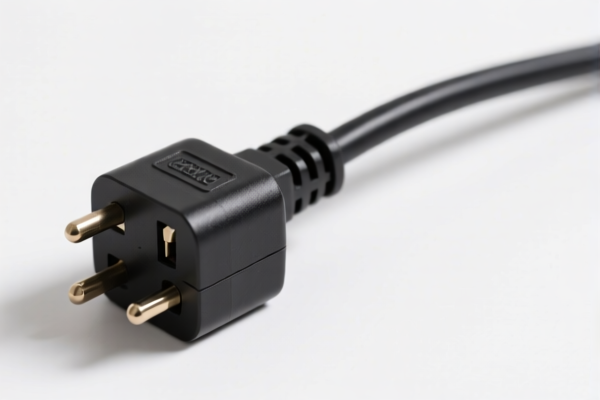
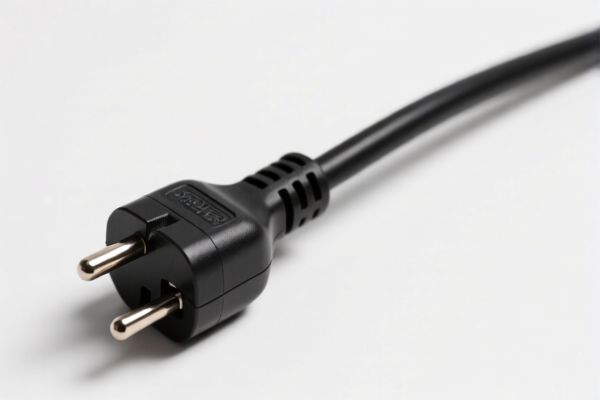
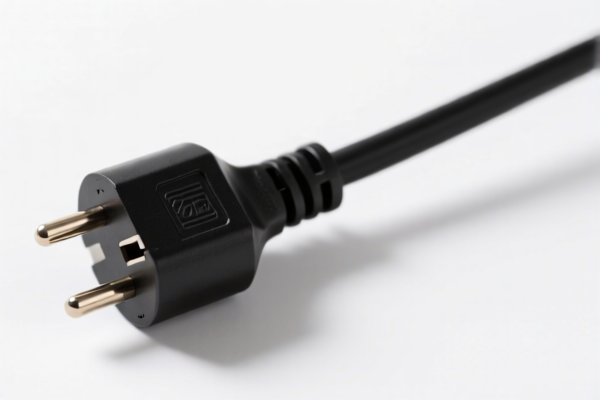
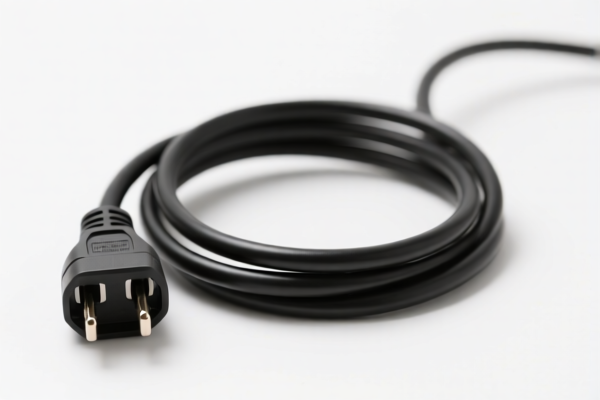
AI分析
🔌 Power Extension Cords & Sockets (Electrical Connectors & Distributors)
🌐 HS Code Reference & Customs Clearance Guide | 2026 Latest Tariff Analysis | Professional Clearance Strategy
📌 I. Product Definition & Classification: What Exactly is an "Extension Cord"?
A "Power Extension Cord" is a generic term often used in trade, but in customs classification, it is split into distinct components based on structure, voltage, and function. Misclassification here is the #1 cause of overpayment or seizure.
The data provided highlights five specific HS Codes ranging from 35% to 87.6% in total duties. Why such a huge difference? Because of Material Composition (Copper/Aluminum) and Component Separation (Wire vs. Plug vs. Distribution Box).
⚠️ Key Distinction Points:
- Is it just a wire with plugs on both ends? → Likely 8544.42.90 (High Risk: Copper/Aluminum penalties).
- Is it just a plug/socket adapter? → Likely 8536.30.80 or 8536.69.80 (Moderate Risk).
- Is it a power strip/distribution board (multiple outlets + switch)? → Likely 8537.10.91.70 (Moderate Risk).
📦 II. HS Code Classification Detail (2026 Latest Tariff Data Analysis)
Based strictly on the provided <DATA>, here is the breakdown of the 5 relevant HS Codes:
| HS Code | Product Description | Classification Logic & Summary | Total Tax Rate |
|---|---|---|---|
| 8544.42.90.10 | Extension Cords | Fits conductors & extension uses; common materials within voltage range. | 87.6% ⚠️⚠️⚠️ |
| 8544.42.90.90 | Extension Cords | Insulated wires with connectors; ≤1000V; "Other" category. | 87.6% ⚠️⚠️⚠️ |
| 8536.30.80.00 | Sockets/Plugs | Voltage ≤1000V; connecting devices for circuit connection. | 35.0% ✅ |
| 8536.69.80.00 | Plugs & Sockets | Non-metal/metal conductors; other electrical apparatus categories. | 37.7% ✅ |
| 8537.10.91.70 | Power Distribution | ≤1000V Power Distribution Equipment; metal conductor + insulating shell. | 37.7% ✅ |
🔍 Critical Note on 8544 vs. 8536/8537:
- 8544.42 is classified as "Insulated Wires." If your product is primarily evaluated as a wire extension, it faces the highest tax.
- 8536/8537 classify the connectors or distribution boxes. If the product is a Power Strip (Strip with multiple outlets, switch, and cord), it often falls under 8537 (Distribution) or 8536 (Plugs/Sockets), which are significantly cheaper than pure wire classification.
💰 III. 2026 Latest Tariff Rate Breakdown (Including Surcharges)
✅ Applicable Country: United States (US)
✅ Origin: China (CN)
✅ Effective Time: Current Trade War Tariffs Apply
🎯 1. The "High-Tax" Trap: 8544.42.90.10 & 8544.42.90.90
Total Rate: 87.6%
| Item | Content |
|---|---|
| Base Duty | 2.6% (General Ad Valorem) |
| Section 301 Surcharge | +25.0% (Trade War Tariff) |
| Section 122 Surcharge | +10.0% (Steel, Aluminum, Copper Products) |
| Specific Metal Penalty | +50.0% (For Steel, Aluminum, Copper Products under Section 122/Other specific rules) |
| Calculation Logic | The 87.6% is a composite figure. If the cord contains Copper (common in extension cords), the 122 Clause (Copper) or Section 122 Metal Penalties trigger massive additional duties. |
| Legal Path | Base Tariff → Section 301 (25%) → Section 122 (Copper/Metal Penalty up to 50%) |
📌 Explanation:
- This is the worst-case scenario for standard copper extension cords.
- The 122 Clause specifically targets Copper products. Since most extension cords use copper wires, this penalty applies.
- Total 87.6% makes direct import of standard copper extension cords highly unprofitable unless the profit margin is huge or the product is re-classified.
🎯 2. The "Moderate-Tax" Option: 8536.30.80.00 (Sockets)
Total Rate: 35.0%
| Item | Content |
|---|---|
| Base Duty | 0.0% |
| Section 301 Surcharge | +25.0% |
| Section 122 Surcharge | +10.0% |
| Total Rate | 35.0% |
| Calculation | CIF Value × 35% |
📌 Explanation:
- 0% Base Duty is a huge advantage.
- Applies to Sockets/Connectors specifically, not the wire itself.
- Strategy: If you can import Sockets/Adapters separately from the wire, you save ~52.6% in taxes compared to 8544.
🎯 3. The "Moderate-Tax" Option: 8536.69.80.00 (Plugs & Sockets)
Total Rate: 37.7%
| Item | Content |
|---|---|
| Base Duty | 2.7% |
| Section 301 Surcharge | +25.0% |
| Section 122 Surcharge | +10.0% |
| Total Rate | 37.7% |
| Calculation | CIF Value × 37.7% |
📌 Explanation:
- Similar to 8536.30, but with a slightly higher base duty (2.7% vs 0.0%).
- Covers "Other Electrical Apparatus" including plugs and sockets made of non-metal/metal conductors.
🎯 4. The "Moderate-Tax" Option: 8537.10.91.70 (Power Distribution)
Total Rate: 37.7%
| Item | Content |
|---|---|
| Base Duty | 2.7% |
| Section 301 Surcharge | +25.0% |
| Section 122 Surcharge | +10.0% |
| Total Rate | 37.7% |
| Calculation | CIF Value × 37.7% |
📌 Explanation:
- This is often the best classification for Power Strips (Power Bars).
- Defined as "1000V or Less Power Distribution Equipment".
- If your product is a multi-outlet power strip with a switch, it is a "Distribution Equipment," not just a "Wire" (8544).
- Key Difference: It is classified as a device, not a component wire. This avoids the steeper penalties associated with raw copper wire imports.
🛠️ IV. Customs Clearance Practical Advice (Actionable Strategy)
✅ 1. Classification Strategy: How to Save 50% in Taxes?
The Golden Rule: Do NOT classify a Power Strip as "Extension Wire" (8544).
| Product Type | Recommended HS Code | Total Tax | Strategy |
|---|---|---|---|
| Simple Wire with Plug on Both Ends | 8544.42.90.10/90 |
87.6% | ⚠️ High Risk. Consider re-designing or importing sockets separately. |
| Simple Plug Adapter (No Wire) | 8536.30.80.00 |
35.0% | ✅ Best for Adapters. Low base duty. |
| Multi-Outlet Power Strip (With Cord) | 8537.10.91.70 |
37.7% | ✅ Best for Power Bars. Classified as Distribution Equipment, not wire. |
| Plug + Socket Combination | 8536.69.80.00 |
37.7% | ✅ Acceptable. Similar to 8537. |
🚀 Pro Tip:
If you are importing Power Strips, ensure your product description emphasizes "Power Distribution Equipment" (8537) rather than "Insulated Wire" (8544).
- Wrong Description: "Copper Extension Cord, 10ft" → Leads to 8544 → 87.6% Tax.
- Right Description: "1000V Power Distribution Board, 5-Outlet Power Strip with Switch and Cord" → Leads to 8537 → 37.7% Tax.
✅ 2. Required Documentation for Clearance
| Document | Must Provide | Purpose |
|---|---|---|
| ✅ Product Specification Sheet | ✔️ | Must clearly state Voltage (≤1000V), Usage (Distribution vs. Wire), and Material (Copper/Aluminum). |
| ✅ Circuit/Structure Diagram | ✔️ | To prove it is a Distribution Device (8537) or Connector (8536), not just a wire. |
| ✅ Product Photos | ✔️ | Show switches, outlets, and labels. |
| ✅ Third-Party Certification | ✔️ | UL, ETL, or CE marks are often required for electrical products in the US. |
| ✅ Commercial Invoice | ✔️ | Must match HS Code description precisely. Avoid vague terms like "Wire." |
✅ 3. Special Clauses & Penalties (Section 122 & 301)
⚠️ Section 122 (Copper/Metal Penalty):
- The data explicitly mentions "10% Steel, Aluminum, Copper Products".
- Copper is the most common material for extension cords.
- If your product is classified under 8544 (Wire), the Copper content triggers the 50% additional penalty (part of the 87.6% total).
- Mitigation: Classify as 8537 (Distribution Equipment) or 8536 (Sockets). These categories still have Section 301 (25%) and Section 122 (10%), but avoid the extra 50% metal penalty if possible, or at least benefit from a 0% base duty (in 8536.30).📌 Conclusion on Tax Savings:
- 8544 (Wire): 2.6% Base + 25% (301) + 10% (122) + 50% (Metal) = 87.6%
- 8536 (Socket): 0.0% Base + 25% (301) + 10% (122) = 35.0%
- 8537 (Strip): 2.7% Base + 25% (301) + 10% (122) = 37.7%
🌍 V. Global Market Comparison (2026 Context)
| Market | Recommended HS Code | Approx. Total Duty | Notes |
|---|---|---|---|
| 🇺🇸 USA | 8537.10.91.70 |
37.7% | Avoid 8544 unless no other option. |
| 🇪🇺 EU | 8544.42 |
~2.7% + VAT | No Section 301/122. Lower duty, but higher compliance (CE). |
| 🇨🇳 China | 8544.42 |
~5-10% | Domestic trade or exports to China are low-tax. |
| 🇯🇵 Japan | 8544.42 |
~2-5% | No trade war penalties. |
📌 Insight:
The US is the only major market with these punitive Section 301/122 tariffs. For non-US exports, the classification is less critical for tax, but still critical for compliance.
📌 VI. Common Errors & Pitfalls
❌ Error 1: Calling a Power Strip "Extension Cord"
👉 Result: Customs may re-classify to 8544 → 87.6% Tax.
✅ Fix: Use term "Power Strip" or "Power Distribution Unit (PDU)" → 8537.
❌ Error 2: Ignoring Copper Content
👉 Result: Under 8544, copper triggers the 50% penalty.
✅ Fix: Justify classification under 8536/8537 where the base duty is lower or zero.
❌ Error 3: Missing UL/ETL Certification
👉 Result: Detention by CBP. Electrical products require safety certification.
✅ Fix: Provide valid NRTL ( Nationally Recognized Testing Laboratory) reports.
🎯 VII. Conclusion: Professional Clearance, Maximize Profit!
🎯 Key Takeaway:
🔹 Extension Cord (Wire) = 87.6% Tax (Avoid if possible)
🔹 Power Strip (Distribution) = 37.7% Tax (Recommended)
🔹 Socket/Adapter = 35.0% Tax (Best for simple plugs)🔥 Golden Rule for Importers:
"Don't import wires as wires. Import them as devices (8537) or components (8536) to save ~50% in taxes!"
📌 Next Steps:
1. Audit your product: Is it a simple wire or a multi-outlet strip?
2. Update your Product Description: Use "Power Distribution Equipment" for strips.
3. Verify Material: If copper, expect Section 122 penalties in 8544.
4. Get Pre-Ruling: Consider applying for a CBP Pre-Ruling to lock in the 37.7% rate for power strips.
📣 Action Alert:
📞 Consult a Customs Broker to confirm if your specific power strip qualifies for 8537.10.91.70.
🚀 Optimize your supply chain: Import sockets (8536) and wires (8544) separately? Or import assembled strips (8537)? Compare the landed cost!
✨ Smart Classification, Smarter Profits!
💼 Your Duty Rate Defines Your Margin.
用户评价
关于 HS 编码归类
协调制度(HS)是由世界海关组织(WCO)制定的国际贸易商品分类标准。全球 200 多个国家采用 HS 系统作为海关关税、贸易统计和进出口监管的基础。
每个 HS 编码遵循以下层级结构:
- 章(2 位)——商品大类(例如:第 84 章:机器和机械设备)
- 品目(4 位)——章内的更具体分类
- 子目(6 位)——国际通用细分,所有 WCO 成员国统一使用
- 本国细分(8-10 位)——各国自行扩展的细分编码,如美国 HTSUS 10 位编码
正确的 HS 编码归类对于顺利通关、准确缴纳关税和遵守贸易法规至关重要。错误归类可能导致海关延误、多缴关税或罚款。
从CN进口到US时,适用的关税税率可能包括:
- 最惠国(MFN)税率——适用于 WTO 成员国的标准关税税率
- 普通税率——适用于无贸易协定国家
- 贸易救济关税——附加关税,如 301 条款(反倾销)、232 条款(国家安全)或反补贴税
本页内容仅供参考。如需正式归类,请咨询当地海关或持牌报关代理。