Power Extension Cord
CN → US| HS Code | Tariff Rate | Origin | Destination | Doc |
|---|---|---|---|---|
| 8544429010 | 87.6% | CN | US | Official Doc |
| 8544429090 | 87.6% | CN | US | Official Doc |
| 8536308000 | 35.0% | CN | US | Official Doc |
| 8536698000 | 37.7% | CN | US | Official Doc |
| 8537109170 | 37.7% | CN | US | Official Doc |
Product Images
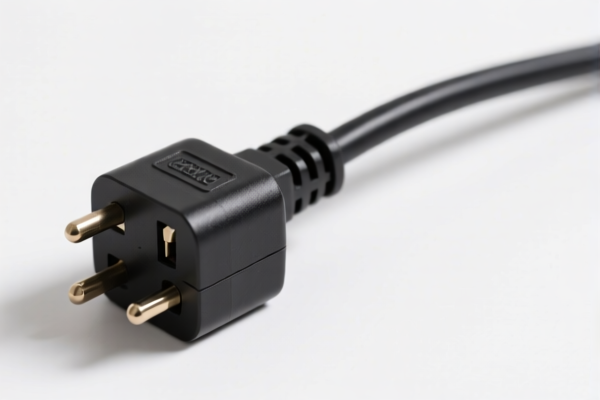
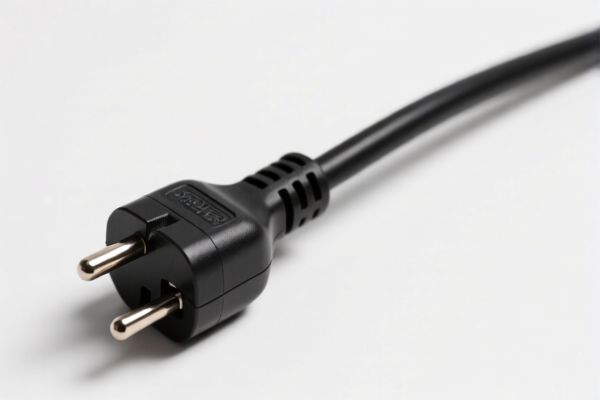
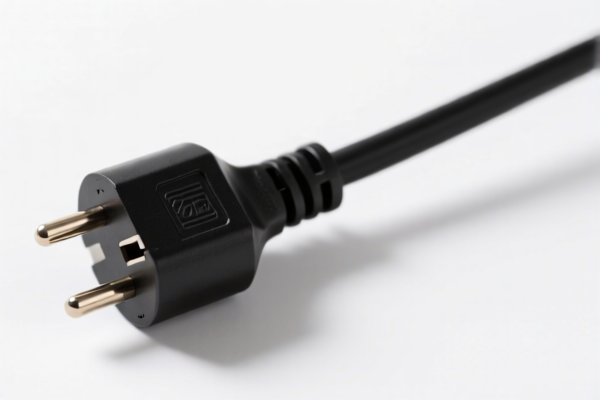
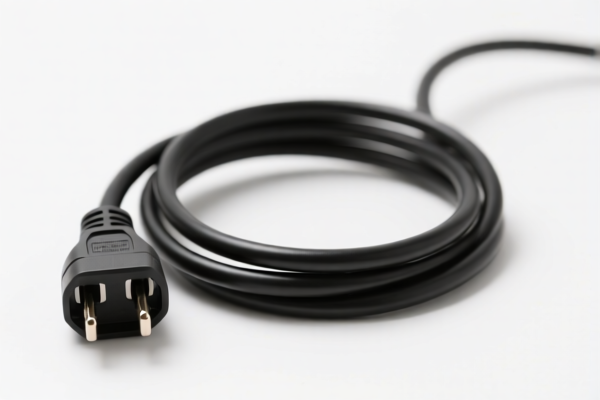
AI Analysis
🔌 Power Extension Cords & Sockets (Electrical Connectors & Distributors)
🌐 HS Code Reference & Customs Clearance Guide | 2026 Latest Tariff Analysis | Professional Clearance Strategy
📌 I. Product Definition & Classification: What Exactly is an "Extension Cord"?
A "Power Extension Cord" is a generic term often used in trade, but in customs classification, it is split into distinct components based on structure, voltage, and function. Misclassification here is the #1 cause of overpayment or seizure.
The data provided highlights five specific HS Codes ranging from 35% to 87.6% in total duties. Why such a huge difference? Because of Material Composition (Copper/Aluminum) and Component Separation (Wire vs. Plug vs. Distribution Box).
⚠️ Key Distinction Points:
- Is it just a wire with plugs on both ends? → Likely 8544.42.90 (High Risk: Copper/Aluminum penalties).
- Is it just a plug/socket adapter? → Likely 8536.30.80 or 8536.69.80 (Moderate Risk).
- Is it a power strip/distribution board (multiple outlets + switch)? → Likely 8537.10.91.70 (Moderate Risk).
📦 II. HS Code Classification Detail (2026 Latest Tariff Data Analysis)
Based strictly on the provided <DATA>, here is the breakdown of the 5 relevant HS Codes:
| HS Code | Product Description | Classification Logic & Summary | Total Tax Rate |
|---|---|---|---|
| 8544.42.90.10 | Extension Cords | Fits conductors & extension uses; common materials within voltage range. | 87.6% ⚠️⚠️⚠️ |
| 8544.42.90.90 | Extension Cords | Insulated wires with connectors; ≤1000V; "Other" category. | 87.6% ⚠️⚠️⚠️ |
| 8536.30.80.00 | Sockets/Plugs | Voltage ≤1000V; connecting devices for circuit connection. | 35.0% ✅ |
| 8536.69.80.00 | Plugs & Sockets | Non-metal/metal conductors; other electrical apparatus categories. | 37.7% ✅ |
| 8537.10.91.70 | Power Distribution | ≤1000V Power Distribution Equipment; metal conductor + insulating shell. | 37.7% ✅ |
🔍 Critical Note on 8544 vs. 8536/8537:
- 8544.42 is classified as "Insulated Wires." If your product is primarily evaluated as a wire extension, it faces the highest tax.
- 8536/8537 classify the connectors or distribution boxes. If the product is a Power Strip (Strip with multiple outlets, switch, and cord), it often falls under 8537 (Distribution) or 8536 (Plugs/Sockets), which are significantly cheaper than pure wire classification.
💰 III. 2026 Latest Tariff Rate Breakdown (Including Surcharges)
✅ Applicable Country: United States (US)
✅ Origin: China (CN)
✅ Effective Time: Current Trade War Tariffs Apply
🎯 1. The "High-Tax" Trap: 8544.42.90.10 & 8544.42.90.90
Total Rate: 87.6%
| Item | Content |
|---|---|
| Base Duty | 2.6% (General Ad Valorem) |
| Section 301 Surcharge | +25.0% (Trade War Tariff) |
| Section 122 Surcharge | +10.0% (Steel, Aluminum, Copper Products) |
| Specific Metal Penalty | +50.0% (For Steel, Aluminum, Copper Products under Section 122/Other specific rules) |
| Calculation Logic | The 87.6% is a composite figure. If the cord contains Copper (common in extension cords), the 122 Clause (Copper) or Section 122 Metal Penalties trigger massive additional duties. |
| Legal Path | Base Tariff → Section 301 (25%) → Section 122 (Copper/Metal Penalty up to 50%) |
📌 Explanation:
- This is the worst-case scenario for standard copper extension cords.
- The 122 Clause specifically targets Copper products. Since most extension cords use copper wires, this penalty applies.
- Total 87.6% makes direct import of standard copper extension cords highly unprofitable unless the profit margin is huge or the product is re-classified.
🎯 2. The "Moderate-Tax" Option: 8536.30.80.00 (Sockets)
Total Rate: 35.0%
| Item | Content |
|---|---|
| Base Duty | 0.0% |
| Section 301 Surcharge | +25.0% |
| Section 122 Surcharge | +10.0% |
| Total Rate | 35.0% |
| Calculation | CIF Value × 35% |
📌 Explanation:
- 0% Base Duty is a huge advantage.
- Applies to Sockets/Connectors specifically, not the wire itself.
- Strategy: If you can import Sockets/Adapters separately from the wire, you save ~52.6% in taxes compared to 8544.
🎯 3. The "Moderate-Tax" Option: 8536.69.80.00 (Plugs & Sockets)
Total Rate: 37.7%
| Item | Content |
|---|---|
| Base Duty | 2.7% |
| Section 301 Surcharge | +25.0% |
| Section 122 Surcharge | +10.0% |
| Total Rate | 37.7% |
| Calculation | CIF Value × 37.7% |
📌 Explanation:
- Similar to 8536.30, but with a slightly higher base duty (2.7% vs 0.0%).
- Covers "Other Electrical Apparatus" including plugs and sockets made of non-metal/metal conductors.
🎯 4. The "Moderate-Tax" Option: 8537.10.91.70 (Power Distribution)
Total Rate: 37.7%
| Item | Content |
|---|---|
| Base Duty | 2.7% |
| Section 301 Surcharge | +25.0% |
| Section 122 Surcharge | +10.0% |
| Total Rate | 37.7% |
| Calculation | CIF Value × 37.7% |
📌 Explanation:
- This is often the best classification for Power Strips (Power Bars).
- Defined as "1000V or Less Power Distribution Equipment".
- If your product is a multi-outlet power strip with a switch, it is a "Distribution Equipment," not just a "Wire" (8544).
- Key Difference: It is classified as a device, not a component wire. This avoids the steeper penalties associated with raw copper wire imports.
🛠️ IV. Customs Clearance Practical Advice (Actionable Strategy)
✅ 1. Classification Strategy: How to Save 50% in Taxes?
The Golden Rule: Do NOT classify a Power Strip as "Extension Wire" (8544).
| Product Type | Recommended HS Code | Total Tax | Strategy |
|---|---|---|---|
| Simple Wire with Plug on Both Ends | 8544.42.90.10/90 |
87.6% | ⚠️ High Risk. Consider re-designing or importing sockets separately. |
| Simple Plug Adapter (No Wire) | 8536.30.80.00 |
35.0% | ✅ Best for Adapters. Low base duty. |
| Multi-Outlet Power Strip (With Cord) | 8537.10.91.70 |
37.7% | ✅ Best for Power Bars. Classified as Distribution Equipment, not wire. |
| Plug + Socket Combination | 8536.69.80.00 |
37.7% | ✅ Acceptable. Similar to 8537. |
🚀 Pro Tip:
If you are importing Power Strips, ensure your product description emphasizes "Power Distribution Equipment" (8537) rather than "Insulated Wire" (8544).
- Wrong Description: "Copper Extension Cord, 10ft" → Leads to 8544 → 87.6% Tax.
- Right Description: "1000V Power Distribution Board, 5-Outlet Power Strip with Switch and Cord" → Leads to 8537 → 37.7% Tax.
✅ 2. Required Documentation for Clearance
| Document | Must Provide | Purpose |
|---|---|---|
| ✅ Product Specification Sheet | ✔️ | Must clearly state Voltage (≤1000V), Usage (Distribution vs. Wire), and Material (Copper/Aluminum). |
| ✅ Circuit/Structure Diagram | ✔️ | To prove it is a Distribution Device (8537) or Connector (8536), not just a wire. |
| ✅ Product Photos | ✔️ | Show switches, outlets, and labels. |
| ✅ Third-Party Certification | ✔️ | UL, ETL, or CE marks are often required for electrical products in the US. |
| ✅ Commercial Invoice | ✔️ | Must match HS Code description precisely. Avoid vague terms like "Wire." |
✅ 3. Special Clauses & Penalties (Section 122 & 301)
⚠️ Section 122 (Copper/Metal Penalty):
- The data explicitly mentions "10% Steel, Aluminum, Copper Products".
- Copper is the most common material for extension cords.
- If your product is classified under 8544 (Wire), the Copper content triggers the 50% additional penalty (part of the 87.6% total).
- Mitigation: Classify as 8537 (Distribution Equipment) or 8536 (Sockets). These categories still have Section 301 (25%) and Section 122 (10%), but avoid the extra 50% metal penalty if possible, or at least benefit from a 0% base duty (in 8536.30).📌 Conclusion on Tax Savings:
- 8544 (Wire): 2.6% Base + 25% (301) + 10% (122) + 50% (Metal) = 87.6%
- 8536 (Socket): 0.0% Base + 25% (301) + 10% (122) = 35.0%
- 8537 (Strip): 2.7% Base + 25% (301) + 10% (122) = 37.7%
🌍 V. Global Market Comparison (2026 Context)
| Market | Recommended HS Code | Approx. Total Duty | Notes |
|---|---|---|---|
| 🇺🇸 USA | 8537.10.91.70 |
37.7% | Avoid 8544 unless no other option. |
| 🇪🇺 EU | 8544.42 |
~2.7% + VAT | No Section 301/122. Lower duty, but higher compliance (CE). |
| 🇨🇳 China | 8544.42 |
~5-10% | Domestic trade or exports to China are low-tax. |
| 🇯🇵 Japan | 8544.42 |
~2-5% | No trade war penalties. |
📌 Insight:
The US is the only major market with these punitive Section 301/122 tariffs. For non-US exports, the classification is less critical for tax, but still critical for compliance.
📌 VI. Common Errors & Pitfalls
❌ Error 1: Calling a Power Strip "Extension Cord"
👉 Result: Customs may re-classify to 8544 → 87.6% Tax.
✅ Fix: Use term "Power Strip" or "Power Distribution Unit (PDU)" → 8537.
❌ Error 2: Ignoring Copper Content
👉 Result: Under 8544, copper triggers the 50% penalty.
✅ Fix: Justify classification under 8536/8537 where the base duty is lower or zero.
❌ Error 3: Missing UL/ETL Certification
👉 Result: Detention by CBP. Electrical products require safety certification.
✅ Fix: Provide valid NRTL ( Nationally Recognized Testing Laboratory) reports.
🎯 VII. Conclusion: Professional Clearance, Maximize Profit!
🎯 Key Takeaway:
🔹 Extension Cord (Wire) = 87.6% Tax (Avoid if possible)
🔹 Power Strip (Distribution) = 37.7% Tax (Recommended)
🔹 Socket/Adapter = 35.0% Tax (Best for simple plugs)🔥 Golden Rule for Importers:
"Don't import wires as wires. Import them as devices (8537) or components (8536) to save ~50% in taxes!"
📌 Next Steps:
1. Audit your product: Is it a simple wire or a multi-outlet strip?
2. Update your Product Description: Use "Power Distribution Equipment" for strips.
3. Verify Material: If copper, expect Section 122 penalties in 8544.
4. Get Pre-Ruling: Consider applying for a CBP Pre-Ruling to lock in the 37.7% rate for power strips.
📣 Action Alert:
📞 Consult a Customs Broker to confirm if your specific power strip qualifies for 8537.10.91.70.
🚀 Optimize your supply chain: Import sockets (8536) and wires (8544) separately? Or import assembled strips (8537)? Compare the landed cost!
✨ Smart Classification, Smarter Profits!
💼 Your Duty Rate Defines Your Margin.
Customer Reviews
About HS Code Classification
The Harmonized System (HS) is an internationally standardized nomenclature developed by the World Customs Organization (WCO) to classify traded products. Over 200 countries use the HS system as the basis for customs tariffs, trade statistics, and import/export regulations.
Each HS code follows a hierarchical structure:
- Chapter (2 digits) — Broad category of goods (e.g., Chapter 84: Machinery and Mechanical Appliances)
- Heading (4 digits) — More specific grouping within the chapter
- Subheading (6 digits) — Internationally standardized breakdown, used by all WCO member countries
- National subdivisions (8-10 digits) — Country-specific extensions for further classification, such as US HTSUS 10-digit codes
Correct HS code classification is essential for smooth customs clearance, accurate duty payment, and compliance with trade regulations. Misclassification can lead to customs delays, overpayment of duties, or penalties.
When importing from CN to US, the applicable tariff rates may include:
- Most-Favored-Nation (MFN) rate — The standard duty rate applied to WTO members
- General rate — Applied to countries without trade agreements
- Trade remedy duties — Additional tariffs such as Section 301 (anti-dumping), Section 232 (national security), or countervailing duties
The information provided on this page is for reference purposes only. For official classification, please consult with your local customs authority or a licensed customs broker.