Precision Electronic Scale
CN → US| HS编码 | 关税税率 | 原产国 | 目的国 | 文档 |
|---|---|---|---|---|
| 9016006000 | 38.3% | CN | US | 官方文档 |
| 8423810040 | 35.0% | CN | US | 官方文档 |
| 9016002000 | 38.9% | CN | US | 官方文档 |
| 9016006000 | 38.3% | CN | US | 官方文档 |
| 9016002000 | 38.9% | CN | US | 官方文档 |
商品图片
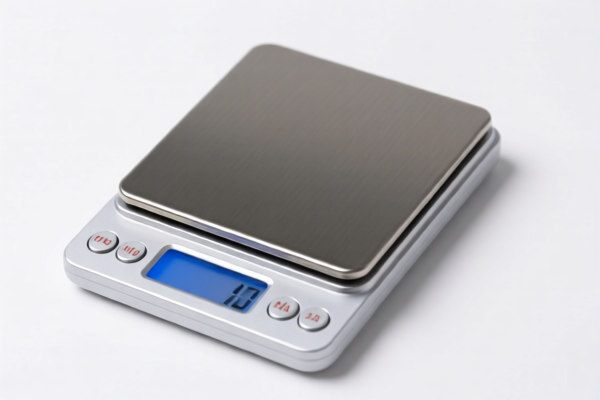
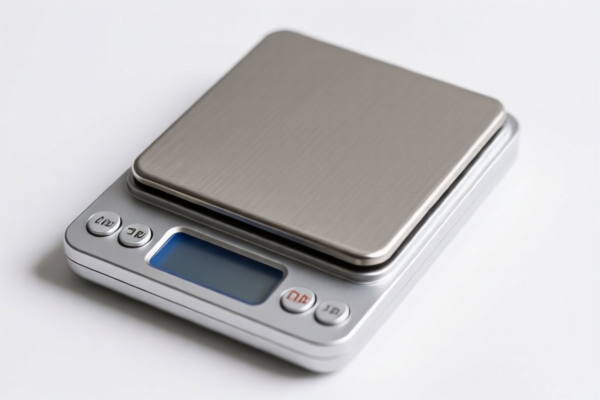
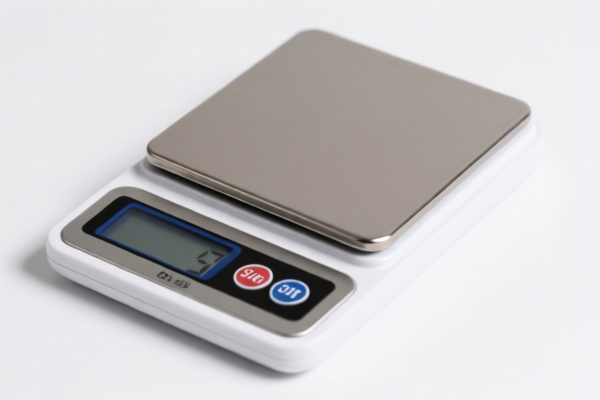
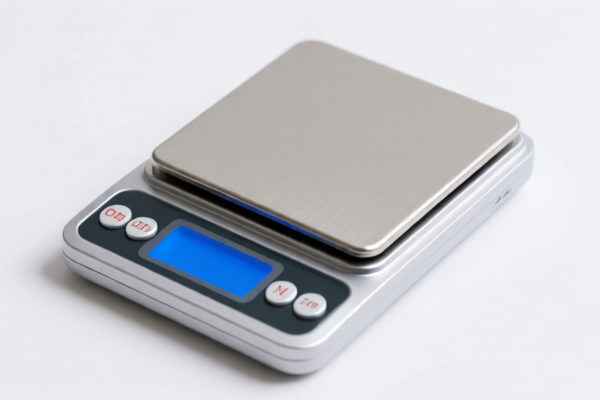
AI分析
⚖️ Precision Electronic Scale (精密电子秤)
🌐 HS Code Reference & Customs Clearance Guide | 2026 Latest Tariff Analysis | Professional Strategy
📌 I. Product Definition & Classification: Is Your "Scale" a Balance or a Weighing Machine?
In international trade, "Precision Electronic Scale" is a generic term that requires precise technical differentiation to determine the correct Harmonized System (HS) Code. The critical distinction lies in the sensitivity and the type of weighing mechanism:
1. Digital Weighing Machines (Digital Electronic Scales): These are general-purpose weighing devices designed for high-precision commercial or industrial use. They typically fall under Chapter 84 (Machinery and Mechanical Appliances).
2. High-Sensitivity Electronic Balances: These are laboratory-grade instruments characterized by extreme sensitivity and accuracy. They fall under Chapter 90 (Optical, Photographic, Cinematographic, Measuring, Checking, Precision, Medical or Surgical Instruments).
⚠️ Key Differentiation Point:
- If the device is a general precision weighing machine (e.g., high-precision industrial scale, laboratory scale not classified as a balance) → It falls under 8423.81.00.40.
- If the device is a high-sensitivity electronic balance (matching the definition of a balance used for analytical or precise measurement in labs) → It falls under 9016.00.20.00 or 9016.00.60.00.
📦 II. HS Code Classification Details (2026 Latest Tariff Authority Comparison)
Based on the provided data, here is the breakdown of the possible classifications for Precision Electronic Scales:
| HS Code | Product Description | Technical Definition | Total Tax Rate |
|---|---|---|---|
8423.81.00.40 |
Digital Electronic Type Weighing Machine | Classified as a general precision weighing machine, suitable for high-precision weighing purposes but not explicitly defined as a "balance" in Chapter 90. | 35.0% |
9016.00.20.00 |
High-Sensitivity Electronic Balance | Matches the function and purpose of a high-sensitivity balance. Typically used for analytical laboratory work requiring extreme precision. | 38.9% |
9016.00.60.00 |
High-Sensitivity Balance Category | Falls under the category of high-sensitivity balances, aligning with the functions of electronic measuring instruments. | 38.3% |
🔍 Important Note:
- The distinction between9016.00.20.00and9016.00.60.00often depends on specific sub-heading definitions within Chapter 90 regarding the exact type of sensitivity or application (analytical vs. precision weighing).
-8423.81.00.40is generally for "weighing machinery" that does not meet the strict criteria of a "balance" under Chapter 90, yet still offers high precision.
💰 III. 2026 Latest Tariff Rate Breakdown (Including Surcharges & Policy Add-ons)
✅ Applicable Country: United States (US)
✅ Origin: China (CN)
✅ Effective Time: As per current trade policies (including Section 301 and IEEPA provisions)
🎯 1. 8423.81.00.40 —— Digital Electronic Weighing Machine (High Precision)
| Item | Content |
|---|---|
| Base Tariff | 0.0% (ad valorem) |
| Section 301 Surcharge | +25.0% (USITC Footnote) |
| Section 122 Tariff | +10.0% (Specific provision for certain Chinese goods) |
| Total Tax Rate | 35.0% |
| Tax Calculation | CIF Value × 35% |
| De Minimis Exemption | ❌ Not Applicable (High tariff rates typically disqualify from low-value exemptions in strict enforcement contexts) |
| Legal Basis Path | USITC:8423.81.00.40 → Section 301: 25% → Section 122: 10% |
📌 Explanation:
- The base tariff for this weighing machinery is 0%.
- The 25% is the standard Section 301 tariff on many Chinese industrial goods.
- The 10% is an additional surcharge often applied under specific trade provisions (labeled here as "122 Clause Tariff").
- Total: 35%. This is a moderate-to-high cost, significantly impacting profit margins.
🎯 2. 9016.00.20.00 —— High-Sensitivity Electronic Balance (Analytical)
| Item | Content |
|---|---|
| Base Tariff | 3.9% (ad valorem) |
| Section 301 Surcharge | +25.0% |
| Section 122 Tariff | +10.0% |
| Total Tax Rate | 38.9% |
| Tax Calculation | CIF Value × 38.9% |
| De Minimis Exemption | ❌ Not Applicable |
| Legal Basis Path | USITC:9016.00.20.00 → Section 301: 25% → Section 122: 10% |
📌 Note:
- Even though the base tariff is higher (3.9%), the total rate is the highest among the options due to the same surcharges.
- This classification implies the item is a laboratory-grade analytical balance. Ensure your product meets the technical specifications for "high sensitivity" to justify this code. Misclassification here can lead to penalties if audited.
🎯 3. 9016.00.60.00 —— High-Sensitivity Balance Category (Precision Measuring)
| Item | Content |
|---|---|
| Base Tariff | 3.3% (ad valorem) |
| Section 301 Surcharge | +25.0% |
| Section 122 Tariff | +10.0% |
| Total Tax Rate | 38.3% |
| Tax Calculation | CIF Value × 38.3% |
| De Minimis Exemption | ❌ Not Applicable |
| Legal Basis Path | USITC:9016.00.60.00 → Section 301: 25% → Section 122: 10% |
📌 Note:
- This code is for electronic measuring instruments classified as balances but may have slightly different technical parameters than9016.00.20.00.
- Total: 38.3%. It is slightly more favorable than9016.00.20.00due to a lower base rate (3.3% vs 3.9%).
🛠️ IV. Customs Clearance Practical Advice (Actionable Pitfall Prevention)
✅ 1. Preparation Checklist (Mandatory Documents)
| Document | Required | Description |
|---|---|---|
| ✅ Product Specification Sheet | ✔️ | Must detail max capacity, readability (sensitivity), calibration status, and power supply. |
| ✅ Technical Datasheet | ✔️ | Clearly state if the device is a "Weighing Machine" (Ch 84) or a "Balance" (Ch 90). |
| ✅ Product Photos | ✔️ | Show the entire unit, display, and any labeling indicating precision class. |
| ✅ Commercial Invoice | ✔️ | Must accurately describe the product as "Precision Electronic Scale" or "Electronic Balance" matching the HS Code. |
| ✅ Packing List | ✔️ | Include weights and dimensions for accurate valuation. |
✅ 2. Classification Strategy (Key Tips)
🔥 "Know Your Sensitivity: Balance vs. Scale Determines Your Cost!"
| Scenario | Recommended HS Code | Reasoning |
|---|---|---|
| Industrial/Commercial High-Precision Scale | 8423.81.00.40 |
If it is not classified as a "balance" under Ch 90 definitions, use this. Lower total tax (35%). |
| Lab Analytical Balance (High Sensitivity) | 9016.00.20.00 |
If it meets strict analytical balance criteria. Highest tax (38.9%). |
| General Precision Balance | 9016.00.60.00 |
If it fits the balance definition but not the specific analytical sub-heading. Tax (38.3%). |
⚠️ Critical Warning:
- Do not arbitrarily choose8423.81.00.40to save tax if the product is technically a balance. Customs may reclassify it, leading to penalties and back-taxes.
- Ensure the technical documentation supports the chosen classification. If it is a "Balance," it must be classified under Ch 90.
✅ 3. Special Case Handling
| Situation | Handling Advice |
|---|---|
| OEM/Custom Orders | Provide client specs. If the balance has specific high-sensitivity features, stick to Ch 90. |
| Multi-function Devices | If the device weighs AND prints/links to a computer, it is still classified by its principal function. If weighing is principal, it remains a balance/scale. |
| Import from Non-China Origins | If the origin is Vietnam, Thailand, etc., the Section 301 (25%) and Section 122 (10%) surcharges may not apply, significantly reducing the total tax. Check Country of Origin certificates carefully. |
🌍 V. Global Market Comparison (2026 Outlook)
| Market | Recommended HS Code | Est. Total Tax (China Origin) | Key Certification |
|---|---|---|---|
| 🇺🇸 USA | 8423.81.00.40 / 9016.00.xxxxxx |
35.0% - 38.9% | FCC, NIST Traceable (if for lab) |
| 🇨🇳 China | 8423.81 / 9016.00 |
3.3% - 13% (Varies) | CCC (if applicable) |
| 🇪🇺 EU | 8423.81 / 9016.00 |
0% - 4.5% | CE, RoHS, WEEE |
| 🇬🇧 UK | 8423.81 / 9016.00 |
0% - 4.5% | UKCA, RoHS |
📌 Conclusion:
- The US market is the most expensive due to the cumulative effect of Base Tariff + 25% Section 301 + 10% Section 122.
- China Origin is the primary cost driver. If possible, consider supply chain diversification to countries with favorable trade agreements (e.g., Vietnam, Malaysia) to avoid these surcharges.
📌 VI. Common Errors & Pitfalls (Lessons Learned)
❌ Error 1: Classifying a High-Sensitivity Balance under 8423.81.00.40 to save tax.
👉 Consequence: Customs audit reveals the product is a balance. Back taxes + Penalties for misclassification.
❌ Error 2: Failing to specify "Electronic" and "Precision" in the description.
👉 Consequence: Ambiguity leads to higher default tariffs or detention for further inspection.
❌ Error 3: Ignoring Section 122 Tariff.
👉 Consequence: Under-declaration of tax liability. This 10% surcharge is often overlooked but is mandatory for certain Chinese imports.
✅ Correct Approach:
"Electronic Precision Balance, Model XYZ, Sensitivity 0.01g, Analytical Grade, Origin: China, FCC Certified"
→ Use9016.00.20.00if analytical, or9016.00.60.00if precision.
→ Use8423.81.00.40only if it is a digital weighing machine not classified as a balance.
🎯 VII. Conclusion: Precision Classification, Precision Savings!
🎯 Remember the Key Takeaway:
🔹 "Balance = Ch 90 (Higher Base, Same Surcharges) → 38.3-38.9%"
🔹 "Weighing Machine = Ch 84 (Lower Base, Same Surcharges) → 35.0%"
🔹 "Origin Matters: Non-China Origins Avoid Surcharges → Significantly Lower Tax!"
📌 Pro Tip:
If your product qualifies as a "Laboratory Instrument", ensure you have traceability documentation (calibration certificates) ready for customs inspection. This proves the "high sensitivity" nature and justifies the Ch 90 classification if required.
📣 Immediate Action:
📞 Consult a Customs Broker to verify if your specific "Precision Electronic Scale" meets the technical definition of a "Balance" under US HTSUS.
🚀 Optimize Your Supply Chain: Consider sourcing from non-China origins if the 35-39% tariff burden is too high.
✨ Professional Clearance Starts with Accurate Classification!
💼 Every percentage point of tax affects your bottom line!
用户评价
关于 HS 编码归类
协调制度(HS)是由世界海关组织(WCO)制定的国际贸易商品分类标准。全球 200 多个国家采用 HS 系统作为海关关税、贸易统计和进出口监管的基础。
每个 HS 编码遵循以下层级结构:
- 章(2 位)——商品大类(例如:第 84 章:机器和机械设备)
- 品目(4 位)——章内的更具体分类
- 子目(6 位)——国际通用细分,所有 WCO 成员国统一使用
- 本国细分(8-10 位)——各国自行扩展的细分编码,如美国 HTSUS 10 位编码
正确的 HS 编码归类对于顺利通关、准确缴纳关税和遵守贸易法规至关重要。错误归类可能导致海关延误、多缴关税或罚款。
从CN进口到US时,适用的关税税率可能包括:
- 最惠国(MFN)税率——适用于 WTO 成员国的标准关税税率
- 普通税率——适用于无贸易协定国家
- 贸易救济关税——附加关税,如 301 条款(反倾销)、232 条款(国家安全)或反补贴税
本页内容仅供参考。如需正式归类,请咨询当地海关或持牌报关代理。