Precision Electronic Scale
CN → US| HS Code | Tariff Rate | Origin | Destination | Doc |
|---|---|---|---|---|
| 9016006000 | 38.3% | CN | US | Official Doc |
| 8423810040 | 35.0% | CN | US | Official Doc |
| 9016002000 | 38.9% | CN | US | Official Doc |
| 9016006000 | 38.3% | CN | US | Official Doc |
| 9016002000 | 38.9% | CN | US | Official Doc |
Product Images
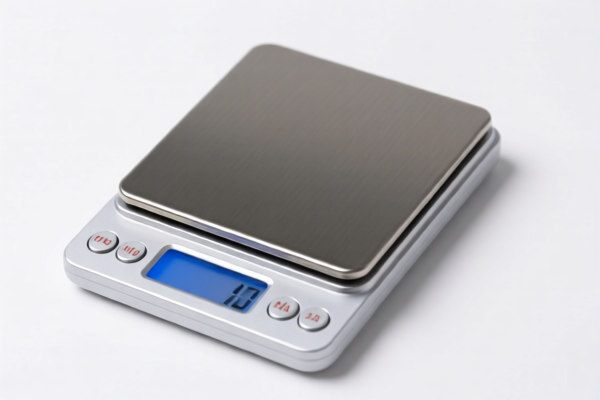
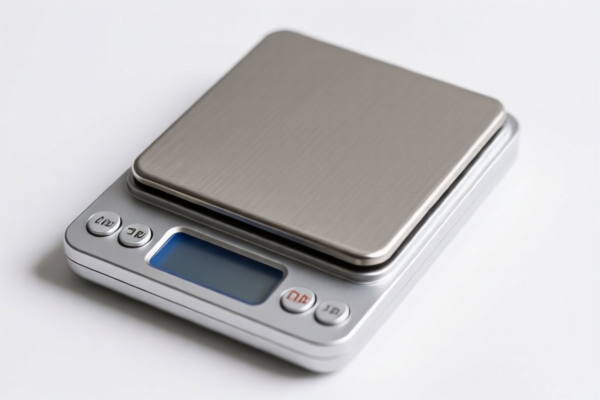
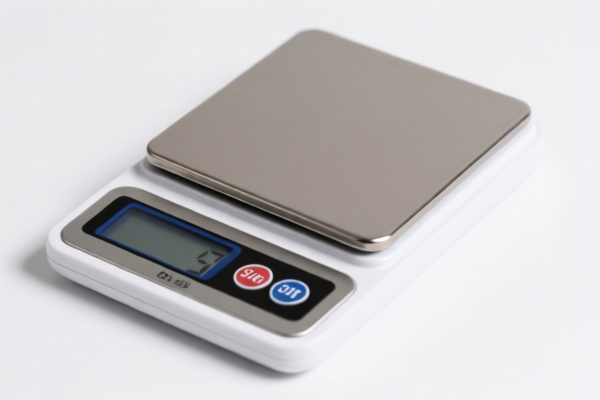
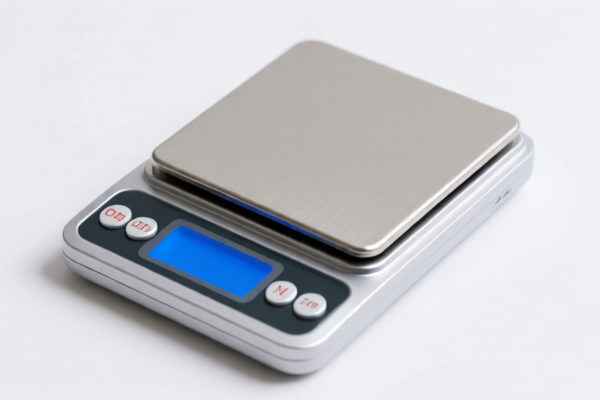
AI Analysis
⚖️ Precision Electronic Scale (精密电子秤)
🌐 HS Code Reference & Customs Clearance Guide | 2026 Latest Tariff Analysis | Professional Strategy
📌 I. Product Definition & Classification: Is Your "Scale" a Balance or a Weighing Machine?
In international trade, "Precision Electronic Scale" is a generic term that requires precise technical differentiation to determine the correct Harmonized System (HS) Code. The critical distinction lies in the sensitivity and the type of weighing mechanism:
1. Digital Weighing Machines (Digital Electronic Scales): These are general-purpose weighing devices designed for high-precision commercial or industrial use. They typically fall under Chapter 84 (Machinery and Mechanical Appliances).
2. High-Sensitivity Electronic Balances: These are laboratory-grade instruments characterized by extreme sensitivity and accuracy. They fall under Chapter 90 (Optical, Photographic, Cinematographic, Measuring, Checking, Precision, Medical or Surgical Instruments).
⚠️ Key Differentiation Point:
- If the device is a general precision weighing machine (e.g., high-precision industrial scale, laboratory scale not classified as a balance) → It falls under 8423.81.00.40.
- If the device is a high-sensitivity electronic balance (matching the definition of a balance used for analytical or precise measurement in labs) → It falls under 9016.00.20.00 or 9016.00.60.00.
📦 II. HS Code Classification Details (2026 Latest Tariff Authority Comparison)
Based on the provided data, here is the breakdown of the possible classifications for Precision Electronic Scales:
| HS Code | Product Description | Technical Definition | Total Tax Rate |
|---|---|---|---|
8423.81.00.40 |
Digital Electronic Type Weighing Machine | Classified as a general precision weighing machine, suitable for high-precision weighing purposes but not explicitly defined as a "balance" in Chapter 90. | 35.0% |
9016.00.20.00 |
High-Sensitivity Electronic Balance | Matches the function and purpose of a high-sensitivity balance. Typically used for analytical laboratory work requiring extreme precision. | 38.9% |
9016.00.60.00 |
High-Sensitivity Balance Category | Falls under the category of high-sensitivity balances, aligning with the functions of electronic measuring instruments. | 38.3% |
🔍 Important Note:
- The distinction between9016.00.20.00and9016.00.60.00often depends on specific sub-heading definitions within Chapter 90 regarding the exact type of sensitivity or application (analytical vs. precision weighing).
-8423.81.00.40is generally for "weighing machinery" that does not meet the strict criteria of a "balance" under Chapter 90, yet still offers high precision.
💰 III. 2026 Latest Tariff Rate Breakdown (Including Surcharges & Policy Add-ons)
✅ Applicable Country: United States (US)
✅ Origin: China (CN)
✅ Effective Time: As per current trade policies (including Section 301 and IEEPA provisions)
🎯 1. 8423.81.00.40 —— Digital Electronic Weighing Machine (High Precision)
| Item | Content |
|---|---|
| Base Tariff | 0.0% (ad valorem) |
| Section 301 Surcharge | +25.0% (USITC Footnote) |
| Section 122 Tariff | +10.0% (Specific provision for certain Chinese goods) |
| Total Tax Rate | 35.0% |
| Tax Calculation | CIF Value × 35% |
| De Minimis Exemption | ❌ Not Applicable (High tariff rates typically disqualify from low-value exemptions in strict enforcement contexts) |
| Legal Basis Path | USITC:8423.81.00.40 → Section 301: 25% → Section 122: 10% |
📌 Explanation:
- The base tariff for this weighing machinery is 0%.
- The 25% is the standard Section 301 tariff on many Chinese industrial goods.
- The 10% is an additional surcharge often applied under specific trade provisions (labeled here as "122 Clause Tariff").
- Total: 35%. This is a moderate-to-high cost, significantly impacting profit margins.
🎯 2. 9016.00.20.00 —— High-Sensitivity Electronic Balance (Analytical)
| Item | Content |
|---|---|
| Base Tariff | 3.9% (ad valorem) |
| Section 301 Surcharge | +25.0% |
| Section 122 Tariff | +10.0% |
| Total Tax Rate | 38.9% |
| Tax Calculation | CIF Value × 38.9% |
| De Minimis Exemption | ❌ Not Applicable |
| Legal Basis Path | USITC:9016.00.20.00 → Section 301: 25% → Section 122: 10% |
📌 Note:
- Even though the base tariff is higher (3.9%), the total rate is the highest among the options due to the same surcharges.
- This classification implies the item is a laboratory-grade analytical balance. Ensure your product meets the technical specifications for "high sensitivity" to justify this code. Misclassification here can lead to penalties if audited.
🎯 3. 9016.00.60.00 —— High-Sensitivity Balance Category (Precision Measuring)
| Item | Content |
|---|---|
| Base Tariff | 3.3% (ad valorem) |
| Section 301 Surcharge | +25.0% |
| Section 122 Tariff | +10.0% |
| Total Tax Rate | 38.3% |
| Tax Calculation | CIF Value × 38.3% |
| De Minimis Exemption | ❌ Not Applicable |
| Legal Basis Path | USITC:9016.00.60.00 → Section 301: 25% → Section 122: 10% |
📌 Note:
- This code is for electronic measuring instruments classified as balances but may have slightly different technical parameters than9016.00.20.00.
- Total: 38.3%. It is slightly more favorable than9016.00.20.00due to a lower base rate (3.3% vs 3.9%).
🛠️ IV. Customs Clearance Practical Advice (Actionable Pitfall Prevention)
✅ 1. Preparation Checklist (Mandatory Documents)
| Document | Required | Description |
|---|---|---|
| ✅ Product Specification Sheet | ✔️ | Must detail max capacity, readability (sensitivity), calibration status, and power supply. |
| ✅ Technical Datasheet | ✔️ | Clearly state if the device is a "Weighing Machine" (Ch 84) or a "Balance" (Ch 90). |
| ✅ Product Photos | ✔️ | Show the entire unit, display, and any labeling indicating precision class. |
| ✅ Commercial Invoice | ✔️ | Must accurately describe the product as "Precision Electronic Scale" or "Electronic Balance" matching the HS Code. |
| ✅ Packing List | ✔️ | Include weights and dimensions for accurate valuation. |
✅ 2. Classification Strategy (Key Tips)
🔥 "Know Your Sensitivity: Balance vs. Scale Determines Your Cost!"
| Scenario | Recommended HS Code | Reasoning |
|---|---|---|
| Industrial/Commercial High-Precision Scale | 8423.81.00.40 |
If it is not classified as a "balance" under Ch 90 definitions, use this. Lower total tax (35%). |
| Lab Analytical Balance (High Sensitivity) | 9016.00.20.00 |
If it meets strict analytical balance criteria. Highest tax (38.9%). |
| General Precision Balance | 9016.00.60.00 |
If it fits the balance definition but not the specific analytical sub-heading. Tax (38.3%). |
⚠️ Critical Warning:
- Do not arbitrarily choose8423.81.00.40to save tax if the product is technically a balance. Customs may reclassify it, leading to penalties and back-taxes.
- Ensure the technical documentation supports the chosen classification. If it is a "Balance," it must be classified under Ch 90.
✅ 3. Special Case Handling
| Situation | Handling Advice |
|---|---|
| OEM/Custom Orders | Provide client specs. If the balance has specific high-sensitivity features, stick to Ch 90. |
| Multi-function Devices | If the device weighs AND prints/links to a computer, it is still classified by its principal function. If weighing is principal, it remains a balance/scale. |
| Import from Non-China Origins | If the origin is Vietnam, Thailand, etc., the Section 301 (25%) and Section 122 (10%) surcharges may not apply, significantly reducing the total tax. Check Country of Origin certificates carefully. |
🌍 V. Global Market Comparison (2026 Outlook)
| Market | Recommended HS Code | Est. Total Tax (China Origin) | Key Certification |
|---|---|---|---|
| 🇺🇸 USA | 8423.81.00.40 / 9016.00.xxxxxx |
35.0% - 38.9% | FCC, NIST Traceable (if for lab) |
| 🇨🇳 China | 8423.81 / 9016.00 |
3.3% - 13% (Varies) | CCC (if applicable) |
| 🇪🇺 EU | 8423.81 / 9016.00 |
0% - 4.5% | CE, RoHS, WEEE |
| 🇬🇧 UK | 8423.81 / 9016.00 |
0% - 4.5% | UKCA, RoHS |
📌 Conclusion:
- The US market is the most expensive due to the cumulative effect of Base Tariff + 25% Section 301 + 10% Section 122.
- China Origin is the primary cost driver. If possible, consider supply chain diversification to countries with favorable trade agreements (e.g., Vietnam, Malaysia) to avoid these surcharges.
📌 VI. Common Errors & Pitfalls (Lessons Learned)
❌ Error 1: Classifying a High-Sensitivity Balance under 8423.81.00.40 to save tax.
👉 Consequence: Customs audit reveals the product is a balance. Back taxes + Penalties for misclassification.
❌ Error 2: Failing to specify "Electronic" and "Precision" in the description.
👉 Consequence: Ambiguity leads to higher default tariffs or detention for further inspection.
❌ Error 3: Ignoring Section 122 Tariff.
👉 Consequence: Under-declaration of tax liability. This 10% surcharge is often overlooked but is mandatory for certain Chinese imports.
✅ Correct Approach:
"Electronic Precision Balance, Model XYZ, Sensitivity 0.01g, Analytical Grade, Origin: China, FCC Certified"
→ Use9016.00.20.00if analytical, or9016.00.60.00if precision.
→ Use8423.81.00.40only if it is a digital weighing machine not classified as a balance.
🎯 VII. Conclusion: Precision Classification, Precision Savings!
🎯 Remember the Key Takeaway:
🔹 "Balance = Ch 90 (Higher Base, Same Surcharges) → 38.3-38.9%"
🔹 "Weighing Machine = Ch 84 (Lower Base, Same Surcharges) → 35.0%"
🔹 "Origin Matters: Non-China Origins Avoid Surcharges → Significantly Lower Tax!"
📌 Pro Tip:
If your product qualifies as a "Laboratory Instrument", ensure you have traceability documentation (calibration certificates) ready for customs inspection. This proves the "high sensitivity" nature and justifies the Ch 90 classification if required.
📣 Immediate Action:
📞 Consult a Customs Broker to verify if your specific "Precision Electronic Scale" meets the technical definition of a "Balance" under US HTSUS.
🚀 Optimize Your Supply Chain: Consider sourcing from non-China origins if the 35-39% tariff burden is too high.
✨ Professional Clearance Starts with Accurate Classification!
💼 Every percentage point of tax affects your bottom line!
Customer Reviews
About HS Code Classification
The Harmonized System (HS) is an internationally standardized nomenclature developed by the World Customs Organization (WCO) to classify traded products. Over 200 countries use the HS system as the basis for customs tariffs, trade statistics, and import/export regulations.
Each HS code follows a hierarchical structure:
- Chapter (2 digits) — Broad category of goods (e.g., Chapter 84: Machinery and Mechanical Appliances)
- Heading (4 digits) — More specific grouping within the chapter
- Subheading (6 digits) — Internationally standardized breakdown, used by all WCO member countries
- National subdivisions (8-10 digits) — Country-specific extensions for further classification, such as US HTSUS 10-digit codes
Correct HS code classification is essential for smooth customs clearance, accurate duty payment, and compliance with trade regulations. Misclassification can lead to customs delays, overpayment of duties, or penalties.
When importing from CN to US, the applicable tariff rates may include:
- Most-Favored-Nation (MFN) rate — The standard duty rate applied to WTO members
- General rate — Applied to countries without trade agreements
- Trade remedy duties — Additional tariffs such as Section 301 (anti-dumping), Section 232 (national security), or countervailing duties
The information provided on this page is for reference purposes only. For official classification, please consult with your local customs authority or a licensed customs broker.