Printed Satin Fabric
CN → US| HS编码 | 关税税率 | 原产国 | 目的国 | 文档 |
|---|---|---|---|---|
| 5512190030 | 48.6% | CN | US | 官方文档 |
| 5408349050 | 47.0% | CN | US | 官方文档 |
| 5408249020 | 47.0% | CN | US | 官方文档 |
| 5407942050 | 49.9% | CN | US | 官方文档 |
| 6004100085 | 47.3% | CN | US | 官方文档 |
商品图片
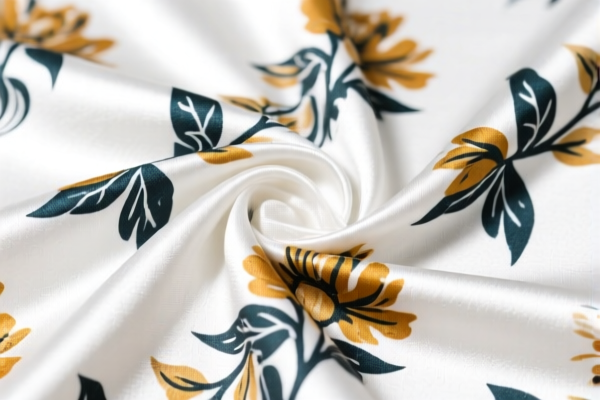
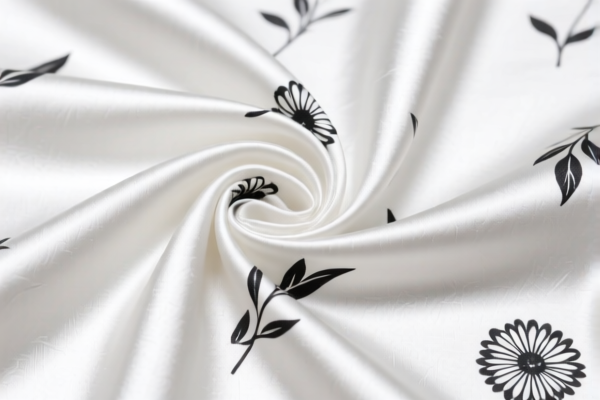
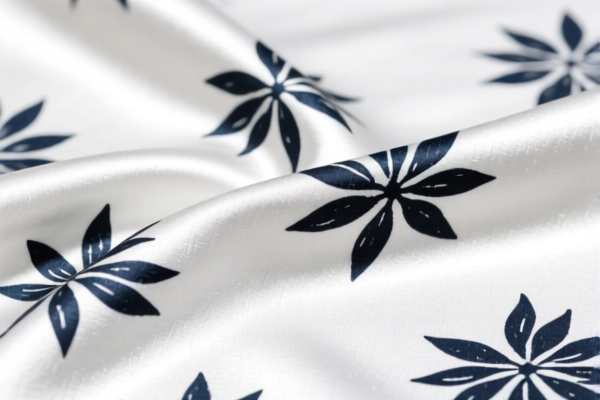
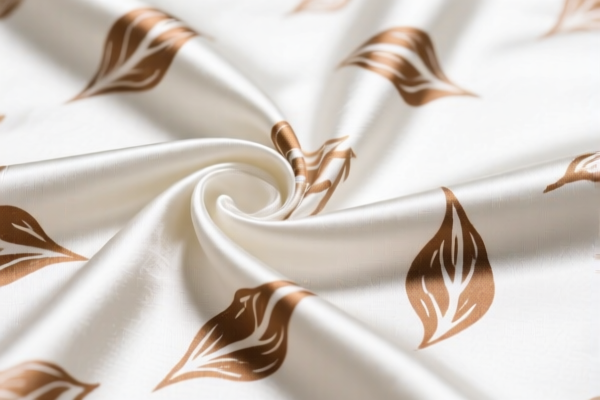
AI分析
🧵 Printed Satin Fabric (Satin Weave Printed Textile)
🌐 HS Code Reference & Customs Clearance Guide | 2026 Latest Tariff Analysis | Professional Strategy for Luggage & Toy Applications
📌 I. Product Definition & Classification: Do You Really Understand "Printed Satin Fabric"?
Printed satin fabric is a versatile textile material characterized by a glossy surface and dull back, primarily used in high-end luggage, bags, and children's toys. In international trade, its classification depends strictly on the fiber composition (synthetic vs. artificial) and the manufacturing process (woven vs. knitted).
Key Distinctions: * Polyester Staple Fiber (Short Fiber) → Classified under Chapter 55. * Artificial Filament / Synthetic Filament (Long Fiber) → Classified under Chapter 54. * Knitted Fabric → Classified under Chapter 60. * Application Matters: The intended use (luggage vs. toys) often triggers specific HTSUS subheadings even within the same fiber category.
⚠️ Critical Warning:
- Misidentifying "Polyester" (Ch 55) vs. "Artificial/Synthetic Filament" (Ch 54) leads to classification errors and potential penalties.
- "Stain Washed/Discharge Printed" (放流印染) is a specific finishing technique that must be declared accurately to match the HS code description.
📦 II. HS Code Classification Details (2026 Latest Tariff Concordance)
Below are the 5 specific HS codes provided in the data set, strictly aligned with their descriptions and tax implications.
| HS Code | Product Description & Material | Application | Tax Rate Structure |
|---|---|---|---|
| 5512.19.00.30 | Satin Printed Fabric (Discharge Print) Made of Polyester Staple Fiber. | Luggage/Bags | 48.6% |
| 5408.34.90.50 | Satin Printed Fabric (Discharge Print) Made of Artificial Filament, Satin Weave. | Luggage/Bags | 47.0% |
| 5408.24.90.20 | Satin Printed Fabric (Discharge Print) Made of Artificial Filament / Ribbon material. | Luggage/Bags | 47.0% |
| 5407.94.20.50 | Satin Printed Fabric (Discharge Print) Made of Synthetic Fiber. | Luggage/Bags | 49.9% |
| 6004.10.00.85 | Satin Toy Fabric, Knitted Fabric, Textile Material. | Toys | 47.3% |
🔍 Key Classification Notes:
- Ch 55 (5512...) covers staple fibers (short fibers), typically polyester spun yarn.
- Ch 54 (5408/5407...) covers filament fibers (continuous long fibers). Note that "Artificial" (e.g., Rayon/Viscose) and "Synthetic" (e.g., Polyester/Nylon) are treated differently in subheadings.
- Ch 60 (6004...) is for knitted fabrics, specifically identified here for toy applications.
💰 III. 2026 Latest Tariff Rate Breakdown (Including Surcharges)
✅ Applicable Country: United States (US)
✅ Origin: China (CN)
✅ Effective Date: Rates apply to imports from China.
🎯 1. 5512.19.00.30 — Polyester Staple Fiber Satin (Luggage)
| Item | Detail |
|---|---|
| Base Tariff | 13.6% |
| Section 301 Surcharge | +25.0% |
| Section 122 Tariff | +10.0% |
| Total Tariff | 48.6% |
| De Minimis Exemption? | ❌ NO (Deny_de_minimis applies) |
| Legal Path | Section 301 + Section 122 + HTSUS 5512 |
📌 Explanation:
- This code applies to Polyester Staple Fiber (short fiber) satin fabric.
- The 13.6% base rate is standard for synthetic staple fabrics.
- The 25% Section 301 tariff is mandatory for Chinese origin.
- The 10% Section 122 tariff is an additional levy on certain textile imports.
- Total: 48.6%. This is a high-cost classification.
🎯 2. 5408.34.90.50 — Artificial Filament Satin (Luggage)
| Item | Detail |
|---|---|
| Base Tariff | 12.0% |
| Section 301 Surcharge | +25.0% |
| Section 122 Tariff | +10.0% |
| Total Tariff | 47.0% |
| De Minimis Exemption? | ❌ NO |
| Legal Path | Section 301 + Section 122 + HTSUS 5408 |
📌 Explanation:
- Applies to Artificial Filament (e.g., Rayon) satin fabric with a satin weave.
- Base rate is slightly lower (12.0%) compared to polyester staple.
- Still subject to full Section 301 and 122 surcharges.
🎯 3. 5408.24.90.20 — Artificial Filament/Ribbon Satin (Luggage)
| Item | Detail |
|---|---|
| Base Tariff | 12.0% |
| Section 301 Surcharge | +25.0% |
| Section 122 Tariff | +10.0% |
| Total Tariff | 47.0% |
| De Minimis Exemption? | ❌ NO |
| Legal Path | Section 301 + Section 122 + HTSUS 5408 |
📌 Explanation:
- Specific subheading for Artificial Filament or Ribbon-type materials.
- Tax rate is identical to5408.34.90.50due to similar fiber origin and trade policy treatment.
🎯 4. 5407.94.20.50 — Synthetic Fiber Satin (Luggage)
| Item | Detail |
|---|---|
| Base Tariff | 14.9% |
| Section 301 Surcharge | +25.0% |
| Section 122 Tariff | +10.0% |
| Total Tariff | 49.9% |
| De Minimis Exemption? | ❌ NO |
| Legal Path | Section 301 + Section 122 + HTSUS 5407 |
📌 Explanation:
- This code covers Synthetic Fiber (e.g., Polyester Filament) satin fabric.
- Highest Base Rate at 14.9%.
- Total Tariff: 49.9% — This is the most expensive classification in the list.
- Crucial: Ensure you do not misclassify synthetic filament as "Artificial" (Rayon) to avoid the 14.9% base if your material is actually synthetic.
🎯 5. 6004.10.00.85 — Knitted Satin Toy Fabric
| Item | Detail |
|---|---|
| Base Tariff | 12.3% |
| Section 301 Surcharge | +25.0% |
| Section 122 Tariff | +10.0% |
| Total Tariff | 47.3% |
| De Minimis Exemption? | ❌ NO |
| Legal Path | Section 301 + Section 122 + HTSUS 6004 |
📌 Explanation:
- Specifically for Knitted fabrics used in toys.
- Base rate is 12.3%.
- Total: 47.3%.
- Note: If this fabric is used for luggage instead of toys, it cannot be classified under Ch 60. It must revert to Ch 54 or 55.
🛠️ IV. Customs Clearance Practical Advice (Pitfall Avoidance Guide)
✅ 1. Required Documentation Checklist (Non-Negotiable)
| Document | Must Provide? | Purpose |
|---|---|---|
| ✅ Product Specification Sheet | ✔️ | Defines fiber content (Staple vs. Filament, Artificial vs. Synthetic), weave type (Satin), and finish (Discharge Print). |
| ✅ Fabric Swatch / Photo | ✔️ | Visual proof of "Satin Weave" and "Printed" nature. |
| ✅ Commercial Invoice | ✔️ | Must clearly state "Satin Printed Fabric" AND intended use (Luggage vs. Toys). |
| ✅ Bill of Lading | ✔️ | Consistent with invoice description. |
| ✅ Origin Certificate (CO) | ✔️ | Proves Chinese origin (triggers 301/122 tariffs). |
| ✅ Labeling Details | ✔️ | Fiber content % (e.g., 100% Polyester) is critical for Ch 55 vs. Ch 54. |
✅ 2. Declaration Tips (Key Mantra)
🔥 “Fiber Determines Chapter, Use Determines Subheading, Print Defines Finish”
| Scenario | Correct Declaration | Common Error |
|---|---|---|
| Polyester Short Fiber | 5512.19.00.30 |
Misclassifying as 5408 (Filament) → Penalty |
| Rayon/Acrylic Filament | 5408.34.90.50 or 5408.24.90.20 |
Calling it "Synthetic" → Wrong Base Rate |
| Polyester Filament | 5407.94.20.50 |
Calling it "Artificial" → Avoid 14.9% Base? Don't risk it |
| Knitted Toy Fabric | 6004.10.00.85 |
Using woven codes for knitted fabric → Rejection |
✅ 3. Special Situations
| Situation | Advice |
|---|---|
| Mixed Shipments (Luggage + Toys) | Separate Entries! Do not mix 5407 (Luggage) and 6004 (Toy) in one line item. Different subheadings require clear segregation. |
| "Discharge Print" (放流印染) | Ensure this is noted in the description. It confirms the "Printed" status, which aligns with the HS code summaries provided. |
| Section 122 Applicability | All 5 codes listed are subject to the 10% Section 122 tariff. Verify if your specific supplier has any exemptions (unlikely for standard textiles from China). |
| De Minimis (Section 321) | ❌ Not Applicable. All these HS codes are explicitly excluded from the $800 de minimis exemption. Each shipment is subject to full duty calculation. |
🌍 V. Global Market Comparison (2026)
| Market | Recommended HS Code | Approx. Total Tariff (China Origin) | Notes |
|---|---|---|---|
| 🇺🇸 USA | 5512.19.00.30 / 5408... / 6004... |
47.0% - 49.9% | Includes 25% Sec 301 + 10% Sec 122. High Cost. |
| 🇨🇳 China | Same Codes | ~10-15% | No Section 301/122. Lower cost. |
| 🇪🇺 EU | Varies (Textile Chapter) | ~4-6.5% | No Section 301. May require REACH compliance. |
| 🇬🇧 UK | Varies | ~4-6.5% | Post-Brexit tariffs apply. |
📌 Conclusion:
- The US market is significantly more expensive for printed satin fabrics from China due to combined Section 301 and Section 122 tariffs.
- Cost Optimization: Consider sourcing from non-China countries (e.g., Vietnam, India) if eligible for preferential rates, though Section 301 may still apply if rules of origin are not met.
📌 VI. Common Errors & Pitfall Guide (Lessons Learned)
❌ Error 1: Misidentifying "Polyester" as "Artificial Filament"
👉 Consequence: Using 5408 (12% base) instead of 5512 (13.6% base) or vice versa. While the difference seems small, misdeclaration leads to customs audits, delays, and penalties.
❌ Error 2: Using Knitted Code (6004) for Woven Fabric
👉 Consequence: Immediate rejection by CBP. Woven satin belongs in Ch 54/55. Knitted belongs in Ch 60.
❌ Error 3: Assuming De Minimis Applies
👉 Consequence: Shipments valued under $800 are still subject to 48.6% duty. Failure to pay results in seizure or return.
❌ Error 4: Ignoring Section 122
👉 Consequence: Underpayment by 10%. CBP will assess back duties + interest + penalties.
✅ Correct Practice:
"Satin Printed Fabric, Discharge Print, 100% Polyester Staple Fiber, for Luggage Lining, HTSUS 5512.19.00.30"
🎯 VII. Conclusion: Professional Classification, Cost Efficiency!
🎯 Remember the Mantra:
🔹 “Fiber First, Weave Second, Use Third”
🔹 “Polyester Staple = Ch 55, Filament = Ch 54, Knitted = Ch 60”
🔹 “No De Minimis, Full Duty Applies, 48% is the Price of Entry”
📌 Pro Tip:
If your product is not from China, check for FTAA/USMCA benefits. However, for China-origin satin fabrics, the 47-49.9% tariff is unavoidable.
Recommend Advance Ruling from CBP if unsure about fiber content or weave structure.
📣 Immediate Action:
📞 Verify Fiber Content: Check supplier specs for "Staple" vs. "Filament".
📦 Segregate Shipments: Luggage vs. Toys.
💸 Budget for 49.9%: Include tariffs in your landed cost calculation.
✨ Professional Customs Clearance Starts with Precise Classification!
💼 Your Cost Efficiency Depends on Accurate HS Codes!
用户评价
关于 HS 编码归类
协调制度(HS)是由世界海关组织(WCO)制定的国际贸易商品分类标准。全球 200 多个国家采用 HS 系统作为海关关税、贸易统计和进出口监管的基础。
每个 HS 编码遵循以下层级结构:
- 章(2 位)——商品大类(例如:第 84 章:机器和机械设备)
- 品目(4 位)——章内的更具体分类
- 子目(6 位)——国际通用细分,所有 WCO 成员国统一使用
- 本国细分(8-10 位)——各国自行扩展的细分编码,如美国 HTSUS 10 位编码
正确的 HS 编码归类对于顺利通关、准确缴纳关税和遵守贸易法规至关重要。错误归类可能导致海关延误、多缴关税或罚款。
从CN进口到US时,适用的关税税率可能包括:
- 最惠国(MFN)税率——适用于 WTO 成员国的标准关税税率
- 普通税率——适用于无贸易协定国家
- 贸易救济关税——附加关税,如 301 条款(反倾销)、232 条款(国家安全)或反补贴税
本页内容仅供参考。如需正式归类,请咨询当地海关或持牌报关代理。