Printed Satin Fabric
CN → US| HS Code | Tariff Rate | Origin | Destination | Doc |
|---|---|---|---|---|
| 5512190030 | 48.6% | CN | US | Official Doc |
| 5408349050 | 47.0% | CN | US | Official Doc |
| 5408249020 | 47.0% | CN | US | Official Doc |
| 5407942050 | 49.9% | CN | US | Official Doc |
| 6004100085 | 47.3% | CN | US | Official Doc |
Product Images
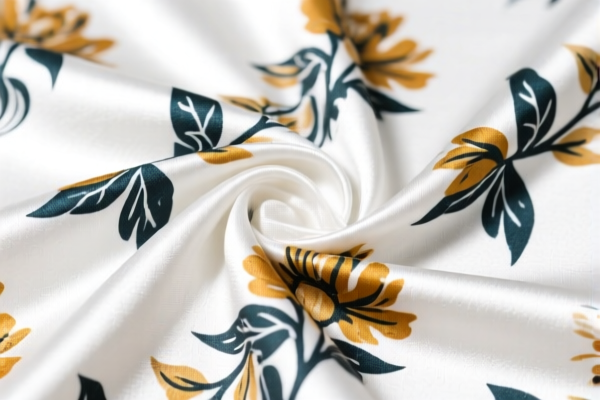
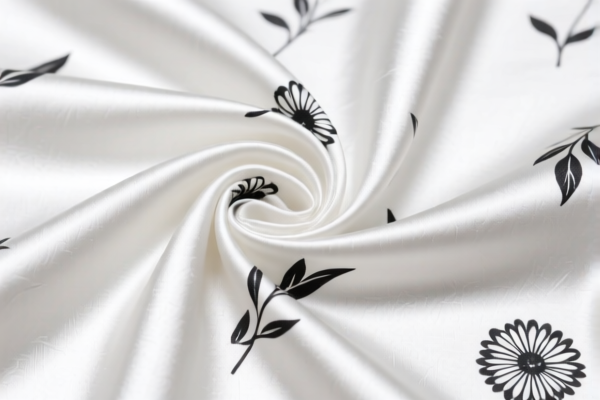
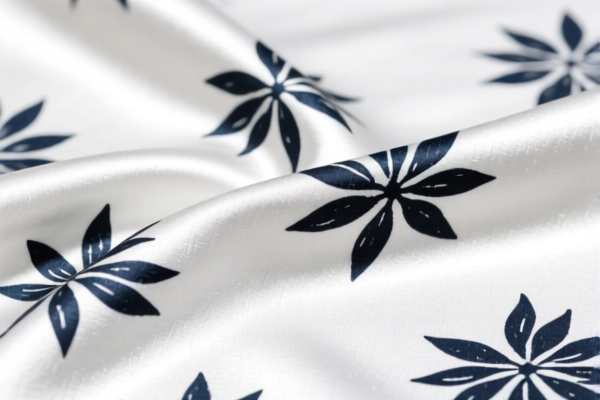
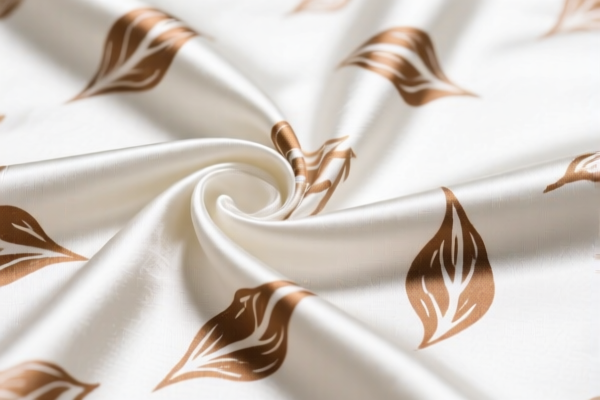
AI Analysis
🧵 Printed Satin Fabric (Satin Weave Printed Textile)
🌐 HS Code Reference & Customs Clearance Guide | 2026 Latest Tariff Analysis | Professional Strategy for Luggage & Toy Applications
📌 I. Product Definition & Classification: Do You Really Understand "Printed Satin Fabric"?
Printed satin fabric is a versatile textile material characterized by a glossy surface and dull back, primarily used in high-end luggage, bags, and children's toys. In international trade, its classification depends strictly on the fiber composition (synthetic vs. artificial) and the manufacturing process (woven vs. knitted).
Key Distinctions: * Polyester Staple Fiber (Short Fiber) → Classified under Chapter 55. * Artificial Filament / Synthetic Filament (Long Fiber) → Classified under Chapter 54. * Knitted Fabric → Classified under Chapter 60. * Application Matters: The intended use (luggage vs. toys) often triggers specific HTSUS subheadings even within the same fiber category.
⚠️ Critical Warning:
- Misidentifying "Polyester" (Ch 55) vs. "Artificial/Synthetic Filament" (Ch 54) leads to classification errors and potential penalties.
- "Stain Washed/Discharge Printed" (放流印染) is a specific finishing technique that must be declared accurately to match the HS code description.
📦 II. HS Code Classification Details (2026 Latest Tariff Concordance)
Below are the 5 specific HS codes provided in the data set, strictly aligned with their descriptions and tax implications.
| HS Code | Product Description & Material | Application | Tax Rate Structure |
|---|---|---|---|
| 5512.19.00.30 | Satin Printed Fabric (Discharge Print) Made of Polyester Staple Fiber. | Luggage/Bags | 48.6% |
| 5408.34.90.50 | Satin Printed Fabric (Discharge Print) Made of Artificial Filament, Satin Weave. | Luggage/Bags | 47.0% |
| 5408.24.90.20 | Satin Printed Fabric (Discharge Print) Made of Artificial Filament / Ribbon material. | Luggage/Bags | 47.0% |
| 5407.94.20.50 | Satin Printed Fabric (Discharge Print) Made of Synthetic Fiber. | Luggage/Bags | 49.9% |
| 6004.10.00.85 | Satin Toy Fabric, Knitted Fabric, Textile Material. | Toys | 47.3% |
🔍 Key Classification Notes:
- Ch 55 (5512...) covers staple fibers (short fibers), typically polyester spun yarn.
- Ch 54 (5408/5407...) covers filament fibers (continuous long fibers). Note that "Artificial" (e.g., Rayon/Viscose) and "Synthetic" (e.g., Polyester/Nylon) are treated differently in subheadings.
- Ch 60 (6004...) is for knitted fabrics, specifically identified here for toy applications.
💰 III. 2026 Latest Tariff Rate Breakdown (Including Surcharges)
✅ Applicable Country: United States (US)
✅ Origin: China (CN)
✅ Effective Date: Rates apply to imports from China.
🎯 1. 5512.19.00.30 — Polyester Staple Fiber Satin (Luggage)
| Item | Detail |
|---|---|
| Base Tariff | 13.6% |
| Section 301 Surcharge | +25.0% |
| Section 122 Tariff | +10.0% |
| Total Tariff | 48.6% |
| De Minimis Exemption? | ❌ NO (Deny_de_minimis applies) |
| Legal Path | Section 301 + Section 122 + HTSUS 5512 |
📌 Explanation:
- This code applies to Polyester Staple Fiber (short fiber) satin fabric.
- The 13.6% base rate is standard for synthetic staple fabrics.
- The 25% Section 301 tariff is mandatory for Chinese origin.
- The 10% Section 122 tariff is an additional levy on certain textile imports.
- Total: 48.6%. This is a high-cost classification.
🎯 2. 5408.34.90.50 — Artificial Filament Satin (Luggage)
| Item | Detail |
|---|---|
| Base Tariff | 12.0% |
| Section 301 Surcharge | +25.0% |
| Section 122 Tariff | +10.0% |
| Total Tariff | 47.0% |
| De Minimis Exemption? | ❌ NO |
| Legal Path | Section 301 + Section 122 + HTSUS 5408 |
📌 Explanation:
- Applies to Artificial Filament (e.g., Rayon) satin fabric with a satin weave.
- Base rate is slightly lower (12.0%) compared to polyester staple.
- Still subject to full Section 301 and 122 surcharges.
🎯 3. 5408.24.90.20 — Artificial Filament/Ribbon Satin (Luggage)
| Item | Detail |
|---|---|
| Base Tariff | 12.0% |
| Section 301 Surcharge | +25.0% |
| Section 122 Tariff | +10.0% |
| Total Tariff | 47.0% |
| De Minimis Exemption? | ❌ NO |
| Legal Path | Section 301 + Section 122 + HTSUS 5408 |
📌 Explanation:
- Specific subheading for Artificial Filament or Ribbon-type materials.
- Tax rate is identical to5408.34.90.50due to similar fiber origin and trade policy treatment.
🎯 4. 5407.94.20.50 — Synthetic Fiber Satin (Luggage)
| Item | Detail |
|---|---|
| Base Tariff | 14.9% |
| Section 301 Surcharge | +25.0% |
| Section 122 Tariff | +10.0% |
| Total Tariff | 49.9% |
| De Minimis Exemption? | ❌ NO |
| Legal Path | Section 301 + Section 122 + HTSUS 5407 |
📌 Explanation:
- This code covers Synthetic Fiber (e.g., Polyester Filament) satin fabric.
- Highest Base Rate at 14.9%.
- Total Tariff: 49.9% — This is the most expensive classification in the list.
- Crucial: Ensure you do not misclassify synthetic filament as "Artificial" (Rayon) to avoid the 14.9% base if your material is actually synthetic.
🎯 5. 6004.10.00.85 — Knitted Satin Toy Fabric
| Item | Detail |
|---|---|
| Base Tariff | 12.3% |
| Section 301 Surcharge | +25.0% |
| Section 122 Tariff | +10.0% |
| Total Tariff | 47.3% |
| De Minimis Exemption? | ❌ NO |
| Legal Path | Section 301 + Section 122 + HTSUS 6004 |
📌 Explanation:
- Specifically for Knitted fabrics used in toys.
- Base rate is 12.3%.
- Total: 47.3%.
- Note: If this fabric is used for luggage instead of toys, it cannot be classified under Ch 60. It must revert to Ch 54 or 55.
🛠️ IV. Customs Clearance Practical Advice (Pitfall Avoidance Guide)
✅ 1. Required Documentation Checklist (Non-Negotiable)
| Document | Must Provide? | Purpose |
|---|---|---|
| ✅ Product Specification Sheet | ✔️ | Defines fiber content (Staple vs. Filament, Artificial vs. Synthetic), weave type (Satin), and finish (Discharge Print). |
| ✅ Fabric Swatch / Photo | ✔️ | Visual proof of "Satin Weave" and "Printed" nature. |
| ✅ Commercial Invoice | ✔️ | Must clearly state "Satin Printed Fabric" AND intended use (Luggage vs. Toys). |
| ✅ Bill of Lading | ✔️ | Consistent with invoice description. |
| ✅ Origin Certificate (CO) | ✔️ | Proves Chinese origin (triggers 301/122 tariffs). |
| ✅ Labeling Details | ✔️ | Fiber content % (e.g., 100% Polyester) is critical for Ch 55 vs. Ch 54. |
✅ 2. Declaration Tips (Key Mantra)
🔥 “Fiber Determines Chapter, Use Determines Subheading, Print Defines Finish”
| Scenario | Correct Declaration | Common Error |
|---|---|---|
| Polyester Short Fiber | 5512.19.00.30 |
Misclassifying as 5408 (Filament) → Penalty |
| Rayon/Acrylic Filament | 5408.34.90.50 or 5408.24.90.20 |
Calling it "Synthetic" → Wrong Base Rate |
| Polyester Filament | 5407.94.20.50 |
Calling it "Artificial" → Avoid 14.9% Base? Don't risk it |
| Knitted Toy Fabric | 6004.10.00.85 |
Using woven codes for knitted fabric → Rejection |
✅ 3. Special Situations
| Situation | Advice |
|---|---|
| Mixed Shipments (Luggage + Toys) | Separate Entries! Do not mix 5407 (Luggage) and 6004 (Toy) in one line item. Different subheadings require clear segregation. |
| "Discharge Print" (放流印染) | Ensure this is noted in the description. It confirms the "Printed" status, which aligns with the HS code summaries provided. |
| Section 122 Applicability | All 5 codes listed are subject to the 10% Section 122 tariff. Verify if your specific supplier has any exemptions (unlikely for standard textiles from China). |
| De Minimis (Section 321) | ❌ Not Applicable. All these HS codes are explicitly excluded from the $800 de minimis exemption. Each shipment is subject to full duty calculation. |
🌍 V. Global Market Comparison (2026)
| Market | Recommended HS Code | Approx. Total Tariff (China Origin) | Notes |
|---|---|---|---|
| 🇺🇸 USA | 5512.19.00.30 / 5408... / 6004... |
47.0% - 49.9% | Includes 25% Sec 301 + 10% Sec 122. High Cost. |
| 🇨🇳 China | Same Codes | ~10-15% | No Section 301/122. Lower cost. |
| 🇪🇺 EU | Varies (Textile Chapter) | ~4-6.5% | No Section 301. May require REACH compliance. |
| 🇬🇧 UK | Varies | ~4-6.5% | Post-Brexit tariffs apply. |
📌 Conclusion:
- The US market is significantly more expensive for printed satin fabrics from China due to combined Section 301 and Section 122 tariffs.
- Cost Optimization: Consider sourcing from non-China countries (e.g., Vietnam, India) if eligible for preferential rates, though Section 301 may still apply if rules of origin are not met.
📌 VI. Common Errors & Pitfall Guide (Lessons Learned)
❌ Error 1: Misidentifying "Polyester" as "Artificial Filament"
👉 Consequence: Using 5408 (12% base) instead of 5512 (13.6% base) or vice versa. While the difference seems small, misdeclaration leads to customs audits, delays, and penalties.
❌ Error 2: Using Knitted Code (6004) for Woven Fabric
👉 Consequence: Immediate rejection by CBP. Woven satin belongs in Ch 54/55. Knitted belongs in Ch 60.
❌ Error 3: Assuming De Minimis Applies
👉 Consequence: Shipments valued under $800 are still subject to 48.6% duty. Failure to pay results in seizure or return.
❌ Error 4: Ignoring Section 122
👉 Consequence: Underpayment by 10%. CBP will assess back duties + interest + penalties.
✅ Correct Practice:
"Satin Printed Fabric, Discharge Print, 100% Polyester Staple Fiber, for Luggage Lining, HTSUS 5512.19.00.30"
🎯 VII. Conclusion: Professional Classification, Cost Efficiency!
🎯 Remember the Mantra:
🔹 “Fiber First, Weave Second, Use Third”
🔹 “Polyester Staple = Ch 55, Filament = Ch 54, Knitted = Ch 60”
🔹 “No De Minimis, Full Duty Applies, 48% is the Price of Entry”
📌 Pro Tip:
If your product is not from China, check for FTAA/USMCA benefits. However, for China-origin satin fabrics, the 47-49.9% tariff is unavoidable.
Recommend Advance Ruling from CBP if unsure about fiber content or weave structure.
📣 Immediate Action:
📞 Verify Fiber Content: Check supplier specs for "Staple" vs. "Filament".
📦 Segregate Shipments: Luggage vs. Toys.
💸 Budget for 49.9%: Include tariffs in your landed cost calculation.
✨ Professional Customs Clearance Starts with Precise Classification!
💼 Your Cost Efficiency Depends on Accurate HS Codes!
Customer Reviews
About HS Code Classification
The Harmonized System (HS) is an internationally standardized nomenclature developed by the World Customs Organization (WCO) to classify traded products. Over 200 countries use the HS system as the basis for customs tariffs, trade statistics, and import/export regulations.
Each HS code follows a hierarchical structure:
- Chapter (2 digits) — Broad category of goods (e.g., Chapter 84: Machinery and Mechanical Appliances)
- Heading (4 digits) — More specific grouping within the chapter
- Subheading (6 digits) — Internationally standardized breakdown, used by all WCO member countries
- National subdivisions (8-10 digits) — Country-specific extensions for further classification, such as US HTSUS 10-digit codes
Correct HS code classification is essential for smooth customs clearance, accurate duty payment, and compliance with trade regulations. Misclassification can lead to customs delays, overpayment of duties, or penalties.
When importing from CN to US, the applicable tariff rates may include:
- Most-Favored-Nation (MFN) rate — The standard duty rate applied to WTO members
- General rate — Applied to countries without trade agreements
- Trade remedy duties — Additional tariffs such as Section 301 (anti-dumping), Section 232 (national security), or countervailing duties
The information provided on this page is for reference purposes only. For official classification, please consult with your local customs authority or a licensed customs broker.