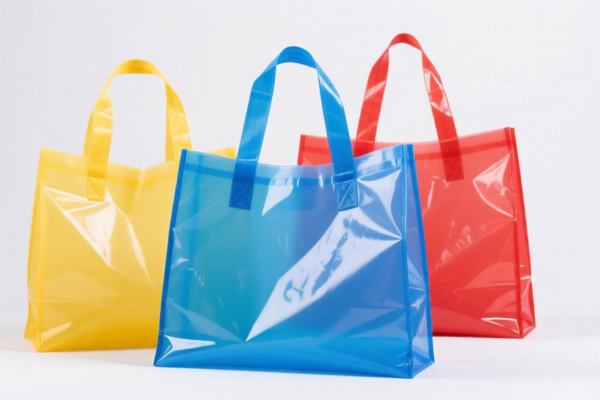
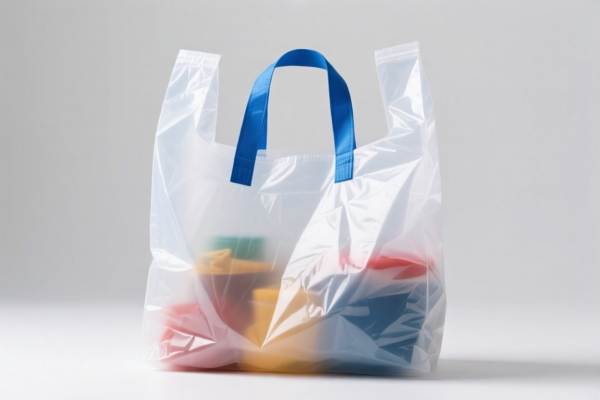
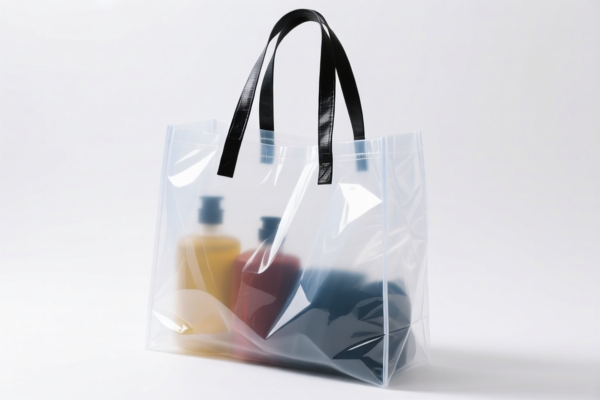
Promotional Plastic Handbag
CN → US| HS编码 | 关税税率 | 原产国 | 目的国 | 文档 |
|---|---|---|---|---|
| 3923210085 | 38.0% | CN | US | 官方文档 |
| 3923210095 | 38.0% | CN | US | 官方文档 |
| 4819400040 | 35.0% | CN | US | 官方文档 |
| 4819400020 | 35.0% | CN | US | 官方文档 |
| 3923210085 | 38.0% | CN | US | 官方文档 |
商品图片
AI分析
🛍️ Promotional Plastic Handbag (Retail & Advertising Bags)
🌐 HS Code Reference & Customs Clearance Guide | 2026 Latest Tariff Analysis | Professional Strategy
📌 I. Product Definition & Classification: What Exactly Is a "Promotional Plastic Handbag"?
A "Promotional Plastic Handbag" in international trade is broadly categorized into two main material types: Pure Plastic and Paper/Composite. The classification hinges entirely on the primary material and the specific structure (e.g., presence of handles).
1. Pure Plastic Bags (PE/PP/EVA):
- Made entirely of plastics (polyethylene is most common).
- Often used for retail packaging, shopping, or branded giveaways.
- Must be classified under Chapter 39.
2. Paper or Composite Bags:
- Made of paper, paperboard, or plastic-coated paper.
- Often used for advertising, luxury retail, or eco-friendly branding.
- Must be classified under Chapter 48.
⚠️ Key Distinction Point:
- If the bag is 100% plastic (even with a plastic handle) → HS 3923.21.
- If the bag is Paper or Paper-Plastic Composite (even if it has plastic printing/lamination) → HS 4819.40.
📦 II. HS Code Classification Details (2026 Latest Tariff Reference)
Based on the provided data, here are the precise HS Codes and their corresponding tax implications for Chinese-origin goods importing into the US.
| HS Code | Product Description | Material/Structure | Primary Use |
|---|---|---|---|
3923.21.00.85 |
Handled Plastic Bags | Pure Plastic (Polyethylene), with handles | Retail Packaging, Shopping |
3923.21.00.95 |
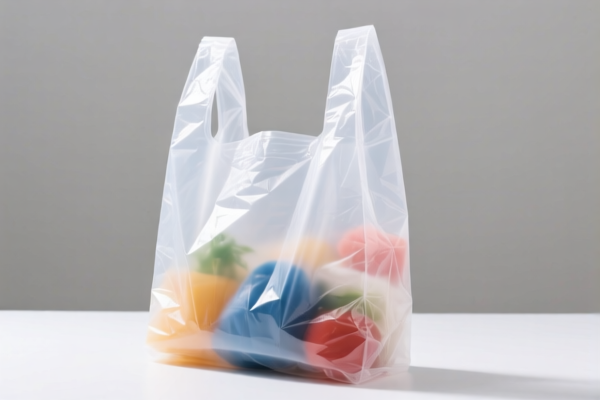
Unhandled Plastic Bags | Plastic (Ethylene Polymers), generic bag shape | General Packaging, Wholesale |
4819.40.00.40 |
Paper Handled Bags | Paper or Paper-Plastic Composite, with handles | Retail, Advertising, General Use |
4819.40.00.20 |
Paper/Composite Advertising Bags | Paper/Composite material, specifically for advertising | Branding, Promotional Carry |
🔍 Crucial Note:
-3923.21.00.85is the most common code for branded promotional plastic bags with handles. -3923.21.00.95is for plastic bags without prominent handles or generic plastic bags. -4819.40series applies if the bag is primarily paper (even if it has a plastic liner or coating). Do not misclassify paper bags as plastic to avoid customs penalties.
💰 III. 2026 Latest Tariff Rate Breakdown (Including Surcharges)
✅ Applicable Country: United States (US)
✅ Country of Origin: China (CN)
✅ Effective Date: 2025/2026 (Current Trade Policies)
The total tax burden is high due to multiple layers of tariffs. Below is the detailed breakdown for each HS Code.
🎯 1. 3923.21.00.85 & 3923.21.00.95 —— Pure Plastic Bags
These two codes share the exact same tax structure.
| Item | Rate/Amount | Explanation |
|---|---|---|
| Base Tariff | 3.0% | Standard Most Favored Nation (MFN) rate |
| Section 301 Surcharge | +25.0% | Additional tariff on Chinese goods (Trade War) |
| Section 122 Tariff | +10.0% | Additional levy on specific plastic/packaging items |
| Total Effective Rate | 38.0% | 3% + 25% + 10% |
| Calculation Basis | CIF Value × 38% | Calculated on Cost, Insurance, and Freight |
| De Minimis Exemption | ❌ NOT Applicable | Packages under $800 do not qualify for exemption |
📌 Legal Basis Path:
Base Rate→Section 301 (Footnote 9903.88.01)→Section 122 (Specific Plastic Goods)
Total Tax Impact: 38%. This is a very high cost for low-value items like bags. Profit margins will be severely compressed.
🎯 2. 4819.40.00.40 & 4819.40.00.20 —— Paper/Composite Bags
Although the base tariff is lower, the surcharges remain significant.
| Item | Rate/Amount | Explanation |
|---|---|---|
| Base Tariff | 0.0% | Duty-free for many paper bags (MFN) |
| Section 301 Surcharge | +25.0% | Additional tariff on Chinese goods (Trade War) |
| Section 122 Tariff | +10.0% | Additional levy on specific packaging items |
| Total Effective Rate | 35.0% | 0% + 25% + 10% |
| Calculation Basis | CIF Value × 35% | Calculated on Cost, Insurance, and Freight |
| De Minimis Exemption | ❌ NOT Applicable | Packages under $800 do not qualify for exemption |
📌 Comparison:
- Plastic bags (3923...) = 38% Total Tax
- Paper bags (4819...) = 35% Total Tax
- Savings: 3% per unit.
- Note: While saving 3% seems small, for bulk shipments, it adds up. However, paper bags often have higher manufacturing/logistics costs (bulkier, heavier), so total landed cost must be evaluated holistically.
🛠️ IV. Customs Clearance Practical Advice (Avoid Pitfalls)
✅ 1. Mandatory Documentation Checklist
| Document | Required? | Details |
|---|---|---|
| Commercial Invoice | ✅ | Must clearly state "Plastic Handbag" or "Paper Bag", Material Composition, and Country of Origin: China. |
| Product Photos | ✅ | Show the bag clearly, including handles, logos, and material texture. |
| Bill of Lading/Air Waybill | ✅ | Consignee and Shipper details must match invoice. |
| Material Declaration | ✅ | Specify if PE, PP, or Paper. Misdeclaring paper as plastic can lead to fines. |
| ISF Filing (10+2) | ✅ | Must be filed 24 hours before loading for ocean freight. |
✅ 2. Declaration Tips (Critical Keywords)
🔥 "Material Matters: Plastic vs. Paper"
| Scenario | Correct Declaration | Incorrect Declaration | Risk |
|---|---|---|---|
| Plastic Bag with Handle | Handled Plastic Bag, PE Material, Retail Packaging |
Paper Bag or Textile Bag |
Customs Audit & Penalties |
| Plastic Bag Without Handle | Plastic Bag, Ethylene Polymer, Unhandled |
Handled Bag |
Wrong HS Code → 38% vs 38% (Same tax, but accuracy matters) |
| Paper Bag with Plastic Coating | Paper Bag, Plastic-Coated, Advertising Use |
Pure Plastic Bag |
Misclassification → Potential Fraud |
| Composite Bag (Paper + Plastic) | Paper-Plastic Composite Bag |
Pure Plastic Bag |
Audit Trigger |
✅ 3. Special Handling for Promotional Items
- Logo/Branding: If the bag is customized with a company logo, ensure the invoice description includes "Promotional Item" or "Advertising Material" if applicable, but do not change the material description.
- Bulk vs. Individual: For de minimis ($800) shipments, remember that plastic/paper goods from China are often excluded from de minimis exemptions due to specific trade actions. Even small shipments may face the 35-38% tax.
- Section 122 Tariff: This 10% surcharge is specific to certain plastic/packaging categories. Ensure your customs broker is aware of this to avoid underpayment.
🌍 V. Global Market Comparison (2026)
| Region | Recommended HS Code | Total Tax (China Origin) | Key Requirement |
|---|---|---|---|
| 🇺🇸 USA | 3923.21.00.85 (Plastic) 4819.40.00.40 (Paper) |
38% (Plastic) 35% (Paper) |
No De Minimis Exemption. High scrutiny on origin. |
| 🇨🇳 China | 3923.21 4819.40 |
0-9% (Export/Import varies) | Standard export declaration. |
| 🇪🇺 EU | 3923.21 4819.40 |
6-7% (Standard) | No Section 301/122. EPR (Extended Producer Responsibility) registration required for plastic packaging. |
| 🇬🇧 UK | 3923.21 4819.40 |
6-7% | Post-Brexit rules apply. Packaging waste regulations. |
📌 Conclusion:
- The US market is the most expensive for Chinese-made bags due to Section 301 (25%) + Section 122 (10%).
- Paper bags save 3% in tariffs but may incur higher logistics costs.
- EU/UK do not apply these punitive tariffs, making them more attractive for price-sensitive promotions, provided you comply with strict plastic waste/EPR regulations.
📌 VI. Common Mistakes & Pitfalls (Blood & Tears Lessons)
❌ Mistake 1: Declaring "Plastic Bag" when it is actually "Paper Bag"
👉 Consequence: Customs reclassifies, issues back taxes + penalties, and delays shipment.
✅ Fix: Accurate material identification is non-negotiable.
❌ Mistake 2: Assuming De Minimis ($800) applies to plastic bags
👉 Consequence: Package is held, taxed at 38%, and storage fees accumulate.
✅ Fix: Plan for full tariff payment even for small samples.
❌ Mistake 3: Ignoring Section 122 Tariff
👉 Consequence: Underpayment of 10% leads to audit.
✅ Fix: Ensure broker applies all surcharges correctly.
❌ Mistake 4: Using vague descriptions like "Bag" or "Package"
👉 Consequence: Customs flags for manual inspection, causing delays.
✅ Fix: Use precise terms: "Handled Plastic Bag, PE, Retail Packaging".
🎯 VII. Conclusion: Smart Sourcing & Declaration
🎯 Key Takeaway:
🔹 "Plastic Bags from China to US = 38% Tax."
🔹 "Paper Bags from China to US = 35% Tax."
🔹 "No De Minimis Exemption."
🔹 "Accurate Material Declaration is Vital."
💡 Strategic Advice:
- Cost-Benefit Analysis: Calculate if switching to paper bags (35% tax) saves enough to offset higher production/shipping costs.
- Supplier Negotiation: Factor the 35-38% tariff into your landed cost. Do not quote FOB prices without including these duties.
- Customs Broker: Use a US-licensed customs broker who is familiar with Section 122 and Section 301 nuances for packaging goods.
- Pre-Ruling: Consider applying for a Binding Ruling if you have a large, consistent volume, to confirm HS Code classification in advance.
📌 Pro Tip:
If your business is volume-heavy, explore third-country manufacturing (e.g., Vietnam, India) for plastic bags to avoid US Section 301/122 tariffs, where applicable.
📣 Action Step:
📞 Contact your customs broker today.
📄 Verify material composition.
💰 Calculate landed cost with 38% tax.
🚀 Ensure smooth, compliant clearance!
✨ Precision in Classification, Profit in Compliance!
💼 Don’t let 38% tariffs swallow your margin!
用户评价
关于 HS 编码归类
协调制度(HS)是由世界海关组织(WCO)制定的国际贸易商品分类标准。全球 200 多个国家采用 HS 系统作为海关关税、贸易统计和进出口监管的基础。
每个 HS 编码遵循以下层级结构:
- 章(2 位)——商品大类(例如:第 84 章:机器和机械设备)
- 品目(4 位)——章内的更具体分类
- 子目(6 位)——国际通用细分,所有 WCO 成员国统一使用
- 本国细分(8-10 位)——各国自行扩展的细分编码,如美国 HTSUS 10 位编码
正确的 HS 编码归类对于顺利通关、准确缴纳关税和遵守贸易法规至关重要。错误归类可能导致海关延误、多缴关税或罚款。
从CN进口到US时,适用的关税税率可能包括:
- 最惠国(MFN)税率——适用于 WTO 成员国的标准关税税率
- 普通税率——适用于无贸易协定国家
- 贸易救济关税——附加关税,如 301 条款(反倾销)、232 条款(国家安全)或反补贴税
本页内容仅供参考。如需正式归类,请咨询当地海关或持牌报关代理。