Promotional Plastic Handbag
CN → US| HS Code | Tariff Rate | Origin | Destination | Doc |
|---|---|---|---|---|
| 3923210085 | 38.0% | CN | US | Official Doc |
| 3923210095 | 38.0% | CN | US | Official Doc |
| 4819400040 | 35.0% | CN | US | Official Doc |
| 4819400020 | 35.0% | CN | US | Official Doc |
| 3923210085 | 38.0% | CN | US | Official Doc |
Product Images
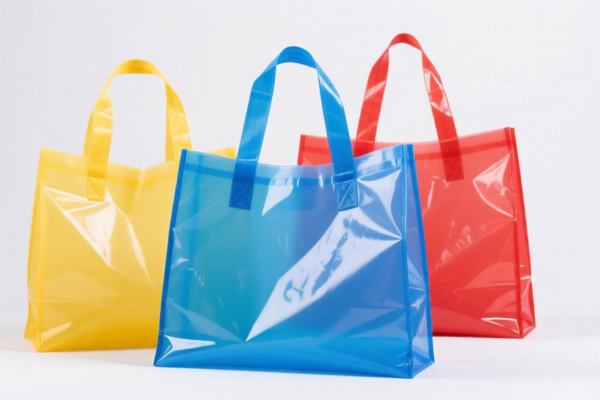
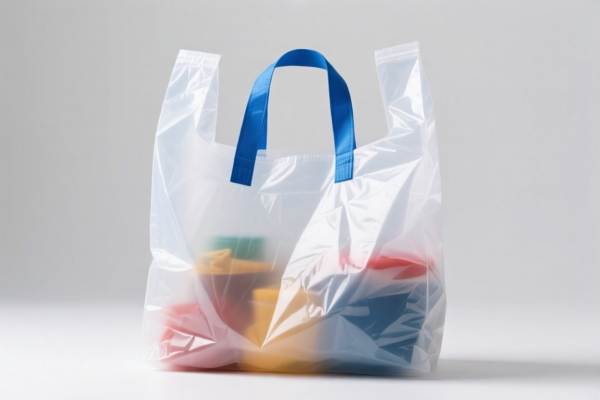
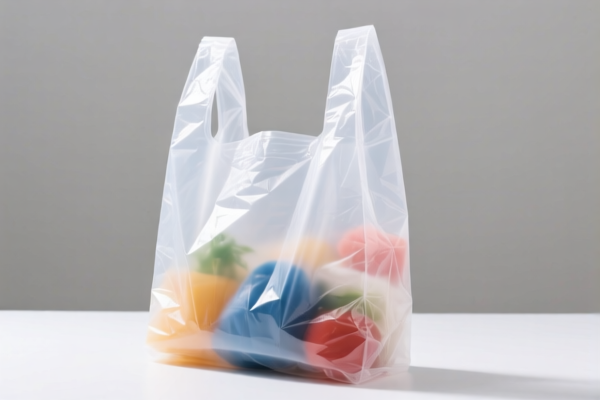
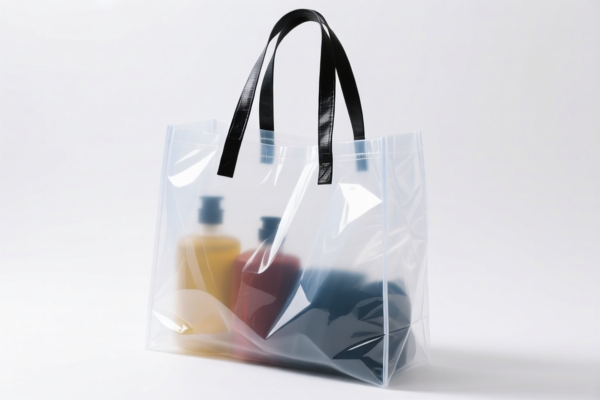
AI Analysis
🛍️ Promotional Plastic Handbag (Retail & Advertising Bags)
🌐 HS Code Reference & Customs Clearance Guide | 2026 Latest Tariff Analysis | Professional Strategy
📌 I. Product Definition & Classification: What Exactly Is a "Promotional Plastic Handbag"?
A "Promotional Plastic Handbag" in international trade is broadly categorized into two main material types: Pure Plastic and Paper/Composite. The classification hinges entirely on the primary material and the specific structure (e.g., presence of handles).
1. Pure Plastic Bags (PE/PP/EVA):
- Made entirely of plastics (polyethylene is most common).
- Often used for retail packaging, shopping, or branded giveaways.
- Must be classified under Chapter 39.
2. Paper or Composite Bags:
- Made of paper, paperboard, or plastic-coated paper.
- Often used for advertising, luxury retail, or eco-friendly branding.
- Must be classified under Chapter 48.
⚠️ Key Distinction Point:
- If the bag is 100% plastic (even with a plastic handle) → HS 3923.21.
- If the bag is Paper or Paper-Plastic Composite (even if it has plastic printing/lamination) → HS 4819.40.
📦 II. HS Code Classification Details (2026 Latest Tariff Reference)
Based on the provided data, here are the precise HS Codes and their corresponding tax implications for Chinese-origin goods importing into the US.
| HS Code | Product Description | Material/Structure | Primary Use |
|---|---|---|---|
3923.21.00.85 |
Handled Plastic Bags | Pure Plastic (Polyethylene), with handles | Retail Packaging, Shopping |
3923.21.00.95 |
Unhandled Plastic Bags | Plastic (Ethylene Polymers), generic bag shape | General Packaging, Wholesale |
4819.40.00.40 |
Paper Handled Bags | Paper or Paper-Plastic Composite, with handles | Retail, Advertising, General Use |
4819.40.00.20 |
Paper/Composite Advertising Bags | Paper/Composite material, specifically for advertising | Branding, Promotional Carry |
🔍 Crucial Note:
-3923.21.00.85is the most common code for branded promotional plastic bags with handles. -3923.21.00.95is for plastic bags without prominent handles or generic plastic bags. -4819.40series applies if the bag is primarily paper (even if it has a plastic liner or coating). Do not misclassify paper bags as plastic to avoid customs penalties.
💰 III. 2026 Latest Tariff Rate Breakdown (Including Surcharges)
✅ Applicable Country: United States (US)
✅ Country of Origin: China (CN)
✅ Effective Date: 2025/2026 (Current Trade Policies)
The total tax burden is high due to multiple layers of tariffs. Below is the detailed breakdown for each HS Code.
🎯 1. 3923.21.00.85 & 3923.21.00.95 —— Pure Plastic Bags
These two codes share the exact same tax structure.
| Item | Rate/Amount | Explanation |
|---|---|---|
| Base Tariff | 3.0% | Standard Most Favored Nation (MFN) rate |
| Section 301 Surcharge | +25.0% | Additional tariff on Chinese goods (Trade War) |
| Section 122 Tariff | +10.0% | Additional levy on specific plastic/packaging items |
| Total Effective Rate | 38.0% | 3% + 25% + 10% |
| Calculation Basis | CIF Value × 38% | Calculated on Cost, Insurance, and Freight |
| De Minimis Exemption | ❌ NOT Applicable | Packages under $800 do not qualify for exemption |
📌 Legal Basis Path:
Base Rate→Section 301 (Footnote 9903.88.01)→Section 122 (Specific Plastic Goods)
Total Tax Impact: 38%. This is a very high cost for low-value items like bags. Profit margins will be severely compressed.
🎯 2. 4819.40.00.40 & 4819.40.00.20 —— Paper/Composite Bags
Although the base tariff is lower, the surcharges remain significant.
| Item | Rate/Amount | Explanation |
|---|---|---|
| Base Tariff | 0.0% | Duty-free for many paper bags (MFN) |
| Section 301 Surcharge | +25.0% | Additional tariff on Chinese goods (Trade War) |
| Section 122 Tariff | +10.0% | Additional levy on specific packaging items |
| Total Effective Rate | 35.0% | 0% + 25% + 10% |
| Calculation Basis | CIF Value × 35% | Calculated on Cost, Insurance, and Freight |
| De Minimis Exemption | ❌ NOT Applicable | Packages under $800 do not qualify for exemption |
📌 Comparison:
- Plastic bags (3923...) = 38% Total Tax
- Paper bags (4819...) = 35% Total Tax
- Savings: 3% per unit.
- Note: While saving 3% seems small, for bulk shipments, it adds up. However, paper bags often have higher manufacturing/logistics costs (bulkier, heavier), so total landed cost must be evaluated holistically.
🛠️ IV. Customs Clearance Practical Advice (Avoid Pitfalls)
✅ 1. Mandatory Documentation Checklist
| Document | Required? | Details |
|---|---|---|
| Commercial Invoice | ✅ | Must clearly state "Plastic Handbag" or "Paper Bag", Material Composition, and Country of Origin: China. |
| Product Photos | ✅ | Show the bag clearly, including handles, logos, and material texture. |
| Bill of Lading/Air Waybill | ✅ | Consignee and Shipper details must match invoice. |
| Material Declaration | ✅ | Specify if PE, PP, or Paper. Misdeclaring paper as plastic can lead to fines. |
| ISF Filing (10+2) | ✅ | Must be filed 24 hours before loading for ocean freight. |
✅ 2. Declaration Tips (Critical Keywords)
🔥 "Material Matters: Plastic vs. Paper"
| Scenario | Correct Declaration | Incorrect Declaration | Risk |
|---|---|---|---|
| Plastic Bag with Handle | Handled Plastic Bag, PE Material, Retail Packaging |
Paper Bag or Textile Bag |
Customs Audit & Penalties |
| Plastic Bag Without Handle | Plastic Bag, Ethylene Polymer, Unhandled |
Handled Bag |
Wrong HS Code → 38% vs 38% (Same tax, but accuracy matters) |
| Paper Bag with Plastic Coating | Paper Bag, Plastic-Coated, Advertising Use |
Pure Plastic Bag |
Misclassification → Potential Fraud |
| Composite Bag (Paper + Plastic) | Paper-Plastic Composite Bag |
Pure Plastic Bag |
Audit Trigger |
✅ 3. Special Handling for Promotional Items
- Logo/Branding: If the bag is customized with a company logo, ensure the invoice description includes "Promotional Item" or "Advertising Material" if applicable, but do not change the material description.
- Bulk vs. Individual: For de minimis ($800) shipments, remember that plastic/paper goods from China are often excluded from de minimis exemptions due to specific trade actions. Even small shipments may face the 35-38% tax.
- Section 122 Tariff: This 10% surcharge is specific to certain plastic/packaging categories. Ensure your customs broker is aware of this to avoid underpayment.
🌍 V. Global Market Comparison (2026)
| Region | Recommended HS Code | Total Tax (China Origin) | Key Requirement |
|---|---|---|---|
| 🇺🇸 USA | 3923.21.00.85 (Plastic) 4819.40.00.40 (Paper) |
38% (Plastic) 35% (Paper) |
No De Minimis Exemption. High scrutiny on origin. |
| 🇨🇳 China | 3923.21 4819.40 |
0-9% (Export/Import varies) | Standard export declaration. |
| 🇪🇺 EU | 3923.21 4819.40 |
6-7% (Standard) | No Section 301/122. EPR (Extended Producer Responsibility) registration required for plastic packaging. |
| 🇬🇧 UK | 3923.21 4819.40 |
6-7% | Post-Brexit rules apply. Packaging waste regulations. |
📌 Conclusion:
- The US market is the most expensive for Chinese-made bags due to Section 301 (25%) + Section 122 (10%).
- Paper bags save 3% in tariffs but may incur higher logistics costs.
- EU/UK do not apply these punitive tariffs, making them more attractive for price-sensitive promotions, provided you comply with strict plastic waste/EPR regulations.
📌 VI. Common Mistakes & Pitfalls (Blood & Tears Lessons)
❌ Mistake 1: Declaring "Plastic Bag" when it is actually "Paper Bag"
👉 Consequence: Customs reclassifies, issues back taxes + penalties, and delays shipment.
✅ Fix: Accurate material identification is non-negotiable.
❌ Mistake 2: Assuming De Minimis ($800) applies to plastic bags
👉 Consequence: Package is held, taxed at 38%, and storage fees accumulate.
✅ Fix: Plan for full tariff payment even for small samples.
❌ Mistake 3: Ignoring Section 122 Tariff
👉 Consequence: Underpayment of 10% leads to audit.
✅ Fix: Ensure broker applies all surcharges correctly.
❌ Mistake 4: Using vague descriptions like "Bag" or "Package"
👉 Consequence: Customs flags for manual inspection, causing delays.
✅ Fix: Use precise terms: "Handled Plastic Bag, PE, Retail Packaging".
🎯 VII. Conclusion: Smart Sourcing & Declaration
🎯 Key Takeaway:
🔹 "Plastic Bags from China to US = 38% Tax."
🔹 "Paper Bags from China to US = 35% Tax."
🔹 "No De Minimis Exemption."
🔹 "Accurate Material Declaration is Vital."
💡 Strategic Advice:
- Cost-Benefit Analysis: Calculate if switching to paper bags (35% tax) saves enough to offset higher production/shipping costs.
- Supplier Negotiation: Factor the 35-38% tariff into your landed cost. Do not quote FOB prices without including these duties.
- Customs Broker: Use a US-licensed customs broker who is familiar with Section 122 and Section 301 nuances for packaging goods.
- Pre-Ruling: Consider applying for a Binding Ruling if you have a large, consistent volume, to confirm HS Code classification in advance.
📌 Pro Tip:
If your business is volume-heavy, explore third-country manufacturing (e.g., Vietnam, India) for plastic bags to avoid US Section 301/122 tariffs, where applicable.
📣 Action Step:
📞 Contact your customs broker today.
📄 Verify material composition.
💰 Calculate landed cost with 38% tax.
🚀 Ensure smooth, compliant clearance!
✨ Precision in Classification, Profit in Compliance!
💼 Don’t let 38% tariffs swallow your margin!
Customer Reviews
About HS Code Classification
The Harmonized System (HS) is an internationally standardized nomenclature developed by the World Customs Organization (WCO) to classify traded products. Over 200 countries use the HS system as the basis for customs tariffs, trade statistics, and import/export regulations.
Each HS code follows a hierarchical structure:
- Chapter (2 digits) — Broad category of goods (e.g., Chapter 84: Machinery and Mechanical Appliances)
- Heading (4 digits) — More specific grouping within the chapter
- Subheading (6 digits) — Internationally standardized breakdown, used by all WCO member countries
- National subdivisions (8-10 digits) — Country-specific extensions for further classification, such as US HTSUS 10-digit codes
Correct HS code classification is essential for smooth customs clearance, accurate duty payment, and compliance with trade regulations. Misclassification can lead to customs delays, overpayment of duties, or penalties.
When importing from CN to US, the applicable tariff rates may include:
- Most-Favored-Nation (MFN) rate — The standard duty rate applied to WTO members
- General rate — Applied to countries without trade agreements
- Trade remedy duties — Additional tariffs such as Section 301 (anti-dumping), Section 232 (national security), or countervailing duties
The information provided on this page is for reference purposes only. For official classification, please consult with your local customs authority or a licensed customs broker.