Pulp Cosmetic Box
CN → US| HS编码 | 关税税率 | 原产国 | 目的国 | 文档 |
|---|---|---|---|---|
| 4823901000 | 35.0% | CN | US | 官方文档 |
| 4823700040 | 35.0% | CN | US | 官方文档 |
| 3926400090 | 15.3% | CN | US | 官方文档 |
| 3926909989 | 22.8% | CN | US | 官方文档 |
商品图片
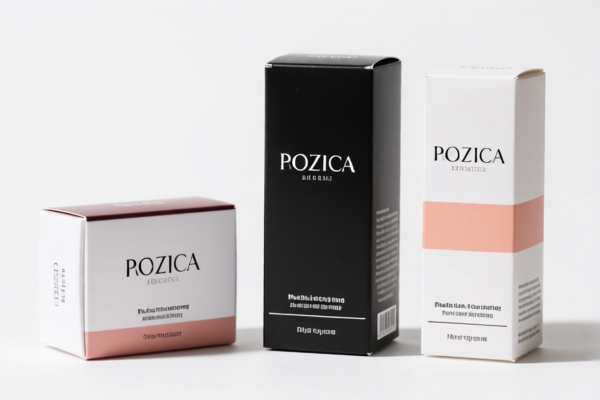
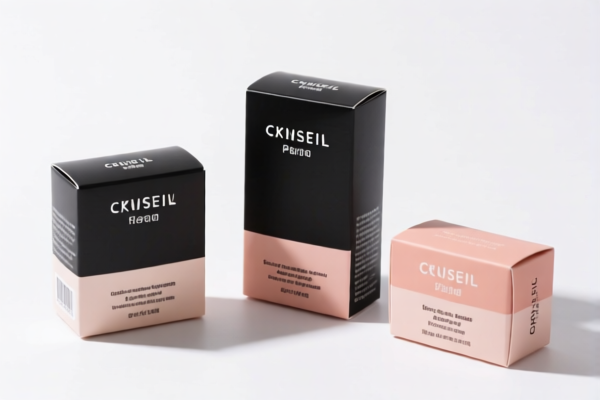
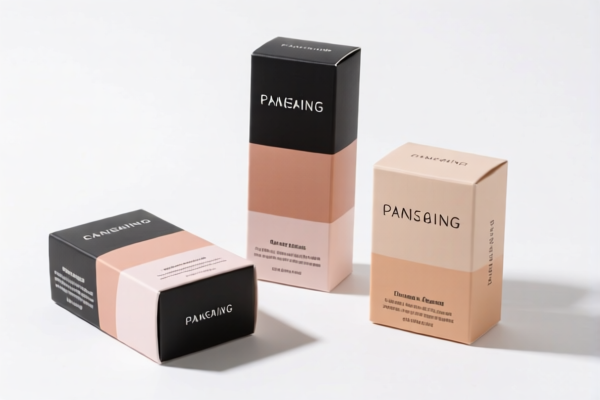
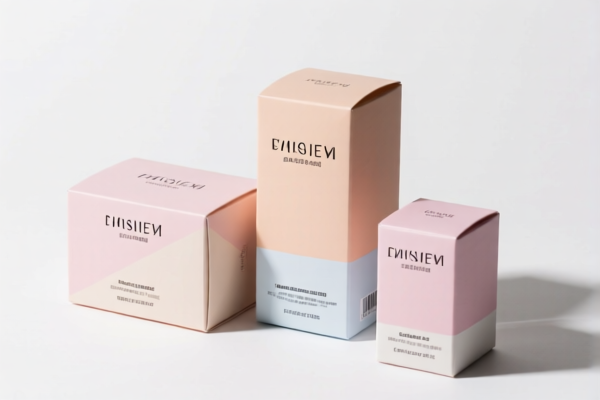
AI分析
📦 Pulp Cosmetic Box (Paper Pulp Jewelry/Cosmetic Box)
🌐 HS Code Reference & Customs Clearance Guide | 2026 Latest Tariff Analysis | Professional Clearance Strategy
📌 I. Product Definition & Classification: What is a "Pulp Cosmetic Box"?
A Pulp Cosmetic Box (often interchangeably referred to as a Pulp Jewelry Box in trade data) is an eco-friendly packaging solution primarily made from pulp, recycled paper, or cellulose fibers. These boxes are molded or pressed into shape, offering a biodegradable alternative to plastic or rigid cardboard.
In international trade, these products fall into distinct HS Code categories based on their material composition (pure pulp vs. composite/mixed materials) and manufacturing process (molded vs. general non-metallic articles).
⚠️ Key Distinction Point:
- If the box is 100% pulp/paper-based (molded or pressed), it falls under Chapter 48 (Paper/Paperboard).
- If the box contains plastic coatings, composite layers, or non-paper elements, it may be classified under Chapter 39 (Plastics/Plastic Articles) or general Other Articles.
- Critical Factor: The presence of significant non-pulp materials can shift the classification from 0% base duty to higher tiers.
📦 II. HS Code Classification Details (2026 Latest Tariff Authority Comparison)
| HS Code | Product Description | Material Composition | Key Characteristics |
|---|---|---|---|
4823.90.10.00 |
Pulp-made Jewelry/Cosmetic Boxes | Core Material: Pulp/Paper | Pure paper pulp composition; strictly paper-based article. |
4823.70.00.40 |
Molded/Pressed Pulp Articles (Non-Bowl/Cup) | Molded Pulp | Shape is a box; explicitly NOT bowls, plates, or cups (which have different duties). |
3926.40.00.90 |
Decorative Other Articles | Non-metallic/Composite | If the box is treated as a decorative item made from mixed/non-paper materials. |
3926.90.99.89 |
Other Plastic/Cellulose Articles | Cellulose-based Composite | If the product is deemed a "other article" made from cellulose/plastic mix, with no obvious material conflict. |
🔍 Important Note:
- Chapter 48 Codes (4823...) are for pure paper/pulp products. These generally have 0% Base Tariff but face heavy US-specific surcharges.
- Chapter 39 Codes (3926...) are for plastic/composite products. These have a 5.3% Base Tariff but may have lower surcharge rates depending on the specific sub-classification.
💰 III. 2026 Latest Tariff Rate Breakdown (Including Additional Taxes & Policies)
✅ Applicable Country: United States (US)
✅ Country of Origin: China (CN)
✅ Effective Time: From November 10, 2025 (including subsequent imports)
🎯 1. 4823.90.10.00 & 4823.70.00.40 —— Pure Pulp/Paper Boxes
These two codes represent the purest form of the product. Both carry the same tax structure.
| Item | Content |
|---|---|
| Base Tariff | 0.0% (Ad Valorem) |
| Section 301 Additional Tariff | +25.0% |
| IEEPA Section 122 Tariff | +10.0% (Specific to Chinese goods under this provision) |
| Total Tax Rate | 35.0% |
| Tax Calculation | CIF Value × 35% |
| De Minimis Exemption | ❌ Not Eligible (deny_de_minimis) |
| Legal Basis Path | USITC:4823.xxxxxxx → Footnote:301_Section → IEEPA:122 |
📌 Explanation:
- The 25% Section 301 tariff is the standard additional duty for many Chinese paper/pulp products.
- The 10% IEEPA 122 tariff is an additional layer imposed on specific Chinese imports.
- Total: 35%. This is a high tariff category. Despite 0% base duty, the surcharges make it expensive.
🎯 2. 3926.40.00.90 —— Decorative Composite/Non-Metallic Articles
If your box is classified as a decorative item with composite materials (e.g., plastic-coated pulp, or mixed material structure), it falls here.
| Item | Content |
|---|---|
| Base Tariff | 5.3% |
| Section 301 Additional Tariff | 0.0% |
| IEEPA Section 122 Tariff | +10.0% |
| Total Tax Rate | 15.3% |
| Tax Calculation | CIF Value × 15.3% |
| De Minimis Exemption | ❌ Not Eligible (deny_de_minimis) |
| Legal Basis Path | USITC:3926.40.00.90 → IEEPA:122 |
📌 Explanation:
- Crucial Advantage: This code has 0% Section 301 additional tariff.
- The base duty is higher (5.3%), but the total effective rate (15.3%) is significantly lower than the pure pulp code (35.0%).
- This classification is often used for products with plastic components, coatings, or mixed materials that prevent them from being classified as "pure paper."
🎯 3. 3926.90.99.89 —— Other Cellulose/Plastic Articles
This is a residual code for articles made of cellulose or plastics not specifically listed elsewhere.
| Item | Content |
|---|---|
| Base Tariff | 5.3% |
| Section 301 Additional Tariff | +7.5% |
| IEEPA Section 122 Tariff | +10.0% |
| Total Tax Rate | 22.8% |
| Tax Calculation | CIF Value × 22.8% |
| De Minimis Exemption | ❌ Not Eligible (deny_de_minimis) |
| Legal Basis Path | USITC:3926.90.99.89 → Section 301 → IEEPA:122 |
📌 Explanation:
- This code incurs a partial Section 301 tariff (7.5%).
- Total rate is 22.8%, which is better than pure pulp (35%) but worse than decorative composite (15.3%).
- Use this only if the product doesn't fit the "decorative" definition of 3926.40 but is clearly not pure paper.
🛠️ IV. Customs Clearance Practical Advice (Battle-Tested Pitfall Avoidance)
✅ 1. Essential Documentation Checklist (Mandatory)
| Document | Required | Description |
|---|---|---|
| ✅ Product Specification Sheet | ✔️ | Must detail: Material composition (e.g., "100% Recycled Pulp" vs. "Pulp with PLA Coating"). |
| ✅ Material Composition Breakdown | ✔️ | Critical: Percentage of paper vs. plastic/coating. This determines if you qualify for Chapter 39 (lower tax) or Chapter 48 (higher tax). |
| ✅ Product Photos (Clear) | ✔️ | Show texture, seams, and any plastic linings or coatings. |
| ✅ Commercial Invoice | ✔️ | Must clearly state "Pulp Cosmetic Box" or "Molded Pulp Packaging." Avoid vague terms like "Gift Box." |
| ✅ Packing List | ✔️ | List weights and dimensions accurately. |
| ✅ Third-Party Test Report | ✔️ | If claiming "Biodegradable" or "Compostable," provide certificates (e.g., BPI, TUV). |
✅ 2. Declaration Strategy (Key Mantra)
🔥 "Material Defines Code, Coating Saves Tax, Be Specific, Avoid Penalty!"
| Scenario | Correct Declaration | Incorrect Declaration | Consequence of Error |
|---|---|---|---|
| Pure Pulp Box (No plastic) | HS 4823.90.10.00 or 4823.70.00.40Tax: 35% |
HS 3926.40.00.90 |
Under-declaration. If inspected, you owe the difference + penalties. |
| Plastic-Coated Pulp Box | HS 3926.40.00.90Tax: 15.3% |
HS 4823.90.10.00 |
Over-declaration. You pay 35% instead of 15.3%. Wasted cost. |
| Mixed Material Box (Cellulose/Plastic) | HS 3926.90.99.89Tax: 22.8% |
Generic "Packaging" | Customs Delay. Requires detailed analysis to classify correctly. |
| Jewelry Box (Non-Pulp) | HS 4202 or 4602 (Not in current list) |
Any Pulp Code | Wrong Classification. Different tariff structure entirely. |
✅ 3. Special Circumstances Handling
| Situation | Handling Advice |
|---|---|
| PLA (Polylactic Acid) Coating | If the pulp is coated with biodegradable PLA, some customs officials may still classify it as Paper (Chapter 48), leading to 35% tax. To qualify for 15.3% (Chapter 39), you may need to prove the coating is significant enough to change the essential character, or consult a broker for a pre-ruling. |
| OEM Custom Boxes | Provide design files and material specs. If the customer provides the pulp material and you only mold it, ensure the invoice reflects processing fees, not just goods value. |
| Composite Materials | If the box has a plastic hinge, metal clasp, or plastic insert, the Chapter 39 codes (3926...) are more appropriate. Do not use Chapter 48 if non-paper elements are structurally integral. |
| "Biodegradable" Claims | Ensure your BPI or OK Compost certificate is available. Without it, customs may reject the "eco-friendly" narrative and scrutinize the plastic content, potentially leading to misclassification. |
🌍 V. Global Market Comparison (2026 Latest)
| Country/Region | Recommended HS Code | Total Tax Rate (China Origin) | Key Certification | Notes |
|---|---|---|---|---|
| 🇺🇸 USA | 3926.40.00.90 (If possible) |
15.3% | FCC (if electronic parts), RoHS | Best Option: Avoid 4823 (35%) if product has any coating/composite. |
| 🇺🇸 USA | 4823.90.10.00 (Pure Pulp) |
35.0% | FSC Certification | High Cost: Only use if truly 100% pulp and no plastic. |
| 🇪🇺 EU | 4823.90 or 3926.90 |
Varies (0-6.5%) | CE, REACH, EPR | No Section 301 tariffs. Focus on EPR (Extended Producer Responsibility) compliance. |
| 🇨🇳 China | 4823.90.10.00 |
5-10% (Import Duty) | CCC (if applicable) | Lower base duties, but no US surcharges. |
📌 Conclusion:
- USA Market is High-Risk/High-Cost: The difference between 15.3% and 35% is massive.
- Strategy: If your product has any plastic coating, lining, or composite layer, aggressively pursue classification under3926.40.00.90to save 19.7% in duties.
- Pure Pulp: Only accept the 35% duty if your product is genuinely 100% pulp and you want to market it as "100% Paper-Based."
📌 VI. Common Mistakes & Pitfalls (Lessons Learned)
❌ Mistake 1: Declaring a plastic-coated pulp box as 4823.90.10.00 (Pure Pulp)
👉 Result: Customs may audit and demand 35% instead of 15.3%, or reject the entry for misclassification.
👉 Fix: Provide material breakdown showing significant plastic/coating content to justify Chapter 39.
❌ Mistake 2: Using "Gift Box" as the product name
👉 Result: Ambiguity. Customs may assign a random HS code with higher duties.
👉 Fix: Use "Molded Pulp Cosmetic Container" or "Pulp Cosmetic Box" with clear material specs.
❌ Mistake 3: Ignoring the "122 Tariff" (IEEPA)
👉 Result: Surprise cost. Both Chapter 48 and 39 codes here include 10% IEEPA 122 tariff.
👉 Fix: Factor this 10% into your pricing model regardless of the base tariff.
❌ Mistake 4: Assuming "Biodegradable" means Lower Duty
👉 Result: False hope. US tariffs are based on material origin and type, not environmental impact.
👉 Fix: Focus on material composition (Paper vs. Plastic) to choose the lowest HS code.
🎯 VII. Conclusion: Professional Declaration, Maximize Profit!
🎯 Remember the Mantra:
🔹 "Check the Coating, Choose Chapter 39, Save 19.7%! Pure Pulp Pays 35%, Composite Wins at 15.3%."
🔹 "Material Specs are King, Product Names are King, Get Pre-Ruling for Peace of Mind."
📌 Pro Tip:
If your pulp box has a thin plastic liner (e.g., for moisture resistance), consult with your customs broker immediately. There may be a case to classify it under 3926.40.00.90 (15.3%) instead of 4823 (35%). This small difference can save you thousands of dollars on large shipments.
📣 Immediate Action:
📞 Contact Your Customs Broker: Provide the material composition report.
📄 Request an Advance Ruling (Isruling): If shipping large volumes, get a binding opinion on whether your coated pulp box qualifies for the lower 15.3% rate.
🚀 Optimize Your Supply Chain: Ensure your suppliers label materials accurately to support the correct HS Code declaration.
✨ Professional Clearance Starts with Precise Classification!
💼 Every Dollar Saved in Duty is Pure Profit!
用户评价
关于 HS 编码归类
协调制度(HS)是由世界海关组织(WCO)制定的国际贸易商品分类标准。全球 200 多个国家采用 HS 系统作为海关关税、贸易统计和进出口监管的基础。
每个 HS 编码遵循以下层级结构:
- 章(2 位)——商品大类(例如:第 84 章:机器和机械设备)
- 品目(4 位)——章内的更具体分类
- 子目(6 位)——国际通用细分,所有 WCO 成员国统一使用
- 本国细分(8-10 位)——各国自行扩展的细分编码,如美国 HTSUS 10 位编码
正确的 HS 编码归类对于顺利通关、准确缴纳关税和遵守贸易法规至关重要。错误归类可能导致海关延误、多缴关税或罚款。
从CN进口到US时,适用的关税税率可能包括:
- 最惠国(MFN)税率——适用于 WTO 成员国的标准关税税率
- 普通税率——适用于无贸易协定国家
- 贸易救济关税——附加关税,如 301 条款(反倾销)、232 条款(国家安全)或反补贴税
本页内容仅供参考。如需正式归类,请咨询当地海关或持牌报关代理。