Pulp Cosmetic Box
CN → US| HS Code | Tariff Rate | Origin | Destination | Doc |
|---|---|---|---|---|
| 4823901000 | 35.0% | CN | US | Official Doc |
| 4823700040 | 35.0% | CN | US | Official Doc |
| 3926400090 | 15.3% | CN | US | Official Doc |
| 3926909989 | 22.8% | CN | US | Official Doc |
Product Images
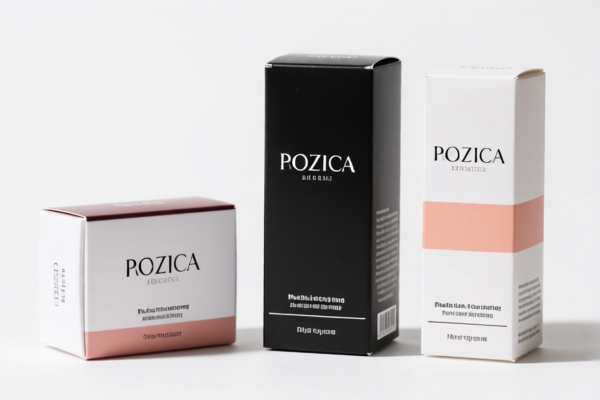
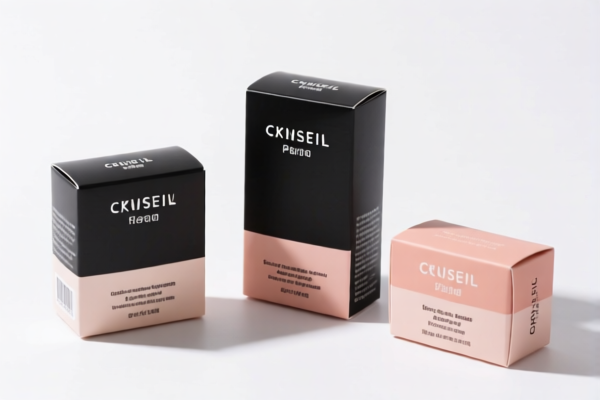
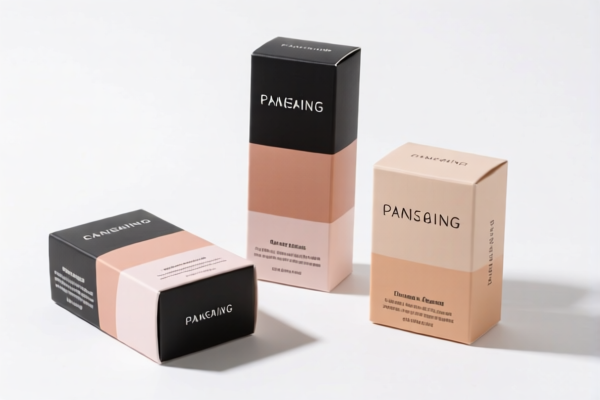
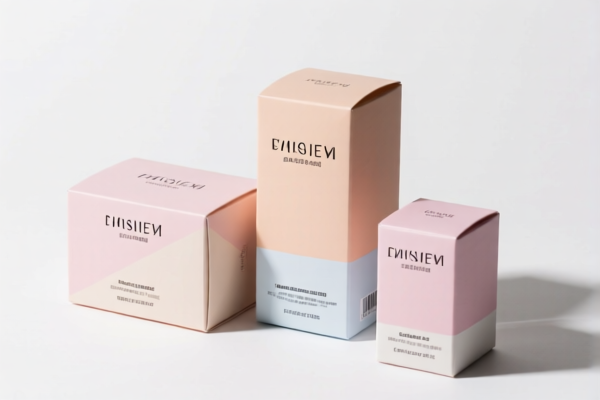
AI Analysis
📦 Pulp Cosmetic Box (Paper Pulp Jewelry/Cosmetic Box)
🌐 HS Code Reference & Customs Clearance Guide | 2026 Latest Tariff Analysis | Professional Clearance Strategy
📌 I. Product Definition & Classification: What is a "Pulp Cosmetic Box"?
A Pulp Cosmetic Box (often interchangeably referred to as a Pulp Jewelry Box in trade data) is an eco-friendly packaging solution primarily made from pulp, recycled paper, or cellulose fibers. These boxes are molded or pressed into shape, offering a biodegradable alternative to plastic or rigid cardboard.
In international trade, these products fall into distinct HS Code categories based on their material composition (pure pulp vs. composite/mixed materials) and manufacturing process (molded vs. general non-metallic articles).
⚠️ Key Distinction Point:
- If the box is 100% pulp/paper-based (molded or pressed), it falls under Chapter 48 (Paper/Paperboard).
- If the box contains plastic coatings, composite layers, or non-paper elements, it may be classified under Chapter 39 (Plastics/Plastic Articles) or general Other Articles.
- Critical Factor: The presence of significant non-pulp materials can shift the classification from 0% base duty to higher tiers.
📦 II. HS Code Classification Details (2026 Latest Tariff Authority Comparison)
| HS Code | Product Description | Material Composition | Key Characteristics |
|---|---|---|---|
4823.90.10.00 |
Pulp-made Jewelry/Cosmetic Boxes | Core Material: Pulp/Paper | Pure paper pulp composition; strictly paper-based article. |
4823.70.00.40 |
Molded/Pressed Pulp Articles (Non-Bowl/Cup) | Molded Pulp | Shape is a box; explicitly NOT bowls, plates, or cups (which have different duties). |
3926.40.00.90 |
Decorative Other Articles | Non-metallic/Composite | If the box is treated as a decorative item made from mixed/non-paper materials. |
3926.90.99.89 |
Other Plastic/Cellulose Articles | Cellulose-based Composite | If the product is deemed a "other article" made from cellulose/plastic mix, with no obvious material conflict. |
🔍 Important Note:
- Chapter 48 Codes (4823...) are for pure paper/pulp products. These generally have 0% Base Tariff but face heavy US-specific surcharges.
- Chapter 39 Codes (3926...) are for plastic/composite products. These have a 5.3% Base Tariff but may have lower surcharge rates depending on the specific sub-classification.
💰 III. 2026 Latest Tariff Rate Breakdown (Including Additional Taxes & Policies)
✅ Applicable Country: United States (US)
✅ Country of Origin: China (CN)
✅ Effective Time: From November 10, 2025 (including subsequent imports)
🎯 1. 4823.90.10.00 & 4823.70.00.40 —— Pure Pulp/Paper Boxes
These two codes represent the purest form of the product. Both carry the same tax structure.
| Item | Content |
|---|---|
| Base Tariff | 0.0% (Ad Valorem) |
| Section 301 Additional Tariff | +25.0% |
| IEEPA Section 122 Tariff | +10.0% (Specific to Chinese goods under this provision) |
| Total Tax Rate | 35.0% |
| Tax Calculation | CIF Value × 35% |
| De Minimis Exemption | ❌ Not Eligible (deny_de_minimis) |
| Legal Basis Path | USITC:4823.xxxxxxx → Footnote:301_Section → IEEPA:122 |
📌 Explanation:
- The 25% Section 301 tariff is the standard additional duty for many Chinese paper/pulp products.
- The 10% IEEPA 122 tariff is an additional layer imposed on specific Chinese imports.
- Total: 35%. This is a high tariff category. Despite 0% base duty, the surcharges make it expensive.
🎯 2. 3926.40.00.90 —— Decorative Composite/Non-Metallic Articles
If your box is classified as a decorative item with composite materials (e.g., plastic-coated pulp, or mixed material structure), it falls here.
| Item | Content |
|---|---|
| Base Tariff | 5.3% |
| Section 301 Additional Tariff | 0.0% |
| IEEPA Section 122 Tariff | +10.0% |
| Total Tax Rate | 15.3% |
| Tax Calculation | CIF Value × 15.3% |
| De Minimis Exemption | ❌ Not Eligible (deny_de_minimis) |
| Legal Basis Path | USITC:3926.40.00.90 → IEEPA:122 |
📌 Explanation:
- Crucial Advantage: This code has 0% Section 301 additional tariff.
- The base duty is higher (5.3%), but the total effective rate (15.3%) is significantly lower than the pure pulp code (35.0%).
- This classification is often used for products with plastic components, coatings, or mixed materials that prevent them from being classified as "pure paper."
🎯 3. 3926.90.99.89 —— Other Cellulose/Plastic Articles
This is a residual code for articles made of cellulose or plastics not specifically listed elsewhere.
| Item | Content |
|---|---|
| Base Tariff | 5.3% |
| Section 301 Additional Tariff | +7.5% |
| IEEPA Section 122 Tariff | +10.0% |
| Total Tax Rate | 22.8% |
| Tax Calculation | CIF Value × 22.8% |
| De Minimis Exemption | ❌ Not Eligible (deny_de_minimis) |
| Legal Basis Path | USITC:3926.90.99.89 → Section 301 → IEEPA:122 |
📌 Explanation:
- This code incurs a partial Section 301 tariff (7.5%).
- Total rate is 22.8%, which is better than pure pulp (35%) but worse than decorative composite (15.3%).
- Use this only if the product doesn't fit the "decorative" definition of 3926.40 but is clearly not pure paper.
🛠️ IV. Customs Clearance Practical Advice (Battle-Tested Pitfall Avoidance)
✅ 1. Essential Documentation Checklist (Mandatory)
| Document | Required | Description |
|---|---|---|
| ✅ Product Specification Sheet | ✔️ | Must detail: Material composition (e.g., "100% Recycled Pulp" vs. "Pulp with PLA Coating"). |
| ✅ Material Composition Breakdown | ✔️ | Critical: Percentage of paper vs. plastic/coating. This determines if you qualify for Chapter 39 (lower tax) or Chapter 48 (higher tax). |
| ✅ Product Photos (Clear) | ✔️ | Show texture, seams, and any plastic linings or coatings. |
| ✅ Commercial Invoice | ✔️ | Must clearly state "Pulp Cosmetic Box" or "Molded Pulp Packaging." Avoid vague terms like "Gift Box." |
| ✅ Packing List | ✔️ | List weights and dimensions accurately. |
| ✅ Third-Party Test Report | ✔️ | If claiming "Biodegradable" or "Compostable," provide certificates (e.g., BPI, TUV). |
✅ 2. Declaration Strategy (Key Mantra)
🔥 "Material Defines Code, Coating Saves Tax, Be Specific, Avoid Penalty!"
| Scenario | Correct Declaration | Incorrect Declaration | Consequence of Error |
|---|---|---|---|
| Pure Pulp Box (No plastic) | HS 4823.90.10.00 or 4823.70.00.40Tax: 35% |
HS 3926.40.00.90 |
Under-declaration. If inspected, you owe the difference + penalties. |
| Plastic-Coated Pulp Box | HS 3926.40.00.90Tax: 15.3% |
HS 4823.90.10.00 |
Over-declaration. You pay 35% instead of 15.3%. Wasted cost. |
| Mixed Material Box (Cellulose/Plastic) | HS 3926.90.99.89Tax: 22.8% |
Generic "Packaging" | Customs Delay. Requires detailed analysis to classify correctly. |
| Jewelry Box (Non-Pulp) | HS 4202 or 4602 (Not in current list) |
Any Pulp Code | Wrong Classification. Different tariff structure entirely. |
✅ 3. Special Circumstances Handling
| Situation | Handling Advice |
|---|---|
| PLA (Polylactic Acid) Coating | If the pulp is coated with biodegradable PLA, some customs officials may still classify it as Paper (Chapter 48), leading to 35% tax. To qualify for 15.3% (Chapter 39), you may need to prove the coating is significant enough to change the essential character, or consult a broker for a pre-ruling. |
| OEM Custom Boxes | Provide design files and material specs. If the customer provides the pulp material and you only mold it, ensure the invoice reflects processing fees, not just goods value. |
| Composite Materials | If the box has a plastic hinge, metal clasp, or plastic insert, the Chapter 39 codes (3926...) are more appropriate. Do not use Chapter 48 if non-paper elements are structurally integral. |
| "Biodegradable" Claims | Ensure your BPI or OK Compost certificate is available. Without it, customs may reject the "eco-friendly" narrative and scrutinize the plastic content, potentially leading to misclassification. |
🌍 V. Global Market Comparison (2026 Latest)
| Country/Region | Recommended HS Code | Total Tax Rate (China Origin) | Key Certification | Notes |
|---|---|---|---|---|
| 🇺🇸 USA | 3926.40.00.90 (If possible) |
15.3% | FCC (if electronic parts), RoHS | Best Option: Avoid 4823 (35%) if product has any coating/composite. |
| 🇺🇸 USA | 4823.90.10.00 (Pure Pulp) |
35.0% | FSC Certification | High Cost: Only use if truly 100% pulp and no plastic. |
| 🇪🇺 EU | 4823.90 or 3926.90 |
Varies (0-6.5%) | CE, REACH, EPR | No Section 301 tariffs. Focus on EPR (Extended Producer Responsibility) compliance. |
| 🇨🇳 China | 4823.90.10.00 |
5-10% (Import Duty) | CCC (if applicable) | Lower base duties, but no US surcharges. |
📌 Conclusion:
- USA Market is High-Risk/High-Cost: The difference between 15.3% and 35% is massive.
- Strategy: If your product has any plastic coating, lining, or composite layer, aggressively pursue classification under3926.40.00.90to save 19.7% in duties.
- Pure Pulp: Only accept the 35% duty if your product is genuinely 100% pulp and you want to market it as "100% Paper-Based."
📌 VI. Common Mistakes & Pitfalls (Lessons Learned)
❌ Mistake 1: Declaring a plastic-coated pulp box as 4823.90.10.00 (Pure Pulp)
👉 Result: Customs may audit and demand 35% instead of 15.3%, or reject the entry for misclassification.
👉 Fix: Provide material breakdown showing significant plastic/coating content to justify Chapter 39.
❌ Mistake 2: Using "Gift Box" as the product name
👉 Result: Ambiguity. Customs may assign a random HS code with higher duties.
👉 Fix: Use "Molded Pulp Cosmetic Container" or "Pulp Cosmetic Box" with clear material specs.
❌ Mistake 3: Ignoring the "122 Tariff" (IEEPA)
👉 Result: Surprise cost. Both Chapter 48 and 39 codes here include 10% IEEPA 122 tariff.
👉 Fix: Factor this 10% into your pricing model regardless of the base tariff.
❌ Mistake 4: Assuming "Biodegradable" means Lower Duty
👉 Result: False hope. US tariffs are based on material origin and type, not environmental impact.
👉 Fix: Focus on material composition (Paper vs. Plastic) to choose the lowest HS code.
🎯 VII. Conclusion: Professional Declaration, Maximize Profit!
🎯 Remember the Mantra:
🔹 "Check the Coating, Choose Chapter 39, Save 19.7%! Pure Pulp Pays 35%, Composite Wins at 15.3%."
🔹 "Material Specs are King, Product Names are King, Get Pre-Ruling for Peace of Mind."
📌 Pro Tip:
If your pulp box has a thin plastic liner (e.g., for moisture resistance), consult with your customs broker immediately. There may be a case to classify it under 3926.40.00.90 (15.3%) instead of 4823 (35%). This small difference can save you thousands of dollars on large shipments.
📣 Immediate Action:
📞 Contact Your Customs Broker: Provide the material composition report.
📄 Request an Advance Ruling (Isruling): If shipping large volumes, get a binding opinion on whether your coated pulp box qualifies for the lower 15.3% rate.
🚀 Optimize Your Supply Chain: Ensure your suppliers label materials accurately to support the correct HS Code declaration.
✨ Professional Clearance Starts with Precise Classification!
💼 Every Dollar Saved in Duty is Pure Profit!
Customer Reviews
About HS Code Classification
The Harmonized System (HS) is an internationally standardized nomenclature developed by the World Customs Organization (WCO) to classify traded products. Over 200 countries use the HS system as the basis for customs tariffs, trade statistics, and import/export regulations.
Each HS code follows a hierarchical structure:
- Chapter (2 digits) — Broad category of goods (e.g., Chapter 84: Machinery and Mechanical Appliances)
- Heading (4 digits) — More specific grouping within the chapter
- Subheading (6 digits) — Internationally standardized breakdown, used by all WCO member countries
- National subdivisions (8-10 digits) — Country-specific extensions for further classification, such as US HTSUS 10-digit codes
Correct HS code classification is essential for smooth customs clearance, accurate duty payment, and compliance with trade regulations. Misclassification can lead to customs delays, overpayment of duties, or penalties.
When importing from CN to US, the applicable tariff rates may include:
- Most-Favored-Nation (MFN) rate — The standard duty rate applied to WTO members
- General rate — Applied to countries without trade agreements
- Trade remedy duties — Additional tariffs such as Section 301 (anti-dumping), Section 232 (national security), or countervailing duties
The information provided on this page is for reference purposes only. For official classification, please consult with your local customs authority or a licensed customs broker.