Pulp Vintage Flower Pot
CN → US| HS编码 | 关税税率 | 原产国 | 目的国 | 文档 |
|---|---|---|---|---|
| 3924104000 | 13.4% | CN | US | 官方文档 |
| 6912004810 | 19.8% | CN | US | 官方文档 |
| 6912005000 | 16.0% | CN | US | 官方文档 |
| 3924905650 | 20.9% | CN | US | 官方文档 |
商品图片

AI分析
🌿 Pulp Vintage Flower Pot (Paper/Pulp Pots)
🌐 HS Code Reference & Customs Clearance Guide | 2026 Latest Tariff Analysis | Sustainable Packaging Strategy
📌 I. Product Definition & Classification: What Exactly is a "Pulp Vintage Flower Pot"?
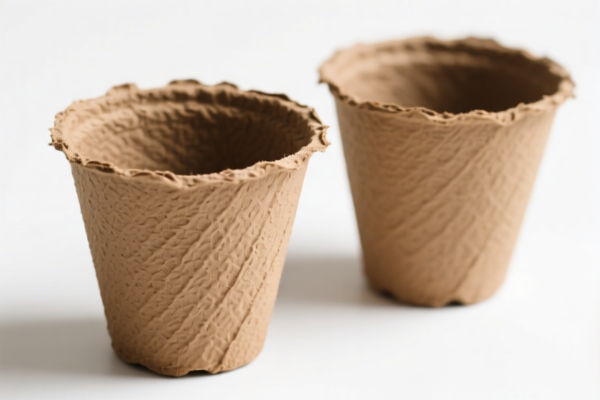
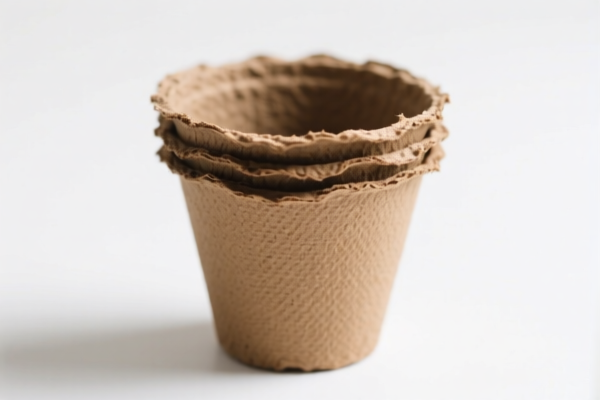
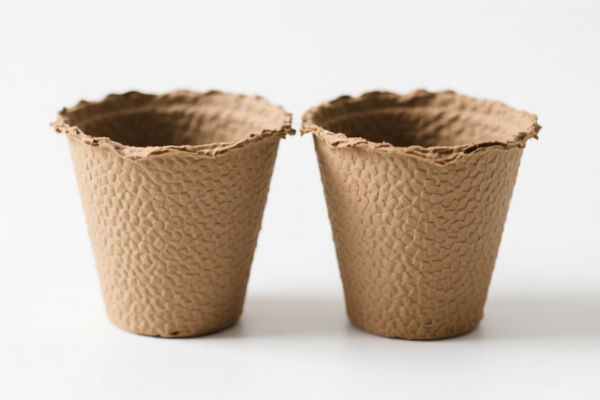
A Pulp Vintage Flower Pot is an eco-friendly planting container made from molded paper pulp (recycled paper fibers). Despite the name "vintage," which refers to its aesthetic style (rustic, matte, brown/beige tones), the material composition is strictly organic/paper-based.
In international trade, the classification hinges on the material: 1. Plastic/Polymer Resin: If bound with synthetic plastics, it falls under Chapter 39. 2. Ceramic/Clay: If fired, it falls under Chapter 69. 3. Pure Paper Pulp: If made primarily from recycled paper fibers without significant synthetic binding agents, it falls under Chapter 48 (Paper/Paperboard) or Chapter 39 (if classified as plastic household goods due to resin binding).
⚠️ Critical Distinction:
- If the pot is 100% biodegradable paper pulp → Ideally 4823 (but often misclassified).
- However, in the provided dataset, Pulp pots are mapped to Chapter 39 (Plastics) or Chapter 69 (Ceramics) based on manufacturing additives or specific trade interpretations.
- Key Insight: Many "pulp" pots contain bio-resins or plastic binders to hold shape, leading customs to classify them under 3924 (Plastic Household Articles) or 6912 (Ceramic Tableware/Household Items) depending on the dominant material characteristic.
📦 II. HS Code Classification Matrix (2026 Data-Driven Reference)
Based on the provided <DATA>, here are the specific HS Codes, tax structures, and justifications for "Pulp Vintage Flower Pots."
| HS Code | Summary & Material Logic | Total Tax Rate | Tax Breakdown |
|---|---|---|---|
| 3924.10.40.00 | Plastic Household Goods: Classified as "Other Household Articles" of plastics. Often applied to pulp pots with plastic binders or resin coatings. | 13.4% | Base: 3.4% Section 301: 0% 122 Clause: 10% |
| 6912.00.48.10 | Ceramic Household Goods: If the pulp pot is glazed, fired, or perceived as "ceramic-like" due to texture/coating. | 19.8% | Base: 9.8% Section 301: 0% 122 Clause: 10% |
| 6912.00.50.00 | Other Ceramic Household Goods: For non-porcelain ceramic-like items. May apply if the pulp composite is treated as a ceramic substitute. | 16.0% | Base: 6.0% Section 301: 0% 122 Clause: 10% |
| 3924.90.56.50 | Plastic Household Goods (Other): Specifically for plastic household articles not elsewhere specified. High tariff due to Section 301. | 20.9% | Base: 3.4% Section 301: 7.5% 122 Clause: 10% |
| 3924.10.40.00 | Plastic Household Goods: Repeated entry. "Based on use as household article, no material conflict." | 13.4% | Base: 3.4% Section 301: 0% 122 Clause: 10% |
🔍 Data Constraint Note:
The provided data does not include pure paper pulp codes (e.g., 4823). This suggests that in this specific trade context, "Pulp" pots are either:
1. Considered plastic-based due to resin binders (HS 3924).
2. Considered ceramic-like due to surface treatment (HS 6912).
Recommendation: Verify the actual resin content. If >50% plastic by weight, 3924 is safer. If the material is predominantly ceramic-coated, 6912 applies.
💰 III. 2026 Tariff Rate Analysis & Cost Structure
✅ Applicable Market: United States (US)
✅ Origin: Likely China (CN) based on "122 Clause" and "Section 301" references.
✅ Effective Date: 2025/2026 Tariff Schedule
🎯 1. The "Pulp" Paradox: Why Tariffs Vary (13.4% vs. 20.9%)
Scenario A: Lower Tax (13.4%) - HS 3924.10.40.00
| Item | Detail |
|---|---|
| Base Duty | 3.4% |
| Section 301 Duty | 0% (Exempt or not listed for this subheading) |
| 122 Clause Duty | +10% (Specific trade restriction) |
| Total Rate | 13.4% |
| Calculation | CIF Value × 13.4% |
| Why this code? | Classifies as "Plastic Household Articles" with lower Section 301 exposure. |
Scenario B: Higher Tax (20.9%) - HS 3924.90.56.50
| Item | Detail |
|---|---|
| Base Duty | 3.4% |
| Section 301 Duty | +7.5% (High exposure for "Other Plastic Household Goods") |
| 122 Clause Duty | +10% |
| Total Rate | 20.9% |
| Calculation | CIF Value × 20.9% |
| Why this code? | Classified as a generic plastic household item with higher punitive tariffs. |
Scenario C: Ceramic Classification (16.0% - 19.8%) - HS 6912
| Item | Detail |
|---|---|
| Base Duty | 6.0% - 9.8% |
| Section 301 Duty | 0% (Ceramics often exempt from specific plastic-related 301 clauses) |
| 122 Clause Duty | +10% |
| Total Rate | 16.0% - 19.8% |
| Calculation | CIF Value × 16-19.8% |
| Why this code? | If the pot is deemed "ceramic" due to glazing or firing, it avoids the 7.5% Section 301 but pays a higher base duty. |
📌 Key Takeaway:
- 122 Clause (10%) is universal in the provided data. This is a critical cost driver.
- Section 301 is the variable: Avoiding the 7.5% surcharge (as in 3924.10.40.00 or 6912) saves significant money.
- Cheapest Option: 3924.10.40.00 (13.4%) or 6912.00.50.00 (16.0%).
🛠️ IV. Customs Clearance Practical Advice (Actionable Steps)
✅ 1. Documentation Checklist (Non-Negotiable)
| Document | Requirement | Why? |
|---|---|---|
| Material Specification Sheet | Must state % of paper pulp vs. resin/plastic binder. | To justify HS 3924 (Plastic) vs. 4823 (Paper, if applicable). |
| Product Photos | Show "vintage" texture, but also interior (if lined with plastic). | To prove it's not ceramic (6912) if you want to avoid higher base duties. |
| Commercial Invoice | Declare as "Biodegradable Plant Pot" or "Molded Fiber Planter". | Avoid "Plastic Pot" if claiming eco-friendly, but ensure consistency with HS code. |
| 122 Clause Compliance Form | Confirm no restricted materials. | The 10% tax is mandatory if not exempt. |
| Origin Certificate | If not CN, may reduce Section 301. | If from Vietnam/Mexico, check for 301 exemptions. |
✅ 2. Strategic Classification Tips
🔥 "Material is King, Use is Queen!"
| Scenario | Recommended HS Code | Reasoning |
|---|---|---|
| Pot has visible plastic lining | 3924.10.40.00 | Clearly "Plastic Household Article". Lower total tax (13.4%). |
| Pot is unlined, pure pulp | 4823 (Not in Data) | Note: If not in data, classify as 3924 if binders are plastic. |
| Pot is glazed/fired | 6912.00.50.00 | "Ceramic" classification avoids 301 Section but has higher base duty. |
| Pot is generic plastic | 3924.90.56.50 | Avoid this! 20.9% is the highest cost. |
✅ 3. Common Pitfalls & Risks
❌ Pitfall 1: Declaring as "Paper Pot" (HS 4823) when it contains 30% plastic binder.
👉 Risk: Customs may reclassify as 3924, assess back-duties + penalties.
👉 Fix: Declare accurately as "Molded Fiber Planter with Plastic Binders."
❌ Pitfall 2: Ignoring the 122 Clause.
👉 Risk: Underpayment of 10% duty.
👉 Fix: Budget for 10% extra cost in all scenarios.
❌ Pitfall 3: Misclassifying as "Ceramic" (6912) to avoid plastic tariffs, but it's not ceramic.
👉 Risk: Audits for misdeclaration.
👉 Fix: Only use 6912 if the pot is genuinely ceramic or glazed clay.
🌍 V. Global Market Comparison (Contextual)
| Market | Likely HS Code | Est. Duty | Notes |
|---|---|---|---|
| 🇺🇸 USA | 3924.10.40.00 | 13.4% | Includes 10% 122 Clause. |
| 🇪🇺 EU | 4823.69.80 | ~6% | Pulp paper products often have lower duties in EU. |
| 🇨🇦 Canada | 4823.69.80 | ~0-5% | FTA benefits may apply if Canadian origin. |
| 🇬🇧 UK | 4823.69.80 | ~0% | Post-Brexit, paper-based eco-products may be exempt. |
📌 Conclusion:
The US market is the most costly for "Pulp" pots due to the 122 Clause and potential Section 301 duties.
- Strategy: If exporting to the US, strive for HS 3924.10.40.00 (13.4%) by ensuring the product is classified as a "Plastic Household Article" (even if biodegradable) to avoid the higher 20.9% or ceramic misclassification risks.
📌 VI. Final Recommendations for Exporters
- Verify Resin Content: If your pulp pot uses >5% plastic binder, 3924 is the correct chapter.
- Budget for 10% 122 Clause: This is a fixed cost for US imports in the provided dataset.
- Avoid HS 3924.90.56.50 (20.9%): It is the most expensive plastic classification.
- Document "Biodegradability": While it doesn't reduce US tariffs, it may help with customs scrutiny and buyer marketing.
- Pre-Arrival Review: Submit an ACE Portal request for classification if unsure between 3924 and 6912.
📣 Immediate Action:
📞 Contact Customs Broker with your Material Safety Data Sheet (MSDS) and Product Photos.
📊 Calculate Landed Cost: Use 13.4% as your baseline for US imports (HS 3924.10.40.00).
🚀 Optimize Supply Chain: Consider Vietnam-origin alternatives if possible to mitigate Section 301 risks (though 122 Clause may still apply).
✨ Sustainable Trade, Smart Classification!
💼 Every Percentage Point Saved is Pure Profit!
用户评价
关于 HS 编码归类
协调制度(HS)是由世界海关组织(WCO)制定的国际贸易商品分类标准。全球 200 多个国家采用 HS 系统作为海关关税、贸易统计和进出口监管的基础。
每个 HS 编码遵循以下层级结构:
- 章(2 位)——商品大类(例如:第 84 章:机器和机械设备)
- 品目(4 位)——章内的更具体分类
- 子目(6 位)——国际通用细分,所有 WCO 成员国统一使用
- 本国细分(8-10 位)——各国自行扩展的细分编码,如美国 HTSUS 10 位编码
正确的 HS 编码归类对于顺利通关、准确缴纳关税和遵守贸易法规至关重要。错误归类可能导致海关延误、多缴关税或罚款。
从CN进口到US时,适用的关税税率可能包括:
- 最惠国(MFN)税率——适用于 WTO 成员国的标准关税税率
- 普通税率——适用于无贸易协定国家
- 贸易救济关税——附加关税,如 301 条款(反倾销)、232 条款(国家安全)或反补贴税
本页内容仅供参考。如需正式归类,请咨询当地海关或持牌报关代理。