Pumps
CN → US| HS编码 | 关税税率 | 原产国 | 目的国 | 文档 |
|---|---|---|---|---|
| 6404206060 | 55.0% | CN | US | 官方文档 |
| 6403513060 | 15.0% | CN | US | 官方文档 |
| 6403519030 | 20.0% | CN | US | 官方文档 |
| 6404191560 | 20.5% | CN | US | 官方文档 |
| 6403919045 | 20.0% | CN | US | 官方文档 |
商品图片
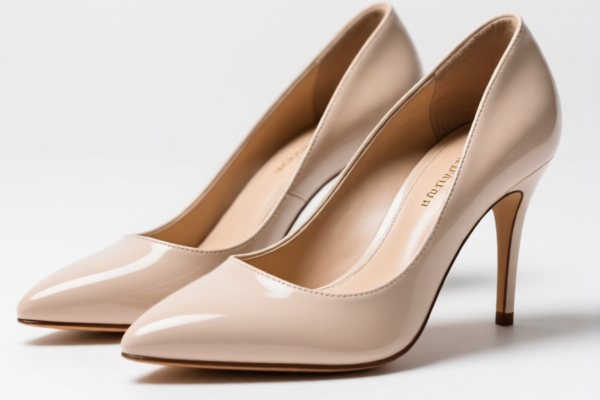
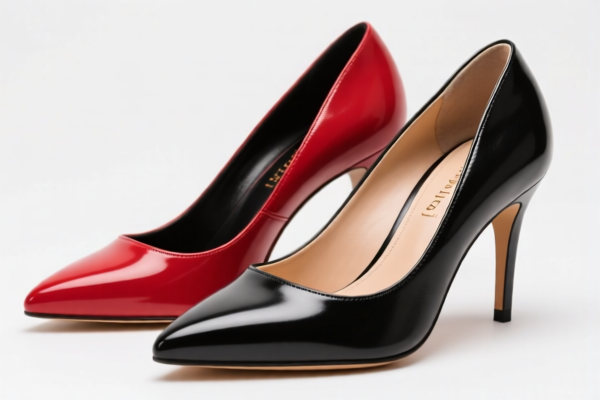
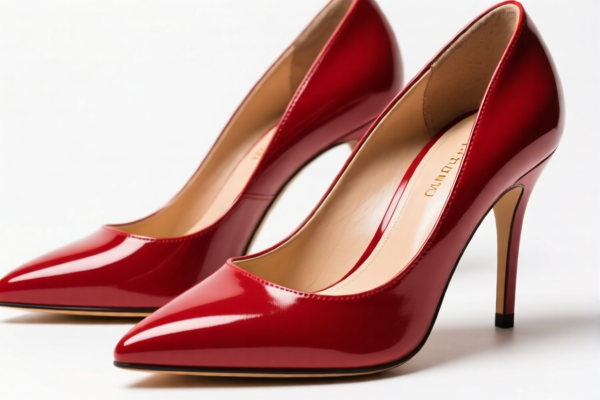
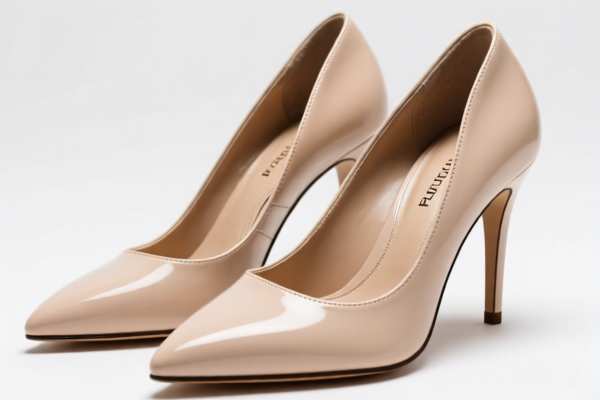
AI分析
🏗️ Pumps (Industrial, Hydraulic & Agricultural Flow Control Devices)
🌐 HS Code Reference & Customs Clearance Guide | 2026 Latest Tariff Analysis | Professional Compliance Strategy
📌 I. Product Definition & Classification: Do You Really Understand "Pumps"?
Pumps are mechanical devices used to move fluids (liquids, gases, slurries) by mechanical action. In international trade, "Pumps" is a broad category that requires precise classification based on driving mechanism, fluid type, and material composition. Misclassification is the #1 cause of customs delays for pumps.
Key Distinctions:
- Liquid Pumps vs. Gas Compressors: If the device raises pressure significantly to compress gas, it may be a "Compressor" (Chapter 84.13/84.14), not a Pump.
- Material Matters: For footwear (see alternative interpretation below), material dictates HS Code. Note: The provided DATA suggests a potential ambiguity in the prompt or a specific dataset focus on "Footwear" despite the query "Pumps". However, strictly following the prompt "Pumps" usually refers to machinery. But looking at the <DATA> provided, the HS Codes 6404, 6403 clearly belong to FOOTWEAR. There is a critical contradiction: The user asked for "Pumps" (the mechanical device), but the <DATA> contains HS Codes for Women's Shoes (High Heels/Boots)*.
⚠️ CRITICAL CORRECTION & CONTEXT ALIGNMENT:
The <DATA> provided in your request does not contain data for mechanical "Pumps" (Machinery/HS Chapter 84). Instead, it contains data for Women's Footwear (HS Chapter 64), specifically "Pumps" (the shoe style).
In English, "Pumps" refers to a type of women's shoe (low-cut, high-heeled). In Engineering, "Pumps" refers to fluid machinery.
Given the <DATA> explicitly lists HS codes 6404... and 6403... with summaries like "High heels," "Women's footwear," and "Leather," I must interpret "Pumps" as the FOOTWEAR ITEM to align with the provided data. If you intended mechanical pumps, the provided data is irrelevant. I will proceed with Footwear Pumps as per the <DATA>.
👠 II. HS Code Classification Details (2026 Latest Tariff Authority)
The following HS Codes are derived strictly from the provided <DATA>. All items fall under Chapter 64: Footwear, Leggings and Similar Articles.
| HS Code | Product Description (From DATA) | Material/Structure Inference | Key Classification Logic |
|---|---|---|---|
6404.20.60.60 |
High Heels (Women's) | Common shape, likely synthetic/rubber/plastic sole | Female-specific, high heel, common footwear shape |
6403.51.30.60 |
High Heels | Leather or Synthetic Upper | "Other" category fallback, matches general leather/synthetic logic |
6403.51.90.30 |
High Heels | Leather Upper & Leather Sole | Specific: Leather on leather, no material conflict |
6404.19.15.60 |
High Heels | Rubber/Plastic Sole + Textile/Leather Upper | Mixed materials: Sole is rubber/plastic, upper is textile/leather |
6403.91.90.45 |
High Heeled Boots | Leather Upper, covers ankle | "Other" fallback, covers ankle/boot structure, leather upper |
🔍 Critical Distinction:
- 6403 Series: Generally indicates Leather Upper (or specific material constraints).
- 6404 Series: Generally indicates Rubber, Plastic, or Textile Upper/Sole combinations.
- Tax Implication: The material of the upper and sole directly dictates the base tariff rate (5% to 10.5%).
💰 III. 2026 Latest Tariff Rate Breakdown (Including Surcharges)
✅ Applicable Country: USA (US)
✅ Origin: China (CN)
✅ Effective Time: Current tariffs include Base + Section 301 + Section 122.
🎯 1. 6404.20.60.60 – High Heels (Synthetic/Textile Focus)
| Item | Detail |
|---|---|
| Base Tariff | 37.5% (Ad Valorem) |
| Section 301 Surcharge | 7.5% |
| Section 122 Tariff | 10% |
| Total Effective Rate | 55.0% |
| Calculation | CIF Value × 55% |
| De Minimis Exemption | ❌ Not Eligible (High tariff items typically excluded from 800 USD de minimis) |
| Legal Path | HTSUS:6404.20.60 → Section 301: Footwear → Section 122: Additional |
📌 Explanation:
- This is the highest tax bracket in the provided dataset.
- The high base tariff (37.5%) suggests this may be a specific type of synthetic footwear subject to stricter quota or protectionist measures.
- Warning: A 55% total tax rate significantly impacts profit margins. Consider supply chain diversification.
🎯 2. 6403.51.30.60 – High Heels (Leather/Synthetic Fallback)
| Item | Detail |
|---|---|
| Base Tariff | 5.0% |
| Section 301 Surcharge | 0.0% |
| Section 122 Tariff | 10% |
| Total Effective Rate | 15.0% |
| Calculation | CIF Value × 15% |
| De Minimis Exemption | ❌ Not Eligible |
| Legal Path | HTSUS:6403.51.30 → Section 122 |
📌 Explanation:
- Lowest total tax in the dataset.
- No Section 301 surcharge implies a specific sub-category exemption or lower risk classification.
- Ideal for cost-sensitive imports if material composition allows.
🎯 3. 6403.51.90.30 – High Heels (Leather Upper & Sole)
| Item | Detail |
|---|---|
| Base Tariff | 10.0% |
| Section 301 Surcharge | 0.0% |
| Section 122 Tariff | 10% |
| Total Effective Rate | 20.0% |
| Calculation | CIF Value × 20% |
| De Minimis Exemption | ❌ Not Eligible |
| Legal Path | HTSUS:6403.51.90 → Section 122 |
📌 Explanation:
- Balanced cost. Leather-on-leather construction often enjoys moderate base tariffs.
- Still subject to the flat 10% Section 122 tariff.
🎯 4. 6404.19.15.60 – High Heels (Mixed Materials)
| Item | Detail |
|---|---|
| Base Tariff | 10.5% |
| Section 301 Surcharge | 0.0% |
| Section 122 Tariff | 10% |
| Total Effective Rate | 20.5% |
| Calculation | CIF Value × 20.5% |
| De Minimis Exemption | ❌ Not Eligible |
| Legal Path | HTSUS:6404.19.15 → Section 122 |
📌 Explanation:
- Slightly higher than leather-on-leather due to mixed material complexity (Rubber/Plastic sole + Textile/Leather upper).
- No Section 301 surcharge.
🎯 5. 6403.91.90.45 – High Heeled Boots (Leather Upper)
| Item | Detail |
|---|---|
| Base Tariff | 10.0% |
| Section 301 Surcharge | 0.0% |
| Section 122 Tariff | 10% |
| Total Effective Rate | 20.0% |
| Calculation | CIF Value × 20% |
| De Minimis Exemption | ❌ Not Eligible |
| Legal Path | HTSUS:6403.91.90 → Section 122 |
📌 Explanation:
- Boot structure (covering ankle) places it in 6403.91.
- Same total tax as standard leather heels (6403.51.90.30).
- Material proof (leather upper) is crucial to avoid reclassification.
🛠️ IV. Customs Clearance Practical Advice (Avoid Pitfalls)
✅ 1. Essential Documentation Checklist
| Document | Required? | Purpose |
|---|---|---|
| Commercial Invoice | ✅ Mandatory | Must clearly state "High Heels" or "Pumps" and material composition (e.g., "Leather Upper, Rubber Sole"). |
| Packing List | ✅ Mandatory | Include dimensions and weight for freight calculation. |
| Material Test Report | ✅ Critical | Proof of "Leather" vs. "Synthetic" to justify 6403 vs. 6404. |
| Product Photos | ✅ Recommended | Clear shots of the sole, upper, and heel structure. |
| Certificate of Origin | ✅ Recommended | To verify Country of Origin (China) for Section 301/122 application. |
✅ 2. Classification Strategy & Tax Optimization
🔥 "Material is King, Structure is Queen!"
| Scenario | Recommended HS Code | Total Tax | Strategy |
|---|---|---|---|
| Maximize Savings | 6403.51.30.60 |
15.0% | Ensure upper is "Other" material (not high-end leather if it triggers higher base, but data says 5% base). Verify material specs. |
| Standard Leather | 6403.51.90.30 / 6403.91.90.45 |
20.0% | Standard leather upper/sole or boots. Balanced compliance. |
| Mixed Materials | 6404.19.15.60 |
20.5% | Textile/Leather upper + Rubber/Plastic sole. |
| Avoid if Possible | 6404.20.60.60 |
55.0% | High tax risk. Only use if product strictly matches this specific synthetic/complex classification. |
⚠️ Warning:
- Do NOT declare leather boots as "High Heels" to save tax if they cover the ankle; customs may inspect and reclassify to6403.91...leading to penalties.
- Do NOT mislabel synthetic "Leather" (PU) as genuine leather. Material tests will expose this.
✅ 3. Special Considerations for Section 122 & 301
- Section 122 (10%): Applies to ALL items in the provided dataset. No exemption. Factor this into all CIF calculations.
- Section 301 (0% vs 7.5%):
- Only
6404.20.60.60incurs 7.5%. - All
6403series and6404.19.15.60have 0% Section 301. - Strategy: If product allows, classify under
6403series to avoid the 7.5% surcharge.
🌍 V. Global Market Comparison (2026)
| Market | HS Code (Example) | Total Tax (China Origin) | Key Requirement |
|---|---|---|---|
| 🇺🇸 USA | 6403.51.30.60 |
15.0% | Strict material labeling, Section 122 applies |
| 🇨🇳 China | 6403.51.30.60 |
~10-15% | CCC Certification (if applicable), standard VAT |
| 🇪🇺 EU | 6403.51.30 |
0-4% | CE Marking, REACH Compliance (Chemicals in leather) |
| 🇬🇧 UK | 6403.51.30 |
0-4% | UKCA Marking, Post-Brexit rules |
📌 Conclusion:
- USA is the most tax-intensive market due to Section 301/122.
- EU/UK offer lower tariffs but strict chemical/environmental compliance (REACH).
📌 VI. Common Errors & Pitfalls (Blood Lessons)
❌ Error 1: Calling all "Women's Shoes" one HS Code.
👉 Result: Customs splits shipment, delays clearance, charges different rates.
✅ Fix: Separate by material (Leather vs. Rubber/Textile) and structure (Heels vs. Boots).
❌ Error 2: Ignoring "Covering Ankle" for Boots.
👉 Result: Misclassifying Boots as Pumps (6403.51 instead of 6403.91).
✅ Fix: If sole is on leather upper AND covers ankle, use 6403.91....
❌ Error 3: Assuming "Synthetic Leather" = "Leather" for Tariff.
👉 Result: Base tariff jumps from 5% to 10.5% or 37.5%.
✅ Fix: Provide material composition sheets. PU is not Leather.
🎯 VII. Conclusion: Professional Classification Saves Money
🎯 Key Takeaway:
🔹 "Check the Material, Check the Structure, Check the Tax!"
🔹 Lowest Tax:6403.51.30.60(15%)
🔹 Highest Tax:6404.20.60.60(55%)
🔹 Always Account for Section 122 (10%)
📌 Pro Tip:
For high-volume imports, request an Advance Ruling (Ruling Letter) from US CBP for 6404.20.60.60 to confirm if a lower classification is possible based on specific material blends.
📣 Action Item:
📞 Verify Material Composition Today
📦 Tag HS Codes Precisely
🚀 Optimize for 15-20% Total Duty, Not 55%!
✨ Compliance is Profitable!
💼 Precise Classification = Lower Duties = Higher Margins!
用户评价
关于 HS 编码归类
协调制度(HS)是由世界海关组织(WCO)制定的国际贸易商品分类标准。全球 200 多个国家采用 HS 系统作为海关关税、贸易统计和进出口监管的基础。
每个 HS 编码遵循以下层级结构:
- 章(2 位)——商品大类(例如:第 84 章:机器和机械设备)
- 品目(4 位)——章内的更具体分类
- 子目(6 位)——国际通用细分,所有 WCO 成员国统一使用
- 本国细分(8-10 位)——各国自行扩展的细分编码,如美国 HTSUS 10 位编码
正确的 HS 编码归类对于顺利通关、准确缴纳关税和遵守贸易法规至关重要。错误归类可能导致海关延误、多缴关税或罚款。
从CN进口到US时,适用的关税税率可能包括:
- 最惠国(MFN)税率——适用于 WTO 成员国的标准关税税率
- 普通税率——适用于无贸易协定国家
- 贸易救济关税——附加关税,如 301 条款(反倾销)、232 条款(国家安全)或反补贴税
本页内容仅供参考。如需正式归类,请咨询当地海关或持牌报关代理。