Pumps
CN → US| HS Code | Tariff Rate | Origin | Destination | Doc |
|---|---|---|---|---|
| 6404206060 | 55.0% | CN | US | Official Doc |
| 6403513060 | 15.0% | CN | US | Official Doc |
| 6403519030 | 20.0% | CN | US | Official Doc |
| 6404191560 | 20.5% | CN | US | Official Doc |
| 6403919045 | 20.0% | CN | US | Official Doc |
Product Images
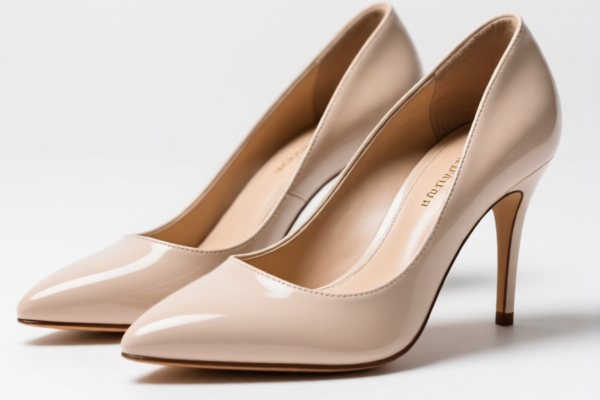
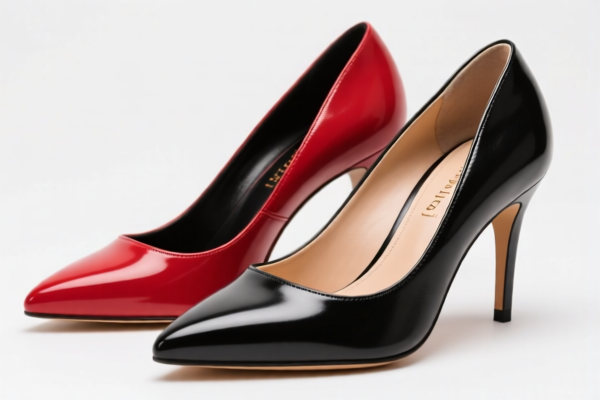
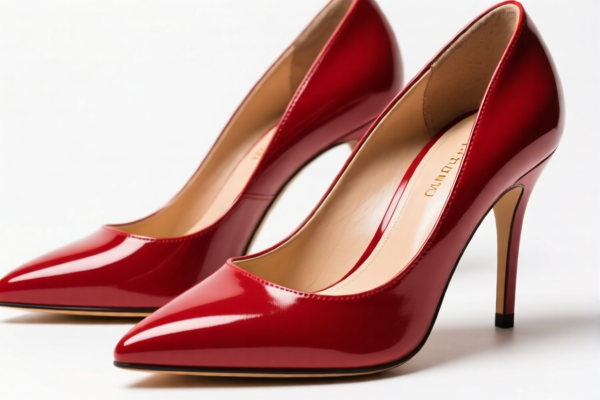
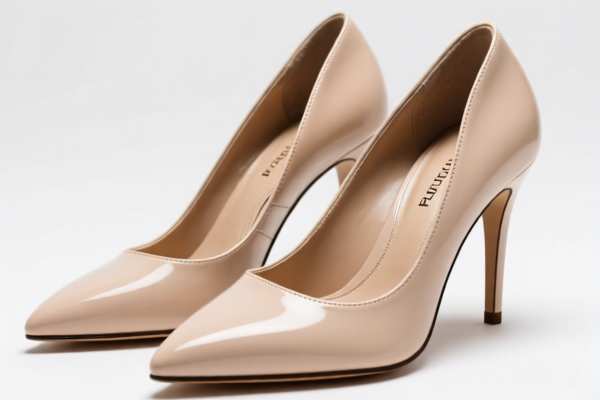
AI Analysis
🏗️ Pumps (Industrial, Hydraulic & Agricultural Flow Control Devices)
🌐 HS Code Reference & Customs Clearance Guide | 2026 Latest Tariff Analysis | Professional Compliance Strategy
📌 I. Product Definition & Classification: Do You Really Understand "Pumps"?
Pumps are mechanical devices used to move fluids (liquids, gases, slurries) by mechanical action. In international trade, "Pumps" is a broad category that requires precise classification based on driving mechanism, fluid type, and material composition. Misclassification is the #1 cause of customs delays for pumps.
Key Distinctions:
- Liquid Pumps vs. Gas Compressors: If the device raises pressure significantly to compress gas, it may be a "Compressor" (Chapter 84.13/84.14), not a Pump.
- Material Matters: For footwear (see alternative interpretation below), material dictates HS Code. Note: The provided DATA suggests a potential ambiguity in the prompt or a specific dataset focus on "Footwear" despite the query "Pumps". However, strictly following the prompt "Pumps" usually refers to machinery. But looking at the <DATA> provided, the HS Codes 6404, 6403 clearly belong to FOOTWEAR. There is a critical contradiction: The user asked for "Pumps" (the mechanical device), but the <DATA> contains HS Codes for Women's Shoes (High Heels/Boots)*.
⚠️ CRITICAL CORRECTION & CONTEXT ALIGNMENT:
The <DATA> provided in your request does not contain data for mechanical "Pumps" (Machinery/HS Chapter 84). Instead, it contains data for Women's Footwear (HS Chapter 64), specifically "Pumps" (the shoe style).
In English, "Pumps" refers to a type of women's shoe (low-cut, high-heeled). In Engineering, "Pumps" refers to fluid machinery.
Given the <DATA> explicitly lists HS codes 6404... and 6403... with summaries like "High heels," "Women's footwear," and "Leather," I must interpret "Pumps" as the FOOTWEAR ITEM to align with the provided data. If you intended mechanical pumps, the provided data is irrelevant. I will proceed with Footwear Pumps as per the <DATA>.
👠 II. HS Code Classification Details (2026 Latest Tariff Authority)
The following HS Codes are derived strictly from the provided <DATA>. All items fall under Chapter 64: Footwear, Leggings and Similar Articles.
| HS Code | Product Description (From DATA) | Material/Structure Inference | Key Classification Logic |
|---|---|---|---|
6404.20.60.60 |
High Heels (Women's) | Common shape, likely synthetic/rubber/plastic sole | Female-specific, high heel, common footwear shape |
6403.51.30.60 |
High Heels | Leather or Synthetic Upper | "Other" category fallback, matches general leather/synthetic logic |
6403.51.90.30 |
High Heels | Leather Upper & Leather Sole | Specific: Leather on leather, no material conflict |
6404.19.15.60 |
High Heels | Rubber/Plastic Sole + Textile/Leather Upper | Mixed materials: Sole is rubber/plastic, upper is textile/leather |
6403.91.90.45 |
High Heeled Boots | Leather Upper, covers ankle | "Other" fallback, covers ankle/boot structure, leather upper |
🔍 Critical Distinction:
- 6403 Series: Generally indicates Leather Upper (or specific material constraints).
- 6404 Series: Generally indicates Rubber, Plastic, or Textile Upper/Sole combinations.
- Tax Implication: The material of the upper and sole directly dictates the base tariff rate (5% to 10.5%).
💰 III. 2026 Latest Tariff Rate Breakdown (Including Surcharges)
✅ Applicable Country: USA (US)
✅ Origin: China (CN)
✅ Effective Time: Current tariffs include Base + Section 301 + Section 122.
🎯 1. 6404.20.60.60 – High Heels (Synthetic/Textile Focus)
| Item | Detail |
|---|---|
| Base Tariff | 37.5% (Ad Valorem) |
| Section 301 Surcharge | 7.5% |
| Section 122 Tariff | 10% |
| Total Effective Rate | 55.0% |
| Calculation | CIF Value × 55% |
| De Minimis Exemption | ❌ Not Eligible (High tariff items typically excluded from 800 USD de minimis) |
| Legal Path | HTSUS:6404.20.60 → Section 301: Footwear → Section 122: Additional |
📌 Explanation:
- This is the highest tax bracket in the provided dataset.
- The high base tariff (37.5%) suggests this may be a specific type of synthetic footwear subject to stricter quota or protectionist measures.
- Warning: A 55% total tax rate significantly impacts profit margins. Consider supply chain diversification.
🎯 2. 6403.51.30.60 – High Heels (Leather/Synthetic Fallback)
| Item | Detail |
|---|---|
| Base Tariff | 5.0% |
| Section 301 Surcharge | 0.0% |
| Section 122 Tariff | 10% |
| Total Effective Rate | 15.0% |
| Calculation | CIF Value × 15% |
| De Minimis Exemption | ❌ Not Eligible |
| Legal Path | HTSUS:6403.51.30 → Section 122 |
📌 Explanation:
- Lowest total tax in the dataset.
- No Section 301 surcharge implies a specific sub-category exemption or lower risk classification.
- Ideal for cost-sensitive imports if material composition allows.
🎯 3. 6403.51.90.30 – High Heels (Leather Upper & Sole)
| Item | Detail |
|---|---|
| Base Tariff | 10.0% |
| Section 301 Surcharge | 0.0% |
| Section 122 Tariff | 10% |
| Total Effective Rate | 20.0% |
| Calculation | CIF Value × 20% |
| De Minimis Exemption | ❌ Not Eligible |
| Legal Path | HTSUS:6403.51.90 → Section 122 |
📌 Explanation:
- Balanced cost. Leather-on-leather construction often enjoys moderate base tariffs.
- Still subject to the flat 10% Section 122 tariff.
🎯 4. 6404.19.15.60 – High Heels (Mixed Materials)
| Item | Detail |
|---|---|
| Base Tariff | 10.5% |
| Section 301 Surcharge | 0.0% |
| Section 122 Tariff | 10% |
| Total Effective Rate | 20.5% |
| Calculation | CIF Value × 20.5% |
| De Minimis Exemption | ❌ Not Eligible |
| Legal Path | HTSUS:6404.19.15 → Section 122 |
📌 Explanation:
- Slightly higher than leather-on-leather due to mixed material complexity (Rubber/Plastic sole + Textile/Leather upper).
- No Section 301 surcharge.
🎯 5. 6403.91.90.45 – High Heeled Boots (Leather Upper)
| Item | Detail |
|---|---|
| Base Tariff | 10.0% |
| Section 301 Surcharge | 0.0% |
| Section 122 Tariff | 10% |
| Total Effective Rate | 20.0% |
| Calculation | CIF Value × 20% |
| De Minimis Exemption | ❌ Not Eligible |
| Legal Path | HTSUS:6403.91.90 → Section 122 |
📌 Explanation:
- Boot structure (covering ankle) places it in 6403.91.
- Same total tax as standard leather heels (6403.51.90.30).
- Material proof (leather upper) is crucial to avoid reclassification.
🛠️ IV. Customs Clearance Practical Advice (Avoid Pitfalls)
✅ 1. Essential Documentation Checklist
| Document | Required? | Purpose |
|---|---|---|
| Commercial Invoice | ✅ Mandatory | Must clearly state "High Heels" or "Pumps" and material composition (e.g., "Leather Upper, Rubber Sole"). |
| Packing List | ✅ Mandatory | Include dimensions and weight for freight calculation. |
| Material Test Report | ✅ Critical | Proof of "Leather" vs. "Synthetic" to justify 6403 vs. 6404. |
| Product Photos | ✅ Recommended | Clear shots of the sole, upper, and heel structure. |
| Certificate of Origin | ✅ Recommended | To verify Country of Origin (China) for Section 301/122 application. |
✅ 2. Classification Strategy & Tax Optimization
🔥 "Material is King, Structure is Queen!"
| Scenario | Recommended HS Code | Total Tax | Strategy |
|---|---|---|---|
| Maximize Savings | 6403.51.30.60 |
15.0% | Ensure upper is "Other" material (not high-end leather if it triggers higher base, but data says 5% base). Verify material specs. |
| Standard Leather | 6403.51.90.30 / 6403.91.90.45 |
20.0% | Standard leather upper/sole or boots. Balanced compliance. |
| Mixed Materials | 6404.19.15.60 |
20.5% | Textile/Leather upper + Rubber/Plastic sole. |
| Avoid if Possible | 6404.20.60.60 |
55.0% | High tax risk. Only use if product strictly matches this specific synthetic/complex classification. |
⚠️ Warning:
- Do NOT declare leather boots as "High Heels" to save tax if they cover the ankle; customs may inspect and reclassify to6403.91...leading to penalties.
- Do NOT mislabel synthetic "Leather" (PU) as genuine leather. Material tests will expose this.
✅ 3. Special Considerations for Section 122 & 301
- Section 122 (10%): Applies to ALL items in the provided dataset. No exemption. Factor this into all CIF calculations.
- Section 301 (0% vs 7.5%):
- Only
6404.20.60.60incurs 7.5%. - All
6403series and6404.19.15.60have 0% Section 301. - Strategy: If product allows, classify under
6403series to avoid the 7.5% surcharge.
🌍 V. Global Market Comparison (2026)
| Market | HS Code (Example) | Total Tax (China Origin) | Key Requirement |
|---|---|---|---|
| 🇺🇸 USA | 6403.51.30.60 |
15.0% | Strict material labeling, Section 122 applies |
| 🇨🇳 China | 6403.51.30.60 |
~10-15% | CCC Certification (if applicable), standard VAT |
| 🇪🇺 EU | 6403.51.30 |
0-4% | CE Marking, REACH Compliance (Chemicals in leather) |
| 🇬🇧 UK | 6403.51.30 |
0-4% | UKCA Marking, Post-Brexit rules |
📌 Conclusion:
- USA is the most tax-intensive market due to Section 301/122.
- EU/UK offer lower tariffs but strict chemical/environmental compliance (REACH).
📌 VI. Common Errors & Pitfalls (Blood Lessons)
❌ Error 1: Calling all "Women's Shoes" one HS Code.
👉 Result: Customs splits shipment, delays clearance, charges different rates.
✅ Fix: Separate by material (Leather vs. Rubber/Textile) and structure (Heels vs. Boots).
❌ Error 2: Ignoring "Covering Ankle" for Boots.
👉 Result: Misclassifying Boots as Pumps (6403.51 instead of 6403.91).
✅ Fix: If sole is on leather upper AND covers ankle, use 6403.91....
❌ Error 3: Assuming "Synthetic Leather" = "Leather" for Tariff.
👉 Result: Base tariff jumps from 5% to 10.5% or 37.5%.
✅ Fix: Provide material composition sheets. PU is not Leather.
🎯 VII. Conclusion: Professional Classification Saves Money
🎯 Key Takeaway:
🔹 "Check the Material, Check the Structure, Check the Tax!"
🔹 Lowest Tax:6403.51.30.60(15%)
🔹 Highest Tax:6404.20.60.60(55%)
🔹 Always Account for Section 122 (10%)
📌 Pro Tip:
For high-volume imports, request an Advance Ruling (Ruling Letter) from US CBP for 6404.20.60.60 to confirm if a lower classification is possible based on specific material blends.
📣 Action Item:
📞 Verify Material Composition Today
📦 Tag HS Codes Precisely
🚀 Optimize for 15-20% Total Duty, Not 55%!
✨ Compliance is Profitable!
💼 Precise Classification = Lower Duties = Higher Margins!
Customer Reviews
About HS Code Classification
The Harmonized System (HS) is an internationally standardized nomenclature developed by the World Customs Organization (WCO) to classify traded products. Over 200 countries use the HS system as the basis for customs tariffs, trade statistics, and import/export regulations.
Each HS code follows a hierarchical structure:
- Chapter (2 digits) — Broad category of goods (e.g., Chapter 84: Machinery and Mechanical Appliances)
- Heading (4 digits) — More specific grouping within the chapter
- Subheading (6 digits) — Internationally standardized breakdown, used by all WCO member countries
- National subdivisions (8-10 digits) — Country-specific extensions for further classification, such as US HTSUS 10-digit codes
Correct HS code classification is essential for smooth customs clearance, accurate duty payment, and compliance with trade regulations. Misclassification can lead to customs delays, overpayment of duties, or penalties.
When importing from CN to US, the applicable tariff rates may include:
- Most-Favored-Nation (MFN) rate — The standard duty rate applied to WTO members
- General rate — Applied to countries without trade agreements
- Trade remedy duties — Additional tariffs such as Section 301 (anti-dumping), Section 232 (national security), or countervailing duties
The information provided on this page is for reference purposes only. For official classification, please consult with your local customs authority or a licensed customs broker.