Rabbit Fur with Tail
CN → US| HS编码 | 关税税率 | 原产国 | 目的国 | 文档 |
|---|---|---|---|---|
| 4301900000 | 10.0% | CN | US | 官方文档 |
| 4303100060 | 39.0% | CN | US | 官方文档 |
| 4301800202 | 17.5% | CN | US | 官方文档 |
| 4302195500 | 37.7% | CN | US | 官方文档 |
| 4302203000 | 37.1% | CN | US | 官方文档 |
| 4303900000 | 35.0% | CN | US | 官方文档 |
商品图片
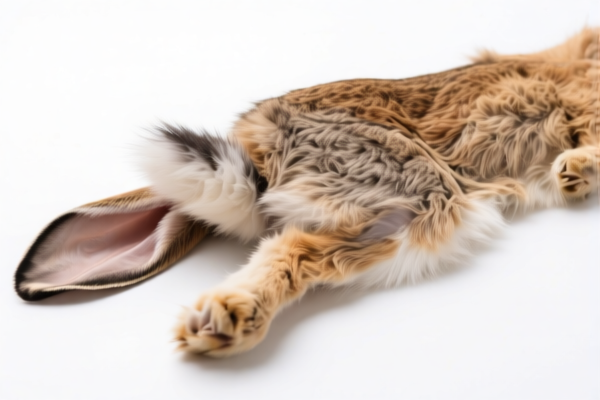
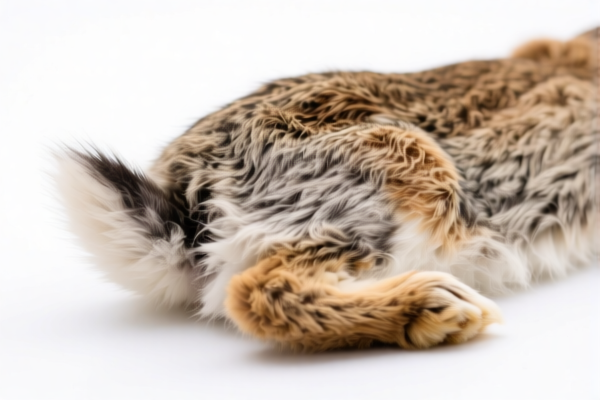
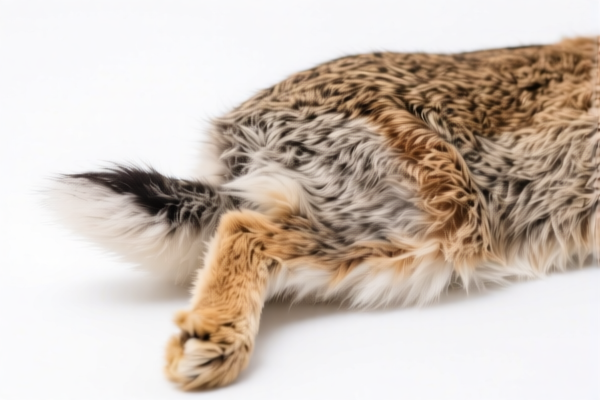
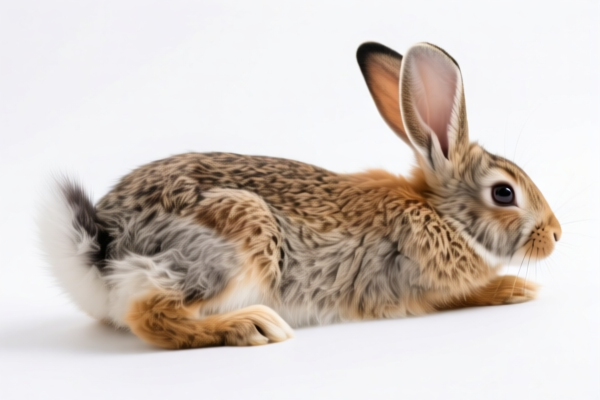
AI分析
🐰 Rabbit Fur with Tail (Raw & Processed)
🌐 HS Code Reference & Clearance Guide | 2026 Latest Tariff Analysis | Professional Customs Strategy
📌 I. Product Definition & Classification: Do You Truly Understand "Rabbit Fur"?
Rabbit fur is a versatile material used in the fashion, luxury goods, and fur trading industries. In international trade, it is strictly categorized based on its processing state (raw vs. tanned/finished) and form (whole skin, pieces, or garments).
Raw Skins (Unprocessed/Tanned for Trading):
These are skins that have been salted, limed, or lightly tinned specifically for the furrier to process further. They retain natural features like tails.
Finished/Fashion Products:
These include tanned, dyed, or sewn items such as collars, vests, or accessories.
⚠️ Key Distinction Point:
- If the fur is raw, semi-processed, or sold to furriers for further manufacturing (including tails) → Classified under Chapter 43 Headings 4301, 4302.
- If the fur is finished into garments or accessories → Classified under Heading 4303.
- Critical Note: The presence of a tail on raw skins is a defining characteristic of "whole skins" intended for trade, not a defect. It does not automatically disqualify the item from raw skin categories if processed correctly for trading.
📦 II. HS Code Classification Matrix (2026 Latest Tariff Authority)
| HS Code | Product Description | Application Scenario | Tax Rate |
|---|---|---|---|
4301.90.00.00 |
Other raw pelts and skins (including with heads, paws, tails) | Raw rabbit pelts, with tails, for furrier use | 10.0% |
4303.10.00.60 |
Articles of fur skin, other than those of heading 4302 | Rabbit fur finished goods (e.g., collars, caps), non-mink | 39.0% |
4301.80.02.02 |
Rabbit skins (raw), other than whole skins with heads | Rabbit skins, raw, explicitly matching rabbit material, with tails | 17.5% |
4302.19.55.00 |
Tanned or dressed furskins (other than mink) | Processed rabbit skins, whole skins, with tail features | 37.7% |
4302.20.30.00 |
Pieces of furskins, tanned or dressed | Refined fur pieces, fragments, rabbit material | 37.1% |
4303.90.00.00 |
Articles of fur skin, not elsewhere specified | Finished fur products, not accessories | 35.0% |
🔍 Key Reminder:
- Raw vs. Processed:4301items are "raw/semi-raw" for trade.4302items are "tanned/dressed" for final use or further processing.4303items are finished articles (clothing/accessories).
- Tail Inclusion: For raw skins (4301), the tail is part of the "whole skin" definition. For finished goods (4303), the tail is just a component of the article.
- Misclassification Risk: Declaring a raw skin as a "finished good" to avoid high taxes is a major red flag for Customs.
💰 III. 2026 Latest Tariff Rate Breakdown (Including Surcharges & Policy Add-ons)
✅ Applicable Country: United States (US)
✅ Origin: China (CN)
✅ Effective Date: November 10, 2025 (and subsequent imports)
🎯 1. 4301.90.00.00 – Raw Rabbit Pelts (Including Tails)
| Item | Details |
|---|---|
| Base Tariff | 0.0% (ad valorem) |
| Section 301 Surcharge | 0.0% |
| 122 Tariff (IEEPA) | +10.0% (China-specific) |
| Total Rate | 10.0% |
| Calculation | CIF Value × 10% |
| De Minimis Eligibility | ❌ No (deny_de_minimis) |
| Legal Basis | IEEPA:122 → USITC:4301.90.00.00 |
📌 Explanation:
- This is the lowest tax bracket for rabbit fur.
- It applies to raw skins brought to the US for furriers to process into finished goods.
- The "122 Tariff" is a specific surcharge on Chinese-origin raw materials.
🎯 2. 4301.80.02.02 – Raw Rabbit Skins (Explicitly Rabbit)
| Item | Details |
|---|---|
| Base Tariff | 0.0% |
| Section 301 Surcharge | +7.5% |
| 122 Tariff (IEEPA) | +10.0% |
| Total Rate | 17.5% |
| Calculation | CIF Value × 17.5% |
| De Minimis Eligibility | ❌ No |
| Legal Basis | IEEPA:122 → USITC:4301.80.02.02 → FOOTNOTE:301.7.5 |
📌 Explanation:
- Applies to raw rabbit skins that are clearly identified as such but may not be "whole pelts with tails" in the same category as4301.90.
- Still considered "raw/trading grade."
🎯 3. 4302.19.55.00 – Tanned/Dressed Rabbit Skins (Whole)
| Item | Details |
|---|---|
| Base Tariff | 2.7% |
| Section 301 Surcharge | +25.0% |
| 122 Tariff (IEEPA) | +10.0% |
| Total Rate | 37.7% |
| Calculation | CIF Value × 37.7% |
| De Minimis Eligibility | ❌ No |
| Legal Basis | IEEPA:122 → USITC:4302.19.55.00 → FOOTNOTE:301.25 |
📌 Explanation:
- The fur is tanned or dressed (processed for final use or retail).
- High tax burden due to Section 301 (25%) + IEEPA (10%) + Base (2.7%).
- Common for "dressed skins" sold to manufacturers for cutting.
🎯 4. 4302.20.30.00 – Tanned/Dressed Fur Pieces (Rabbit)
| Item | Details |
|---|---|
| Base Tariff | 2.1% |
| Section 301 Surcharge | +25.0% |
| 122 Tariff (IEEPA) | +10.0% |
| Total Rate | 37.1% |
| Calculation | CIF Value × 37.1% |
| De Minimis Eligibility | ❌ No |
| Legal Basis | IEEPA:122 → USITC:4302.20.30.00 → FOOTNOTE:301.25 |
📌 Explanation:
- Used for fur fragments, patches, or pieces that are tanned.
- Slightly lower than whole skins due to base tariff differences.
🎯 5. 4303.90.00.00 – Finished Fur Articles (Non-Accessory)
| Item | Details |
|---|---|
| Base Tariff | 0.0% |
| Section 301 Surcharge | +25.0% |
| 122 Tariff (IEEPA) | +10.0% |
| Total Rate | 35.0% |
| Calculation | CIF Value × 35.0% |
| De Minimis Eligibility | ❌ No |
| Legal Basis | IEEPA:122 → USITC:4303.90.00.00 → FOOTNOTE:301.25 |
📌 Explanation:
- Finished products like fur blankets, shawls, or non-garment accessories.
- Base tariff is 0%, but the 301 surcharge still applies heavily.
🎯 6. 4303.10.00.60 – Finished Fur Articles (Other than Mink)
| Item | Details |
|---|---|
| Base Tariff | 4.0% |
| Section 301 Surcharge | +25.0% |
| 122 Tariff (IEEPA) | +10.0% |
| Total Rate | 39.0% |
| Calculation | CIF Value × 39.0% |
| De Minimis Eligibility | ❌ No |
| Legal Basis | IEEPA:122 → USITC:4303.10.00.60 → FOOTNOTE:301.25 |
📌 Explanation:
- Highest tax rate in the dataset.
- Applies to finished garments/accessories (e.g., rabbit fur coats, vests) that are not mink.
- Avoid this category if importing raw materials.
🛠️ IV. Customs Clearance Practical Advice (Real-World Pitfall Guide)
✅ 1. Documentation Checklist (Non-Negotiable)
| Document | Required | Notes |
|---|---|---|
| ✅ Product Specification Sheet | ✔️ | Must specify: Raw/Tanned/Dressed, Whole/Piece, with/without tail |
| ✅ Processing Method Statement | ✔️ | Crucial for distinguishing 4301 (raw) from 4302 (tanned) |
| ✅ Commercial Invoice | ✔️ | Clearly state: "Raw Rabbit Fur Skins with Tails" or "Finished Rabbit Fur Collar" |
| ✅ Photo Evidence | ✔️ | Show the fur, tail, and any processing labels |
| ✅ Fumigation Certificate | ✔️ | Required for all animal products to prevent pests |
| ✅ Country of Origin Certificate | ✔️ | Critical for calculating Section 301 and IEEPA surcharges |
✅ 2. Declaration Strategy (Key Rules)
🔥 "Raw is Low Tax, Finished is High Tax; Tail is Normal, Not a Flaw!"
| Scenario | Correct Declaration | Wrong Practice |
|---|---|---|
| Raw skins for furriers (with tails) | 4301.90.00.00 (10%) |
Misdeclare as finished goods → 39% |
| Tanned skins for manufacturers | 4302.19.55.00 (37.7%) |
Declare as raw → Customs Penalty |
| Finished rabbit fur vest | 4303.10.00.60 (39%) |
Declare as raw → Seizure Risk |
| Fur pieces/patches | 4302.20.30.00 (37.1%) |
Declare as whole skins → Misclassification |
| Non-mink finished articles | 4303.90.00.00 (35%) |
N/A |
✅ 3. Special Handling Tips
| Situation | Advice |
|---|---|
| Importing for Personal Use | Still subject to 35-39% tariffs if declared as finished goods. Consider raw skins if you are a furrier. |
| Mixed Shipments | Separate raw and finished goods in different boxes to avoid confusion. |
| Tail Removal | Removing tails does not change the HS Code for raw skins, but may affect quality valuation. |
| Dyed vs. Undyed | Undyed raw skins (4301) are lower tax than dyed tanned skins (4302). |
🌍 V. Global Market Comparison (2026 Update)
| Country/Region | Recommended HS Code | Tariff (China Origin) | Certification | Notes |
|---|---|---|---|---|
| 🇺🇸 USA | 4301.90.00.00 |
10% (Raw) | CITES Permit (if applicable) | Highest protectionist tariffs on finished goods |
| 🇨🇳 China | 4301.90.00.00 |
10% | None | Major producer/consumer of rabbit fur |
| 🇪🇺 EU | 4301.90.00.00 |
0-12% | CITES + REACH | Strict animal welfare regulations |
| 🇬🇧 UK | 4301.90.00.00 |
0-12% | UKCA + CITES | Post-Brexit rules apply |
| 🇯🇵 Japan | 4301.90.00.00 |
0-5% | None | Low tariffs, high quality demand |
📌 Conclusion:
- The USA imposes the highest effective tariffs on Chinese-origin fur products due to Section 301 and IEEPA surcharges.
- Raw skins (4301) are significantly cheaper (10-17.5%) than finished goods (35-39%).
- Strategic Move: Import raw skins, process domestically (if allowed) or in third countries, to avoid high finished-good tariffs.
📌 VI. Common Errors & Pitfalls (Blood & Tears Lessons)
❌ Mistake 1: Declaring tanned/dressed skins as raw skins
👉 Consequence: Customs audits, back taxes + penalties (30-40% difference).
✅ Fix: Provide proof of tanning process (e.g., chemical treatment records).
❌ Mistake 2: Ignoring Section 301 surcharges in cost calculation
👉 Consequence: Unexpected $10,000+ bill at customs.
✅ Fix: Always budget for 25% (301) + 10% (122) on top of base tariff for finished goods.
❌ Mistake 3: Not providing CITES Permits for endangered species
👉 Consequence: Seizure and deportation of goods.
✅ Fix: Verify if rabbit species are CITES-listed. Most domestic rabbits are not, but wild species are.
❌ Mistake 4: Poor description on Invoice
👉 Consequence: Customs delays, manual inspection.
✅ Fix: Use precise terms: "Raw Rabbit Pelts, Tails Attached, Salted Preservation, HS 4301.90.00.00"
🎯 VII. Conclusion: Smart Classification, Lower Costs, Faster Clearance
🎯 Remember the Golden Rule:
🔹 "Raw is 10%, Finished is 39% — Know your stage!"
🔹 "Tails are normal, not defects — Declare clearly!"
🔹 "Section 301 hits hard — Plan your supply chain wisely!"
📌 Pro Tip:
If you are a manufacturer, import raw skins (4301) to minimize tariffs.
If you are a retailer, be prepared for 35-39% tariffs on finished goods.
Consider transshipment through non-China origins (e.g., Vietnam, Italy) to mitigate US tariffs, but ensure substantial transformation occurs.
📣 Immediate Action:
📞 Consult a licensed customs broker
📄 Prepare detailed product specs (Raw/Tanned/Finished)
🚀 Apply for Advance Rulings if uncertain about HS Code
✨ Professional Clearance, Starting with Precise Classification!
💼 Every Percent Saved is Profit Gained!
用户评价
关于 HS 编码归类
协调制度(HS)是由世界海关组织(WCO)制定的国际贸易商品分类标准。全球 200 多个国家采用 HS 系统作为海关关税、贸易统计和进出口监管的基础。
每个 HS 编码遵循以下层级结构:
- 章(2 位)——商品大类(例如:第 84 章:机器和机械设备)
- 品目(4 位)——章内的更具体分类
- 子目(6 位)——国际通用细分,所有 WCO 成员国统一使用
- 本国细分(8-10 位)——各国自行扩展的细分编码,如美国 HTSUS 10 位编码
正确的 HS 编码归类对于顺利通关、准确缴纳关税和遵守贸易法规至关重要。错误归类可能导致海关延误、多缴关税或罚款。
从CN进口到US时,适用的关税税率可能包括:
- 最惠国(MFN)税率——适用于 WTO 成员国的标准关税税率
- 普通税率——适用于无贸易协定国家
- 贸易救济关税——附加关税,如 301 条款(反倾销)、232 条款(国家安全)或反补贴税
本页内容仅供参考。如需正式归类,请咨询当地海关或持牌报关代理。