Rapid Detection Card Antigen Antibody
CN → US| HS编码 | 关税税率 | 原产国 | 目的国 | 文档 |
|---|---|---|---|---|
| 9027898030 | 35.0% | CN | US | 官方文档 |
| 3822190030 | 10.0% | CN | US | 官方文档 |
| 3002150091 | 10.0% | CN | US | 官方文档 |
| 3002140090 | 10.0% | CN | US | 官方文档 |
| 9027894530 | 35.0% | CN | US | 官方文档 |
商品图片
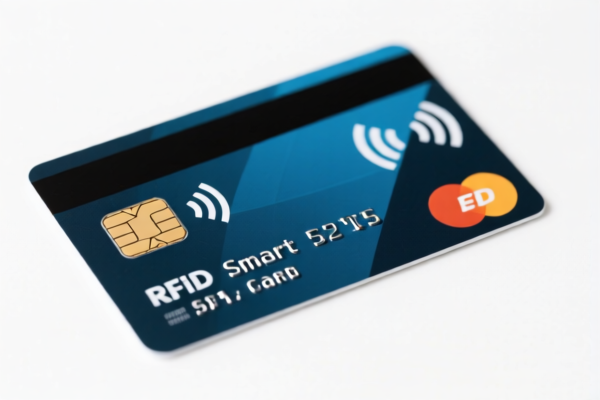
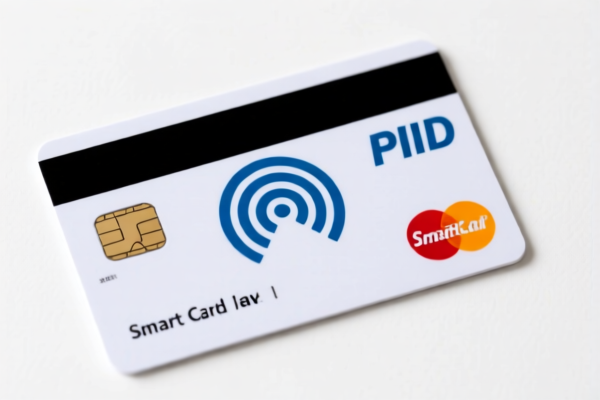


AI分析
🧪 Rapid Test Kits (Antigen/Antibody Detection Cards)
🌐 HS Code Reference & Customs Clearance Guide | 2026 Latest Tariff Analysis | Professional Clearance Strategy
📌 I. Product Definition & Classification: What Exactly Are You Shipping?
Rapid Detection Cards (Antigen/Antibody) are diagnostic instruments used for point-of-care testing. In international trade, the classification depends heavily on the primary function and the nature of the reagents (biological vs. chemical).
Diagnostic Kits (Biological/Immunological): Contain specific antigens or antibodies as key reagents for immune reactions. Analytical Devices (Chemical/Physical): Used for general chemical or biochemical analysis, where the card is merely a substrate or device for measurement.
⚠️ Key Distinction Point:
- If the core value and function rely on specific biological recognition (Antigen-Antibody binding) for diagnosis → Classify under Chapter 30 (Pharmaceuticals/Biologicals) or 3822 (Diagnostic Reagents).
- If the item is viewed primarily as an instrumental device for chemical analysis → Classify under Chapter 90 (Optical/Scientific Instruments).
📦 II. HS Code Classification Details (2026 Latest Tariff Authority Comparison)
Based on the provided data, here are the four potential classifications for "Rapid Detection Cards" containing antigens/antibodies.
| HS Code | Product Description | Application Logic | Tax Rate (Total) |
|---|---|---|---|
3002.15.00.91 |
Biological Preparations: Other cultures of microorganisms and similar products; vaccines, toxins, cultures of pathogens or parasitic substances, antisera and other blood fractions, immunological products, whether or not modified or obtained by biotechnological processes. | Core function involves immunological reactions; classified as immunological products/biological preparations. | 10.0% |
3002.14.00.90 |
Biological Preparations: Antiserum and other blood fractions; vaccines, toxins, cultures of microorganisms or similar products. | Belongs to the category of immunological products (antigen detection); its form is an immunological reagent. | 10.0% |
3822.19.00.30 |
Diagnostic Reagents: Prepared diagnostic or laboratory reagents, whether or not on backs, containing antigens, antibodies or serums; other prepared enzymes and other prepared biological materials. | The product name explicitly contains "Antigen"; fits the core use characteristic of "containing antigens"; belongs to the diagnostic/lab reagent category. | 10.0% |
9027.89.80.30 |
Instruments/Apparatus: Instruments and apparatus for physical or chemical analysis (e.g., polarimeters, refractometers, spectrometers); chromatographs; electrophoresis apparatus. | Belongs to the application of chemical analysis (immunochemical analysis); fits the logic of use for chemical analysis instruments. | 35.0% |
9027.89.45.30 |
Instruments/Apparatus: Other instruments and apparatus for physical or chemical analysis. | Use Match: Belongs to chemical/biochemical analysis devices; Material/Form Match: Classified as analytical consumables/devices. | 35.0% |
🔍 Critical Insight:
- The 10% tariff group (3002&3822) is based on the biological/diagnostic reagent nature of the product (Antigen/Antibody). This is generally the most accurate for rapid diagnostic kits (RDTs). - The 35% tariff group (9027) classifies the item as a general analytical instrument/device. This often results in higher duties and is typically used for equipment rather than single-use diagnostic cards.
💰 III. 2026 Latest Tariff Rate Breakdown (Including Surtaxes & Policy Add-ons)
✅ Applicable Country: United States (US)
✅ Country of Origin: China (CN)
✅ Effective Time: Post-2025 (Current 122-Clause Tariffs Apply)
🎯 1. The "Biological/Reagent" Group (3002.15.00.91, 3002.14.00.90, 3822.19.00.30)
| Item | Content |
|---|---|
| Base Tariff | 0% (ad valorem) |
| Section 301 Surtax | 0% (No additional 25% surcharge for these specific subheadings in the provided data) |
| 122-Clause Tariff | +10% (Targeting specific Chinese imports, applies to these codes) |
| Total Tariff Rate | 10.0% |
| Calculation Method | CIF Value × 10% |
| De Minimis Exemption? | ❌ No (Generally, commercial shipments over $800 are subject to duties; even if under, classification risks remain) |
| Legal Basis Path | USITC:3002.15.00.91 / 3822.19.00.30 → 122-Clause: 10% |
📌 Explanation:
- These codes are favored for diagnostic kits because they attract a significantly lower total duty (10% vs 35%). - The 122-Clause tariff is a specific trade remedy duty applied to certain Chinese-origin goods. It is explicitly listed for these codes. - No 25% Section 301 tariff is applied here according to the provided data, making this the cost-effective classification route.
🎯 2. The "Analytical Instrument" Group (9027.89.80.30, 9027.89.45.30)
| Item | Content |
|---|---|
| Base Tariff | 0% (ad valorem) |
| Section 301 Surtax | +25% (Standard 301 tariff for many Chapter 90 items from China) |
| 122-Clause Tariff | +10% (Applied to these codes as well) |
| Total Tariff Rate | 35.0% |
| Calculation Method | CIF Value × 35% |
| De Minimis Exemption? | ❌ No |
| Legal Basis Path | USITC:9027.89.80.30 / 9027.89.45.30 → Section 301: 25% + 122-Clause: 10% |
📌 Explanation:
- Classifying rapid tests as "analytical instruments" triggers the 25% Section 301 tariff. - Combined with the 10% 122-Clause tariff, the total duty hits 35%. - This classification is significantly more expensive and should only be used if the product is a reusable instrument, not a single-use diagnostic card.
🛠️ IV. Customs Clearance Practical Advice (Field Avoidance Guide)
✅ 1. Document Checklist (None of these are optional)
| Document | Required? | Description |
|---|---|---|
| ✅ Product Specification Sheet | ✔️ | Must detail: Test type (Antigen/Antibody), target analyte, detection method (e.g., Immunochromatography), kit components. |
| ✅ Formula/Reagent Composition | ✔️ | Critical: List the exact antigens/antibodies used. Proves "Biological/Reagent" status (Chapter 30/38) vs. "Instrument" status (Chapter 90). |
| ✅ Product Photos | ✔️ | Clear images of the card, packaging, and labeling showing "For Diagnostic Use". |
| ✅ Commercial Invoice | ✔️ | Description must include: "Rapid Diagnostic Test Kit, Antigen/Antibody Detection, For Laboratory/Clinical Use". Avoid vague terms like "Test Device". |
| ✅ Certificate of Origin (CO) | ✔️ | To confirm Chinese origin (subject to 122-Clause tariff). |
| ✅ FDA Registration/EUA Status | ✔️ | If sold in the US, provide FDA 510(k) or EUA letter. Customs may request this to verify medical/diagnostic use. |
✅ 2. Declaration Strategy (Key Mantra)
🔥 "Highlight 'Diagnostic', Specify 'Antigen', Avoid 'Instrument'!"
| Scenario | Correct Declaration | Wrong Declaration |
|---|---|---|
| Single-use Card | 3822.19.00.30 or 3002.14.00.90 Desc: Diagnostic Reagent Kit, contains Antigen |
9027.89.80.30 Desc: Analytical Instrument → 35% Tax |
| Reusable Reader Device | 9027.89.80.30 Desc: Optical Reader for Diagnostic Use |
3822.19.00.30 Desc: Reagent → Misclassification |
| Mixed Shipment (Kit + Reader) | Split declarations. Kits under 3822/3002, Reader under 9027. |
Bundle them as one "Kit" under 9027 → 35% on entire value |
📌 Tip:
- For Rapid Test Cards, always emphasize they are "Consumable Diagnostic Reagents". - Avoid words like "Machine," "Device," or "Analyzer" in the description unless referring to a separate electronic reader. - Use the term "Immunochromatographic Assay" to reinforce the biological/chemical reagent nature.
✅ 3. Special Circumstances
| Situation | Handling Advice |
|---|---|
| Antigen vs. Antibody | Both fall under 3002 (Biologicals) or 3822 (Reagents). Ensure the formula highlights the active antigen/antibody. |
| Home Use vs. Clinical | Both are "Diagnostic." However, home-use kits may face additional FDA marketing restrictions, but customs classification remains the same. |
| 122-Clause Tariff Risk | Since the 122-Clause tariff (10%) applies to all four codes, origin planning is crucial. If possible, sourcing from non-China origins (e.g., Vietnam, Malaysia) might exempt you from the 10% 122-Clause duty, though Section 301 may still apply depending on the code. |
🌍 V. Global Market Comparison (2026 Latest)
| Country/Region | Recommended HS Code | Total Tariff (China Origin) | Certification Requirements | Notes |
|---|---|---|---|---|
| 🇺🇸 USA | 3822.19.00.30 or 3002.14.00.90 |
10% (Base 0% + 122-Clause 10%) | FDA 510(k) / EUA | Avoid 9027 to save 25%. |
| 🇨🇳 China (Import) | 3002.14.00.90 |
~10% (MFN) | NMPA Registration | Standard diagnostic reagent import. |
| 🇪🇺 EU | 3822.00 or 9027.89 |
0% - 4.5% | CE Marking (IVDR) | IVDR classification varies (Class A vs C). |
| 🇬🇧 UK | 3002.15 or 3822.19 |
0% | UKCA Marking | Post-Brexit rules align closely with EU. |
📌 Conclusion:
- The USA is the most complex market due to the 122-Clause and potential Section 301 tariffs. - Correct classification under Chapter 38/30 saves 25% in duties compared to Chapter 90. - China-origin goods must budget for the 10% 122-Clause tariff regardless of the HS code chosen in the provided dataset.
📌 VI. Common Mistakes & Pitfalls (Blood Lessons)
❌ Mistake 1: Classifying a rapid test card as a "Testing Device" under 9027.
👉 Consequence: Duty jumps from 10% to 35% (+25% Section 301). Losing 25% profit margin!
❌ Mistake 2: Omitting "Contains Antigen" from the description.
👉 Consequence: Customs may reclassify as general chemical reagents or unclassified goods, leading to delays, audits, and potential penalties.
❌ Mistake 3: Not declaring the 122-Clause tariff compliance.
👉 Consequence: Even with a low base rate, the 10% 122-Clause is mandatory for Chinese origins. Failure to declare leads to seizure or fines.
❌ Mistake 4: Confusing "Reagent" with "Instrument".
👉 Consequence: A single-use card is NOT an instrument. It is a consumable. Misclassification leads to incorrect valuation and duty calculation.
✅ Correct Practice:
"Rapid Immunochromatographic Test Card for Antigen Detection, Containing Specific Antigens/Antibodies, For Diagnostic Use Only, Model XYZ, FDA Cleared."
🎯 VII. Conclusion: Professional Declaration, Save Costs, Ensure Clearance!
🎯 Remember the Mantra:
🔹 "Diagnostic Reagent, Not Instrument: 10% vs 35%."
🔹 "122-Clause Applies: Budget 10% for China Origin."
🔹 "Specify 'Antigen': Avoid Chapter 90 Traps."
📌 Pro Tip:
If your supply chain includes non-China origins (e.g., Southeast Asia), you may be able to avoid the 10% 122-Clause tariff, potentially lowering the total duty to 0% (if no Section 301 applies) or reducing costs significantly.
Apply for a Customs Ruling (Pre-Classification) before shipping to lock in the 10% duty rate and avoid clearance delays.
📣 Immediate Action:
📞 Contact your customs broker + Provide Reagent Formula + Request HS Code Pre-Ruling
🚀 Let your diagnostic kits clear smoothly, minimize costs, and maximize profit!
✨ Professional clearance starts with accurate classification!
💼 Every cent of duty saved is pure profit!
用户评价
关于 HS 编码归类
协调制度(HS)是由世界海关组织(WCO)制定的国际贸易商品分类标准。全球 200 多个国家采用 HS 系统作为海关关税、贸易统计和进出口监管的基础。
每个 HS 编码遵循以下层级结构:
- 章(2 位)——商品大类(例如:第 84 章:机器和机械设备)
- 品目(4 位)——章内的更具体分类
- 子目(6 位)——国际通用细分,所有 WCO 成员国统一使用
- 本国细分(8-10 位)——各国自行扩展的细分编码,如美国 HTSUS 10 位编码
正确的 HS 编码归类对于顺利通关、准确缴纳关税和遵守贸易法规至关重要。错误归类可能导致海关延误、多缴关税或罚款。
从CN进口到US时,适用的关税税率可能包括:
- 最惠国(MFN)税率——适用于 WTO 成员国的标准关税税率
- 普通税率——适用于无贸易协定国家
- 贸易救济关税——附加关税,如 301 条款(反倾销)、232 条款(国家安全)或反补贴税
本页内容仅供参考。如需正式归类,请咨询当地海关或持牌报关代理。