Rapid Detection Card Antigen Antibody
CN → US| HS Code | Tariff Rate | Origin | Destination | Doc |
|---|---|---|---|---|
| 9027898030 | 35.0% | CN | US | Official Doc |
| 3822190030 | 10.0% | CN | US | Official Doc |
| 3002150091 | 10.0% | CN | US | Official Doc |
| 3002140090 | 10.0% | CN | US | Official Doc |
| 9027894530 | 35.0% | CN | US | Official Doc |
Product Images
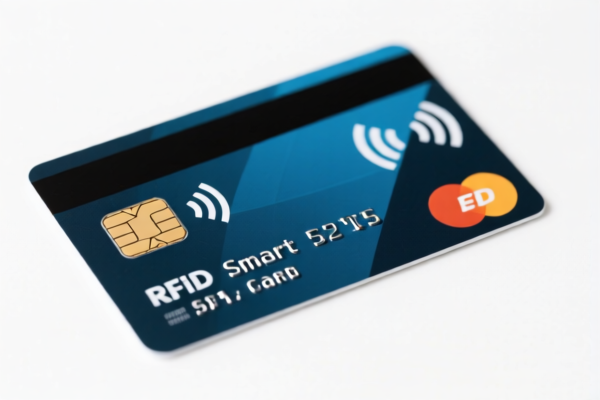
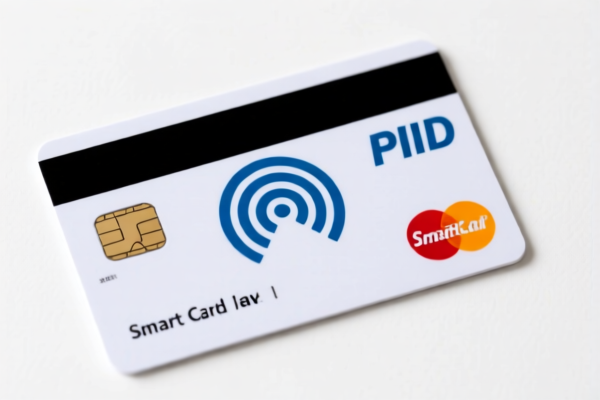


AI Analysis
🧪 Rapid Test Kits (Antigen/Antibody Detection Cards)
🌐 HS Code Reference & Customs Clearance Guide | 2026 Latest Tariff Analysis | Professional Clearance Strategy
📌 I. Product Definition & Classification: What Exactly Are You Shipping?
Rapid Detection Cards (Antigen/Antibody) are diagnostic instruments used for point-of-care testing. In international trade, the classification depends heavily on the primary function and the nature of the reagents (biological vs. chemical).
Diagnostic Kits (Biological/Immunological): Contain specific antigens or antibodies as key reagents for immune reactions. Analytical Devices (Chemical/Physical): Used for general chemical or biochemical analysis, where the card is merely a substrate or device for measurement.
⚠️ Key Distinction Point:
- If the core value and function rely on specific biological recognition (Antigen-Antibody binding) for diagnosis → Classify under Chapter 30 (Pharmaceuticals/Biologicals) or 3822 (Diagnostic Reagents).
- If the item is viewed primarily as an instrumental device for chemical analysis → Classify under Chapter 90 (Optical/Scientific Instruments).
📦 II. HS Code Classification Details (2026 Latest Tariff Authority Comparison)
Based on the provided data, here are the four potential classifications for "Rapid Detection Cards" containing antigens/antibodies.
| HS Code | Product Description | Application Logic | Tax Rate (Total) |
|---|---|---|---|
3002.15.00.91 |
Biological Preparations: Other cultures of microorganisms and similar products; vaccines, toxins, cultures of pathogens or parasitic substances, antisera and other blood fractions, immunological products, whether or not modified or obtained by biotechnological processes. | Core function involves immunological reactions; classified as immunological products/biological preparations. | 10.0% |
3002.14.00.90 |
Biological Preparations: Antiserum and other blood fractions; vaccines, toxins, cultures of microorganisms or similar products. | Belongs to the category of immunological products (antigen detection); its form is an immunological reagent. | 10.0% |
3822.19.00.30 |
Diagnostic Reagents: Prepared diagnostic or laboratory reagents, whether or not on backs, containing antigens, antibodies or serums; other prepared enzymes and other prepared biological materials. | The product name explicitly contains "Antigen"; fits the core use characteristic of "containing antigens"; belongs to the diagnostic/lab reagent category. | 10.0% |
9027.89.80.30 |
Instruments/Apparatus: Instruments and apparatus for physical or chemical analysis (e.g., polarimeters, refractometers, spectrometers); chromatographs; electrophoresis apparatus. | Belongs to the application of chemical analysis (immunochemical analysis); fits the logic of use for chemical analysis instruments. | 35.0% |
9027.89.45.30 |
Instruments/Apparatus: Other instruments and apparatus for physical or chemical analysis. | Use Match: Belongs to chemical/biochemical analysis devices; Material/Form Match: Classified as analytical consumables/devices. | 35.0% |
🔍 Critical Insight:
- The 10% tariff group (3002&3822) is based on the biological/diagnostic reagent nature of the product (Antigen/Antibody). This is generally the most accurate for rapid diagnostic kits (RDTs). - The 35% tariff group (9027) classifies the item as a general analytical instrument/device. This often results in higher duties and is typically used for equipment rather than single-use diagnostic cards.
💰 III. 2026 Latest Tariff Rate Breakdown (Including Surtaxes & Policy Add-ons)
✅ Applicable Country: United States (US)
✅ Country of Origin: China (CN)
✅ Effective Time: Post-2025 (Current 122-Clause Tariffs Apply)
🎯 1. The "Biological/Reagent" Group (3002.15.00.91, 3002.14.00.90, 3822.19.00.30)
| Item | Content |
|---|---|
| Base Tariff | 0% (ad valorem) |
| Section 301 Surtax | 0% (No additional 25% surcharge for these specific subheadings in the provided data) |
| 122-Clause Tariff | +10% (Targeting specific Chinese imports, applies to these codes) |
| Total Tariff Rate | 10.0% |
| Calculation Method | CIF Value × 10% |
| De Minimis Exemption? | ❌ No (Generally, commercial shipments over $800 are subject to duties; even if under, classification risks remain) |
| Legal Basis Path | USITC:3002.15.00.91 / 3822.19.00.30 → 122-Clause: 10% |
📌 Explanation:
- These codes are favored for diagnostic kits because they attract a significantly lower total duty (10% vs 35%). - The 122-Clause tariff is a specific trade remedy duty applied to certain Chinese-origin goods. It is explicitly listed for these codes. - No 25% Section 301 tariff is applied here according to the provided data, making this the cost-effective classification route.
🎯 2. The "Analytical Instrument" Group (9027.89.80.30, 9027.89.45.30)
| Item | Content |
|---|---|
| Base Tariff | 0% (ad valorem) |
| Section 301 Surtax | +25% (Standard 301 tariff for many Chapter 90 items from China) |
| 122-Clause Tariff | +10% (Applied to these codes as well) |
| Total Tariff Rate | 35.0% |
| Calculation Method | CIF Value × 35% |
| De Minimis Exemption? | ❌ No |
| Legal Basis Path | USITC:9027.89.80.30 / 9027.89.45.30 → Section 301: 25% + 122-Clause: 10% |
📌 Explanation:
- Classifying rapid tests as "analytical instruments" triggers the 25% Section 301 tariff. - Combined with the 10% 122-Clause tariff, the total duty hits 35%. - This classification is significantly more expensive and should only be used if the product is a reusable instrument, not a single-use diagnostic card.
🛠️ IV. Customs Clearance Practical Advice (Field Avoidance Guide)
✅ 1. Document Checklist (None of these are optional)
| Document | Required? | Description |
|---|---|---|
| ✅ Product Specification Sheet | ✔️ | Must detail: Test type (Antigen/Antibody), target analyte, detection method (e.g., Immunochromatography), kit components. |
| ✅ Formula/Reagent Composition | ✔️ | Critical: List the exact antigens/antibodies used. Proves "Biological/Reagent" status (Chapter 30/38) vs. "Instrument" status (Chapter 90). |
| ✅ Product Photos | ✔️ | Clear images of the card, packaging, and labeling showing "For Diagnostic Use". |
| ✅ Commercial Invoice | ✔️ | Description must include: "Rapid Diagnostic Test Kit, Antigen/Antibody Detection, For Laboratory/Clinical Use". Avoid vague terms like "Test Device". |
| ✅ Certificate of Origin (CO) | ✔️ | To confirm Chinese origin (subject to 122-Clause tariff). |
| ✅ FDA Registration/EUA Status | ✔️ | If sold in the US, provide FDA 510(k) or EUA letter. Customs may request this to verify medical/diagnostic use. |
✅ 2. Declaration Strategy (Key Mantra)
🔥 "Highlight 'Diagnostic', Specify 'Antigen', Avoid 'Instrument'!"
| Scenario | Correct Declaration | Wrong Declaration |
|---|---|---|
| Single-use Card | 3822.19.00.30 or 3002.14.00.90 Desc: Diagnostic Reagent Kit, contains Antigen |
9027.89.80.30 Desc: Analytical Instrument → 35% Tax |
| Reusable Reader Device | 9027.89.80.30 Desc: Optical Reader for Diagnostic Use |
3822.19.00.30 Desc: Reagent → Misclassification |
| Mixed Shipment (Kit + Reader) | Split declarations. Kits under 3822/3002, Reader under 9027. |
Bundle them as one "Kit" under 9027 → 35% on entire value |
📌 Tip:
- For Rapid Test Cards, always emphasize they are "Consumable Diagnostic Reagents". - Avoid words like "Machine," "Device," or "Analyzer" in the description unless referring to a separate electronic reader. - Use the term "Immunochromatographic Assay" to reinforce the biological/chemical reagent nature.
✅ 3. Special Circumstances
| Situation | Handling Advice |
|---|---|
| Antigen vs. Antibody | Both fall under 3002 (Biologicals) or 3822 (Reagents). Ensure the formula highlights the active antigen/antibody. |
| Home Use vs. Clinical | Both are "Diagnostic." However, home-use kits may face additional FDA marketing restrictions, but customs classification remains the same. |
| 122-Clause Tariff Risk | Since the 122-Clause tariff (10%) applies to all four codes, origin planning is crucial. If possible, sourcing from non-China origins (e.g., Vietnam, Malaysia) might exempt you from the 10% 122-Clause duty, though Section 301 may still apply depending on the code. |
🌍 V. Global Market Comparison (2026 Latest)
| Country/Region | Recommended HS Code | Total Tariff (China Origin) | Certification Requirements | Notes |
|---|---|---|---|---|
| 🇺🇸 USA | 3822.19.00.30 or 3002.14.00.90 |
10% (Base 0% + 122-Clause 10%) | FDA 510(k) / EUA | Avoid 9027 to save 25%. |
| 🇨🇳 China (Import) | 3002.14.00.90 |
~10% (MFN) | NMPA Registration | Standard diagnostic reagent import. |
| 🇪🇺 EU | 3822.00 or 9027.89 |
0% - 4.5% | CE Marking (IVDR) | IVDR classification varies (Class A vs C). |
| 🇬🇧 UK | 3002.15 or 3822.19 |
0% | UKCA Marking | Post-Brexit rules align closely with EU. |
📌 Conclusion:
- The USA is the most complex market due to the 122-Clause and potential Section 301 tariffs. - Correct classification under Chapter 38/30 saves 25% in duties compared to Chapter 90. - China-origin goods must budget for the 10% 122-Clause tariff regardless of the HS code chosen in the provided dataset.
📌 VI. Common Mistakes & Pitfalls (Blood Lessons)
❌ Mistake 1: Classifying a rapid test card as a "Testing Device" under 9027.
👉 Consequence: Duty jumps from 10% to 35% (+25% Section 301). Losing 25% profit margin!
❌ Mistake 2: Omitting "Contains Antigen" from the description.
👉 Consequence: Customs may reclassify as general chemical reagents or unclassified goods, leading to delays, audits, and potential penalties.
❌ Mistake 3: Not declaring the 122-Clause tariff compliance.
👉 Consequence: Even with a low base rate, the 10% 122-Clause is mandatory for Chinese origins. Failure to declare leads to seizure or fines.
❌ Mistake 4: Confusing "Reagent" with "Instrument".
👉 Consequence: A single-use card is NOT an instrument. It is a consumable. Misclassification leads to incorrect valuation and duty calculation.
✅ Correct Practice:
"Rapid Immunochromatographic Test Card for Antigen Detection, Containing Specific Antigens/Antibodies, For Diagnostic Use Only, Model XYZ, FDA Cleared."
🎯 VII. Conclusion: Professional Declaration, Save Costs, Ensure Clearance!
🎯 Remember the Mantra:
🔹 "Diagnostic Reagent, Not Instrument: 10% vs 35%."
🔹 "122-Clause Applies: Budget 10% for China Origin."
🔹 "Specify 'Antigen': Avoid Chapter 90 Traps."
📌 Pro Tip:
If your supply chain includes non-China origins (e.g., Southeast Asia), you may be able to avoid the 10% 122-Clause tariff, potentially lowering the total duty to 0% (if no Section 301 applies) or reducing costs significantly.
Apply for a Customs Ruling (Pre-Classification) before shipping to lock in the 10% duty rate and avoid clearance delays.
📣 Immediate Action:
📞 Contact your customs broker + Provide Reagent Formula + Request HS Code Pre-Ruling
🚀 Let your diagnostic kits clear smoothly, minimize costs, and maximize profit!
✨ Professional clearance starts with accurate classification!
💼 Every cent of duty saved is pure profit!
Customer Reviews
About HS Code Classification
The Harmonized System (HS) is an internationally standardized nomenclature developed by the World Customs Organization (WCO) to classify traded products. Over 200 countries use the HS system as the basis for customs tariffs, trade statistics, and import/export regulations.
Each HS code follows a hierarchical structure:
- Chapter (2 digits) — Broad category of goods (e.g., Chapter 84: Machinery and Mechanical Appliances)
- Heading (4 digits) — More specific grouping within the chapter
- Subheading (6 digits) — Internationally standardized breakdown, used by all WCO member countries
- National subdivisions (8-10 digits) — Country-specific extensions for further classification, such as US HTSUS 10-digit codes
Correct HS code classification is essential for smooth customs clearance, accurate duty payment, and compliance with trade regulations. Misclassification can lead to customs delays, overpayment of duties, or penalties.
When importing from CN to US, the applicable tariff rates may include:
- Most-Favored-Nation (MFN) rate — The standard duty rate applied to WTO members
- General rate — Applied to countries without trade agreements
- Trade remedy duties — Additional tariffs such as Section 301 (anti-dumping), Section 232 (national security), or countervailing duties
The information provided on this page is for reference purposes only. For official classification, please consult with your local customs authority or a licensed customs broker.