Raw Hides and Leather Waste
CN → US| HS编码 | 关税税率 | 原产国 | 目的国 | 文档 |
|---|---|---|---|---|
| 4115200000 | 17.5% | CN | US | 官方文档 |
| 4101901040 | 17.5% | CN | US | 官方文档 |
| 4101907000 | 20.8% | CN | US | 官方文档 |
商品图片
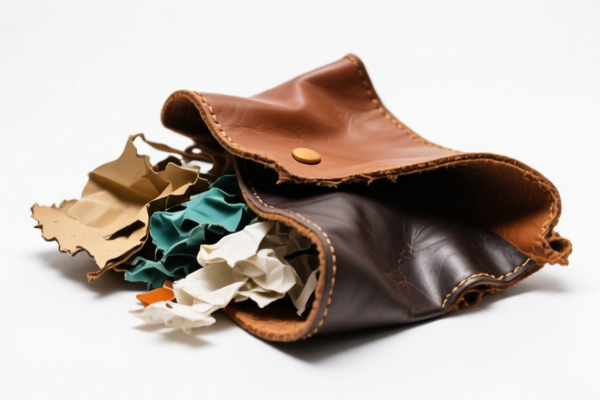
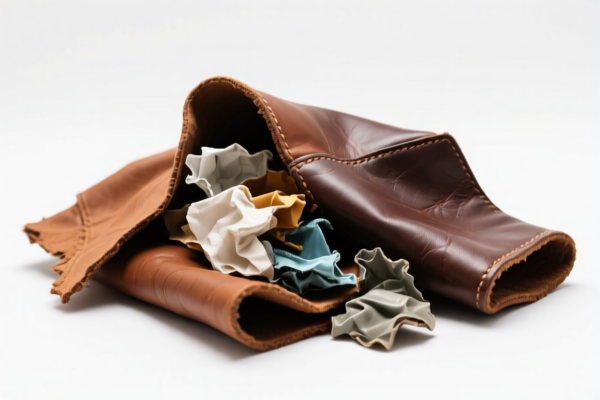


AI分析
🐎 Raw Hides & Leather Waste (Equine Origin)
🌐 HS Code Reference & Clearance Guide | 2026 Latest Tariff Analysis | Professional Strategy for US Import
📌 One: Product Definition & Classification: Do You Truly Understand "Equine Leather Waste"?
Raw hides and leather waste from horses are not a single monolithic category. In international trade, the classification depends strictly on the state of processing and the form of the material. The distinction lies between "waste/scrap" (cuttings, offcuts) and "raw/unworked skins" (intact or partially preserved).
⚠️ Critical Distinction:
- If the material consists of discarded remnants, trimmings, or shredded remnants → It falls under Chapter 41.15 (Leather Waste).
- If the material consists of intact, raw, or slightly cured skins (even if destined for further processing) → It falls under Chapter 41.01 (Raw Hides and Skins).
- Mistake Alert: Classifying raw intact skins as "waste" or vice versa leads to significant tariff discrepancies and potential customs holds.
📦 Two: HS Code Classification Details (2026 Latest Tariff Authority Comparison)
Based on the provided data, here are the three specific HS Codes for Equine Raw Hides and Leather Waste:
| HS Code | Product Description | Key Characteristics | Classification Logic |
|---|---|---|---|
4115.20.00.00 |
Leather Waste, Scrap of Horsehide | Material: Horsehide Form: Waste/Scrap |
Fits the classification of leather边角料 (edge trimmings) and waste. Applies to discarded remnants after tanning or cutting. |
4101.90.10.40 |
Raw Horsehide Skins (Equine) | Material: Equine Skins Form: Unprocessed Raw Skins |
Fits the classification of raw skins of equine animals. Applies to intact skins that have not been fully processed into leather yet. |
4101.90.70.00 |
Other Raw Skins of Equine Animals | Material: Horsehide Form: Raw Skin Category |
Applies a catch-all logic for other raw skins that don't fit specific sub-categories. Used as a fallback for raw skins. |
🔍 Key Reminder:
-4115.20.00.00is for WASTE. If you are importing trimmings from a leather factory, this is likely your code.
-4101.90.10.40and4101.90.70.00are for RAW SKINS. If you are importing whole hides from a slaughterhouse or farm, these apply.
- The tax rate difference is significant (17.5% vs. 20.8%), making accurate classification crucial for cost control.
💰 Three: 2026 Latest Tariff Rate Breakdown (Including Surcharges)
✅ Applicable Country: United States (US)
✅ Country of Origin: China (CN)
✅ Effective Date: Current rates apply (Subject to 122 Clause adjustments)
🎯 1. 4115.20.00.00 —— Leather Waste, Scrap of Horsehide
| Item | Content |
|---|---|
| Base Tariff Rate | 0.0% (ad valorem) |
| Section 301 Surcharge | 7.5% |
| Clause 122 Tariff | 10% |
| Total Effective Rate | 17.5% |
| Tax Calculation | CIF Value × 17.5% |
| De Minimis Exemption | ❌ Not Eligible (High risk for low-value shipments) |
| Legal Basis Path | USITC:4115.20.00.00 → Section 301: 7.5% → Clause 122: 10% |
📌 Explanation:
- Although the base duty is 0%, the 17.5% total includes significant political tariffs.
- Section 301 (7.5%) is the standard additional tariff on many Chinese goods.
- Clause 122 (10%) is a specific additional duty often applied to raw materials and waste to protect domestic recycling/manufacturing industries.
🎯 2. 4101.90.10.40 —— Raw Equine Skins (Specific Sub-category)
| Item | Content |
|---|---|
| Base Tariff Rate | 0.0% |
| Section 301 Surcharge | 7.5% |
| Clause 122 Tariff | 10% |
| Total Effective Rate | 17.5% |
| Tax Calculation | CIF Value × 17.5% |
| De Minimis Exemption | ❌ Not Eligible |
| Legal Basis Path | USITC:4101.90.10.40 → Section 301: 7.5% → Clause 122: 10% |
📌 Note:
- Same tariff structure as the waste code.
- This code is more specific (10.40) indicating a specific listing for equine raw skins.
- Ensure the declaration explicitly states "Raw Skins of Equine Animals" to avoid being misclassified as "other" raw skins.
🎯 3. 4101.90.70.00 —— Other Raw Skins of Equine Animals (Catch-all)
| Item | Content |
|---|---|
| Base Tariff Rate | 3.3% |
| Section 301 Surcharge | 7.5% |
| Clause 122 Tariff | 10% |
| Total Effective Rate | 20.8% |
| Tax Calculation | CIF Value × 20.8% |
| De Minimis Exemption | ❌ Not Eligible |
| Legal Basis Path | USITC:4101.90.70.00 → Base: 3.3% → Section 301: 7.5% → Clause 122: 10% |
📌 Warning:
- This is the most expensive option at 20.8%.
- The 3.3% base tariff is higher because it is a "catch-all" category for raw skins that do not fit the specific10.40definition.
- Strategy: If your goods fit4101.90.10.40, DO NOT use4101.90.70.00. You will pay an extra 3.3% unnecessarily.
🛠️ Four: Customs Clearance Practical Advice (Battle-Tested Pitfall Avoidance)
✅ 1. Document Checklist (Non-Negotiable)
| Document | Must Provide | Explanation |
|---|---|---|
| ✅ Product Specifications | ✔️ | Clearly state: "Horsehide Raw Skins" OR "Horsehide Leather Waste". Do NOT just say "Leather". |
| ✅ Photos of Goods | ✔️ | Show whether the goods are intact skins (raw) or shredded/cut pieces (waste). This is the primary evidence for HS Code selection. |
| ✅ Processing Statement | ✔️ | Confirm if skins are salted, dried, or fresh. |
| ✅ Commercial Invoice | ✔️ | Value must reflect CIF. Declare correctly as "Raw Skins" or "Leather Waste". |
| ✅ Packing List | ✔️ | Detail the weight and quantity. Ensure consistency with the invoice. |
| ✅ Origin Certificate | ✔️ | Required for Section 301 and Clause 122 verification. |
✅ 2. Declaration Tips (Key Mantra)
🔥 "Form Determines Code: Waste is 17.5%, Raw Intact is 17.5% or 20.8%. Be Precise!"
| Scenario | Correct Declaration | Wrong Practice |
|---|---|---|
| Trimings/Offcuts | HS: 4115.20.00.00Name: "Horsehide Leather Waste/Scrap" |
Declaring as "Raw Skins" → Risk of over-tax or mismatch |
| Whole Skins (Salted/Dried) | HS: 4101.90.10.40Name: "Raw Skins of Equine Animals" |
Using 4101.90.70.00 → Pay 20.8% instead of 17.5% |
| Mixed Shipment | Split into two HS codes | Combining waste and raw skins → Customs Rejection/Audit |
✅ 3. Special Handling Scenarios
| Scenario | Handling Advice |
|---|---|
| "Reconstituted Leather" | If waste is glued/backed to form sheets, it may move to Chapter 39 or 59. Do NOT declare as raw waste. |
| Fresh vs. Salted | Fresh skins may require phytosanitary certificates or specific animal health declarations. |
| Small Sample Shipments | Even small quantities of raw hides are subject to full duties. De Minimis (800 USD) does NOT apply due to the nature of goods and country of origin. |
| Misclassification Risk | If you declare 4101.90.70.00 (20.8%) but goods clearly fit 4101.90.10.40 (17.5%), you may face a refund request and administrative penalties. |
🌍 Five: Global Market Comparison (2026 Update)
| Country/Region | Recommended HS Code | Tariff (China Origin) | Certification Requirements | Notes |
|---|---|---|---|---|
| 🇺🇸 USA | 4115.20.00.00 or 4101.90.xxxx |
17.5% - 20.8% | No specific certs for waste/skins, but strict accuracy required | High tariff impact due to Clause 122 |
| 🇨🇳 China | 4101.10 or 4115.10 |
Low/0% (Varies by sub-cat) | Animal Quarantine Certificate | Import duty is lower, but strict on animal products |
| 🇪🇺 EU | 4101 or 4115 |
Variable (0-12%) | EORI, Animal Health Certs | EU has strict animal welfare and health regulations |
| 🇬🇧 UK | 4101 or 4115 |
Variable | Post-Brexit Import Controls | Similar to EU but with separate customs procedures |
📌 Conclusion:
- The USA imposes a heavy burden via Clause 122 (10%) and Section 301.
- Classification accuracy is vital: A 3.3% difference (17.5% vs 20.8%) is significant on large volumes.
📌 Six: Common Errors & Pitfall Guide (Lessons Learned)
❌ Error 1: Calling "Raw Skins" "Leather Waste" to avoid base duties
👉 Consequence: Customs audit, detention, and potential fraud allegations. Even if the rate is similar, the legal definition differs.
❌ Error 2: Using 4101.90.70.00 (20.8%) when 4101.90.10.40 (17.5%) applies
👉 Consequence: Overpayment of 3.3% on every shipment. Always check the specific sub-heading for "Equine" before falling back to the "Other" category.
❌ Error 3: Ignoring the "Clause 122" tariff
👉 Consequence: Underquoting the landed cost. The 10% is automatic for Chinese-origin goods in this category. Do not assume it's waived.
❌ Error 4: Declaring "General Leather" without specifying "Equine"
👉 Consequence: Customs may assign a generic code with higher duties or reject the shipment for lack of specificity.
✅ Correct Practice:
"Raw Skins, Horse, Salted, Dried, 50pcs, HS 4101.90.10.40"
OR
"Leather Waste, Horsehide Scraps, Loose, HS 4115.20.00.00"
🎯 Seven: Conclusion: Precision Saves Money!
🎯 Remember the Mantra:
🔹 "Waste is 4115, Raw is 4101."
🔹 "Specific Sub-code 10.40 beats General 70.00."
🔹 "17.5% vs 20.8% – Choose Wisely!"
🔹 "Clause 122 is Always On – Budget for 10%!"
📌 Pro Tip:
If you are importing large volumes, consider applying for an Advance Ruling from US Customs and Border Protection (CBP) to lock in the HS Code and avoid post-import audits. Also, verify if your specific supplier has a history of classification errors.
📣 Immediate Action:
📞 Contact your Customs Broker with photos of the actual goods (raw vs. waste).
📋 Verify the HS Code against the specific sub-headings (10.40vs70.00).
🚀 Ensure your Commercial Invoice matches the declared HS Code description exactly.
✨ Professional Clearance Starts with Precise Classification!
💼 Every percent saved is pure profit!
用户评价
关于 HS 编码归类
协调制度(HS)是由世界海关组织(WCO)制定的国际贸易商品分类标准。全球 200 多个国家采用 HS 系统作为海关关税、贸易统计和进出口监管的基础。
每个 HS 编码遵循以下层级结构:
- 章(2 位)——商品大类(例如:第 84 章:机器和机械设备)
- 品目(4 位)——章内的更具体分类
- 子目(6 位)——国际通用细分,所有 WCO 成员国统一使用
- 本国细分(8-10 位)——各国自行扩展的细分编码,如美国 HTSUS 10 位编码
正确的 HS 编码归类对于顺利通关、准确缴纳关税和遵守贸易法规至关重要。错误归类可能导致海关延误、多缴关税或罚款。
从CN进口到US时,适用的关税税率可能包括:
- 最惠国(MFN)税率——适用于 WTO 成员国的标准关税税率
- 普通税率——适用于无贸易协定国家
- 贸易救济关税——附加关税,如 301 条款(反倾销)、232 条款(国家安全)或反补贴税
本页内容仅供参考。如需正式归类,请咨询当地海关或持牌报关代理。