Raw Hides and Leather Waste
CN → US| HS Code | Tariff Rate | Origin | Destination | Doc |
|---|---|---|---|---|
| 4115200000 | 17.5% | CN | US | Official Doc |
| 4101901040 | 17.5% | CN | US | Official Doc |
| 4101907000 | 20.8% | CN | US | Official Doc |
Product Images
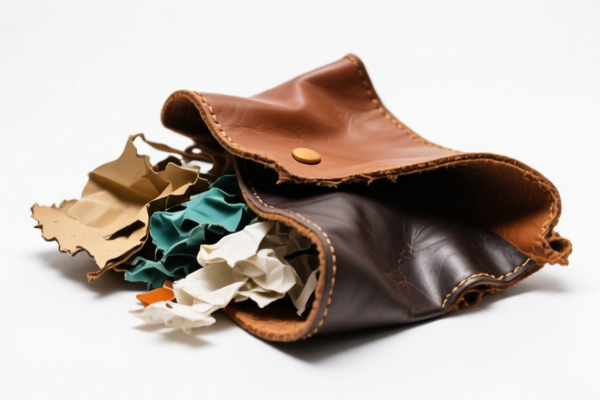
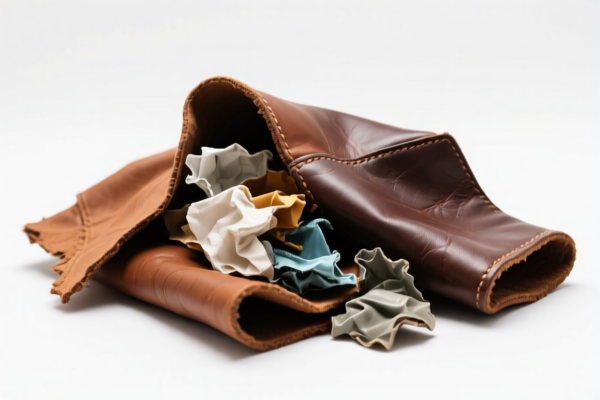


AI Analysis
🐎 Raw Hides & Leather Waste (Equine Origin)
🌐 HS Code Reference & Clearance Guide | 2026 Latest Tariff Analysis | Professional Strategy for US Import
📌 One: Product Definition & Classification: Do You Truly Understand "Equine Leather Waste"?
Raw hides and leather waste from horses are not a single monolithic category. In international trade, the classification depends strictly on the state of processing and the form of the material. The distinction lies between "waste/scrap" (cuttings, offcuts) and "raw/unworked skins" (intact or partially preserved).
⚠️ Critical Distinction:
- If the material consists of discarded remnants, trimmings, or shredded remnants → It falls under Chapter 41.15 (Leather Waste).
- If the material consists of intact, raw, or slightly cured skins (even if destined for further processing) → It falls under Chapter 41.01 (Raw Hides and Skins).
- Mistake Alert: Classifying raw intact skins as "waste" or vice versa leads to significant tariff discrepancies and potential customs holds.
📦 Two: HS Code Classification Details (2026 Latest Tariff Authority Comparison)
Based on the provided data, here are the three specific HS Codes for Equine Raw Hides and Leather Waste:
| HS Code | Product Description | Key Characteristics | Classification Logic |
|---|---|---|---|
4115.20.00.00 |
Leather Waste, Scrap of Horsehide | Material: Horsehide Form: Waste/Scrap |
Fits the classification of leather边角料 (edge trimmings) and waste. Applies to discarded remnants after tanning or cutting. |
4101.90.10.40 |
Raw Horsehide Skins (Equine) | Material: Equine Skins Form: Unprocessed Raw Skins |
Fits the classification of raw skins of equine animals. Applies to intact skins that have not been fully processed into leather yet. |
4101.90.70.00 |
Other Raw Skins of Equine Animals | Material: Horsehide Form: Raw Skin Category |
Applies a catch-all logic for other raw skins that don't fit specific sub-categories. Used as a fallback for raw skins. |
🔍 Key Reminder:
-4115.20.00.00is for WASTE. If you are importing trimmings from a leather factory, this is likely your code.
-4101.90.10.40and4101.90.70.00are for RAW SKINS. If you are importing whole hides from a slaughterhouse or farm, these apply.
- The tax rate difference is significant (17.5% vs. 20.8%), making accurate classification crucial for cost control.
💰 Three: 2026 Latest Tariff Rate Breakdown (Including Surcharges)
✅ Applicable Country: United States (US)
✅ Country of Origin: China (CN)
✅ Effective Date: Current rates apply (Subject to 122 Clause adjustments)
🎯 1. 4115.20.00.00 —— Leather Waste, Scrap of Horsehide
| Item | Content |
|---|---|
| Base Tariff Rate | 0.0% (ad valorem) |
| Section 301 Surcharge | 7.5% |
| Clause 122 Tariff | 10% |
| Total Effective Rate | 17.5% |
| Tax Calculation | CIF Value × 17.5% |
| De Minimis Exemption | ❌ Not Eligible (High risk for low-value shipments) |
| Legal Basis Path | USITC:4115.20.00.00 → Section 301: 7.5% → Clause 122: 10% |
📌 Explanation:
- Although the base duty is 0%, the 17.5% total includes significant political tariffs.
- Section 301 (7.5%) is the standard additional tariff on many Chinese goods.
- Clause 122 (10%) is a specific additional duty often applied to raw materials and waste to protect domestic recycling/manufacturing industries.
🎯 2. 4101.90.10.40 —— Raw Equine Skins (Specific Sub-category)
| Item | Content |
|---|---|
| Base Tariff Rate | 0.0% |
| Section 301 Surcharge | 7.5% |
| Clause 122 Tariff | 10% |
| Total Effective Rate | 17.5% |
| Tax Calculation | CIF Value × 17.5% |
| De Minimis Exemption | ❌ Not Eligible |
| Legal Basis Path | USITC:4101.90.10.40 → Section 301: 7.5% → Clause 122: 10% |
📌 Note:
- Same tariff structure as the waste code.
- This code is more specific (10.40) indicating a specific listing for equine raw skins.
- Ensure the declaration explicitly states "Raw Skins of Equine Animals" to avoid being misclassified as "other" raw skins.
🎯 3. 4101.90.70.00 —— Other Raw Skins of Equine Animals (Catch-all)
| Item | Content |
|---|---|
| Base Tariff Rate | 3.3% |
| Section 301 Surcharge | 7.5% |
| Clause 122 Tariff | 10% |
| Total Effective Rate | 20.8% |
| Tax Calculation | CIF Value × 20.8% |
| De Minimis Exemption | ❌ Not Eligible |
| Legal Basis Path | USITC:4101.90.70.00 → Base: 3.3% → Section 301: 7.5% → Clause 122: 10% |
📌 Warning:
- This is the most expensive option at 20.8%.
- The 3.3% base tariff is higher because it is a "catch-all" category for raw skins that do not fit the specific10.40definition.
- Strategy: If your goods fit4101.90.10.40, DO NOT use4101.90.70.00. You will pay an extra 3.3% unnecessarily.
🛠️ Four: Customs Clearance Practical Advice (Battle-Tested Pitfall Avoidance)
✅ 1. Document Checklist (Non-Negotiable)
| Document | Must Provide | Explanation |
|---|---|---|
| ✅ Product Specifications | ✔️ | Clearly state: "Horsehide Raw Skins" OR "Horsehide Leather Waste". Do NOT just say "Leather". |
| ✅ Photos of Goods | ✔️ | Show whether the goods are intact skins (raw) or shredded/cut pieces (waste). This is the primary evidence for HS Code selection. |
| ✅ Processing Statement | ✔️ | Confirm if skins are salted, dried, or fresh. |
| ✅ Commercial Invoice | ✔️ | Value must reflect CIF. Declare correctly as "Raw Skins" or "Leather Waste". |
| ✅ Packing List | ✔️ | Detail the weight and quantity. Ensure consistency with the invoice. |
| ✅ Origin Certificate | ✔️ | Required for Section 301 and Clause 122 verification. |
✅ 2. Declaration Tips (Key Mantra)
🔥 "Form Determines Code: Waste is 17.5%, Raw Intact is 17.5% or 20.8%. Be Precise!"
| Scenario | Correct Declaration | Wrong Practice |
|---|---|---|
| Trimings/Offcuts | HS: 4115.20.00.00Name: "Horsehide Leather Waste/Scrap" |
Declaring as "Raw Skins" → Risk of over-tax or mismatch |
| Whole Skins (Salted/Dried) | HS: 4101.90.10.40Name: "Raw Skins of Equine Animals" |
Using 4101.90.70.00 → Pay 20.8% instead of 17.5% |
| Mixed Shipment | Split into two HS codes | Combining waste and raw skins → Customs Rejection/Audit |
✅ 3. Special Handling Scenarios
| Scenario | Handling Advice |
|---|---|
| "Reconstituted Leather" | If waste is glued/backed to form sheets, it may move to Chapter 39 or 59. Do NOT declare as raw waste. |
| Fresh vs. Salted | Fresh skins may require phytosanitary certificates or specific animal health declarations. |
| Small Sample Shipments | Even small quantities of raw hides are subject to full duties. De Minimis (800 USD) does NOT apply due to the nature of goods and country of origin. |
| Misclassification Risk | If you declare 4101.90.70.00 (20.8%) but goods clearly fit 4101.90.10.40 (17.5%), you may face a refund request and administrative penalties. |
🌍 Five: Global Market Comparison (2026 Update)
| Country/Region | Recommended HS Code | Tariff (China Origin) | Certification Requirements | Notes |
|---|---|---|---|---|
| 🇺🇸 USA | 4115.20.00.00 or 4101.90.xxxx |
17.5% - 20.8% | No specific certs for waste/skins, but strict accuracy required | High tariff impact due to Clause 122 |
| 🇨🇳 China | 4101.10 or 4115.10 |
Low/0% (Varies by sub-cat) | Animal Quarantine Certificate | Import duty is lower, but strict on animal products |
| 🇪🇺 EU | 4101 or 4115 |
Variable (0-12%) | EORI, Animal Health Certs | EU has strict animal welfare and health regulations |
| 🇬🇧 UK | 4101 or 4115 |
Variable | Post-Brexit Import Controls | Similar to EU but with separate customs procedures |
📌 Conclusion:
- The USA imposes a heavy burden via Clause 122 (10%) and Section 301.
- Classification accuracy is vital: A 3.3% difference (17.5% vs 20.8%) is significant on large volumes.
📌 Six: Common Errors & Pitfall Guide (Lessons Learned)
❌ Error 1: Calling "Raw Skins" "Leather Waste" to avoid base duties
👉 Consequence: Customs audit, detention, and potential fraud allegations. Even if the rate is similar, the legal definition differs.
❌ Error 2: Using 4101.90.70.00 (20.8%) when 4101.90.10.40 (17.5%) applies
👉 Consequence: Overpayment of 3.3% on every shipment. Always check the specific sub-heading for "Equine" before falling back to the "Other" category.
❌ Error 3: Ignoring the "Clause 122" tariff
👉 Consequence: Underquoting the landed cost. The 10% is automatic for Chinese-origin goods in this category. Do not assume it's waived.
❌ Error 4: Declaring "General Leather" without specifying "Equine"
👉 Consequence: Customs may assign a generic code with higher duties or reject the shipment for lack of specificity.
✅ Correct Practice:
"Raw Skins, Horse, Salted, Dried, 50pcs, HS 4101.90.10.40"
OR
"Leather Waste, Horsehide Scraps, Loose, HS 4115.20.00.00"
🎯 Seven: Conclusion: Precision Saves Money!
🎯 Remember the Mantra:
🔹 "Waste is 4115, Raw is 4101."
🔹 "Specific Sub-code 10.40 beats General 70.00."
🔹 "17.5% vs 20.8% – Choose Wisely!"
🔹 "Clause 122 is Always On – Budget for 10%!"
📌 Pro Tip:
If you are importing large volumes, consider applying for an Advance Ruling from US Customs and Border Protection (CBP) to lock in the HS Code and avoid post-import audits. Also, verify if your specific supplier has a history of classification errors.
📣 Immediate Action:
📞 Contact your Customs Broker with photos of the actual goods (raw vs. waste).
📋 Verify the HS Code against the specific sub-headings (10.40vs70.00).
🚀 Ensure your Commercial Invoice matches the declared HS Code description exactly.
✨ Professional Clearance Starts with Precise Classification!
💼 Every percent saved is pure profit!
Customer Reviews
About HS Code Classification
The Harmonized System (HS) is an internationally standardized nomenclature developed by the World Customs Organization (WCO) to classify traded products. Over 200 countries use the HS system as the basis for customs tariffs, trade statistics, and import/export regulations.
Each HS code follows a hierarchical structure:
- Chapter (2 digits) — Broad category of goods (e.g., Chapter 84: Machinery and Mechanical Appliances)
- Heading (4 digits) — More specific grouping within the chapter
- Subheading (6 digits) — Internationally standardized breakdown, used by all WCO member countries
- National subdivisions (8-10 digits) — Country-specific extensions for further classification, such as US HTSUS 10-digit codes
Correct HS code classification is essential for smooth customs clearance, accurate duty payment, and compliance with trade regulations. Misclassification can lead to customs delays, overpayment of duties, or penalties.
When importing from CN to US, the applicable tariff rates may include:
- Most-Favored-Nation (MFN) rate — The standard duty rate applied to WTO members
- General rate — Applied to countries without trade agreements
- Trade remedy duties — Additional tariffs such as Section 301 (anti-dumping), Section 232 (national security), or countervailing duties
The information provided on this page is for reference purposes only. For official classification, please consult with your local customs authority or a licensed customs broker.