Raw Preserved Lamb Skin for Handicrafts
CN → US商品图片
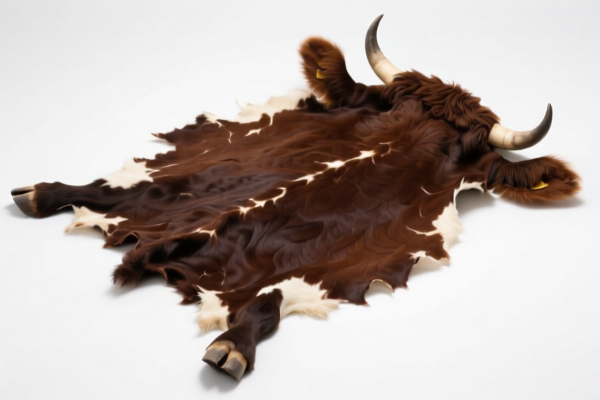
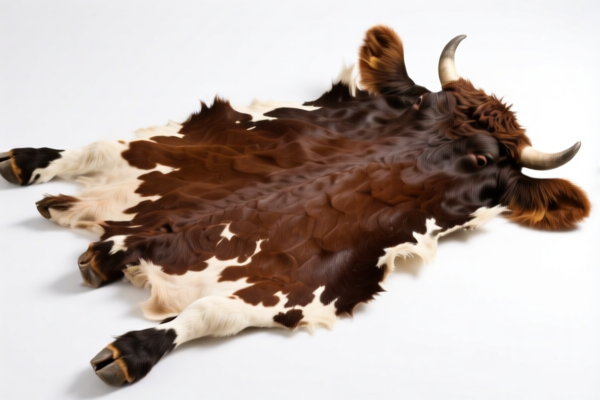
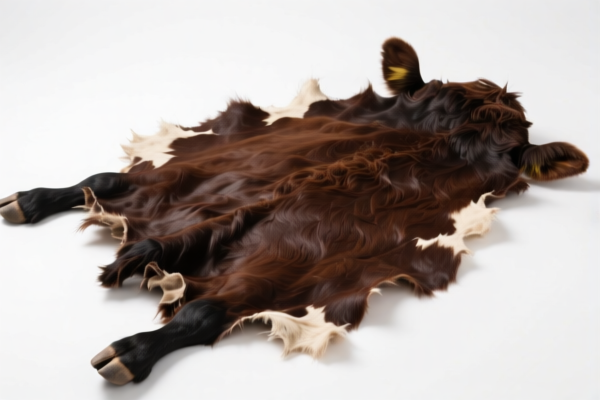
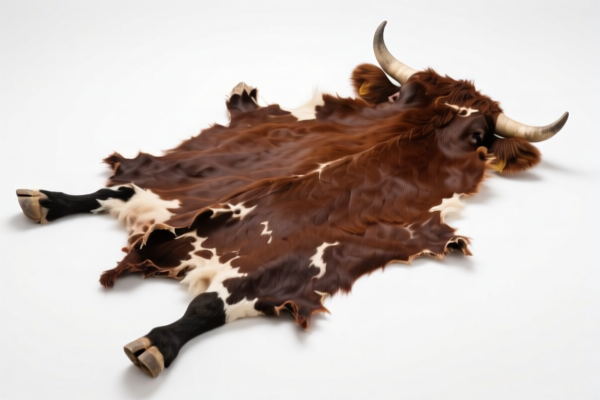
AI分析
🐑 Raw Preserved Lamb Skin for Handicrafts
🌐 HS Code Reference & Customs Clearance Guide | 2026 Latest Tariff Analysis | Professional Clearance Strategy
📌 1. Product Definition & Classification: What Exactly Is "Raw Preserved Lamb Skin"?
Raw Preserved Lamb Skin (often referred to as Sheepskin or Lambskin in raw state) is the untreated or lightly tanned hide of a lamb or sheep, prepared specifically for downstream processing into handicrafts, garments, rugs, or insulation materials.
In international trade, it is crucial to distinguish between: * Raw/Hair-on Skin (Raw Preserved): The skin is salted, dried, or pickled but not tanned for permanent preservation. The hair/fur is still attached. It is perishable if not treated correctly and requires specific customs codes. * Tanned/Finished Leather: Chemically processed to prevent rotting. These fall under different HS chapters (usually Chapter 41).
⚠️ Key Distinction:
- If the skin is salted, dried, or limed but NOT tanned → It is classified under Chapter 41 (Raw Hides and Skins).
- If the skin is tanned or crusted → It falls under Chapter 41 as well, but in different subheadings (Tanned Leather).
- For handicrafts, raw preserved skins are often imported to be further processed (dyeing, cutting, sewing) into products like sheepskin rugs, lapel linings, or folk art items.
📦 2. HS Code Classification Details (2026 Latest Tariff Authority)
| HS Code | Product Description | Application Scenario | Tanning Status |
|---|---|---|---|
4101.20.10.00 |
Sheepskin, dressed or undressed, salted or dry-cured | Raw preserved lamb skin for handicrafts | ❌ Not Tanned |
4101.20.20.00 |
Sheepskin, fresh, chilled, or frozen | Rare for handicrafts (perishable) | ❌ Not Tanned |
4101.20.90.00 |
Other sheepskin, dressed or undressed | Raw preserved skins not specified above | ❌ Not Tanned |
4102.10.00.00 |
Goat or kid goat skin, dressed or undressed | If species is misidentified | ❌ Not Tanned |
4104.11.00.00 |
Sheepskin or lambskin, tanned or crust, without hair | Finished leather for upholstery | ✅ Tanned |
9601.90.00.00 |
Worked ivory, bone, tortoiseshell, coral, etc. | Finished handicraft items (if processed) | N/A |
🔍 Key Reminder:
- Most "Raw Preserved" skins for handicrafts are classified under4101.20(Sheepskin, undressed/dressed, salted/dry-cured).
- "Preserved" typically means salted, dried, or limed to prevent decomposition. This is NOT tanned leather.
- If the skin is tanned (even lightly), it may fall under4104.11or4104.19.
- Customs often inspect to ensure the product is not classified as "finished leather goods" (which have higher tariffs) if it is actually raw material.
💰 3. 2026 Latest Tariff Rates Detail (Including Surcharges & Policy Add-ons)
✅ Applicable Country: United States (US)
✅ Country of Origin: China (CN)
✅ Effective Date: From November 10, 2025 (including subsequent imports)
🎯 1. 4101.20.10.00 / 4101.20.90.00 —— Sheepskin, Raw/Preserved (Not Tanned)
| Item | Content |
|---|---|
| Base Tariff | 0% (ad valorem) |
| USITC Additional Tariff | +25% (from USITC Footnote 9903.88.01, under Section 301) |
| IEEPA Additional Tariff | +10% (for China/Hong Kong products, effective Nov 10, 2025) |
| Total Tariff | 35% |
| Tax Calculation | CIF Value × 35% |
| De Minimis Eligibility | ❌ Not Eligible (deny_de_minimis) |
| Legal Pathway | IEEPA:9903.01.25 → IEEPA:9903.01.24 → USITC:4101.20.10.00 → FOOTNOTE:9903.88.01 |
📌 Explanation:
- USITC 25%: Part of the Section 301 tariffs on Chinese goods, including raw animal hides.
- IEEPA 10%: Additional tariff under the International Emergency Economic Powers Act targeting Chinese-origin goods.
- Total 35%: This is a significant cost. Raw skins are low-value but heavy, so the ad valorem rate can be impactful.
- No De Minimis: Cannot be shipped via low-value packages (e.g., under $800) to avoid tariff.
🎯 2. 4104.11.00.00 —— Tanned Sheepskin/Lambskin (If Misclassified as Raw)
| Item | Content |
|---|---|
| Base Tariff | 0% |
| USITC Additional Tariff | +25% |
| IEEPA Additional Tariff | +10% |
| Total Tariff | 35% |
| Tax Calculation | CIF Value × 35% |
| De Minimis Eligibility | ❌ Not Eligible |
📌 Note:
- Whether raw or tanned, sheepskin from China generally faces the same high tariff burden under Section 301.
- However, Tanned Leather (4104.11) may have different regulatory requirements (e.g., chemical compliance) compared to raw skins.
🛠️ 4. Customs Clearance Practical Advice (Avoiding Pitfalls)
✅ 1. Required Documentation Checklist (Non-Negotiable)
| Document | Must Provide | Notes |
|---|---|---|
| ✅ Commercial Invoice | ✔️ | Must clearly state: "Raw Preserved Sheepskin," "Salted/Dried," "For Handicraft Manufacturing" |
| ✅ Packing List | ✔️ | Detail weight, number of skins, dimensions |
| ✅ Species Declaration | ✔️ | Confirm "Sheep" or "Lamb" (Ovis aries). Misidentification leads to delays. |
| ✅ Treatment Certificate | ✔️ | Proof of salting, drying, or liming. Must confirm NO tanning agents if claiming raw. |
| ✅ Fumigation Certificate | ✔️ | Required to prevent pest introduction (e.g., tick-borne diseases). |
| ✅ HS Code Ruling (Optional) | ✔️ | Recommended for high-value shipments to avoid classification disputes. |
| ✅ FCC/CE Certificates | ❌ | Not applicable for raw skins. |
| ✅ TSCA/CPSIA | ❌ | Not applicable unless processed into finished consumer goods. |
✅ 2. Declaration Tips (Key Mantra)
🔥 "Raw is Raw, Tanned is Tanned, Species Matters, Fumigation Done!"
| Situation | Correct Declaration | Wrong Practice |
|---|---|---|
| Raw Preserved Skin (Salted/Dried) | 4101.20.10.00 / 4101.20.90.00 |
Misdeclare as "Tanned Leather" (4104.11) → Higher scrutiny |
| Tanned Sheepskin | 4104.11.00.00 |
Misdeclare as "Raw" → Penalties for false declaration |
| Finished Sheepskin Rug | 9404.90.80.00 |
Misdeclare as "Raw Skin" → Tariff evasion risk |
| Mixed Species (Sheep + Goat) | Separate HS codes | Lump together → Customs seizure risk |
✅ 3. Special Case Handling
| Situation | Handling Advice |
|---|---|
| Small Quantities for Samples | Still subject to 35% tariff. No de minimis exemption for animal products. |
| Origin Change | If skins are imported into China, processed, and exported, they may lose "Chinese Origin" status depending on rules of origin. |
| Biological Safety | US Customs and Border Protection (CBP) and USDA may require fumigation or heat treatment to prevent disease. Ensure suppliers provide valid certificates. |
| Handicraft vs. Raw Material | If importing finished handicrafts (e.g., rugs), classify under Chapter 94 or 42, not Chapter 41. Tariffs may differ. |
🌍 5. Global Market Clearance Comparison (2026 Latest)
| Country/Region | Recommended HS Code | Tariff (China Origin) | Certification Requirements | Notes |
|---|---|---|---|---|
| 🇺🇸 United States | 4101.20.10.00 |
35% | Fumigation, Species ID | High tariff, strict biological checks |
| 🇨🇳 China | 4101.20.10.00 |
5% | N/A | Low tariff for import |
| 🇪🇺 European Union | 4101.20.10.00 |
0% (if raw) | REACH, No Animal By-Products | Strict REACH compliance for chemicals |
| 🇬🇧 United Kingdom | 4101.20.10.00 |
0% | UKCA, No Animal By-Products | Post-Brexit regulations apply |
| 🇯🇵 Japan | 4101.20.10.00 |
0% | Fumigation | Strict animal health checks |
📌 Conclusion:
- The US is the most expensive market due to Section 301 and IEEPA tariffs.
- EU and Japan have lower or zero base tariffs, but strict regulatory hurdles (REACH, animal health).
- China is a low-tariff destination, often used for processing before re-export.
📌 6. Common Mistakes & Pitfalls (Lessons Learned)
❌ Mistake 1: Declaring "Tanned Leather" when it is "Raw Preserved"
👉 Consequence: CBP may impose penalties for misclassification and delay shipment for inspection.
👉 Tariff Risk: Raw skins (4101) and tanned leather (4104) have different duty structures and regulatory requirements.
❌ Mistake 2: Ignoring Fumigation/Species Requirements
👉 Consequence: Shipment held or destroyed by USDA if no fumigation certificate or if species is not declared.
👉 Cost: Storage fees, destruction costs, and fines.
❌ Mistake 3: Assuming "De Minimis" Applies
👉 Consequence: 35% tariff applies regardless of value. Animal products are not eligible for $800 de minimis exemption in the US.
❌ Mistake 4: Mixing Raw and Tanned Skins in One Shipment
👉 Consequence: Complex classification, higher scrutiny, potential partial seizure if one batch is non-compliant.
✅ Correct Practice:
"Raw Preserved Sheepskin, Salted, Dried, For Handicraft Manufacturing, Species: Ovis Aries, Fumigated, No Tanning Agents Used"
🎯 7. Conclusion: Precise Classification Saves Money and Time
🎯 Remember the Mantra:
🔹 "Raw is Raw, Tanned is Tanned, Species is Key, Fumigation is Mandatory!"
🔹 "US Tariff is 35%, No De Minimis, Prepare Docs in Advance!"
📌 Pro Tip:
If your sheepskin is sourced from Vietnam, Mexico, or Thailand, you may qualify for IEEPA Exemptions or Lower Tariffs under specific trade agreements.
- Recommendation: Apply for a Binding Tariff Information (BTI) or US CBP Ruling before shipment to avoid surprises.
📣 Immediate Action:
📞 Contact a Licensed Customs Broker + Provide Product Photos + Request HS Code Ruling
🚀 Ensure your supplier provides Fumigation Certificates and Species Declarations
📦 Ship with Confidence, Avoid Delays, Protect Margins!
✨ Professional Clearance Starts with Accurate Classification!
💼 Every Percentage Point of Tariff Counts!
用户评价
关于 HS 编码归类
协调制度(HS)是由世界海关组织(WCO)制定的国际贸易商品分类标准。全球 200 多个国家采用 HS 系统作为海关关税、贸易统计和进出口监管的基础。
每个 HS 编码遵循以下层级结构:
- 章(2 位)——商品大类(例如:第 84 章:机器和机械设备)
- 品目(4 位)——章内的更具体分类
- 子目(6 位)——国际通用细分,所有 WCO 成员国统一使用
- 本国细分(8-10 位)——各国自行扩展的细分编码,如美国 HTSUS 10 位编码
正确的 HS 编码归类对于顺利通关、准确缴纳关税和遵守贸易法规至关重要。错误归类可能导致海关延误、多缴关税或罚款。
从CN进口到US时,适用的关税税率可能包括:
- 最惠国(MFN)税率——适用于 WTO 成员国的标准关税税率
- 普通税率——适用于无贸易协定国家
- 贸易救济关税——附加关税,如 301 条款(反倾销)、232 条款(国家安全)或反补贴税
本页内容仅供参考。如需正式归类,请咨询当地海关或持牌报关代理。