Raw Preserved Lamb Skin for Handicrafts
CN → USProduct Images
AI Analysis
🐑 Raw Preserved Lamb Skin for Handicrafts
🌐 HS Code Reference & Customs Clearance Guide | 2026 Latest Tariff Analysis | Professional Clearance Strategy
📌 1. Product Definition & Classification: What Exactly Is "Raw Preserved Lamb Skin"?
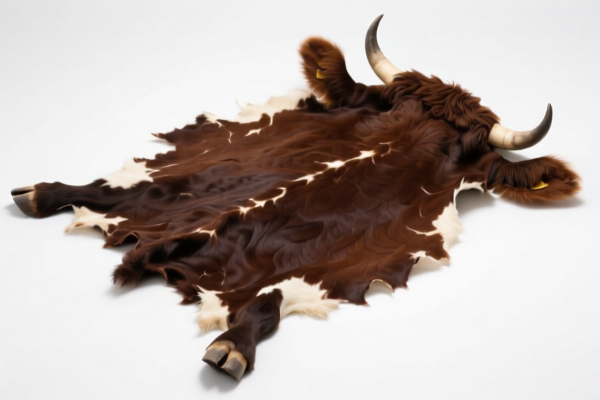
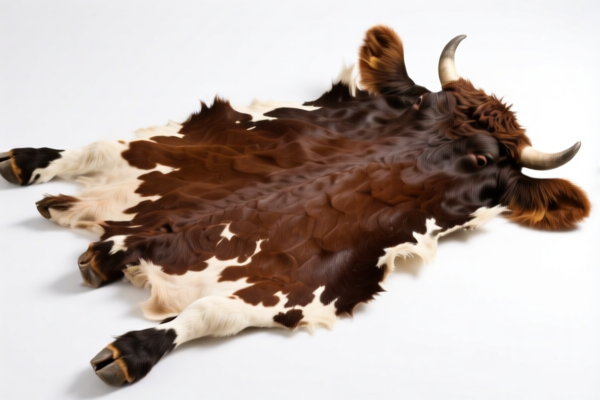
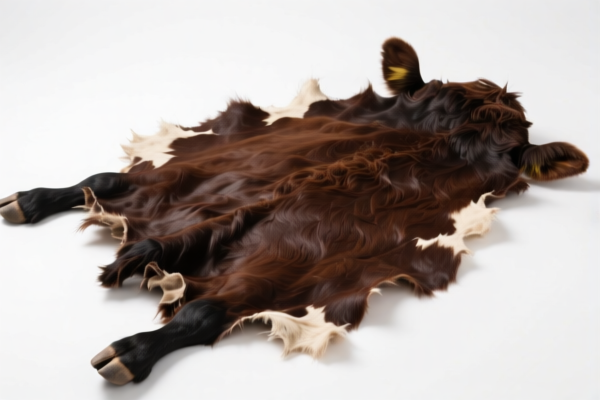
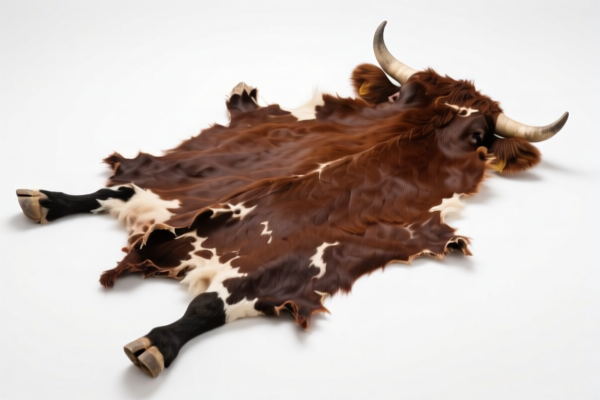
Raw Preserved Lamb Skin (often referred to as Sheepskin or Lambskin in raw state) is the untreated or lightly tanned hide of a lamb or sheep, prepared specifically for downstream processing into handicrafts, garments, rugs, or insulation materials.
In international trade, it is crucial to distinguish between: * Raw/Hair-on Skin (Raw Preserved): The skin is salted, dried, or pickled but not tanned for permanent preservation. The hair/fur is still attached. It is perishable if not treated correctly and requires specific customs codes. * Tanned/Finished Leather: Chemically processed to prevent rotting. These fall under different HS chapters (usually Chapter 41).
⚠️ Key Distinction:
- If the skin is salted, dried, or limed but NOT tanned → It is classified under Chapter 41 (Raw Hides and Skins).
- If the skin is tanned or crusted → It falls under Chapter 41 as well, but in different subheadings (Tanned Leather).
- For handicrafts, raw preserved skins are often imported to be further processed (dyeing, cutting, sewing) into products like sheepskin rugs, lapel linings, or folk art items.
📦 2. HS Code Classification Details (2026 Latest Tariff Authority)
| HS Code | Product Description | Application Scenario | Tanning Status |
|---|---|---|---|
4101.20.10.00 |
Sheepskin, dressed or undressed, salted or dry-cured | Raw preserved lamb skin for handicrafts | ❌ Not Tanned |
4101.20.20.00 |
Sheepskin, fresh, chilled, or frozen | Rare for handicrafts (perishable) | ❌ Not Tanned |
4101.20.90.00 |
Other sheepskin, dressed or undressed | Raw preserved skins not specified above | ❌ Not Tanned |
4102.10.00.00 |
Goat or kid goat skin, dressed or undressed | If species is misidentified | ❌ Not Tanned |
4104.11.00.00 |
Sheepskin or lambskin, tanned or crust, without hair | Finished leather for upholstery | ✅ Tanned |
9601.90.00.00 |
Worked ivory, bone, tortoiseshell, coral, etc. | Finished handicraft items (if processed) | N/A |
🔍 Key Reminder:
- Most "Raw Preserved" skins for handicrafts are classified under4101.20(Sheepskin, undressed/dressed, salted/dry-cured).
- "Preserved" typically means salted, dried, or limed to prevent decomposition. This is NOT tanned leather.
- If the skin is tanned (even lightly), it may fall under4104.11or4104.19.
- Customs often inspect to ensure the product is not classified as "finished leather goods" (which have higher tariffs) if it is actually raw material.
💰 3. 2026 Latest Tariff Rates Detail (Including Surcharges & Policy Add-ons)
✅ Applicable Country: United States (US)
✅ Country of Origin: China (CN)
✅ Effective Date: From November 10, 2025 (including subsequent imports)
🎯 1. 4101.20.10.00 / 4101.20.90.00 —— Sheepskin, Raw/Preserved (Not Tanned)
| Item | Content |
|---|---|
| Base Tariff | 0% (ad valorem) |
| USITC Additional Tariff | +25% (from USITC Footnote 9903.88.01, under Section 301) |
| IEEPA Additional Tariff | +10% (for China/Hong Kong products, effective Nov 10, 2025) |
| Total Tariff | 35% |
| Tax Calculation | CIF Value × 35% |
| De Minimis Eligibility | ❌ Not Eligible (deny_de_minimis) |
| Legal Pathway | IEEPA:9903.01.25 → IEEPA:9903.01.24 → USITC:4101.20.10.00 → FOOTNOTE:9903.88.01 |
📌 Explanation:
- USITC 25%: Part of the Section 301 tariffs on Chinese goods, including raw animal hides.
- IEEPA 10%: Additional tariff under the International Emergency Economic Powers Act targeting Chinese-origin goods.
- Total 35%: This is a significant cost. Raw skins are low-value but heavy, so the ad valorem rate can be impactful.
- No De Minimis: Cannot be shipped via low-value packages (e.g., under $800) to avoid tariff.
🎯 2. 4104.11.00.00 —— Tanned Sheepskin/Lambskin (If Misclassified as Raw)
| Item | Content |
|---|---|
| Base Tariff | 0% |
| USITC Additional Tariff | +25% |
| IEEPA Additional Tariff | +10% |
| Total Tariff | 35% |
| Tax Calculation | CIF Value × 35% |
| De Minimis Eligibility | ❌ Not Eligible |
📌 Note:
- Whether raw or tanned, sheepskin from China generally faces the same high tariff burden under Section 301.
- However, Tanned Leather (4104.11) may have different regulatory requirements (e.g., chemical compliance) compared to raw skins.
🛠️ 4. Customs Clearance Practical Advice (Avoiding Pitfalls)
✅ 1. Required Documentation Checklist (Non-Negotiable)
| Document | Must Provide | Notes |
|---|---|---|
| ✅ Commercial Invoice | ✔️ | Must clearly state: "Raw Preserved Sheepskin," "Salted/Dried," "For Handicraft Manufacturing" |
| ✅ Packing List | ✔️ | Detail weight, number of skins, dimensions |
| ✅ Species Declaration | ✔️ | Confirm "Sheep" or "Lamb" (Ovis aries). Misidentification leads to delays. |
| ✅ Treatment Certificate | ✔️ | Proof of salting, drying, or liming. Must confirm NO tanning agents if claiming raw. |
| ✅ Fumigation Certificate | ✔️ | Required to prevent pest introduction (e.g., tick-borne diseases). |
| ✅ HS Code Ruling (Optional) | ✔️ | Recommended for high-value shipments to avoid classification disputes. |
| ✅ FCC/CE Certificates | ❌ | Not applicable for raw skins. |
| ✅ TSCA/CPSIA | ❌ | Not applicable unless processed into finished consumer goods. |
✅ 2. Declaration Tips (Key Mantra)
🔥 "Raw is Raw, Tanned is Tanned, Species Matters, Fumigation Done!"
| Situation | Correct Declaration | Wrong Practice |
|---|---|---|
| Raw Preserved Skin (Salted/Dried) | 4101.20.10.00 / 4101.20.90.00 |
Misdeclare as "Tanned Leather" (4104.11) → Higher scrutiny |
| Tanned Sheepskin | 4104.11.00.00 |
Misdeclare as "Raw" → Penalties for false declaration |
| Finished Sheepskin Rug | 9404.90.80.00 |
Misdeclare as "Raw Skin" → Tariff evasion risk |
| Mixed Species (Sheep + Goat) | Separate HS codes | Lump together → Customs seizure risk |
✅ 3. Special Case Handling
| Situation | Handling Advice |
|---|---|
| Small Quantities for Samples | Still subject to 35% tariff. No de minimis exemption for animal products. |
| Origin Change | If skins are imported into China, processed, and exported, they may lose "Chinese Origin" status depending on rules of origin. |
| Biological Safety | US Customs and Border Protection (CBP) and USDA may require fumigation or heat treatment to prevent disease. Ensure suppliers provide valid certificates. |
| Handicraft vs. Raw Material | If importing finished handicrafts (e.g., rugs), classify under Chapter 94 or 42, not Chapter 41. Tariffs may differ. |
🌍 5. Global Market Clearance Comparison (2026 Latest)
| Country/Region | Recommended HS Code | Tariff (China Origin) | Certification Requirements | Notes |
|---|---|---|---|---|
| 🇺🇸 United States | 4101.20.10.00 |
35% | Fumigation, Species ID | High tariff, strict biological checks |
| 🇨🇳 China | 4101.20.10.00 |
5% | N/A | Low tariff for import |
| 🇪🇺 European Union | 4101.20.10.00 |
0% (if raw) | REACH, No Animal By-Products | Strict REACH compliance for chemicals |
| 🇬🇧 United Kingdom | 4101.20.10.00 |
0% | UKCA, No Animal By-Products | Post-Brexit regulations apply |
| 🇯🇵 Japan | 4101.20.10.00 |
0% | Fumigation | Strict animal health checks |
📌 Conclusion:
- The US is the most expensive market due to Section 301 and IEEPA tariffs.
- EU and Japan have lower or zero base tariffs, but strict regulatory hurdles (REACH, animal health).
- China is a low-tariff destination, often used for processing before re-export.
📌 6. Common Mistakes & Pitfalls (Lessons Learned)
❌ Mistake 1: Declaring "Tanned Leather" when it is "Raw Preserved"
👉 Consequence: CBP may impose penalties for misclassification and delay shipment for inspection.
👉 Tariff Risk: Raw skins (4101) and tanned leather (4104) have different duty structures and regulatory requirements.
❌ Mistake 2: Ignoring Fumigation/Species Requirements
👉 Consequence: Shipment held or destroyed by USDA if no fumigation certificate or if species is not declared.
👉 Cost: Storage fees, destruction costs, and fines.
❌ Mistake 3: Assuming "De Minimis" Applies
👉 Consequence: 35% tariff applies regardless of value. Animal products are not eligible for $800 de minimis exemption in the US.
❌ Mistake 4: Mixing Raw and Tanned Skins in One Shipment
👉 Consequence: Complex classification, higher scrutiny, potential partial seizure if one batch is non-compliant.
✅ Correct Practice:
"Raw Preserved Sheepskin, Salted, Dried, For Handicraft Manufacturing, Species: Ovis Aries, Fumigated, No Tanning Agents Used"
🎯 7. Conclusion: Precise Classification Saves Money and Time
🎯 Remember the Mantra:
🔹 "Raw is Raw, Tanned is Tanned, Species is Key, Fumigation is Mandatory!"
🔹 "US Tariff is 35%, No De Minimis, Prepare Docs in Advance!"
📌 Pro Tip:
If your sheepskin is sourced from Vietnam, Mexico, or Thailand, you may qualify for IEEPA Exemptions or Lower Tariffs under specific trade agreements.
- Recommendation: Apply for a Binding Tariff Information (BTI) or US CBP Ruling before shipment to avoid surprises.
📣 Immediate Action:
📞 Contact a Licensed Customs Broker + Provide Product Photos + Request HS Code Ruling
🚀 Ensure your supplier provides Fumigation Certificates and Species Declarations
📦 Ship with Confidence, Avoid Delays, Protect Margins!
✨ Professional Clearance Starts with Accurate Classification!
💼 Every Percentage Point of Tariff Counts!
Customer Reviews
About HS Code Classification
The Harmonized System (HS) is an internationally standardized nomenclature developed by the World Customs Organization (WCO) to classify traded products. Over 200 countries use the HS system as the basis for customs tariffs, trade statistics, and import/export regulations.
Each HS code follows a hierarchical structure:
- Chapter (2 digits) — Broad category of goods (e.g., Chapter 84: Machinery and Mechanical Appliances)
- Heading (4 digits) — More specific grouping within the chapter
- Subheading (6 digits) — Internationally standardized breakdown, used by all WCO member countries
- National subdivisions (8-10 digits) — Country-specific extensions for further classification, such as US HTSUS 10-digit codes
Correct HS code classification is essential for smooth customs clearance, accurate duty payment, and compliance with trade regulations. Misclassification can lead to customs delays, overpayment of duties, or penalties.
When importing from CN to US, the applicable tariff rates may include:
- Most-Favored-Nation (MFN) rate — The standard duty rate applied to WTO members
- General rate — Applied to countries without trade agreements
- Trade remedy duties — Additional tariffs such as Section 301 (anti-dumping), Section 232 (national security), or countervailing duties
The information provided on this page is for reference purposes only. For official classification, please consult with your local customs authority or a licensed customs broker.